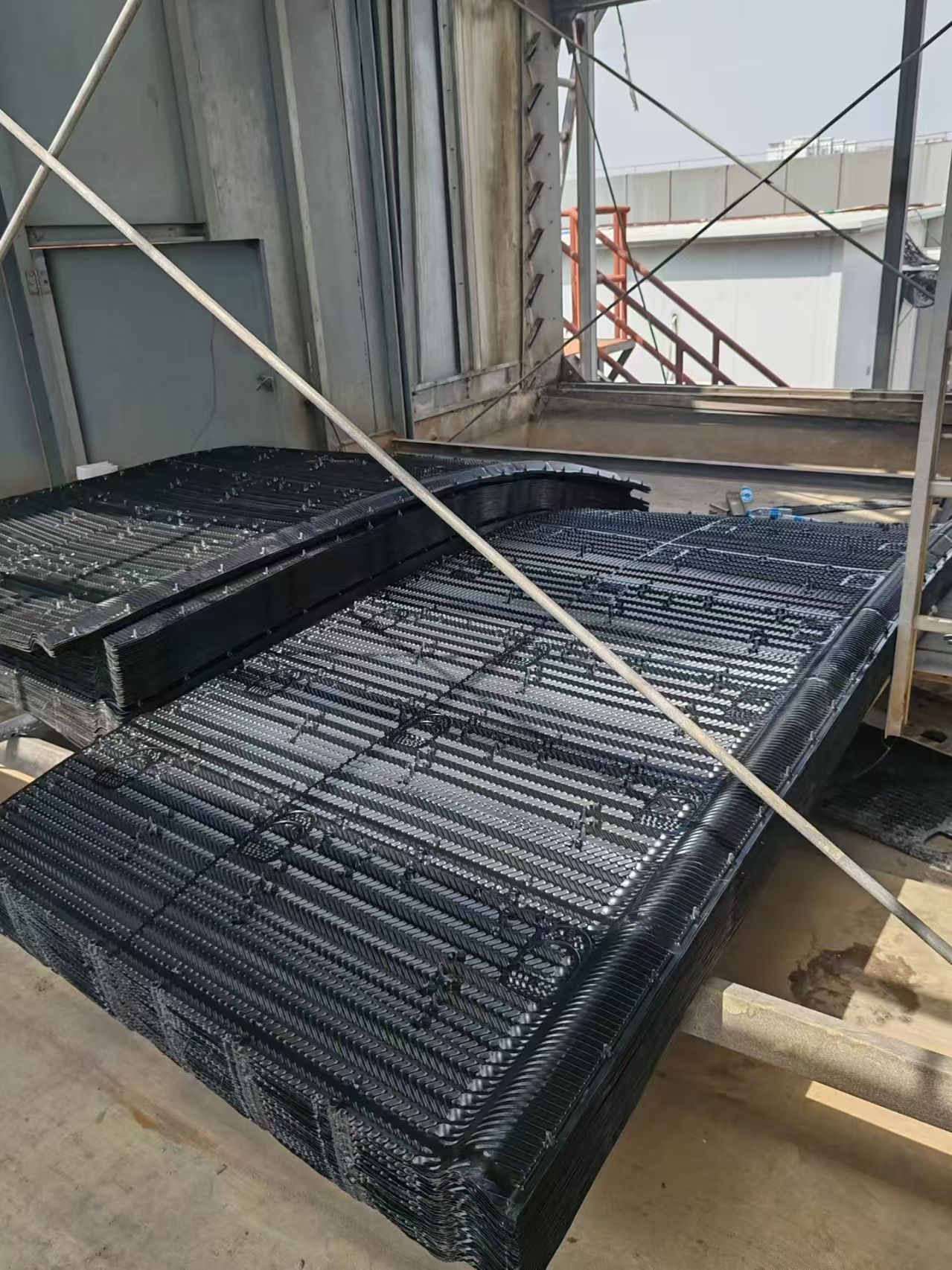
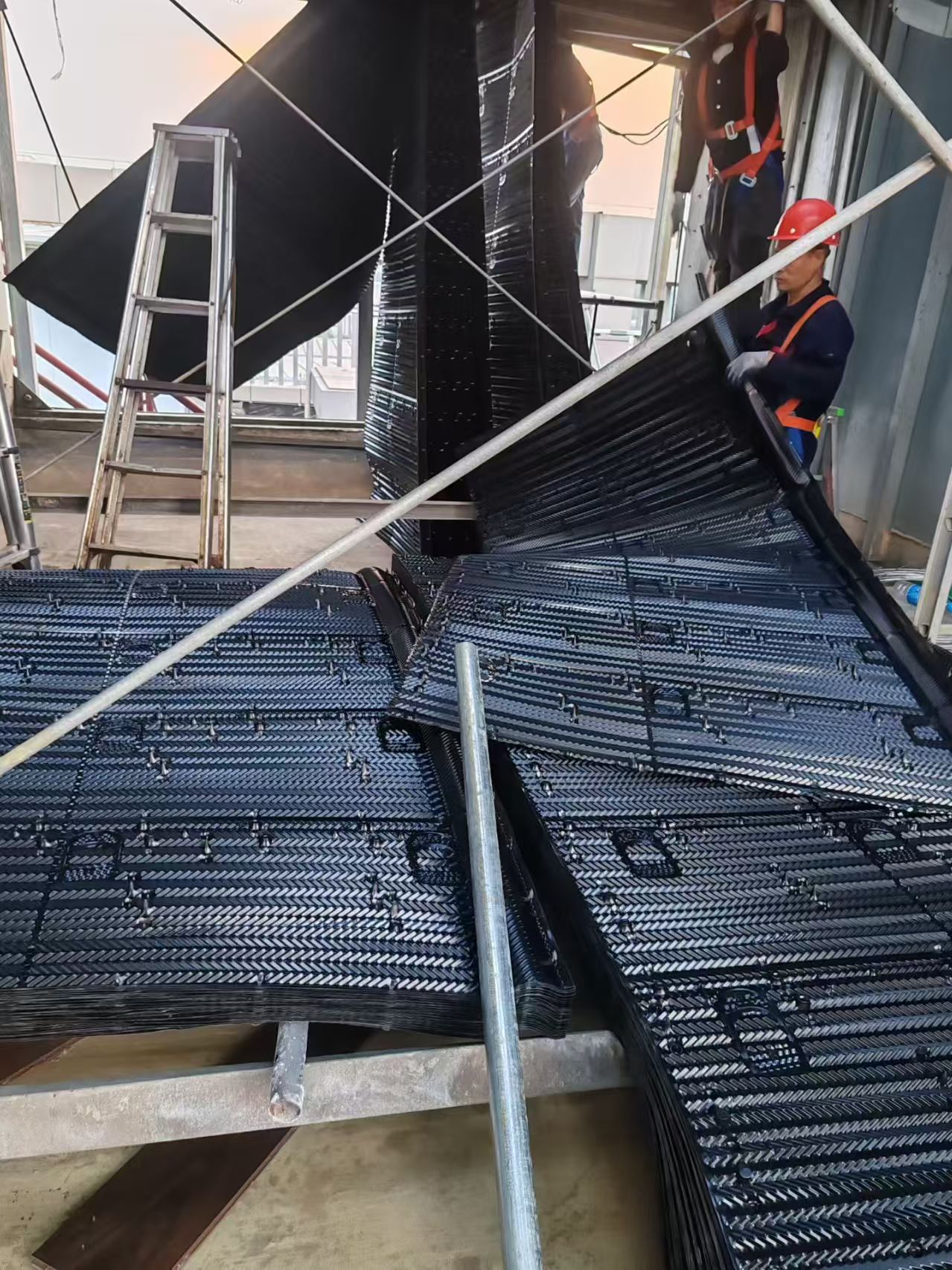
BAC Cooling Tower Fill Media: Selection and Maintenance Guide
BAC cooling tower fill media is an important internal component that helps improve water-to-air contact and support efficient heat transfer inside cooling towers. When the fill is correctly selected, installed, and maintained, it can contribute to stable cooling performance, suitable airflow, and reliable tower operation.
For cooling tower owners, contractors, distributors, and maintenance teams, selecting suitable BAC cooling tower fill requires more than checking dimensions. Material, fill design, water quality, operating temperature, airflow, and the condition of the existing tower all need to be considered.
This guide explains how to select and maintain BAC cooling tower fill media, when replacement may be necessary, and what information should be prepared when sourcing replacement fill.
What Is BAC Cooling Tower Fill Media?
BAC cooling tower fill media refers to the heat transfer media installed inside a BAC cooling tower to increase the effective contact area between circulating water and air.
As warm water is distributed over the fill, the fill helps spread the water into thin films or controlled flow paths. Air moves through the same area, allowing heat and moisture transfer to occur more effectively.
Why Is Cooling Tower Fill Important?
The cooling tower fill is designed to make better use of the tower's internal volume.
Main Functions of Cooling Tower Fill Media
Increase water-to-air contact area
Improve heat and mass transfer
Promote more uniform water distribution
Support evaporative cooling
Improve effective use of tower volume
Help maintain the required outlet water temperature
Because the fill directly affects water and airflow interaction, its condition can have a significant influence on tower performance.
What Types of BAC Cooling Tower Fill Are Available?
The suitable fill configuration depends on the cooling tower design, operating conditions, and water quality.
What Is Film Fill?
Film fill consists of formed sheets that provide a large surface area for water to spread across.
Water forms thin layers on the fill surface while air moves through the passages. This configuration can provide efficient water-air contact in applications where circulating water is relatively clean.
Benefits of Film Fill
Film fill can offer:
High effective surface area
Good heat transfer efficiency
Compact design
Lightweight construction
Efficient use of tower space
However, fill with narrow passages can require good water treatment and regular maintenance to reduce the risk of blockage.
What Is Splash Fill?
Splash fill uses bars, grids, or other structures to break falling water into smaller droplets and redistribute it through the fill section.
When Can Splash Fill Be Useful?
Splash-type fill can be considered for applications where:
Water contains suspended solids
Fouling is a concern
Open water passages are preferred
Industrial process conditions are more demanding
The final fill selection should always match the actual cooling tower application.
How Do You Select BAC Cooling Tower Fill Media?
Selecting replacement BAC cooling tower fill media requires a systematic evaluation of the existing equipment.
Should You Check the Cooling Tower Model?
Yes. The tower model and configuration can provide useful information about the required fill arrangement and dimensions.
What Information Should Be Collected?
Before contacting a supplier, prepare:
Cooling tower model
Cooling tower type
Existing fill dimensions
Fill material
Fill thickness
Operating water temperature
Water flow rate
Water quality
Photos of the existing fill
Available drawings or specifications
This information can help reduce the risk of selecting an incompatible replacement.
Why Are Fill Dimensions Important?
Replacement fill needs to fit properly within the existing support structure.
Important dimensions may include:
Length
Width
Height
Sheet thickness
Block dimensions
Flute spacing
Fill orientation
Incorrect dimensions may affect installation, water distribution, and airflow.
How Does Material Affect BAC Cooling Tower Fill Performance?
Material selection can influence temperature resistance, durability, chemical compatibility, and expected service life.
Why Is PVC Cooling Tower Fill Commonly Used?
PVC cooling tower fill is widely used for many standard cooling applications because it combines lightweight construction, good formability, corrosion resistance, and practical cost.
Advantages of PVC Fill
PVC cooling tower fill can provide:
Lightweight handling
Good corrosion resistance in many environments
Good dimensional stability
Efficient manufacturing
Suitable performance for many HVAC applications
PVC is often used for film-fill products when the operating environment is appropriate for the material.
When Should PP Cooling Tower Fill Be Considered?
PP, or polypropylene, can be considered for some applications where higher temperature resistance is required.
Key PP Fill Characteristics
PP may provide:
The correct material depends on the actual temperature and water chemistry of the system.
How Does Cooling Tower Type Affect Fill Selection?
BAC cooling towers can have different airflow and water-flow arrangements, so fill selection should be matched to the tower configuration.
What Is Counterflow Cooling Tower Fill?
In a counterflow tower, water moves downward while air flows upward through the fill.
This arrangement provides direct interaction between descending water and rising air.
What Should Be Checked for Counterflow Fill?
Consider:
What Is Crossflow Cooling Tower Fill?
In a crossflow tower, water generally moves downward while air travels horizontally through the fill.
The fill should work together with the tower's air inlet and water distribution arrangement.
Why Is Crossflow Compatibility Important?
Using a fill designed without considering the tower configuration can lead to poor water distribution, ineffective airflow, or difficult installation.
For BAC cooling tower fill replacement, compatibility should therefore be confirmed before production or shipment.
How Does Water Quality Affect BAC Cooling Tower Fill?
Water quality is one of the most important factors influencing fill performance and service life.
What Contaminants Can Affect Fill?
Cooling tower water may contain:
Suspended solids
Dirt
Dust
Scale-forming minerals
Algae
Biological deposits
These substances can accumulate on or inside the fill.
What Happens When Fill Becomes Fouled?
Heavy fouling may lead to:
Reduced effective heat transfer area
Restricted airflow
Uneven water distribution
Increased pressure drop
Reduced cooling performance
More frequent maintenance
Is Film Fill Suitable for Dirty Water?
Film fill can provide strong heat transfer performance, but some designs have relatively narrow passages and may be more vulnerable to blockage.
For systems with significant suspended solids or fouling, an alternative fill design may be more appropriate.
The choice should be based on actual water conditions rather than on fill type alone.
How Does Operating Temperature Affect Fill Selection?
Operating temperature is another important factor when selecting BAC cooling tower fill media.
Why Should Temperature Be Confirmed?
Different plastic materials have different temperature characteristics.
PVC can be suitable for many standard cooling applications, while PP may be preferred for certain higher-temperature industrial conditions.
What Temperature Data Should Be Provided?
Buyers should provide:
Normal inlet water temperature
Maximum inlet water temperature
Normal outlet water temperature
Expected peak operating temperature
Ambient operating conditions
Accurate temperature information helps suppliers recommend a suitable material.
How Does Fill Design Affect Cooling Efficiency?
The structure of the fill determines how water spreads and how easily air can pass through the media.
Why Does Surface Area Matter?
A larger effective wetted surface can increase the opportunity for water-air contact.
However, maximizing surface area without considering airflow resistance can create other operating problems.
How Should Fill Design Be Balanced?
A suitable cooling tower fill media design should balance:
Heat Transfer + Surface Area + Airflow + Water Distribution + Fouling Resistance
This balance is especially important when selecting fill for continuous industrial operation.
How Does Airflow Affect BAC Cooling Tower Fill?
Airflow is necessary for effective evaporative cooling.
Why Is Pressure Drop Important?
As air travels through the fill, it encounters resistance. This resistance can affect fan operating requirements.
What Happens If Fill Pressure Drop Is Too High?
Excessive resistance can contribute to:
Reduced airflow
Higher fan energy requirements
Lower cooling performance
Increased operating costs
For this reason, the fill should be evaluated together with fan capacity and tower airflow requirements.
How Should BAC Cooling Tower Fill Media Be Maintained?
Regular maintenance is essential for keeping the fill in suitable operating condition.
How Often Should Cooling Tower Fill Be Inspected?
Inspection frequency depends on water quality, operating hours, environmental conditions, and system design.
Cooling towers operating under heavy fouling conditions may require more frequent inspection.
What Should an Inspection Include?
Inspect the fill for:
Early detection can prevent small problems from becoming major performance issues.
How Do You Clean BAC Cooling Tower Fill?
Cleaning should be performed according to the material, contamination type, and condition of the fill.
What Is the Purpose of Fill Cleaning?
The main objectives are to remove deposits and restore suitable water and airflow passages.
What Should Be Avoided?
Avoid cleaning methods that may:
The cleaning method should be selected carefully rather than applying the most aggressive method available.
When Should BAC Cooling Tower Fill Be Replaced?
Cleaning is not always sufficient when the fill has suffered permanent damage.
What Are the Signs of Fill Replacement?
BAC cooling tower fill replacement may be necessary when the existing fill shows:
Why Is Timely Replacement Important?
Damaged or heavily fouled fill can affect both water distribution and airflow. Continued operation may also place additional demands on other cooling tower components.
Replacing deteriorated fill with suitable cooling tower fill media can help restore the intended internal flow conditions.
How Do You Measure Fill Before Replacement?
Accurate measurement is essential for replacement projects.
Which Dimensions Should Be Measured?
Measure:
Why Is an Existing Sample Helpful?
A physical sample can help a manufacturer verify the fill geometry, thickness, and configuration when original drawings are unavailable.
Photos can also provide useful information about installation orientation and the condition of the existing media.
Can BAC Cooling Tower Fill Be Customized?
Custom cooling tower fill media can be useful when standard dimensions do not match an existing tower.
What Can Be Customized?
Depending on the manufacturer's capabilities, customization may include:
Fill dimensions
Sheet thickness
Material
Flute configuration
Block size
Assembly
Packaging
When Is Custom Fill Useful?
Custom fill may be required for:
Replacement projects
Older cooling towers
Non-standard tower dimensions
OEM applications
Industrial cooling systems
Special operating conditions
How Do You Compare Cooling Tower Fill Suppliers?
When sourcing BAC replacement fill, the supplier's manufacturing capabilities should be evaluated carefully.
What Should You Check?
Consider:
Product range
Material options
Manufacturing experience
Dimensional control
Customization capability
Production capacity
Quality inspection
Packaging
Export experience
Technical support
Why Is Manufacturer Experience Important?
A knowledgeable supplier can help customers review tower type, dimensions, water quality, operating temperature, and other factors before recommending replacement fill.
This application-based approach can reduce the risk of ordering unsuitable media.
What Should Global Buyers Consider for BAC Cooling Tower Fill Replacement?
International projects involve both technical and logistics considerations.
What About Packaging?
Cooling tower fill can occupy significant shipping volume even though the material is relatively lightweight.
Suitable packaging can help:
What About Bulk Orders?
Large cooling tower projects may require substantial quantities of fill.
Before ordering, confirm:
Required quantity
Production schedule
Packaging dimensions
Shipping method
Delivery schedule
Inspection requirements
Why Is Container Planning Important?
Efficient loading can have a meaningful effect on international transportation costs, particularly for large-volume cooling tower fill orders.
How Can Proper BAC Cooling Tower Fill Maintenance Improve Performance?
Good maintenance helps protect the heat transfer capability of the fill.
Better Water Distribution
Clean and properly positioned fill can support more uniform water flow over the available surface.
More Stable Airflow
Keeping passages reasonably clean can help maintain airflow through the fill section.
Reduced Fouling
Regular inspection and appropriate water treatment can reduce the accumulation of unwanted deposits.
Longer Service Life
Combining suitable material selection, water treatment, inspection, cleaning, and timely replacement can help extend the useful life of cooling tower fill media.
Frequently Asked Questions About BAC Cooling Tower Fill Media
What Is BAC Cooling Tower Fill Media?
BAC cooling tower fill media is the internal heat transfer material used to increase water-air contact inside a cooling tower.
What Material Is Commonly Used for Cooling Tower Fill?
PVC is widely used in many cooling tower applications. PP can also be selected for certain operating conditions, particularly where greater temperature resistance is required.
Can I Replace Existing BAC Fill With Custom Cooling Tower Fill?
A replacement solution can be designed to match the existing tower dimensions and operating requirements. Accurate measurements, photos, drawings, or a physical sample can help determine suitable replacement media.
How Do I Know When My Cooling Tower Fill Needs Replacement?
Look for severe blockage, deformation, cracking, structural deterioration, permanent deposits, or reduced cooling performance.
Can Cooling Tower Fill Be Cleaned Instead of Replaced?
In some cases, cleaning can restore suitable operating conditions. However, badly damaged, deformed, or permanently deteriorated fill may require replacement.
What Information Should I Send to a Cooling Tower Fill Manufacturer?
Provide the cooling tower model, fill dimensions, tower type, material, operating temperatures, water quality information, photos, and any available drawings or samples.
Conclusion
Selecting and maintaining the right BAC cooling tower fill media is important for preserving heat transfer performance and reliable cooling tower operation. The correct fill should be matched to the tower configuration, operating temperature, water quality, airflow requirements, and available installation space.
For many standard applications, PVC cooling tower fill offers a practical combination of lightweight construction, corrosion resistance, and cost efficiency. PP fill may be considered for selected higher-temperature or specialized applications.
Regular inspection, proper cleaning, suitable water treatment, and timely BAC cooling tower fill replacement can help prevent excessive fouling and deterioration. For replacement projects, accurate measurements and technical information are essential to ensure that the new cooling tower fill media fits the existing tower correctly.
Whether you are sourcing replacement fill for a BAC cooling tower, upgrading an industrial cooling system, or purchasing custom fill media for an OEM project, application-specific selection is the foundation of reliable cooling performance.