How to Extend the Service Life of an Industrial Cooling Tower Fan?
An industrial cooling tower fan is a critical component in maintaining stable heat rejection and efficient cooling system operation. It moves large volumes of air through the cooling tower, helping reduce circulating water temperature and maintain the performance of industrial processes. Because cooling tower fans often operate for extended periods in humid, corrosive, and demanding environments, their components are exposed to continuous mechanical stress and environmental wear.
Extending the service life of an industrial cooling tower fan is not simply a matter of replacing worn parts when problems occur. It requires a systematic approach that combines correct installation, regular inspection, vibration control, preventive maintenance, and appropriate component selection.
This article explains the main factors that affect industrial cooling tower fan durability and provides practical strategies to reduce premature failures, improve operating reliability, and lower long-term maintenance costs.
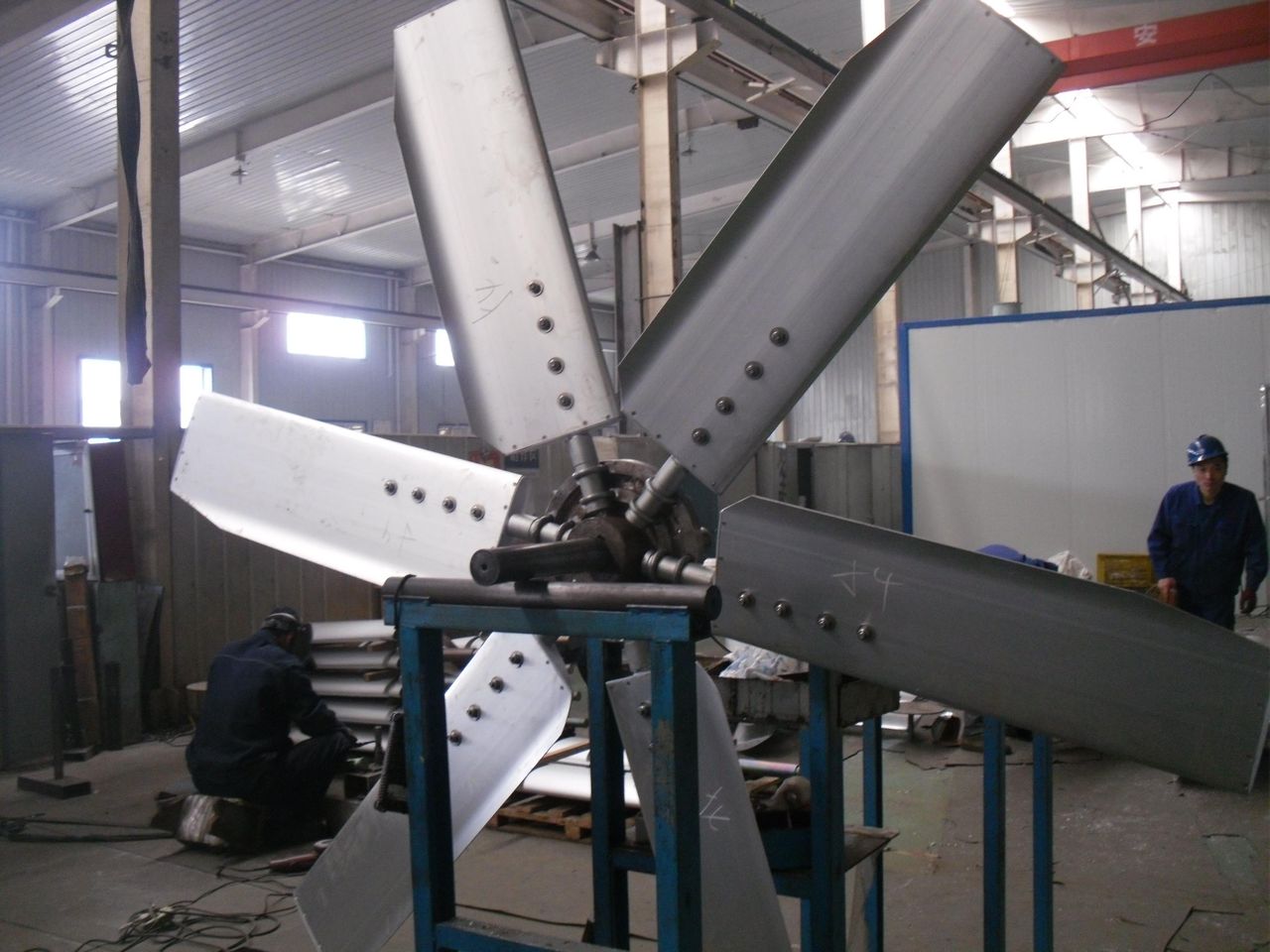
1. What Determines the Service Life of an Industrial Cooling Tower Fan?
The service life of an industrial cooling tower fan depends on several interconnected factors. Even a high-quality fan can experience premature failure if it operates under unsuitable conditions or receives insufficient maintenance.
1.1 Fan Blade Material and Structural Quality
Fan blades are continuously exposed to aerodynamic forces, moisture, temperature changes, and vibration. Their material and manufacturing quality directly influence durability.
Common industrial cooling tower fan blade materials include:
FRP (Fiberglass Reinforced Plastic): Lightweight, corrosion-resistant, and suitable for many industrial cooling tower environments.
Aluminum Alloy: Offers a favorable strength-to-weight ratio but requires appropriate protection against corrosion.
Stainless Steel: Provides mechanical strength and corrosion resistance in selected applications, although its weight may affect the overall fan design.
Other Composite Materials: Can offer specialized mechanical and environmental properties depending on their formulation.
Why Does Blade Quality Matter?
Poorly manufactured blades may develop cracks, deformation, surface damage, or inconsistent weight distribution. These problems can increase vibration and place additional stress on the hub, shaft, gearbox, and motor.
Selecting blades with suitable structural strength, aerodynamic characteristics, and environmental resistance is an important first step toward extending fan life.
1.2 Operating Speed and Mechanical Load
The operating speed of an industrial cooling tower fan affects its aerodynamic load and mechanical stress.
Excessive rotational speed may increase centrifugal forces, blade loading, noise, and vibration. Operating outside the manufacturer's specified limits can accelerate fatigue and damage critical components.
Maintain the Correct Operating Conditions
Follow the manufacturer's recommended rotational speed.
Avoid unauthorized increases in motor frequency.
Confirm that fan blades are suitable for the actual operating speed.
Monitor motor current and operating temperature.
Check that the fan system is not overloaded.
1.3 Environmental Conditions
Cooling towers typically operate in environments with high humidity, water droplets, chemicals, and temperature fluctuations.
These conditions may cause:
Corrosion of metal components.
Degradation of protective coatings.
Moisture-related damage to electrical equipment.
Surface deterioration of composite materials.
Accumulation of dirt, scale, and biological deposits.
The more aggressive the operating environment, the more important material selection and preventive maintenance become.
2. Perform Regular Industrial Cooling Tower Fan Inspections
Routine inspection helps identify early signs of deterioration before they develop into serious mechanical failures. A structured inspection schedule is more effective than waiting for abnormal noise, excessive vibration, or reduced cooling performance.
2.1 Inspect Fan Blades for Cracks and Deformation
Fan blades are among the most important components to inspect because even minor damage can affect aerodynamic performance and rotational balance.
During inspection, check for:
Cracks around blade roots and mounting areas.
Surface erosion and impact damage.
Delamination or exposed fibers on FRP blades.
Deformation or changes in blade shape.
Loose fasteners and damaged mounting holes.
Uneven deposits on individual blades.
Pay Special Attention to Blade Roots
The blade root is an important load-transfer area. It experiences significant mechanical stress during operation.
Cracks, loose connections, or material deterioration around this area should be investigated promptly. Damaged blades should not be returned to service until their structural condition has been properly assessed.
2.2 Check the Fan Hub and Connecting Components
The fan hub connects the blades to the rotating assembly and transfers mechanical loads during operation.
Inspect the hub for:
Corrosion and surface damage.
Loose bolts and fasteners.
Cracks or deformation.
Worn mounting interfaces.
Signs of fretting or movement between connected parts.
Why Is Hub Maintenance Important?
A damaged or poorly secured hub can cause uneven load distribution, excessive vibration, and potential blade detachment.
Fasteners should be checked and tightened according to the manufacturer's specified torque requirements. Avoid arbitrary tightening, which may damage threads or connecting surfaces.
2.3 Examine the Fan Shaft, Bearings, and Gearbox
The shaft, bearings, and gearbox support the fan's rotational operation. Problems in these components can affect the entire drive system.
Check for:
Unusual operating noise.
Excessive bearing temperature.
Lubricant leakage.
Abnormal shaft movement.
Worn couplings or belts, where fitted.
Gearbox vibration and overheating.
Establish an Inspection Record
Record inspection dates, measured vibration, temperatures, lubricant condition, and maintenance activities. Comparing results over time helps identify developing problems and supports more effective maintenance planning.
3. Maintain Proper Fan Blade Balance
Imbalance is one of the common causes of excessive vibration in industrial cooling tower fans. It can result from manufacturing differences, uneven deposits, blade damage, incorrect installation, or changes in blade position.
3.1 Understand the Effects of Fan Imbalance
An unbalanced fan generates additional centrifugal forces during rotation. These forces may affect several components simultaneously.
Potential consequences include:
Increased vibration in the fan assembly.
Higher stress on bearings and shafts.
Loosening of mechanical fasteners.
Premature gearbox or motor wear.
Increased operating noise.
Fatigue damage to supporting structures.
3.2 Clean Blades Before Performing Balancing
Dirt, mineral deposits, and other materials can accumulate unevenly on fan blades.
Before balancing, clean all blades using methods compatible with the blade material. Inspect for cracks, deformation, and missing material.
Cleaning is important because balancing a fan with removable deposits may produce inaccurate results once those deposits fall off or are removed.
3.3 Use Appropriate Balancing Procedures
Fan balancing should be performed by qualified personnel using suitable equipment and procedures.
The process may include:
Inspecting the fan assembly and mounting connections.
Checking blade condition and installation.
Confirming the mechanical integrity of the rotating assembly.
Measuring vibration under appropriate conditions.
Identifying the source and location of imbalance.
Applying approved corrective measures.
Rechecking vibration after adjustment.
Do Not Use Improvised Counterweights
Unapproved drilling, welding, or attaching arbitrary weights to fan blades can weaken the structure and create additional hazards. Balancing corrections must follow the fan manufacturer's requirements and applicable engineering procedures.
4. Set the Correct Cooling Tower Fan Blade Angle
Blade angle, also known as blade pitch, affects airflow, fan power consumption, and the mechanical load placed on the drive system.
An unsuitable blade angle may reduce cooling performance or overload the motor.
4.1 How Blade Pitch Affects Fan Performance
Increasing blade pitch generally increases aerodynamic loading at a given rotational speed, but the actual airflow and power response depend on the fan design and system resistance.
If the pitch is too high, possible consequences include:
Excessive motor current.
Higher power consumption.
Increased blade stress.
Reduced operating reliability.
Potential motor overload.
If the pitch is too low, the fan may not deliver the airflow required by the cooling tower.
4.2 Adjust Blade Pitch According to Design Requirements
Blade pitch should be selected based on the fan manufacturer's performance data and the cooling tower's operating conditions.
Important considerations include:
Required airflow volume.
Static pressure and system resistance.
Motor power rating.
Fan rotational speed.
Blade diameter and design.
Ambient temperature and operating load.
Verify the Adjustment After Installation
After any pitch adjustment, confirm that all blades are set consistently according to the specified measurement method. Check motor current, vibration, rotational speed, and cooling performance during commissioning.
Do not adjust blade pitch simply to increase airflow without verifying motor capacity and fan operating limits.
5. Prevent Corrosion and Environmental Damage
Corrosion and material degradation can significantly shorten the service life of an industrial cooling tower fan, particularly in chemical processing plants, coastal facilities, and other aggressive environments.
5.1 Choose Corrosion-Resistant Fan Components
Material selection should reflect the operating environment rather than relying only on initial purchase price.
FRP fan blades are widely used in cooling tower applications because they combine relatively low weight with resistance to moisture and many corrosive environments.
For metal components, suitable protective coatings, corrosion-resistant alloys, and appropriate surface treatments can help reduce deterioration.
5.2 Protect FRP Fan Blades from Surface Degradation
Although FRP materials are suitable for many cooling tower environments, they still require proper care.
Inspect for:
Follow Suitable Cleaning Procedures
Use cleaning agents and tools approved for the blade material. Avoid aggressive chemicals, excessive pressure, or abrasive methods that may damage the resin surface.
5.3 Reduce Chemical and Moisture Exposure
Where possible, control chemical contamination and prevent unnecessary exposure of vulnerable components to corrosive substances.
Check drainage, protective covers, electrical enclosures, and coating conditions. Replace damaged protective materials before corrosion spreads to critical structural areas.
6. Maintain the Fan Drive System Properly
The fan drive system transfers power from the motor to the rotating fan assembly. Its condition has a direct influence on operating reliability and component life.
6.1 Maintain the Gearbox
For gearbox-driven cooling tower fans, regular inspection and lubrication are essential.
Maintenance should include:
Checking oil level.
Inspecting lubricant condition.
Monitoring operating temperature.
Checking for oil leakage.
Listening for unusual gear noise.
Inspecting mounting bolts and connections.
Replace Gearbox Oil at Recommended Intervals
Use the lubricant grade specified by the gearbox manufacturer. Oil replacement intervals should be based on operating conditions, manufacturer guidance, and lubricant condition.
Water contamination, metallic particles, or abnormal discoloration may indicate internal problems that require further investigation.
6.2 Check the Motor Operating Condition
The motor should operate within its rated electrical and thermal limits.
Inspect:
Abnormal current or temperature may indicate excessive fan load, electrical problems, poor ventilation, or mechanical resistance.
6.3 Inspect Couplings and Belt Drives
Some industrial cooling tower fan systems use couplings or belt-driven arrangements.
For coupling systems, check alignment, flexible elements, and fasteners.
For belt-driven systems, inspect belt tension, pulley alignment, belt wear, and signs of slipping. Excessive tension can increase bearing loads, while insufficient tension may cause slippage and reduced power transmission.
7. Ensure Correct Installation and Alignment
Incorrect installation can shorten the service life of even a high-quality industrial cooling tower fan.
A poorly aligned drive system may generate vibration, increase bearing loads, and cause uneven mechanical stress.
7.1 Check Fan and Drive Alignment
During installation or replacement, verify that the motor, gearbox, shaft, and fan assembly are aligned according to the equipment design.
Incorrect alignment may lead to:
7.2 Maintain Proper Blade Tip Clearance
The clearance between fan blade tips and the surrounding fan cylinder or stack must comply with the manufacturer's design specifications.
Insufficient clearance may create contact risks under operating conditions. Excessive or inconsistent clearance may affect aerodynamic performance.
Inspect the Fan Stack and Supporting Structure
Check the fan stack for cracks, loose connections, deformation, and corrosion. A damaged stack or unstable support structure can affect fan alignment and operating safety.
7.3 Follow Manufacturer Installation Procedures
Use the specified lifting points, mounting hardware, fastener grades, and tightening sequences.
Before commissioning, verify that:
All blades are correctly installed.
Blade pitch is consistent.
Fasteners are properly secured.
The rotating assembly has adequate clearance.
The drive system is correctly aligned.
Electrical and mechanical safety checks are complete.
8. Establish a Preventive Maintenance Schedule
Preventive maintenance helps identify potential failures before they interrupt cooling tower operation.
The inspection frequency should depend on operating hours, environmental conditions, equipment design, and manufacturer recommendations.
8.1 Daily or Routine Operating Checks
Operators can perform basic checks during normal operation.
| Inspection Item | What to Check |
| Operating noise | Unusual sounds or sudden changes |
| Vibration | Abnormal movement or increased vibration |
| Motor current | Changes from normal operating values |
| Operating temperature | Motor, gearbox, and bearing temperature |
| Airflow | Unusual reduction or unstable discharge |
8.2 Monthly Inspections
Monthly inspections can include a more detailed review of the fan assembly.
Recommended tasks include:
Inspecting visible blade surfaces.
Checking hub fasteners.
Reviewing vibration trends.
Checking gearbox oil leakage.
Inspecting the fan stack and supports.
Cleaning accumulated deposits where necessary.
8.3 Annual or Planned Shutdown Maintenance
During planned shutdowns, conduct a more comprehensive inspection.
Recommended Annual Maintenance Tasks
Inspect blade roots and mounting interfaces.
Check the fan hub and rotating assembly.
Inspect shaft and bearing condition.
Review gearbox condition and lubricant.
Verify alignment and blade pitch.
Inspect protective coatings and corrosion.
Evaluate vibration history.
Replace components that have reached their approved service limits.
The actual schedule should be adapted to the manufacturer's instructions and the cooling tower's operating environment.
9. Monitor Fan Vibration and Operating Performance
Condition monitoring provides useful information about equipment health and allows maintenance teams to identify gradual deterioration.
9.1 Track Vibration Trends
Vibration measurements should be taken at appropriate locations using consistent measurement methods.
A gradual increase in vibration may indicate:
Fan imbalance.
Misalignment.
Bearing deterioration.
Loose fasteners.
Structural looseness.
Blade damage.
Investigate Changes Rather Than Relying on One Reading
A single measurement may not reveal the full condition of a fan. Comparing readings over time provides a clearer picture of developing problems.
Use the manufacturer's limits and applicable vibration evaluation standards to determine whether corrective action is necessary.
9.2 Monitor Energy Consumption
Changes in motor current and power consumption can indicate that the fan is operating under different conditions.
An unexpected increase may be associated with excessive blade pitch, higher system resistance, mechanical friction, or other operating changes.
Regularly compare actual operating data with the fan's expected performance.
9.3 Use Condition-Based Maintenance
For critical industrial cooling tower systems, vibration monitoring, temperature monitoring, and lubricant analysis can support condition-based maintenance.
Instead of replacing components only according to a fixed calendar, maintenance teams can use measured equipment conditions to help determine when inspection or repair is needed.
10. Common Mistakes That Shorten Industrial Cooling Tower Fan Life
Some maintenance practices can unintentionally accelerate equipment deterioration.
10.1 Ignoring Small Cracks and Surface Damage
Minor damage may develop into more serious structural problems under repeated operating loads.
Inspect damaged areas carefully and obtain a professional assessment before returning questionable components to service.
10.2 Operating with Excessive Vibration
Allowing a fan to continue operating with abnormal vibration can increase stress on the hub, shaft, bearings, gearbox, and supporting structure.
Investigate the cause instead of treating vibration as a normal operating condition.
10.3 Using Incorrect Replacement Parts
Replacement blades, hubs, fasteners, and drive components must be compatible with the original fan design.
Incorrect parts may cause fitment problems, imbalance, poor performance, or additional mechanical stress.
10.4 Overlooking Lubrication Requirements
Insufficient, excessive, or unsuitable lubrication can damage bearings and gears.
Always follow the specified lubricant type, quantity, and replacement interval.
10.5 Making Unauthorized Performance Adjustments
Increasing fan speed or blade pitch without checking the system's operating limits may overload the motor and rotating assembly.
Performance adjustments should be based on engineering calculations and verified operating measurements.
11. How to Choose Durable Components for an Industrial Cooling Tower Fan
The quality of replacement components has a significant influence on long-term equipment reliability.
When purchasing industrial cooling tower fan components, consider more than the initial price.
11.1 Evaluate Material and Manufacturing Quality
For FRP blades, examine the reinforcement structure, resin system, surface finish, and manufacturing consistency.
For metal components, consider material specifications, corrosion protection, machining accuracy, and structural strength.
11.2 Confirm Dimensional and Performance Compatibility
Before ordering replacement parts, verify:
Fan diameter.
Blade number and profile.
Blade pitch range.
Hub dimensions.
Mounting hole positions.
Rotational speed.
Motor and gearbox specifications.
Required airflow and pressure conditions.
Why Is Customization Sometimes Necessary?
Older cooling towers may use non-standard fan dimensions or discontinued components. Custom manufacturing can help match the original equipment configuration, provided the design is properly verified.
11.3 Work with an Experienced Cooling Tower Fan Manufacturer
A qualified manufacturer should be able to provide technical information, dimensional confirmation, material details, manufacturing quality controls, and installation guidance.
Useful supplier evaluation criteria include:
Experience with industrial cooling tower fan systems.
Product design and engineering capability.
Material quality control.
Dimensional inspection procedures.
Performance documentation.
Replacement and customization support.
After-sales technical assistance.
Choosing suitable components and a reliable supplier can reduce compatibility risks and support long-term maintenance planning.
12. When Should an Industrial Cooling Tower Fan Be Repaired or Replaced?
Not every worn component requires complete fan replacement. In many cases, a properly assessed repair or component replacement can restore reliable operation.
However, continued operation may be inappropriate when major structural or mechanical damage is present.
12.1 Signs That Repair May Be Appropriate
Repair may be considered when:
Damage is limited and technically repairable.
Replacement components are available.
The hub and supporting structure remain sound.
The fan can be restored to approved operating specifications.
Inspection confirms that the repair is safe.
12.2 Signs That Replacement May Be Necessary
A complete fan or major assembly replacement may be appropriate when:
Multiple blades have serious structural damage.
The hub has significant cracks or deformation.
Major components have exceeded their service limits.
Repeated failures continue despite corrective maintenance.
Replacement parts are unavailable or incompatible.
The existing fan cannot meet the required operating performance.
Consider the Total Cost of Ownership
The replacement decision should consider repair costs, downtime, energy consumption, remaining service life, and operational risk. A lower initial repair cost does not always represent the most economical long-term solution.
13. Conclusion: Build a Long-Term Maintenance Strategy for Industrial Cooling Tower Fans
Extending the service life of an industrial cooling tower fan requires consistent attention to mechanical condition, operating parameters, material durability, and maintenance quality.
The most effective strategies include regular blade and hub inspections, proper fan balancing, correct blade pitch, corrosion prevention, gearbox and motor maintenance, accurate installation, and continuous vibration monitoring.
Selecting compatible replacement components and working with an experienced industrial cooling tower fan manufacturer can further reduce premature failures and improve equipment reliability.
Rather than waiting for a major breakdown, industrial facilities should establish a preventive maintenance program based on operating conditions and manufacturer recommendations. This approach helps protect critical fan components, reduce unplanned downtime, and maintain stable cooling tower performance over the long term.


