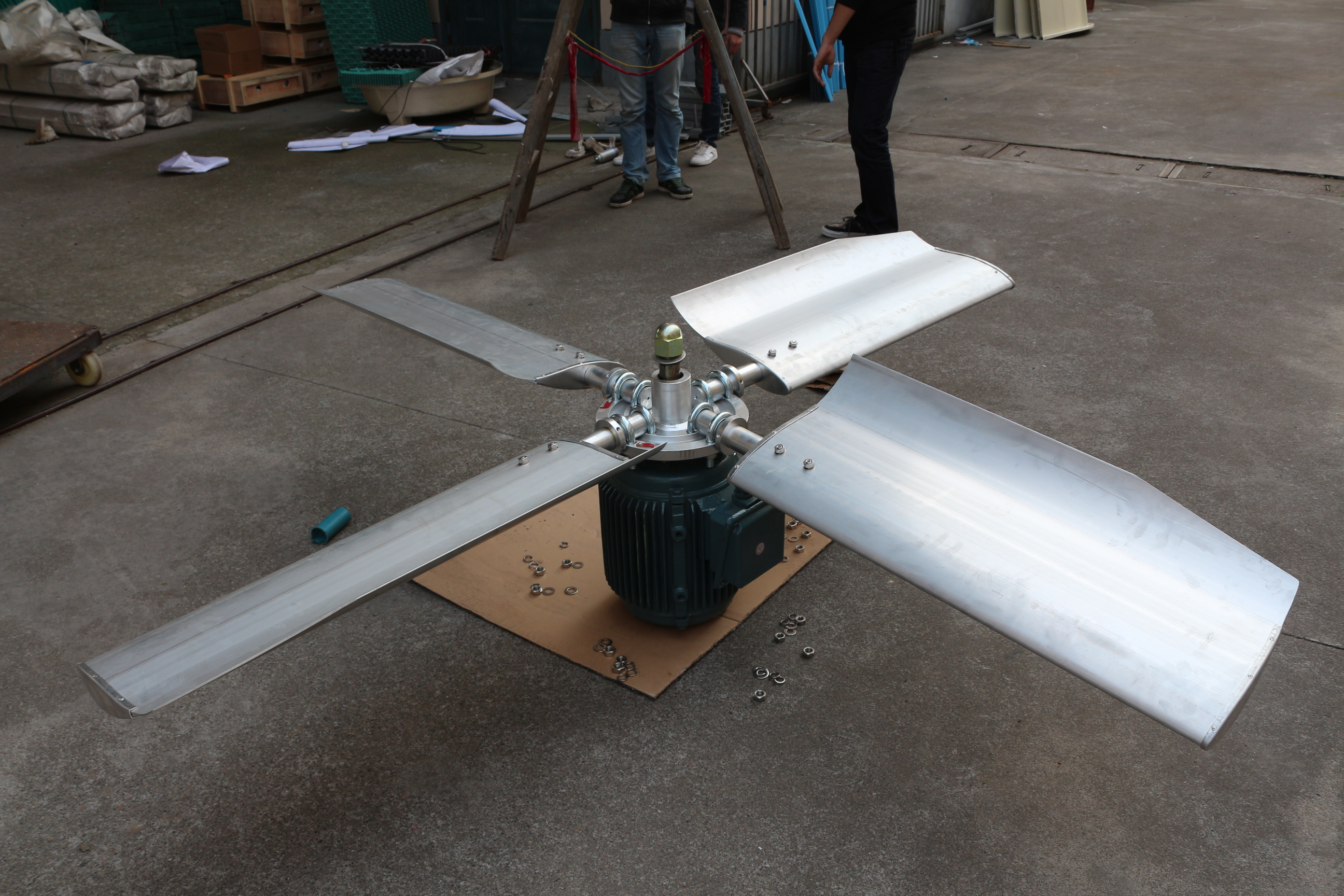
Industrial cooling tower fan maintenance is essential for maintaining reliable airflow, improving cooling efficiency, and preventing unexpected equipment failures. Cooling tower fans operate continuously in humid, corrosive, and demanding industrial environments. Without proper maintenance, fan blades, motors, gearboxes, bearings, and supporting structures can gradually deteriorate.
Common problems such as excessive vibration, damaged blades, unusual noise, reduced airflow, and high energy consumption can affect cooling tower performance and increase operating costs.
This guide explains the most common industrial cooling tower fan problems, their causes, practical solutions, and preventive maintenance recommendations for industrial operators and maintenance technicians.
1. Why Is Industrial Cooling Tower Fan Maintenance Important?
The primary function of an industrial cooling tower fan is to move air through the cooling tower, supporting evaporative heat transfer and reducing circulating water temperature.
Proper maintenance provides several benefits:
Maintains stable airflow and cooling performance.
Reduces fan vibration and mechanical stress.
Prevents unexpected equipment shutdowns.
Extends the service life of fan blades and drive components.
Reduces electricity consumption.
Improves workplace and equipment safety.
Regular inspections also help identify small problems before they develop into expensive mechanical failures.
2. Common Industrial Cooling Tower Fan Problems and Solutions
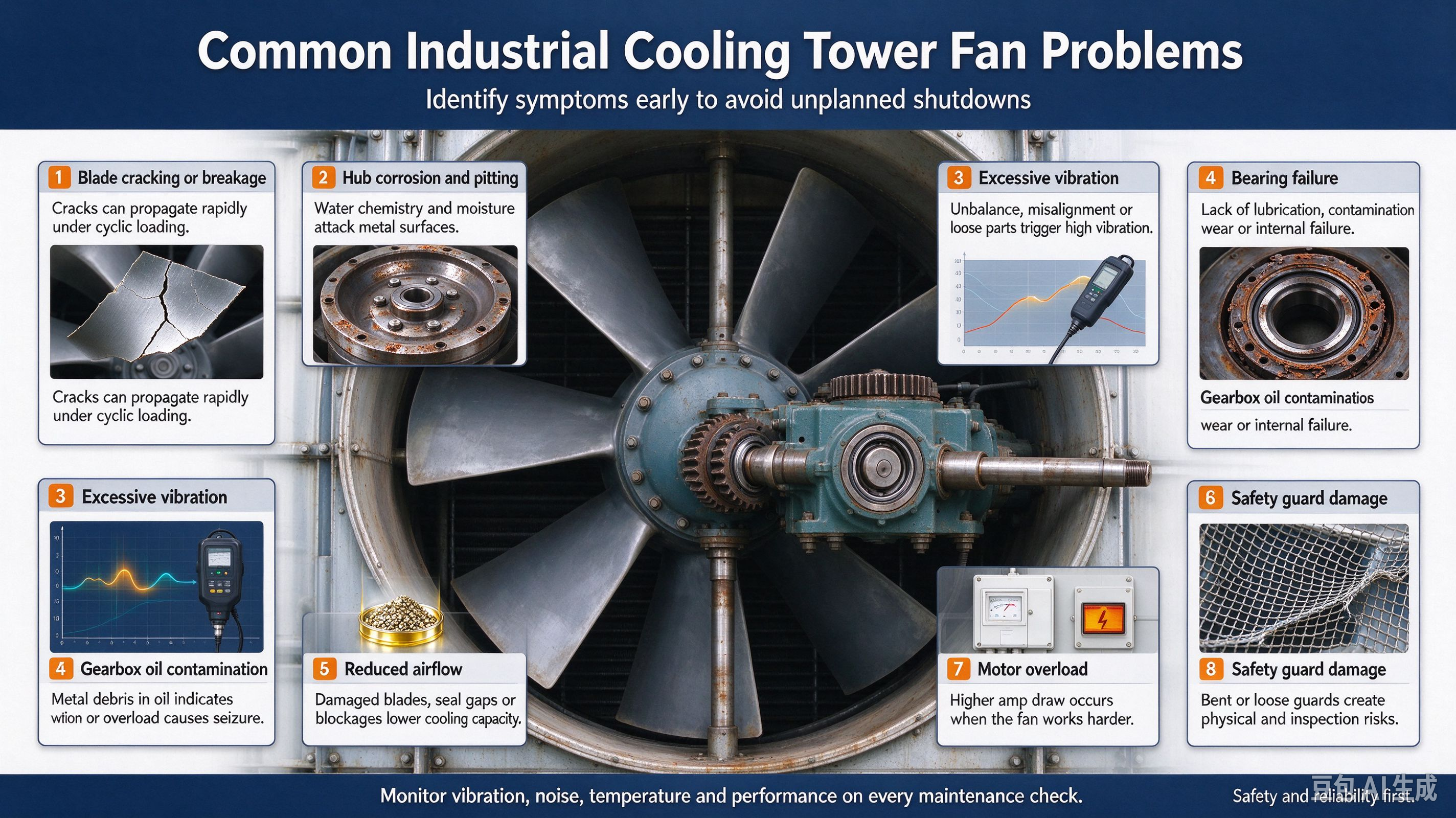
2.1 Excessive Fan Vibration
Excessive vibration is one of the most common cooling tower fan problems.
Possible causes:
Solutions:
Inspect the fan blades, hub, shaft, and mounting structure. Check blade pitch consistency and tighten fasteners according to manufacturer specifications. Perform fan balancing when necessary.
If vibration continues, investigate bearing condition, gearbox alignment, and structural integrity.
2.2 Cracked or Damaged Fan Blades
Cooling tower fan blades experience continuous aerodynamic and centrifugal loading. Over time, fatigue, corrosion, impact, and chemical exposure can cause cracks or deformation.
Possible causes:
Long-term material fatigue.
Excessive operating speed.
Chemical corrosion.
Improper installation.
Mechanical impact.
UV exposure and environmental deterioration.
Solutions:
Inspect blade surfaces and mounting areas regularly. Replace blades with structural cracks, severe deformation, or damage beyond manufacturer-approved repair limits.
FRP (Fiberglass Reinforced Plastic) cooling tower fan blades are widely used because they offer low weight, good mechanical strength, and corrosion resistance.
2.3 Reduced Airflow
Insufficient airflow can reduce heat transfer efficiency and increase cooling water outlet temperatures.
Possible causes:
Incorrect blade pitch.
Low fan rotational speed.
Blocked air inlet louvers.
Dirty fill media.
Damaged fan blades.
Incorrect fan-to-stack clearance.
Solutions:
Check fan speed, blade pitch, and airflow conditions. Clean blocked air passages and inspect the fill media and drift eliminators.
If the fan cannot deliver the required airflow after restrictions are eliminated, evaluate whether fan repair, adjustment, or replacement is necessary.
2.4 Unusual Noise During Operation
Grinding, rattling, or abnormal mechanical noise may indicate problems within the fan or drive system.
Possible causes:
Solutions:
Stop the equipment if noise indicates possible mechanical interference or component failure. Inspect bearings, fasteners, belts, gearbox components, and blade clearance.
Replace damaged components before returning the fan to normal operation.
2.5 High Motor Current and Energy Consumption
Higher-than-normal motor current may indicate excessive fan loading or mechanical resistance.
Possible causes:
Excessive blade pitch.
Incorrect fan speed.
Bearing friction.
Gearbox problems.
Motor deterioration.
Incorrect fan selection.
Solutions:
Measure motor current and compare it with the motor nameplate and operating specifications. Check blade pitch, fan speed, drive alignment, and mechanical resistance.
Adjustments should follow manufacturer recommendations to avoid motor overload.
2.6 Corrosion and Material Deterioration
Industrial cooling tower fans operate in environments with moisture, chemicals, and temperature fluctuations.
These conditions can damage fan blades and supporting components.
Possible causes:
Solutions:
Inspect blades, hubs, fasteners, and mounting structures for corrosion and deterioration. Apply suitable protective treatments where appropriate.
Replace components with severe corrosion, FRP delamination, or structural damage that compromises mechanical strength.
2.7 Belt and Gearbox Problems
The fan drive system transfers power from the motor to the fan. Problems with belts, pulleys, or gearboxes can reduce efficiency and cause unexpected shutdowns.
Possible causes:
Solutions:
Inspect belts for wear, cracks, and slippage. Check pulley alignment and tension according to manufacturer specifications.
For gearbox-driven fans, monitor lubricant condition, operating temperature, unusual noise, and vibration. Follow the gearbox manufacturer's lubrication and service schedule.
3. Industrial Cooling Tower Fan Preventive Maintenance Checklist
A preventive maintenance program helps reduce equipment failures and improve long-term reliability.
| Inspection Item | What to Check |
| Fan blades | Cracks, deformation, corrosion |
| Fan hub | Fasteners, mounting condition, damage |
| Blade pitch | Consistent angle and correct settings |
| Fan balance | Abnormal vibration |
| Motor | Current, temperature, noise |
| Bearings | Lubrication, wear, temperature |
| Gearbox | Oil level, leakage, noise |
| Belts and pulleys | Tension, alignment, wear |
| Fan stack | Cracks, deformation, clearance |
| Supporting structure | Corrosion, loose connections |
Inspection frequency should depend on operating conditions, equipment criticality, and manufacturer recommendations.
4. Recommended Cooling Tower Fan Maintenance Schedule
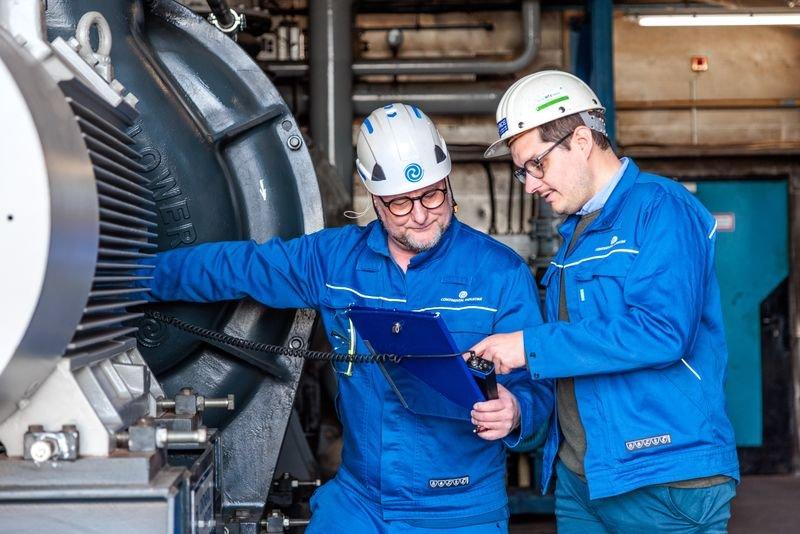
A practical maintenance schedule can help operators organize inspections.
| Frequency | Recommended Maintenance |
| Daily or routine operator checks | Listen for unusual noise and monitor operating conditions |
| Monthly | Inspect visible blade condition, fasteners, and vibration trends |
| Quarterly | Check blade pitch, belt condition, alignment, and motor performance |
| Semiannually | Inspect bearings, gearbox condition, fan stack, and supporting structure |
| Annually or during scheduled shutdowns | Perform comprehensive mechanical inspections and balancing checks as required |
Actual intervals should follow equipment manuals and site-specific maintenance plans. Always isolate electrical power and follow lockout/tagout (LOTO) procedures before physical inspection or maintenance.
5. How to Improve Industrial Cooling Tower Fan Performance
Besides routine maintenance, several improvements can help optimize fan operation.
5.1 Optimize Fan Blade Pitch
Correct blade pitch helps achieve the required airflow without placing excessive loads on the motor.
5.2 Upgrade to Efficient FRP Fan Blades
Modern FRP cooling tower fan blades combine lightweight construction with corrosion resistance. Properly engineered replacement blades may improve aerodynamic performance.
5.3 Maintain Correct Alignment
Check motor, gearbox, shaft, and fan alignment to minimize mechanical losses and vibration.
5.4 Keep Airflow Passages Clean
Remove debris and deposits from fill media, air inlet louvers, and drift eliminators.
5.5 Monitor Operating Data
Track airflow, motor current, vibration, rotational speed, and operating temperature. Comparing historical data helps identify developing problems.
5.6 Consider Variable Frequency Drive Control
VFD systems can adjust fan speed according to cooling demand, potentially reducing energy consumption during periods of lower heat load.
6. When Should You Repair or Replace an Industrial Cooling Tower Fan?
Not every cooling tower fan problem requires complete replacement.
| Problem | Recommended Action |
| Loose fasteners | Tighten and inspect |
| Incorrect blade pitch | Adjust according to specifications |
| Minor vibration | Investigate and correct the cause |
| Worn drive belts | Replace belts |
| Bearing deterioration | Repair or replace bearings |
| Cracked fan blades | Replace damaged blades |
| Severe hub damage | Replace hub or fan assembly |
| Severe corrosion or delamination | Replace affected components |
| Repeated mechanical failures | Evaluate complete fan replacement |
Replacement becomes more attractive when repair costs continue increasing, spare parts are unavailable, or the existing fan cannot meet required operating performance.
7. Choosing a Reliable Industrial Cooling Tower Fan Maintenance and Replacement Supplier
A professional supplier can help industrial operators maintain and upgrade cooling tower fan systems.
Before selecting a supplier, consider:
Experience in industrial cooling tower fan manufacturing.
Customized FRP and aluminum fan blade capabilities.
Fan hub and drive component compatibility.
Technical drawings and dimensional verification.
Balancing and quality inspection procedures.
Replacement and retrofit support.
Spare parts availability and delivery schedules.
CoolingTowerPart.com provides industrial cooling tower replacement components, including FRP fan blades and customized fan solutions. Buyers can submit original equipment drawings, fan dimensions, and operating parameters to discuss suitable replacement products.
8. Conclusion
Industrial cooling tower fan maintenance is essential for maintaining airflow, cooling efficiency, and mechanical reliability.
Excessive vibration, damaged fan blades, reduced airflow, unusual noise, high motor current, and gearbox problems are common issues that require timely attention.
By implementing preventive maintenance, monitoring operating conditions, and replacing severely damaged components, industrial operators can reduce downtime and extend cooling tower equipment service life.
A systematic maintenance program combined with properly selected replacement components helps ensure reliable industrial cooling tower operation.
Frequently Asked Questions (FAQ)
1. How often should industrial cooling tower fans be maintained?
Routine operating checks should be performed regularly, with more detailed inspections scheduled according to manufacturer recommendations and site operating conditions.
2. What causes excessive cooling tower fan vibration?
Common causes include fan imbalance, unequal blade pitch, loose fasteners, shaft misalignment, damaged bearings, and gearbox problems.
3. How do I know if cooling tower fan blades need replacement?
Visible cracks, severe deformation, structural delamination, and damage beyond approved repair limits are important replacement indicators.
4. Can cooling tower fan maintenance reduce energy consumption?
Yes. Correct blade pitch, clean airflow passages, proper alignment, and efficient drive components can help reduce unnecessary power consumption.
5. Are FRP cooling tower fan blades suitable for industrial applications?
Yes. FRP blades are widely used in industrial cooling towers because of their low weight, corrosion resistance, and good mechanical properties.
6. What is the most important part of cooling tower fan maintenance?
There is no single maintenance task that covers every risk. Regular inspection of blades, hub connections, vibration, drive components, and motor operating conditions is essential for safe and reliable operation.
Recommended internal links for CoolingTowerPart.com:


