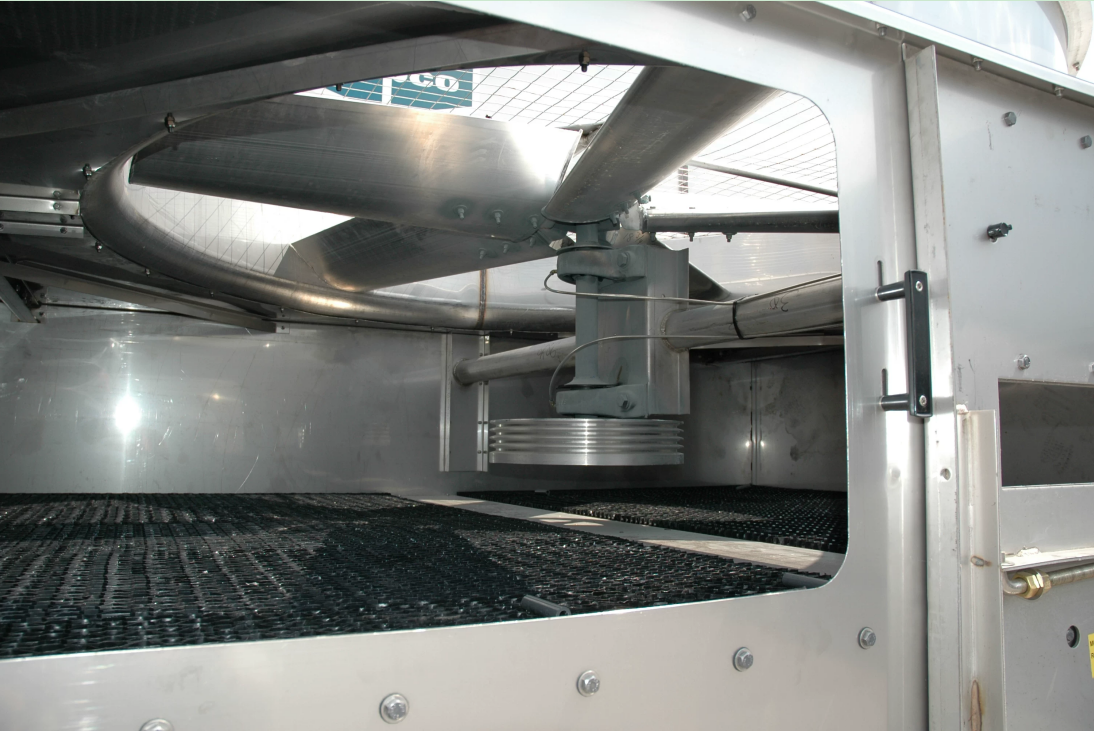
EVAPCO cooling towers operate in demanding industrial environments where fan systems must run reliably for extended periods. The fan bearing is an important component because it supports the rotating shaft, maintains alignment, and helps the fan operate smoothly.
Over time, continuous operation, moisture, vibration, inadequate lubrication, and contamination can cause bearing deterioration. When bearing problems develop, timely EVAPCO cooling tower fan bearing replacement can prevent additional damage to the fan shaft, drive system, and other mechanical components.
This guide explains common bearing problems, warning signs, replacement procedures, and how to select suitable replacement bearings for EVAPCO cooling towers.
EVAPCO Cooling Tower Fan Bearing Replacement: Complete Maintenance and Replacement Guide
1. What Is an EVAPCO Cooling Tower Fan Bearing?
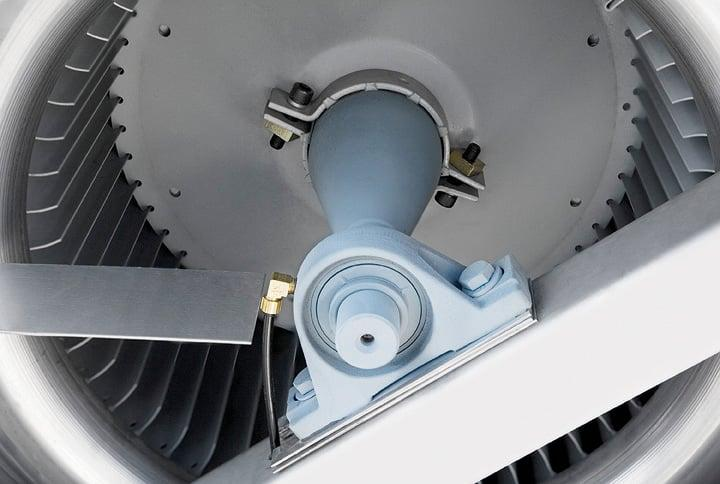
A cooling tower fan bearing supports the rotating fan shaft and allows it to rotate with minimal friction. It also helps maintain the correct shaft position under operating loads.
Depending on the cooling tower model and drive arrangement, the bearing system may include:
Bearing housing
Rolling bearing elements
Inner and outer bearing races
Seals and lubrication fittings
Mounting bolts
Shaft connection components
In EVAPCO cooling towers, bearing configurations and specifications vary by model, fan diameter, shaft arrangement, and mechanical drive design. Always check the equipment nameplate, original parts documentation, and maintenance manual before ordering replacement components.
2. Common Signs That EVAPCO Fan Bearings Need Replacement
Recognizing early bearing problems helps reduce unexpected downtime and expensive repairs.
2.1 Unusual Noise
Grinding, squealing, clicking, or rumbling sounds may indicate bearing wear, inadequate lubrication, or internal damage.
2.2 Excessive Vibration
Worn bearings can cause abnormal fan shaft movement and increased vibration. However, vibration may also result from fan imbalance, misalignment, or loose mounting hardware.
2.3 Bearing Overheating
Excessive bearing temperature can result from insufficient lubrication, over-lubrication, excessive loading, contamination, or incorrect installation.
2.4 Grease Leakage or Contamination
Damaged seals may allow moisture, dust, and other contaminants to enter the bearing housing. Discolored or contaminated grease is another warning sign.
2.5 Shaft Movement or Bearing Clearance
Abnormal radial or axial movement may indicate bearing wear or mounting problems. Measurements should be compared with the manufacturer's specifications.
3. Why Do EVAPCO Cooling Tower Fan Bearings Fail?
Several operating and maintenance conditions can shorten bearing service life.
Cause | Possible result |
Insufficient lubrication | Increased friction and wear |
Excessive lubrication | Heat generation and seal damage |
Moisture and contamination | Corrosion and surface damage |
Shaft misalignment | Uneven bearing loading |
Excessive vibration | Accelerated fatigue |
Improper installation | Premature bearing failure |
Continuous heavy loading | Reduced service life |
Cooling towers are particularly challenging environments because bearings may be exposed to humidity, water spray, temperature changes, and airborne contaminants.
4. EVAPCO Cooling Tower Fan Bearing Replacement Procedure
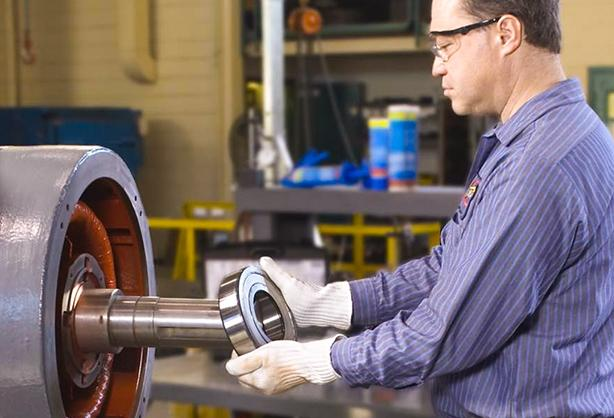
Replacing a cooling tower fan bearing requires mechanical experience and proper safety procedures. The exact process depends on the EVAPCO model and bearing arrangement.
Step 1: Shut Down and Isolate the Equipment
Stop the cooling tower fan.
Disconnect and lock out the electrical power supply.
Apply appropriate lockout/tagout procedures.
Verify that the fan has completely stopped.
Follow site safety requirements before accessing the mechanical section.
Never attempt bearing replacement while the fan is operating.
Step 2: Inspect the Existing Bearing Assembly
Remove protective covers where required and inspect the bearing housing, seals, shaft, mounting bolts, and lubrication system.
Record the bearing identification number, dimensions, and mounting arrangement before disassembly.
Step 3: Remove the Damaged Bearing
Release the relevant shaft and mounting connections according to the equipment design. Use appropriate bearing pullers or removal tools.
Avoid hammering directly on the shaft or bearing races, as this can damage the equipment.
Step 4: Inspect the Fan Shaft and Housing
Before installing a new bearing, inspect:
Replace damaged supporting components when necessary.
Step 5: Install the Replacement Bearing
Install the replacement bearing using the manufacturer's recommended mounting method.
Check the correct bearing orientation, shaft fit, alignment, locking arrangement, and specified fastener torque. Apply the correct lubricant and quantity according to the bearing documentation.
Step 6: Check Alignment and Rotation
After installation, verify that the shaft is correctly aligned and rotates freely. Check clearances, mounting security, and other related drive components.
Step 7: Conduct a Test Run
Remove tools and temporary equipment, reinstall guards, and ensure all personnel are clear.
Restart the cooling tower according to the approved commissioning procedure. Monitor bearing temperature, vibration, noise, and fan operation.
5. How to Choose the Right EVAPCO Replacement Fan Bearing
Selecting the correct replacement bearing is essential for reliable operation.
Consider the following factors:
1. Bearing dimensions: Confirm the bore diameter, outside diameter, and bearing width.
2. Load capacity: Select a bearing suitable for the radial and axial loads generated by the fan system.
3. Operating speed: Verify that the bearing is suitable for the fan shaft's operating speed.
4. Environmental protection: Consider moisture resistance, sealing arrangements, and corrosion protection.
5. Lubrication requirements: Confirm the correct grease type, lubrication interval, and operating temperature range.
6. Compatibility: Check the EVAPCO cooling tower model, original part number, shaft arrangement, and mounting configuration.
A bearing that looks similar to the original component is not necessarily a suitable replacement.
6. How to Extend Cooling Tower Fan Bearing Service Life
Regular maintenance can significantly reduce premature bearing failure.
Inspect bearings periodically for abnormal noise and vibration.
Follow the recommended lubrication schedule.
Avoid excessive grease application.
Check shaft and motor alignment.
Inspect bearing seals for water and dust contamination.
Monitor operating temperatures.
Check mounting bolts and supporting structures.
Keep maintenance and operating records.
A preventive maintenance program helps identify problems before they cause major mechanical failures.
7. Where to Buy EVAPCO Cooling Tower Fan Replacement Bearings?
When purchasing replacement bearings, industrial buyers should consider more than the initial price.
Important purchasing considerations include:
Verified bearing dimensions and specifications
Compatibility with the existing EVAPCO fan assembly
Material and sealing quality
Manufacturing and inspection standards
Delivery lead time
Technical support and replacement guidance
For older cooling towers or discontinued components, a qualified aftermarket supplier may be able to provide compatible replacement bearings based on original part numbers, drawings, or physical samples.
CoolingTowerPart.com supplies industrial cooling tower replacement components and can assist buyers with identifying suitable aftermarket replacement parts. Contact the supplier with your cooling tower model, bearing identification, dimensions, and photographs to confirm compatibility before ordering.
8. Frequently Asked Questions
Q1: How often should EVAPCO cooling tower fan bearings be replaced?
There is no universal replacement interval. Service life depends on operating conditions, lubrication, bearing design, and maintenance. Replace bearings when inspection indicates unacceptable wear or damage.
Q2: Can I replace an EVAPCO fan bearing with an aftermarket bearing?
Yes, provided the replacement meets the required dimensions, load ratings, speed, sealing, lubrication, and mounting specifications.
Q3: What causes cooling tower fan bearings to overheat?
Common causes include insufficient or excessive lubrication, contamination, misalignment, excessive loading, and incorrect installation.
Q4: Can a damaged bearing affect cooling tower performance?
Yes. Bearing deterioration can increase vibration, affect fan operation, damage related mechanical components, and eventually cause unplanned shutdowns.
Q5: What information is needed to order a replacement bearing?
Provide the cooling tower model, original bearing number, dimensions, shaft specifications, and photographs of the existing bearing assembly whenever available.
Conclusion
EVAPCO cooling tower fan bearing replacement is an important maintenance task that helps protect fan shaft assemblies, improve mechanical reliability, and reduce unexpected downtime.
Correct bearing identification, professional installation, proper lubrication, and regular inspection are essential for long-term performance. Whether replacing a worn bearing or sourcing an aftermarket component, always verify compatibility with the original equipment specifications before installation.
Recommended internal links for CoolingTowerPart.com:


