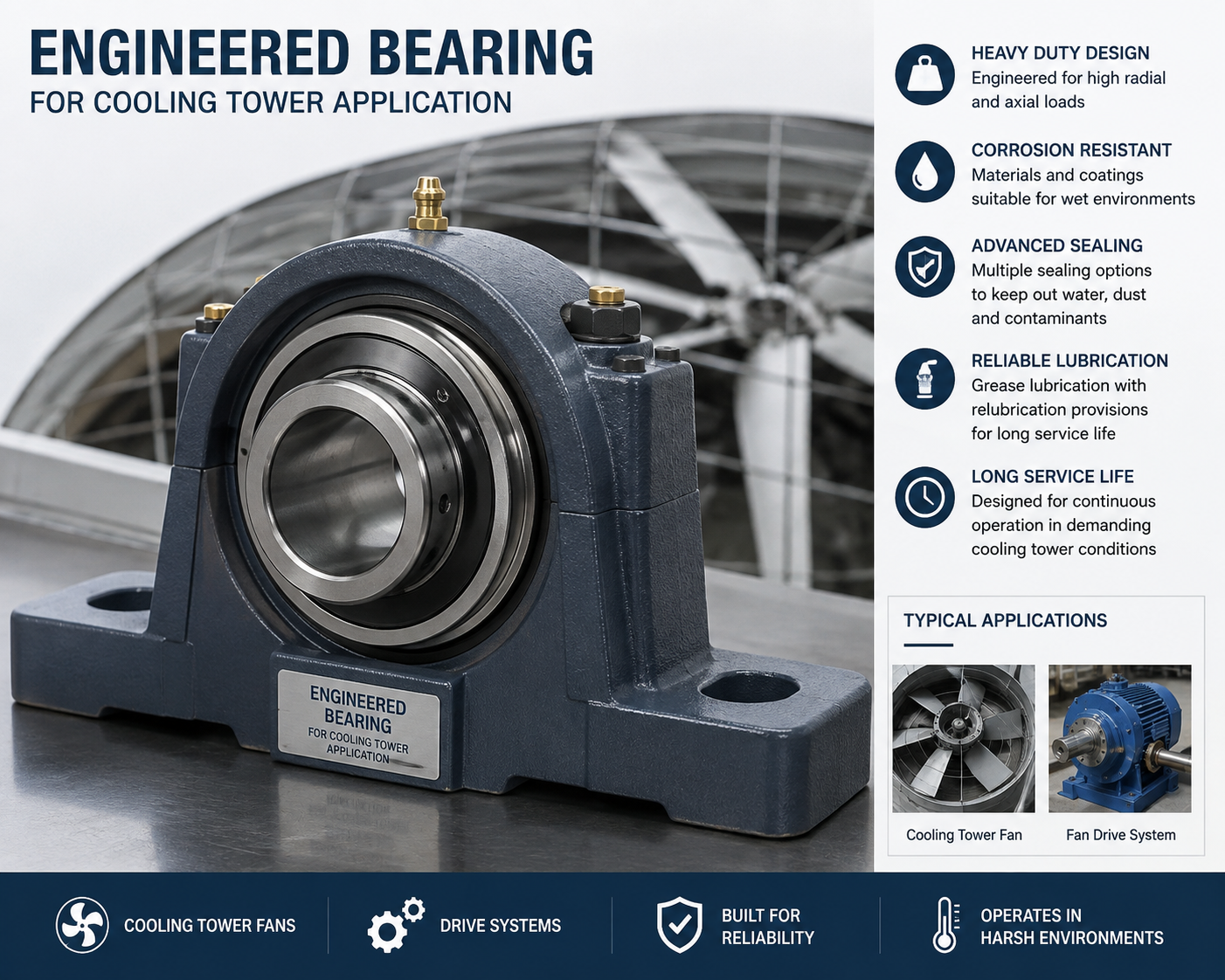
Engineered Bearing for Cooling Tower Applications
An engineered bearing for cooling tower applications is a specially selected or customized bearing solution designed to withstand the demanding operating conditions of industrial cooling towers. Unlike standard bearings selected only by bore size and load rating, engineered cooling tower bearings are matched to the complete operating environment, including fan speed, shaft load, moisture exposure, vibration, temperature, lubrication, alignment, and continuous-duty requirements.
Cooling tower fan systems operate in environments where water, humidity, chemicals, vibration, and temperature fluctuations can accelerate mechanical wear. A properly engineered bearing solution helps provide reliable shaft support, smooth fan rotation, reduced vibration, and longer service life.
Our engineered bearing solutions are suitable for cooling tower fan shafts, fan drive assemblies, gearbox-driven fans, belt-driven fans, and other rotating equipment used in industrial and HVAC cooling towers.
What Is an Engineered Cooling Tower Bearing?
An engineered bearing is a bearing assembly designed around the actual requirements of a specific machine rather than relying solely on a standard catalog specification.
For cooling tower applications, engineering considerations may include:
Fan shaft diameter
Fan diameter and weight
Operating RPM
Radial and axial loads
Shaft arrangement
Bearing spacing
Environmental exposure
Lubrication method
Required service life
Shaft deflection
Vibration levels
Mounting arrangement
Corrosion resistance
Maintenance requirements
This approach makes engineered bearings particularly useful for large industrial cooling towers, replacement projects, difficult operating conditions, and equipment requiring improved reliability.
Engineered Bearing for Cooling Tower Fan Shaft
The cooling tower fan shaft transfers mechanical power from the motor or speed reducer to the fan assembly. Bearings support this rotating shaft and help maintain its position during operation.
In large cooling tower systems, the bearing must work reliably despite continuous fan rotation and environmental exposure.
An engineered fan shaft bearing can be configured to address:
Correct bearing selection is therefore an important part of cooling tower drive-system engineering.
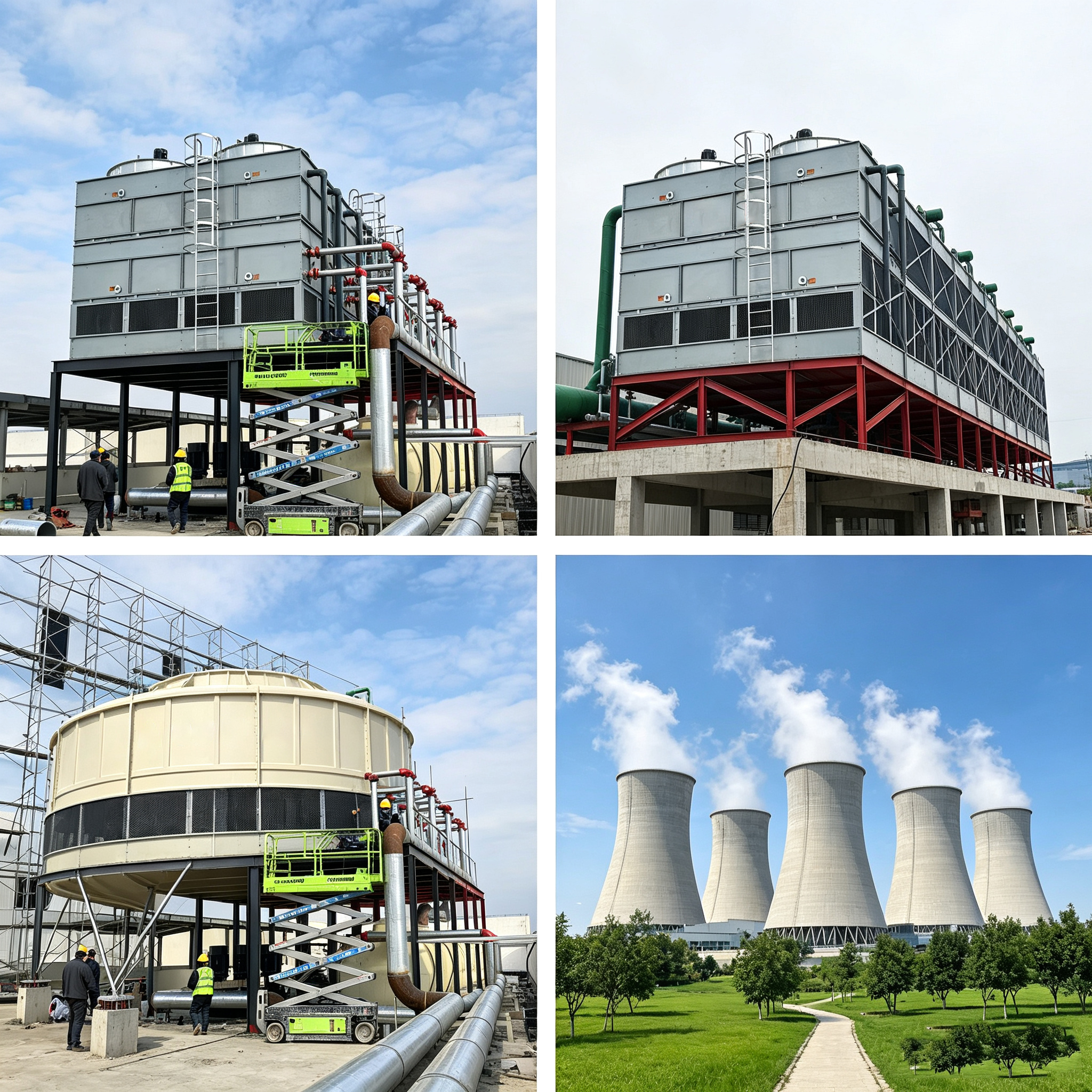
Applications
Industrial Cooling Towers
Engineered bearings are suitable for cooling towers used in power generation, chemical processing, petrochemical plants, steel mills, manufacturing facilities, and other process industries.
HVAC Cooling Towers
Commercial HVAC cooling towers can use engineered bearing solutions for large fan assemblies where reliability and long service intervals are important.
Induced Draft Cooling Towers
For induced-draft towers, engineered bearings can support fan shafts associated with top-mounted axial fans.
Forced Draft Cooling Towers
Engineered bearing assemblies can also be configured for forced-draft fan drive systems.
Crossflow Cooling Towers
Crossflow cooling towers may require specialized bearing configurations depending on fan shaft design, drive arrangement, and tower size.
Counterflow Cooling Towers
Counterflow tower fan assemblies can use engineered bearings designed around the specific fan and drive arrangement.
Key Features
Heavy-Duty Construction
Engineered bearing assemblies can be designed for demanding industrial applications where continuous operation and high mechanical loads are expected.
Moisture Protection
Cooling tower bearings operate in wet environments. Appropriate seals, shields, coatings, housing materials, and lubrication systems can be selected to reduce the effects of moisture and contamination.
High Load Capacity
Bearing selection is based on the actual operating loads of the cooling tower fan and shaft rather than simply matching a nominal shaft diameter.
Improved Alignment
The bearing arrangement can be engineered around shaft geometry and mounting conditions to help maintain proper shaft alignment.
Long Service Life
Proper load calculation, lubrication, sealing, and installation can help extend bearing operating life and reduce unplanned maintenance.
OEM Replacement Compatibility
Engineered bearings can be developed for replacement of existing cooling tower bearing assemblies when original components are obsolete, unavailable, or expensive.
Technical Specifications
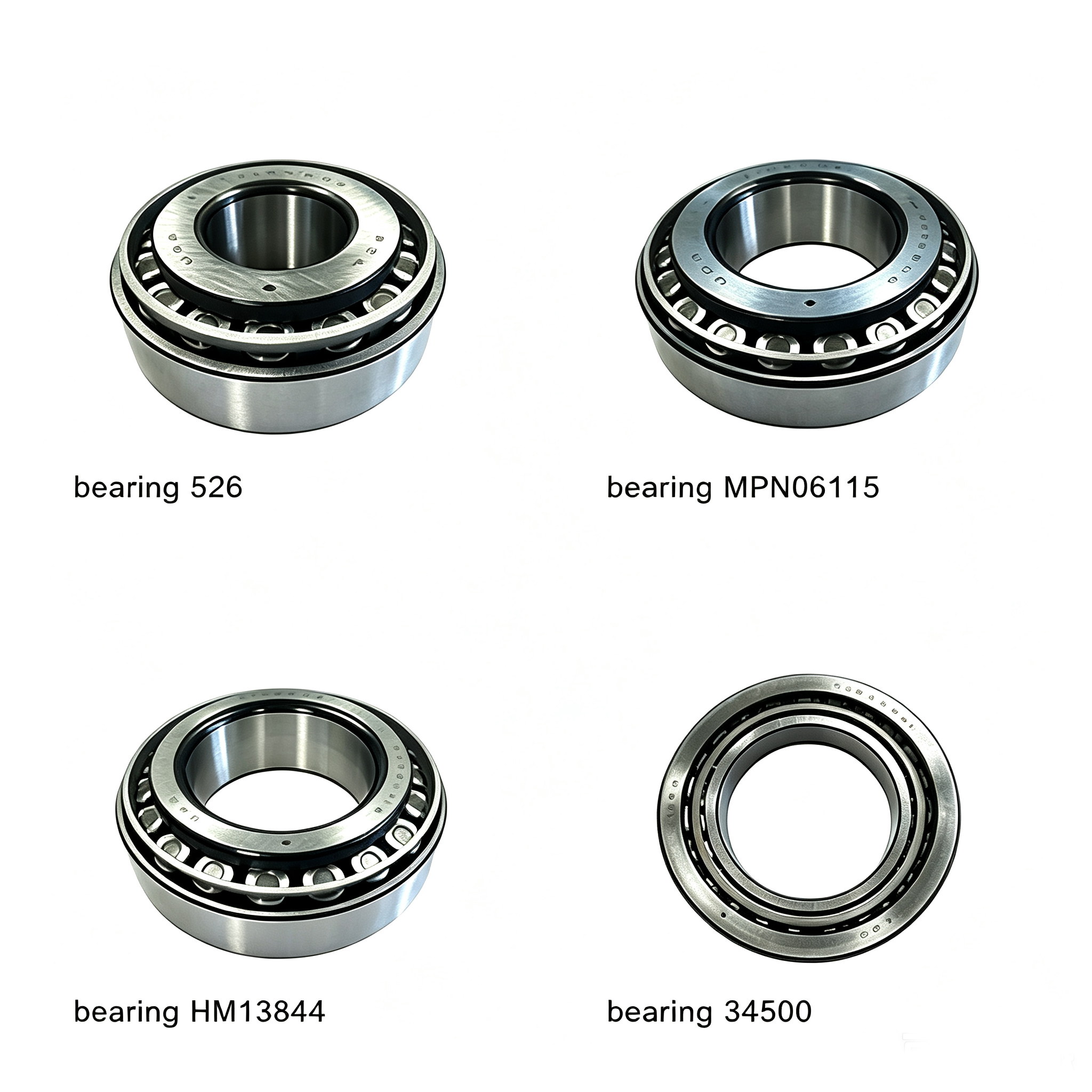
Final bearing specifications should be confirmed from the actual cooling tower design, existing bearing, shaft dimensions, operating speed, and load conditions.
Why Use an Engineered Bearing Instead of a Standard Bearing?
A standard bearing may work well in general industrial equipment, but cooling tower applications can present additional challenges.
Harsh Operating Environment
Water and humidity can enter the bearing area and accelerate corrosion or lubricant deterioration.
Continuous Fan Operation
Cooling tower fans may operate for extended periods, creating significant cumulative bearing operating hours.
Large Rotating Equipment
Large axial fans can generate substantial radial loads and vibration.
Alignment Requirements
Long fan shafts can be sensitive to alignment and shaft deflection. Incorrect bearing positioning may create additional loading.
Equipment-Specific Requirements
Different cooling tower manufacturers and models use different shaft, bearing, housing, and drive configurations.
An engineered solution allows these factors to be considered together.
Bearing Selection Process
Selecting an engineered cooling tower bearing should begin with collecting accurate equipment data.
Step 1: Identify the Cooling Tower
Provide the cooling tower manufacturer, model, type, and application whenever available.
Step 2: Measure the Shaft
Important dimensions include:
Step 3: Determine Operating Speed
The bearing must be suitable for the fan's actual operating RPM.
Step 4: Calculate Loads
Engineering evaluation may consider fan weight, shaft weight, drive forces, belt tension, coupling loads, and other operating forces.
Step 5: Evaluate the Environment
Determine exposure to water, humidity, chemicals, dust, temperature fluctuations, and other contaminants.
Step 6: Select Sealing and Lubrication
The sealing and lubrication arrangement should match the actual cooling tower environment and maintenance program.
Step 7: Confirm Installation
Housing design, mounting method, shaft alignment, and bearing spacing should be verified before final selection.
Engineered Bearing for Cooling Tower Fan Drive
Cooling tower fan drive systems may include:
Motor → Gearbox or Drive → Shaft → Bearing → Fan Hub → Fan Blades
In some systems, the drive may use:
Motor → Sheave → V-Belt → Fan Shaft → Bearing → Fan
The bearing must work correctly with the entire drive system. For this reason, replacing a bearing should not be treated as an isolated component selection.
Changes in belt tension, shaft alignment, fan balance, or gearbox position can affect bearing loading and service life.
Cooling Tower Bearing Materials and Protection
Material selection depends on the operating environment and required service life.
Possible engineering considerations include:
Cast iron bearing housings
Steel components
Stainless steel components where appropriate
Corrosion-resistant coatings
Protective seals
High-quality bearing grease
Environmental shielding
Application-specific surface treatments
The correct combination depends on the cooling tower's water chemistry, exposure level, operating conditions, and maintenance requirements.
Common Cooling Tower Bearing Problems
Bearing Corrosion
Moisture penetration can cause corrosion of rolling elements, races, or other components.
Lubrication Failure
Insufficient, excessive, or unsuitable grease can result in overheating and accelerated wear.
Misalignment
Misalignment can increase bearing loading and generate excessive vibration.
Fan Imbalance
An unbalanced fan can transmit continuous vibration through the shaft and bearing system.
Excessive Belt Tension
In belt-driven systems, excessive belt tension can increase radial bearing loads.
Shaft Wear
A damaged or worn shaft seating surface can prevent correct bearing installation and alignment.
Signs That an Engineered Bearing May Be Required
An engineered solution may be appropriate when:
Standard replacement bearings fail repeatedly.
The original bearing is obsolete.
OEM replacement parts are difficult to obtain.
The cooling tower has been modified.
Operating conditions have changed.
Existing bearings experience excessive vibration.
The fan shaft has unusual dimensions.
A custom housing or mounting arrangement is required.
The cooling tower operates in an especially corrosive environment.
Longer bearing service life is required.
Cooling Tower Bearing Replacement
When replacing an existing cooling tower bearing, the objective should not simply be to find a bearing that physically fits the shaft.
The replacement should also be evaluated for:
Dynamic load rating
Static load rating
Operating speed
Shaft tolerance
Housing strength
Sealing
Lubrication
Alignment
Environmental protection
Expected operating life
Where the original bearing information is unavailable, measurements and photographs can help identify an appropriate replacement.
Information Required for Bearing Engineering
For accurate selection or customization, customers can provide:
Cooling tower manufacturer
Cooling tower model
Fan diameter
Fan speed
Motor power
Gearbox or drive type
Fan shaft diameter
Existing bearing model
Bearing housing dimensions
Shaft drawing, if available
Photos of the existing assembly
Operating environment
Existing bearing failure symptoms
These details allow the bearing solution to be evaluated against the actual cooling tower operating conditions.
Engineered Bearing for Marley, BAC and EVAPCO Cooling Towers
Engineered and replacement bearing solutions can be developed for various cooling tower configurations, including equipment associated with major cooling tower brands such as Marley, BAC, and EVAPCO, subject to dimensional and application verification.
For replacement projects, the original bearing part number, equipment model, shaft dimensions, or clear photographs can be used as starting information.
The objective is to provide a bearing assembly that fits the existing mechanical arrangement while meeting the required operating conditions.
Maintenance Recommendations
Regular inspection can help identify bearing problems before they cause a major cooling tower shutdown.
Recommended inspection points include:
Bearing temperature
Bearing noise
Fan vibration
Lubrication condition
Housing condition
Shaft condition
Mounting bolts
Shaft alignment
Seal condition
Fan balance
Any significant change from normal operating conditions should be investigated.
FAQ
What is an engineered bearing for a cooling tower?
It is a bearing solution designed or selected according to the specific mechanical and environmental requirements of a cooling tower fan or drive system.
Why do cooling towers need special bearing solutions?
Cooling towers combine continuous rotating equipment with moisture, humidity, vibration, and potentially corrosive environments. These conditions can require bearing configurations beyond a basic standard bearing.
Can an engineered bearing replace an OEM cooling tower bearing?
In many cases, an engineered replacement can be developed to match the original bearing's dimensions, load requirements, mounting arrangement, and operating conditions. Technical verification is required before replacement.
Can you provide custom cooling tower bearings?
Custom or application-specific bearing assemblies can be considered based on shaft dimensions, load, speed, housing requirements, sealing, lubrication, and operating environment.
What information is needed to select a cooling tower bearing?
The most useful information includes the existing bearing number, shaft diameter, cooling tower model, fan RPM, fan diameter, bearing housing dimensions, and photographs or drawings.
How can I extend cooling tower bearing life?
Correct alignment, appropriate lubrication, effective sealing, proper fan balancing, suitable belt tension, regular vibration monitoring, and timely maintenance can all contribute to longer bearing life.
Suggested Internal Links
For a cooling tower parts website, this page can be internally linked to:
Conclusion
An engineered bearing for cooling tower applications provides a more application-specific approach to supporting cooling tower fan shafts and drive systems. By considering load, speed, shaft geometry, alignment, sealing, lubrication, vibration, and environmental conditions together, an engineered bearing solution can improve mechanical reliability and help reduce unexpected cooling tower downtime.
For OEM replacement, aftermarket maintenance, or custom cooling tower projects, provide the existing bearing number, shaft dimensions, cooling tower model, fan speed, and photographs or drawings to determine the appropriate engineered bearing configuration.


