Industrial Cooling Tower Fan Blade Repair Vs. Replacement: Which Is Better?
Views: 0 Author: Lisa Publish Time: 2026-11-24 Origin: Site
Industrial Cooling Tower Fan Blade Repair vs. Replacement: Which Is Better?
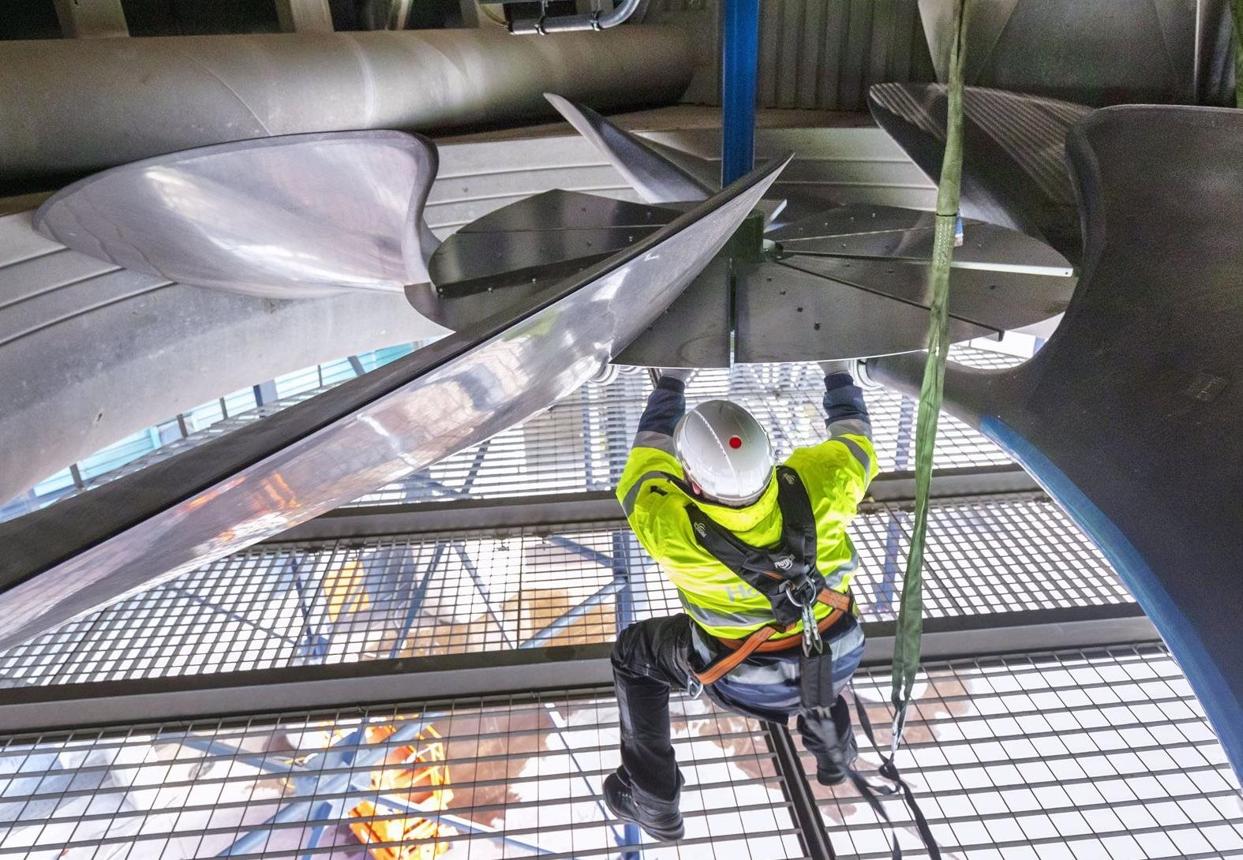
When cooling tower fan blades show erosion, cracks or delamination, maintenance teams face a critical decision: repair the existing blades or replace the full matched set. The right choice depends on damage type, structural safety, repair cost, downtime limits, operating environment and long-term reliability. FRP, aluminum and stainless steel axial blades for Marley, BAC, Evapco and custom industrial towers each have different repair limits. Making the wrong choice can lead to recurring vibration, unexpected blade failure and costly emergency shutdowns for power plants, chemical facilities, data centers and manufacturing sites.
When Repair Is the Right Choice
Repair is economical and safe only for localized, non-structural damage where the main laminate and blade root remain strong.
Shallow surface scratches, minor gel coat loss and light leading-edge erosion without exposed fiber
Small, isolated delamination away from the blade root and load-bearing zones
Minor surface fouling or scaling that can be cleaned and recoated
The blade’s airfoil shape, root thickness and structural strength are fully intact
Replacement blades have long lead times, and you need a temporary reliable fix during a planned outage
Repair cost is less than 50% of a new matched blade set
FRP repair overview: Technicians sand and clean the damaged zone, apply matching resin and fiberglass cloth reinforcement, reshape the airfoil profile, add UV-resistant gel coat, then cure, balance and test.Limitations: Repair cannot restore the original factory fatigue life. Repaired blades need more frequent vibration and visual inspection. Metal blades with pitting corrosion are rarely good candidates for repair.
When Full-Set Replacement Is the Better Option
Replacement is mandatory for any defect that compromises structural integrity. Even if one blade is badly damaged, you must replace the entire set instead of mixing new and old blades.
Root cracks, through-thickness cracks, large-area delamination or separated fiber layers
Permanent bending, twisting, impact deformation or missing sections of the blade
Widespread corrosion, deep pitting or heavy erosion that changes the airfoil shape
Hidden trapped water inside hollow FRP blades that causes repeated imbalance
The blade has reached the end of its service life (aged, brittle, chalky FRP from UV exposure)
The blade fails repeatedly after approved repairs, with vibration returning quickly after balancing
You want an upgrade: switch from aluminum to corrosion-resistant vinyl ester FRP, or low-noise serrated blades
Repair cost exceeds half the price of a new matched blade set
Key safety note: A cracked FRP blade can shatter suddenly during operation. Running a structurally compromised blade is a major hazard to personnel and the rest of the cooling tower assembly.
Side-by-Side Comparison: Repair vs Replacement
Factor
Blade Repair
Full Set Replacement
Upfront Cost
Lower
Higher
Downtime
Usually shorter, can often be done on-site
Longer, includes measurement, ordering, delivery and installation
Service Life Extension
Partial, limited; requires extra monitoring
Full factory service life, predictable performance
Aerodynamic Consistency
Depends on technician skill; hard to perfectly match original airfoil
LOTO lockout and fully inspect every blade, not just the one with visible damage.
Confirm whether cracks are surface-only or run through the laminate.
Check the blade root and hub mounting area — damage here is almost always non-repairable.
Calculate total cost: include repair labor, materials, post-repair balancing and future inspection hours.
Check supplier lead time for new blades if downtime is tightly restricted.
Evaluate the site environment: coastal salt, chlorine or chemical vapors accelerate repair degradation.
Confirm the repair procedure is approved by the blade manufacturer or composite engineering standard.
Common Mistakes to Avoid
❌ Repairing blade root cracks or through-thickness cracks to save money
❌ Repairing one blade and leaving the rest of the old, worn set in service
❌ Skipping dynamic balancing after FRP repair
❌ Expecting a repair to deliver the same fatigue life as a brand-new blade
❌ Using mismatched resin for FRP patch work, which causes poor bonding and early failure
❌ Delaying replacement on critical 24/7 towers just because vibration is still mild
Frequently Asked Questions
Q: Can I repair only one damaged blade and keep using the rest?
A: Not recommended. Even after repair, the repaired blade will have different weight and aerodynamic properties. Mixing repaired blades with aged blades creates persistent imbalance.
Q: How long does a properly repaired FRP fan blade last?
A: Typically 1–3 years, depending on operating conditions. Repairs are a temporary fix, not a permanent solution.
Q: Is replacement always safer than repair?
A: Yes, for structural damage. Properly manufactured new blades come with original design safety factors and predictable fatigue performance.
Q: What if replacement blades have a long lead time?
A: A qualified FRP repair can serve as a temporary solution, with strict monthly vibration and visual checks until new blades arrive.
Conclusion
For minor surface erosion, small isolated delamination and intact blade roots, professional FRP repair is a cost-effective short-term option. For structural cracks, widespread delamination, permanent deformation, heavy corrosion or repeated imbalance, full-set replacement is the safer, more reliable long-term choice. Always weigh upfront cost, downtime, safety risk and ongoing maintenance expense before making your final decision. For Marley, BAC, Evapco and custom cooling tower fans, matched replacement blades eliminate the hidden risks of compromised, repaired components.
Recommended internal links for CoolingTowerPart.com: