Cooling Tower Fills Supplier: A Complete Guide
Choosing the right cooling tower fills supplier is essential for maintaining efficient heat transfer, stable water distribution, and long-term cooling tower performance. Although cooling tower fill may appear to be a simple component, its material, design, surface area, thickness, and installation quality can significantly affect cooling efficiency.
A reliable supplier can provide more than standard cooling tower fills. The right supplier should understand your tower design, operating conditions, water quality, temperature range, and replacement requirements.
This guide explains how to select a professional cooling tower fills supplier and how to choose the right fill for different industrial applications.
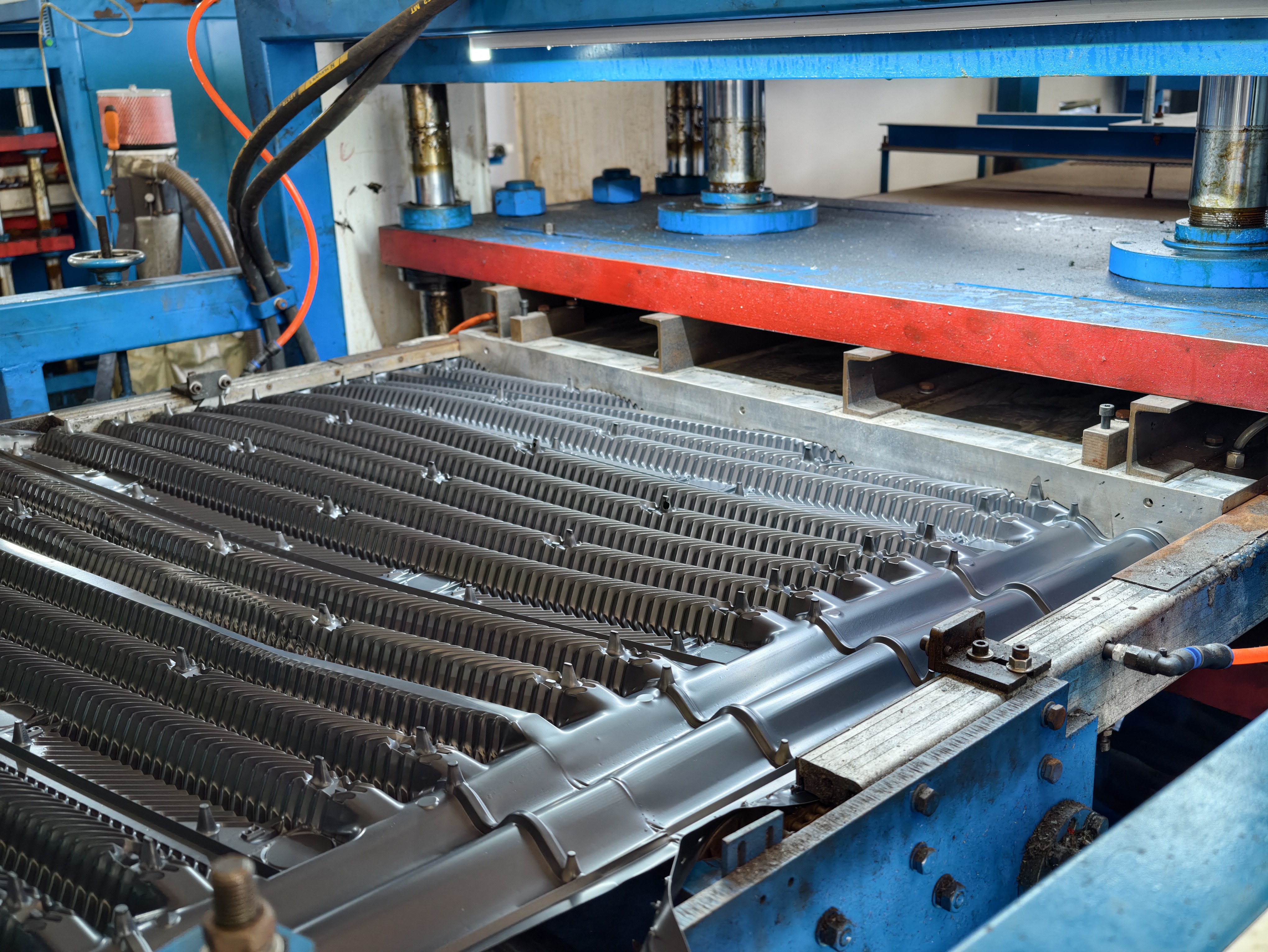
What Are Cooling Tower Fills?
Cooling tower fills are heat transfer components installed inside a cooling tower. Their primary purpose is to increase the contact area between circulating water and air.
As hot water flows over or through the fill, it spreads into thin films or droplets. Air passes across the water, allowing a portion of the water to evaporate. This evaporation removes heat from the circulating water.
Why Cooling Tower Fill Matters
The performance of cooling tower fills directly affects several important operating factors:
A properly selected cooling tower filler can improve heat transfer without requiring major changes to the tower structure.
Cooling Tower Fill Is More Than a Plastic Sheet
Modern cooling tower fills are engineered products rather than simple plastic sheets. Their geometry controls how water spreads, how long it remains inside the fill pack, and how effectively air contacts the water.
Key Design Parameters
Important fill characteristics include:
These parameters should be evaluated together instead of selecting a fill based only on price.
Types of Cooling Tower Fills
A professional cooling tower fills supplier normally offers different fill designs for different operating environments.
Film Fill
Film fill is widely used in modern counterflow and crossflow cooling towers.
Water flows over specially shaped sheets and forms a thin film. The large contact area between water and air enables efficient heat transfer.
Advantages of Film Fill
High specific surface area
Excellent heat transfer
Compact fill volume
Suitable for many industrial applications
Good cooling performance with relatively low water loading
Film fill is particularly suitable when high thermal efficiency and compact tower design are important.
Splash Fill
Splash fill works differently from film fill. Instead of creating a continuous water film, the fill breaks falling water into smaller droplets.
Advantages of Splash Fill
Better resistance to fouling
Suitable for poor-quality water
Good mechanical durability
Easier cleaning in demanding applications
Suitable for wastewater and process cooling
Splash fill is often preferred where suspended solids, biological growth, or other contaminants could quickly block narrow film-fill channels.
PVC Cooling Tower Fill
PVC cooling tower fill is one of the most common choices for industrial and commercial cooling systems.
PVC offers a balance between cost, mechanical strength, chemical resistance, and thermal performance.
Why Choose PVC Fill?
PVC fill can provide:
Good dimensional stability
Reliable heat transfer
Good resistance to many chemicals
Cost-effective operation
Easy replacement
Wide application compatibility
A reputable cooling tower fills supplier should be able to provide PVC fill in different sheet thicknesses, flute designs, and pack configurations.
PP Cooling Tower Fill
Polypropylene, commonly known as PP, is another popular fill material.
PP generally offers good temperature resistance and chemical resistance, making it suitable for applications where PVC may have limitations.
When Is PP Fill a Better Choice?
PP cooling tower fill may be considered when the system involves:
Higher operating temperatures
Aggressive chemical environments
Special process water
Demanding industrial conditions
Material selection should always be based on the actual operating temperature and water chemistry.
How to Choose a Cooling Tower Fills Supplier
Not every supplier offers the same level of technical support or product consistency.
When comparing suppliers, consider more than the unit price.
Evaluate Product Quality
A quality cooling tower fill should maintain its shape and performance under continuous operating conditions.
Check Sheet Thickness
Thickness affects:
Very thin material may reduce initial costs but can increase the risk of deformation or damage during transportation and installation.
Check Fill Geometry
The geometry of the fill affects both heat transfer and airflow resistance.
A good supplier should be able to explain why a particular flute design is suitable for your tower rather than simply recommending its most common product.
Evaluate Manufacturing Capability
A professional cooling tower fills supplier should have stable manufacturing processes and quality control.
Important factors include:
Consistent manufacturing is especially important for large replacement projects.
How Water Quality Changes Fill Selection
Water quality is one of the most overlooked factors when selecting cooling tower fills.
Two cooling towers with identical dimensions may require completely different fill designs because their water conditions are different.
Clean Industrial Water
For relatively clean circulating water, high-efficiency film fill can provide excellent thermal performance.
Dirty or Contaminated Water
For water containing suspended solids or organic contaminants, a narrow-channel film fill may experience accelerated fouling.
In these applications, splash fill or a more open-channel fill design may be a better choice.
Common Water-Related Problems
Poor water quality can cause:
Scale accumulation
Slime formation
Algae growth
Sediment buildup
Channel blockage
Reduced airflow
Reduced heat transfer
Therefore, fill selection should consider water treatment as well as tower design.
Cooling Tower Fill Replacement
Even high-quality fills eventually require replacement.
A reliable supplier should be able to support the entire replacement process rather than simply shipping plastic sheets.
When Should Cooling Tower Fill Be Replaced?
Typical warning signs include:
Reduced cooling capacity
Increased approach temperature
Visible deformation
Broken or brittle fill sheets
Excessive scaling
Blocked channels
Uneven water distribution
Increased pressure drop
Measure Before Ordering
Before contacting a cooling tower fills supplier, collect as much information as possible.
Useful Replacement Data
Provide:
Accurate information helps the supplier recommend a compatible replacement instead of sending a generic product.
Custom Cooling Tower Fills
Standard sizes may not always match an existing cooling tower.
For replacement projects, custom cooling tower fills can sometimes reduce installation work and improve compatibility.
What Can Be Customized?
Depending on the manufacturer, customization may include:
Sheet dimensions
Fill height
Sheet thickness
Flute design
Material
Bonding method
Pack configuration
Support arrangement
Why Customization Matters
Poorly matched fill dimensions can create gaps, bypass airflow, or interfere with water distribution.
A properly designed fill pack helps the tower maintain its intended air-water contact area.
The Role of a Professional Cooling Tower Fills Supplier
The best suppliers increasingly act as technical partners rather than simple component vendors.
Engineering Support
A capable supplier should help evaluate:
Fast Replacement Support
Cooling tower downtime can be expensive, especially in manufacturing plants, power stations, HVAC systems, and process industries.
A supplier with stable production capacity and efficient packaging can help reduce project lead time.
Export and Packaging Experience
For international projects, logistics can be just as important as product quality.
A reliable supplier should understand:
This becomes particularly important when purchasing large quantities of cooling tower fills.
How to Compare Cooling Tower Fill Suppliers
Price is important, but it should not be the only comparison factor.
| Factor | What to Check |
| Product quality | Material and manufacturing consistency |
| Fill design | Film, splash, or specialized geometry |
| Material | PVC, PP, or other materials |
| Customization | Dimensions and configurations |
| Production capacity | Ability to handle large orders |
| Technical support | Selection and replacement advice |
| Packaging | Protection during shipping |
| Delivery | Production and transportation lead time |
| Experience | Previous industrial applications |
| After-sales service | Technical and replacement support |
A supplier offering a slightly lower price may not necessarily provide the lowest total cost.
Common Mistakes When Buying Cooling Tower Fills
Choosing Only by Price
The cheapest fill may have lower material quality, inconsistent thickness, or poorer structural stability.
Ignoring Water Quality
Selecting high-efficiency film fill for heavily contaminated water can result in rapid fouling.
Using Incorrect Dimensions
Even a high-quality product can perform poorly if the fill dimensions do not match the tower.
Replacing Fill Without Checking Water Distribution
If the nozzle system is damaged or blocked, installing new fill alone may not solve the cooling problem.
Focusing Only on Thermal Performance
A fill with extremely high surface area may also create higher airflow resistance. The best design balances heat transfer with pressure drop.
Future Trends in Cooling Tower Fills
The cooling tower industry is moving toward more efficient and application-specific fill designs.
Higher Thermal Efficiency
Manufacturers are developing advanced flute geometries to increase air-water contact while controlling pressure drop.
Improved Fouling Resistance
New designs increasingly focus on wider channels and optimized surfaces for applications with challenging water quality.
Lightweight Engineering
Optimized material distribution can reduce weight while maintaining sufficient mechanical strength.
Longer Service Life
Better raw materials and manufacturing processes can improve resistance to temperature, chemicals, deformation, and aging.
Sustainable Material Strategies
The future of cooling tower fills will likely place greater emphasis on material efficiency, recyclability, longer service life, and reduced replacement frequency.
Questions to Ask a Cooling Tower Fills Supplier
Before placing an order, ask the supplier several practical questions.
Product Questions
What fill material do you recommend?
Is the product film fill or splash fill?
What is the sheet thickness?
What is the specific surface area?
What operating temperature is recommended?
Application Questions
Is the fill suitable for my water quality?
Can it handle suspended solids?
Is it suitable for counterflow or crossflow towers?
Can the fill dimensions be customized?
Project Questions
What is the minimum order quantity?
What is the production lead time?
How will the fill be packaged?
Can the supplier provide technical drawings?
Can they support replacement projects?
A supplier that provides clear technical answers is usually a stronger choice than one focused only on price.
Conclusion
Selecting the right cooling tower fills supplier is an important step toward achieving reliable cooling tower performance. The ideal supplier should offer suitable materials, optimized fill designs, consistent manufacturing quality, customization options, and technical support.
Whether you need PVC cooling tower fill, PP cooling tower fill, film fill, splash fill, or replacement cooling tower fills, the correct choice depends on tower design, water quality, operating temperature, airflow, and maintenance requirements.
Instead of choosing a cooling tower filler based solely on cost, evaluate the complete value of the product and supplier. The right combination of fill design, material quality, engineering support, and logistics can improve cooling performance and reduce long-term operating costs.


