Cooling Tower Fill Replacement: Complete Guide to Efficient Cooling Tower Performance
Cooling tower fill replacement is an essential maintenance task for keeping an industrial cooling tower operating efficiently. The cooling tower fill, also known as cooling tower filler or tower packing, provides a large surface area where hot circulating water comes into contact with air. Over time, scale, dirt, biological growth, chemical attack, and mechanical damage can reduce the performance of the fill and increase operating costs.
Replacing worn or damaged cooling tower fill can restore heat transfer efficiency, improve water distribution, reduce energy consumption, and extend the service life of the entire cooling tower system.
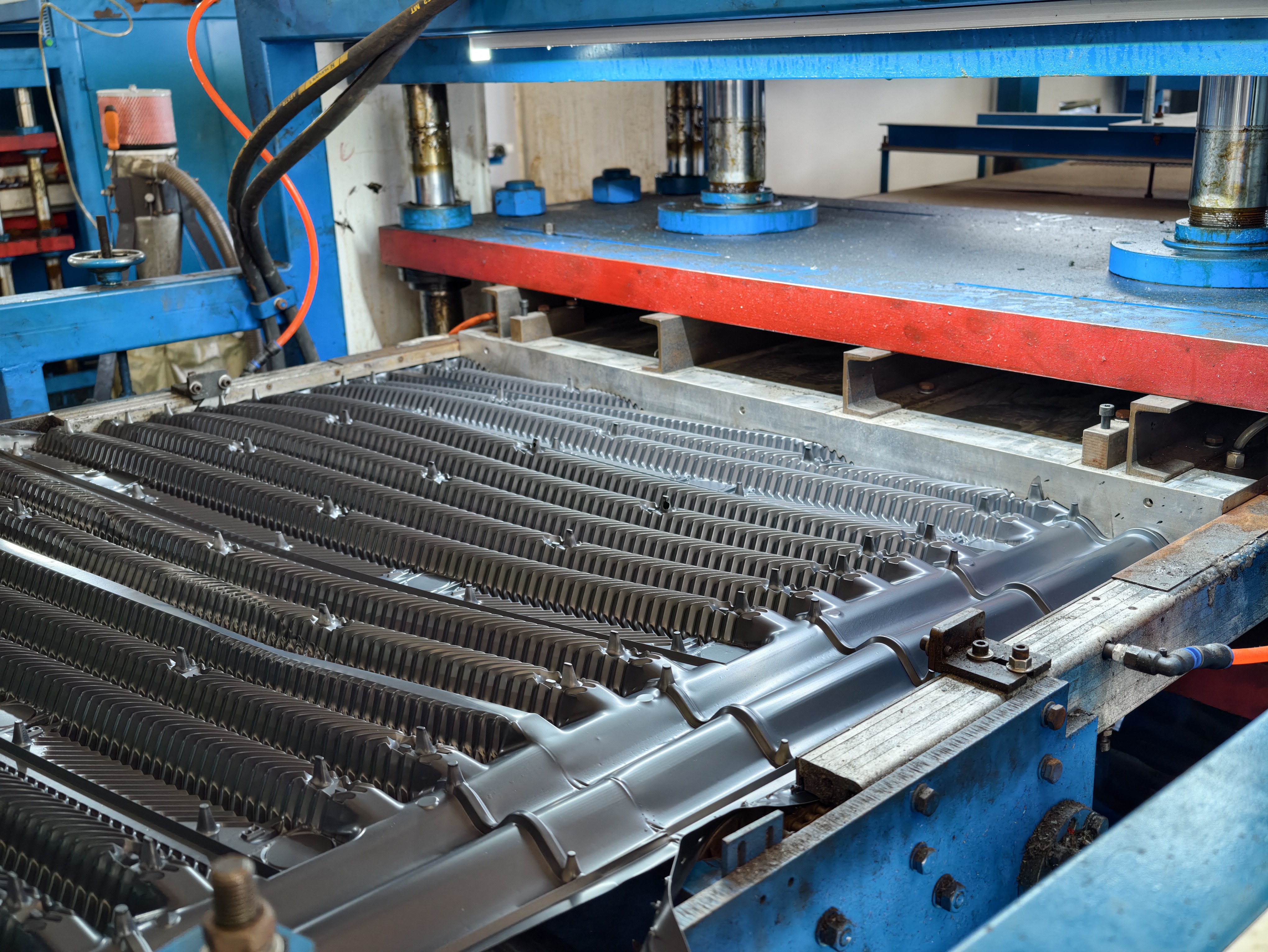
What Is Cooling Tower Fill?
Cooling tower fill is the internal heat-transfer media installed inside a cooling tower. Its primary purpose is to increase the contact area between circulating water and airflow.
Instead of allowing water to fall directly through the tower, the fill breaks the water into thin films or droplets. This increases the surface area exposed to air and improves evaporative cooling.
How Does Cooling Tower Fill Work?
The basic cooling process can be summarized as follows:
Hot water enters the cooling tower.
Water is distributed over the cooling tower fill.
The fill spreads water across a large surface area.
Air moves through the fill.
A small portion of the water evaporates.
Heat is transferred from the water to the air.
Cooled water collects in the basin and returns to the cooling system.
Why Is Cooling Tower Fill Important?
The performance of the fill directly affects the thermal efficiency of the cooling tower.
A properly selected and maintained cooling tower filler can provide:
High heat-transfer efficiency
Large effective surface area
Improved water-air contact
Better cooling capacity
Lower approach temperatures
Stable airflow and water distribution
Reduced operating costs
When the fill becomes clogged or damaged, the tower may no longer achieve its designed cooling performance.
When Should Cooling Tower Fill Be Replaced?
Knowing when to replace cooling tower fill is important for preventing unexpected cooling tower performance problems.
Not every dirty fill requires immediate replacement. Light deposits may sometimes be removed through cleaning. However, severely deteriorated fill usually needs to be replaced.
1. Reduced Cooling Tower Performance
One of the most common signs is a gradual reduction in cooling performance.
If the cooling tower cannot achieve the required outlet water temperature even though the fan, pump, and water flow are operating normally, the fill may be contributing to the problem.
2. Excessive Scaling
Mineral deposits can accumulate on the surface of cooling tower fill.
Why Is Scale a Problem?
Heavy scale can:
Reduce the effective heat-transfer area
Block water passages
Restrict airflow
Increase water retention
Cause uneven water distribution
Increase fan energy consumption
When scale becomes too thick to remove safely, replacing the fill is often more economical than repeated chemical cleaning.
3. Biological Growth and Fouling
Cooling towers operate in warm and humid environments, making them susceptible to biological fouling.
Algae, bacteria, slime, and other contaminants can accumulate on the fill surface.
How Does Biological Fouling Affect Fill?
Biological growth can obstruct passages and create uneven water distribution. It can also accelerate corrosion and reduce heat-transfer performance.
If the fill has extensive biological contamination or permanent blockage, replacement may be necessary.
4. Cracked, Broken, or Deformed Fill
Physical damage is another major reason for cooling tower fill replacement.
PVC and PP fill sheets can become brittle after long-term exposure to heat, chemicals, UV radiation, and mechanical stress.
Damaged fill may:
5. High Pressure Drop
A heavily fouled fill can increase resistance to airflow.
This may cause higher fan power consumption and reduce the amount of air moving through the tower.
Monitoring pressure drop across the fill can therefore provide useful information about fill condition.
What Causes Cooling Tower Fill Failure?
Several operating and environmental conditions can shorten the service life of cooling tower fill.
Water Quality
Poor water quality is one of the biggest causes of fill deterioration.
High concentrations of:
Calcium
Magnesium
Suspended solids
Silica
Iron
Biological contaminants
can contribute to scaling and fouling.
High Operating Temperature
Excessive water temperature can accelerate thermal aging, especially when the fill material is not suitable for high-temperature applications.
Chemical Exposure
Incorrect chemical dosing or excessive concentrations of certain chemicals can damage plastic fill.
The chemical compatibility of the fill material should therefore be considered before installation.
Poor Water Distribution
If the distribution system does not spread water evenly, some areas of the fill may receive excessive water while other areas remain relatively dry.
This creates uneven thermal loading and reduces the effective cooling area.
Improper Cleaning
Aggressive cleaning methods can physically damage fill sheets.
High-pressure water jets, unsuitable chemicals, or rough mechanical cleaning may deform or break delicate fill structures.
Types of Cooling Tower Fill for Replacement
When replacing cooling tower fill, selecting the correct type is essential.
The two major categories are film fill and splash fill.
Film Fill
Film fill is designed to spread water into thin films over a large surface area.
It is widely used in induced-draft and forced-draft cooling towers where relatively clean circulating water is available.
Advantages of Film Fill
Film fill typically provides:
High heat-transfer efficiency
Large effective surface area
Compact installation
High cooling performance
Efficient use of tower volume
PVC Cooling Tower Fill
PVC cooling tower fill is one of the most common replacement choices.
PVC film fill is popular because it offers a good balance between cost, performance, chemical resistance, and service life.
It is suitable for many industrial and commercial cooling tower applications.
When Should PVC Fill Be Used?
PVC fill can be considered when:
Water temperatures are within the material's operating range
Water quality is reasonably controlled
High thermal efficiency is required
Cost-effective replacement is important
PP Cooling Tower Fill
Polypropylene, or PP, cooling tower fill is another popular option.
PP generally provides higher temperature resistance than standard PVC fill, making it suitable for certain higher-temperature applications.
Advantages of PP Fill
PP cooling tower fill can offer:
Higher temperature resistance
Good chemical resistance
Good mechanical strength
Long service life under suitable conditions
Reliable thermal performance
Splash Fill
Splash fill works differently from film fill.
Instead of spreading water into a thin continuous film, splash fill repeatedly breaks falling water into droplets.
Advantages of Splash Fill
Splash fill is often preferred for applications with:
Film Fill vs. Splash Fill
| Feature | Film Fill | Splash Fill |
| Heat transfer | High | Moderate to high |
| Surface area | Very high | Moderate |
| Clogging resistance | Lower | Higher |
| Dirty water suitability | Moderate | Excellent |
| Water quality requirement | Higher | Lower |
| Typical application | Clean industrial water | Fouling-prone applications |
The best replacement depends on water quality, temperature, airflow, tower design, and required cooling capacity.
How to Select the Right Cooling Tower Fill Replacement
Choosing replacement fill should not be based only on price.
Several technical factors need to be evaluated.
1. Cooling Tower Design
First identify the cooling tower configuration.
Important information includes:
Counterflow or crossflow design
Mechanical draft or natural draft
Existing fill arrangement
Fill dimensions
Fill support structure
Water distribution system
Airflow direction
Replacement fill should fit the existing tower structure without negatively affecting airflow or water distribution.
2. Water Flow Rate
The water flow rate determines how much water must pass through the fill.
A replacement fill should be suitable for the tower's actual operating water loading.
Why Water Loading Matters
If water loading is too high, water may not spread properly across the fill.
If water loading is too low, the fill may not operate at its designed thermal performance.
3. Airflow
Airflow is equally important.
The fill must work effectively with the tower's fan capacity and air distribution system.
A high-performance fill does not automatically improve cooling if the tower cannot provide sufficient airflow.
4. Operating Water Temperature
Temperature is an important material-selection factor.
PVC, PP, and other fill materials have different temperature limits.
High-Temperature Applications
For applications involving elevated water temperatures, PP fill or other high-temperature materials may be more appropriate than standard PVC fill.
Always confirm the manufacturer's recommended operating temperature before installation.
5. Water Quality
Water quality should strongly influence the fill design.
For relatively clean water, high-efficiency film fill may be an excellent choice.
For dirty or heavily contaminated water, splash fill or clog-resistant fill may provide better long-term reliability.
6. Fill Dimensions
Replacement fill should match the existing installation requirements.
Common parameters include:
Fill sheet length
Fill sheet width
Fill height
Sheet thickness
Cell size
Corrugation pattern
Block dimensions
Accurate measurements can prevent installation problems.
Cooling Tower Fill Replacement Process
A professional replacement project generally follows several stages.
Step 1: Inspect the Existing Fill
Before removing the existing fill, inspect its condition.
Check for:
Cracks
Warping
Scale
Biological fouling
Broken sheets
Blockage
Structural deformation
Photographs and inspection records can also help determine whether partial or complete replacement is necessary.
Step 2: Measure the Existing Fill
Measure the dimensions of the existing fill blocks and support area.
The following information should be recorded:
Fill block dimensions
Number of blocks
Fill height
Fill width
Fill length
Sheet thickness
Cell configuration
Step 3: Shut Down and Isolate the Cooling Tower
Before replacement work begins, the tower should be properly shut down.
Water pumps, fans, electrical equipment, and associated systems should be isolated according to site safety procedures.
Step 4: Drain and Clean the Tower
Remove standing water and accumulated debris from the basin.
The tower interior should be cleaned before new fill is installed.
Step 5: Remove Old Fill
Carefully remove damaged or deteriorated fill.
Workers should avoid damaging:
Fill supports
Distribution pipes
Nozzles
Structural members
Air inlet components
Step 6: Inspect the Fill Support Structure
The support structure should be inspected before installing new fill.
Check for:
Corrosion
Cracks
Deformation
Loose components
Broken support members
A damaged support structure should be repaired before installing replacement fill.
Step 7: Install New Cooling Tower Fill
Install the new fill blocks according to the manufacturer's recommended orientation and arrangement.
Correct installation helps ensure:
Step 8: Inspect Water Distribution
After installation, check the spray nozzles and distribution pipes.
Blocked or damaged nozzles can create poor water coverage and reduce the performance of new fill.
Step 9: Restart and Test the Tower
After completing installation, restart the cooling tower and monitor its performance.
Important operating parameters include:
Inlet water temperature
Outlet water temperature
Wet-bulb temperature
Water flow
Airflow
Fan power
Pressure drop
Partial vs. Complete Cooling Tower Fill Replacement
Not every project requires replacing the entire fill system.
Partial Fill Replacement
Partial replacement may be appropriate when damage is localized.
Advantages include:
However, the new fill should be compatible with the existing fill.
Complete Fill Replacement
Complete replacement is usually preferable when the existing fill is extensively deteriorated.
It can provide:
Consistent thermal performance
Uniform fill characteristics
Easier maintenance
Improved airflow
Longer expected service life
How Much Does Cooling Tower Fill Replacement Cost?
The total cost depends on several factors.
Major Cost Factors
The replacement budget may include:
Cooling tower fill material
Fill block quantity
Fill material and thickness
Transportation
Labor
Tower access equipment
Cleaning
Disposal of old fill
Support structure repairs
Downtime
How to Reduce Replacement Costs
Purchasing inexpensive fill is not always the best way to reduce total cost.
A better strategy is to evaluate total cost of ownership.
High-quality fill with longer service life and stable thermal performance may reduce maintenance and replacement frequency.
How to Extend the Service Life of Cooling Tower Fill
Proper maintenance can significantly extend the life of cooling tower fill.
Maintain Good Water Quality
Implement an effective water treatment program to control:
Scale
Corrosion
Suspended solids
Biological growth
Clean the Fill Regularly
Routine inspection and cleaning can prevent deposits from becoming difficult to remove.
Inspect Water Distribution Systems
Nozzles and distribution pipes should be checked regularly.
Uniform water distribution helps the entire fill operate effectively.
Monitor Cooling Performance
Track operating data over time.
A gradual increase in outlet water temperature may indicate fouling, scaling, reduced airflow, or other cooling tower problems.
Control Chemical Dosage
Water treatment chemicals should be maintained within recommended operating ranges.
Excessive chemical concentration may damage some fill materials.
Common Cooling Tower Fill Replacement Mistakes
Avoiding common mistakes can significantly improve replacement results.
Choosing Fill Based Only on Price
The cheapest fill may not provide the best thermal performance or service life.
Ignoring Water Quality
Installing high-efficiency film fill in a heavily fouling application can lead to rapid blockage.
Incorrect Fill Dimensions
Even a high-quality fill will perform poorly if the dimensions do not match the tower.
Reusing Damaged Supports
New fill should not be installed on severely corroded or damaged support structures.
Ignoring Nozzle Condition
New fill cannot compensate for poor water distribution.
Failing to Verify Operating Conditions
Temperature, water loading, airflow, and water quality should all be considered during selection.
Cooling Tower Fill Replacement Checklist
Before ordering replacement fill, collect the following information:
Tower Information
Fill Information
Operating Conditions
Installation Information
Providing accurate information to the supplier can significantly reduce the risk of ordering unsuitable replacement fill.
Cooling Tower Fill Replacement for Different Applications
Different industries have different requirements.
Power Plants
Power generation facilities often require large cooling capacities and continuous operation. Fill must provide reliable thermal performance and withstand long operating periods.
Manufacturing Plants
Industrial manufacturing facilities may have different water quality and temperature conditions. The fill should be selected based on the specific process cooling requirements.
HVAC Systems
Commercial HVAC cooling towers generally use film fill because the circulating water is often relatively clean and high thermal efficiency is desirable.
Chemical Processing
Chemical plants may require fill with enhanced chemical and temperature resistance.
Wastewater and Dirty Water Applications
Splash fill is often considered for applications where suspended solids and fouling are major concerns.
Why Professional Cooling Tower Fill Replacement Matters
Correct fill replacement is more than simply removing old packing and installing new sheets.
The replacement must consider the relationship between:
Water Distribution + Cooling Tower Fill + Airflow + Heat Load + Water Quality
If any of these factors are incorrectly matched, cooling performance may not improve as expected.
A professional supplier can help evaluate the existing tower and recommend the appropriate fill type, material, dimensions, and configuration.
Final Thoughts on Cooling Tower Fill Replacement
Cooling tower fill replacement is an important investment in cooling tower efficiency and reliability. Worn, scaled, clogged, or damaged fill can significantly reduce heat-transfer performance and increase operating costs.
Selecting the right cooling tower filler requires careful consideration of tower design, water flow, airflow, operating temperature, water quality, fill dimensions, and maintenance conditions.
For clean-water applications where maximum heat-transfer efficiency is required, PVC film fill is a widely used solution. For higher-temperature or chemically demanding conditions, PP cooling tower fill may be a better option. For applications with high suspended solids or severe fouling potential, splash fill can provide better clogging resistance.
By combining the correct replacement fill with effective water treatment, regular inspection, proper cleaning, and balanced water distribution, cooling tower operators can achieve more stable cooling performance and longer equipment life.
Frequently Asked Questions About Cooling Tower Fill Replacement
How often should cooling tower fill be replaced?
There is no universal replacement interval. Service life depends on water quality, operating temperature, chemical exposure, maintenance, and fill material. Regular inspection is more reliable than replacing fill according to a fixed schedule.
Can cooling tower fill be cleaned instead of replaced?
Yes. If the fill is structurally sound and deposits are relatively light, cleaning may restore performance. Severely damaged, brittle, deformed, or permanently clogged fill should generally be replaced.
What is the best material for cooling tower fill?
PVC is widely used for standard applications because of its balance of cost and performance. PP can be suitable for higher-temperature or chemically demanding applications. The best material depends on the actual operating conditions.
Is film fill better than splash fill?
Neither is universally better. Film fill generally provides high thermal efficiency and compact installation, while splash fill is often more tolerant of dirty water and suspended solids.
How can I choose the correct cooling tower fill replacement?
Start with the tower model, existing fill dimensions, water flow, operating temperatures, water quality, airflow, and required cooling capacity. These parameters allow a supplier to recommend a compatible replacement.
Can replacement fill improve cooling tower efficiency?
Yes. If existing fill is severely fouled, damaged, or deteriorated, properly selected replacement fill can restore heat-transfer performance and improve overall cooling tower operation.
Should cooling tower nozzles be replaced at the same time?
Not always, but nozzles should be inspected during fill replacement. Damaged or clogged nozzles can cause uneven water distribution and reduce the performance of newly installed fill.
Key Takeaways
Cooling tower fill replacement can restore lost cooling performance.
Fill condition has a direct impact on heat-transfer efficiency.
PVC film fill is widely used for many standard cooling tower applications.
PP fill can be considered for higher-temperature applications.
Splash fill is suitable for many fouling-prone applications.
Water quality plays a major role in fill service life.
Fill dimensions must match the cooling tower structure.
Nozzles and water distribution systems should be inspected during replacement.
Proper maintenance can extend the service life of replacement fill.
The best replacement solution should be based on operating conditions rather than price alone.


