Cooling Tower Fill Maintenance: The Complete Guide to Cleaning, Inspection, and Replacement
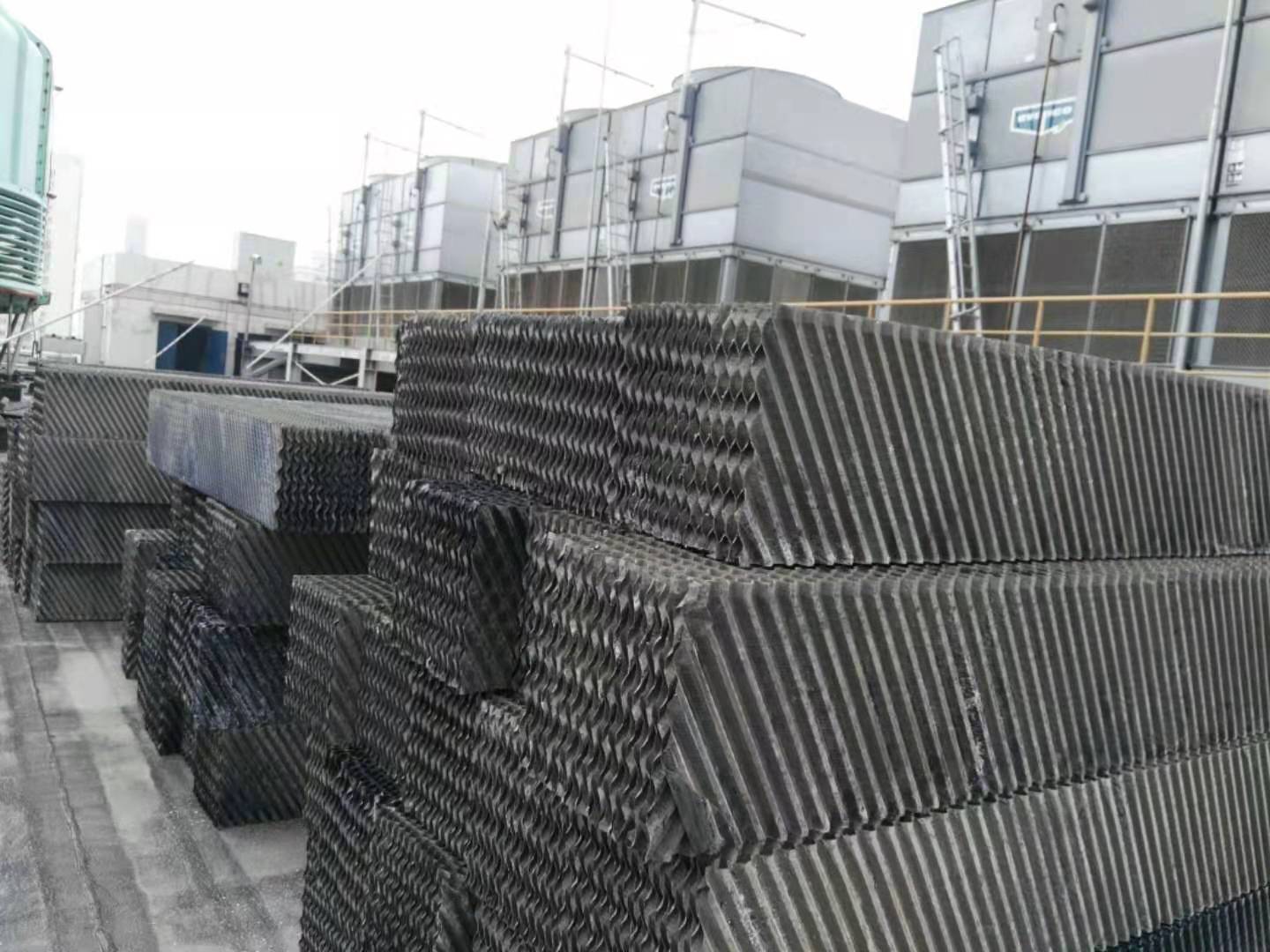
Cooling tower fill is one of the most important components of any cooling tower system. Its primary function is to maximize heat transfer by increasing the contact area between circulating water and ambient air. Efficient cooling tower fill allows water to spread into thin films or droplets, enhancing evaporation and improving cooling performance. As a result, well-maintained fill directly contributes to lower energy consumption, improved cooling efficiency, and extended equipment life.
However, cooling tower fill is constantly exposed to minerals, suspended solids, biological contaminants, chemicals, and environmental debris. Without regular maintenance, these contaminants accumulate on the fill surface, reducing airflow, restricting water distribution, and significantly decreasing heat transfer efficiency. In severe cases, neglected fill can increase operating costs, overload pumps and fans, and shorten the lifespan of the entire cooling tower.
This guide explains why cooling tower fill maintenance is essential, how to inspect and clean fill media properly, when replacement is necessary, and the best practices for extending the service life of PVC cooling tower fill.
What Is Cooling Tower Fill?
Cooling tower fill, also known as cooling tower fill media, is designed to maximize the surface area where water and air come into contact. By increasing this contact area and extending the exposure time, fill improves evaporative cooling efficiency.
The two most common types of cooling tower fill include:
Film Fill – Creates thin water films for maximum heat transfer and is widely used in clean-water applications.
Splash Fill – Breaks water into droplets and is better suited for dirty or industrial water with higher suspended solids.
Properly selected and maintained fill media can improve cooling efficiency while reducing overall operating costs.
Why Cooling Tower Fill Maintenance Is Important
Routine maintenance is essential to keep cooling tower systems operating efficiently. Dirty or damaged fill restricts airflow and water flow, resulting in poor thermal performance and higher energy consumption.
Regular cooling tower fill maintenance provides several benefits:
Maintains maximum heat transfer efficiency
Reduces fan and pump energy consumption
Prevents unplanned shutdowns
Extends the service life of cooling tower components
Improves water distribution
Minimizes biological contamination
Reduces maintenance costs over time
Common Causes of Cooling Tower Fill Damage
Scale Buildup
Hard water contains dissolved minerals such as calcium and magnesium. These minerals gradually form scale deposits on the fill surface, reducing heat transfer and restricting water flow.
Sediment Accumulation
Dust, sand, rust particles, and suspended solids settle inside the fill packs, clogging air passages and decreasing cooling efficiency.
Biological Fouling
Warm, moist operating conditions promote algae, bacteria, fungi, and biofilm growth. Biological contamination blocks airflow and may increase corrosion risks if left untreated.
Chemical Corrosion
Improper chemical treatment or excessive concentrations of cleaning agents may damage PVC fill material and shorten its service life.
UV Exposure and Aging
Long-term exposure to sunlight and elevated operating temperatures can make PVC fill brittle, warped, or cracked.
Mechanical Damage
Improper handling during maintenance, excessive water pressure during cleaning, or accidental impacts can permanently deform cooling tower fill.
Signs Your Cooling Tower Fill Needs Maintenance
Routine inspections help identify problems before they affect cooling performance.
Common warning signs include:
Reduced cooling capacity
Higher approach temperatures
Increased fan power consumption
Uneven water distribution
Dry spots inside the tower
Visible algae or slime
Heavy mineral scaling
Broken or collapsed fill packs
Increased system energy costs
Cooling Tower Fill Inspection Checklist
A comprehensive inspection should be performed at least once every quarter.
Inspect for:
Broken or missing fill sheets
Heavy scale accumulation
Algae and bacterial growth
Sediment deposits
Uniform water distribution
Proper airflow through the fill
Loose support structures
Damaged spray nozzles
Blocked water distribution basins
Documenting inspection results helps establish preventive maintenance schedules and identify recurring issues.
Best Cooling Tower Fill Cleaning Methods
Chemical Cleaning
Chemical cleaning is recommended for severe scale buildup and biological fouling.
Common cleaning chemicals include:
Mild acid cleaners for carbonate scale
Biocides to eliminate algae and bacteria
Dispersants to suspend sediment for flushing
Always follow the manufacturer's recommendations regarding chemical concentration, circulation time, and compatibility with PVC fill material.
High-Pressure Water Cleaning
High-pressure water cleaning effectively removes mud, loose debris, and light scale deposits.
Operators should use moderate water pressure to avoid damaging delicate PVC film fill sheets.
Manual Cleaning
For localized contamination, manual cleaning using soft brushes or low-pressure water can effectively remove debris without damaging the fill.
Fill Replacement
When fill media becomes brittle, deformed, or heavily clogged beyond repair, replacement is often the most cost-effective solution.
Replacing damaged fill restores airflow, improves cooling efficiency, and reduces energy consumption.
Preventive Maintenance Best Practices
Preventive maintenance significantly extends cooling tower fill lifespan.
Recommended practices include:
Maintain proper water treatment programs
Monitor pH, conductivity, hardness, and TDS
Install filtration systems to reduce suspended solids
Inspect spray nozzles regularly
Maintain even water distribution
Remove debris from air inlets
Inspect drift eliminators
Schedule quarterly inspections
Perform annual deep cleaning
Cooling Tower Fill Replacement Guide
Replacement should be considered when:
More than 30% of the fill is damaged
PVC has become brittle
Heavy scaling cannot be removed
Cooling performance continues to decline after cleaning
Fill packs collapse or deform
Airflow becomes permanently restricted
Installing high-quality replacement fill can restore original cooling tower performance and improve overall system reliability.
How to Extend the Service Life of Cooling Tower Fill
The average lifespan of PVC cooling tower fill ranges from 5 to 10 years, depending on operating conditions and water quality.
To maximize service life:
Implement a comprehensive water treatment program
Prevent excessive scaling
Control biological growth
Clean fill on a regular schedule
Replace damaged spray nozzles
Improve filtration efficiency
Avoid excessive chemical concentrations
Protect fill during maintenance activities
With proper maintenance, many industrial cooling towers achieve fill service lives exceeding ten years.
Frequently Asked Questions
How often should cooling tower fill be cleaned?
Most industrial cooling towers benefit from quarterly inspections and annual deep cleaning. Systems operating in harsh environments may require more frequent maintenance.
Can PVC cooling tower fill be pressure washed?
Yes. However, excessive water pressure can damage PVC film fill. Moderate pressure should always be used.
What causes cooling tower fill to clog?
Scale buildup, biological fouling, suspended solids, algae, and debris are the most common causes.
When should cooling tower fill be replaced?
Replacement is recommended when cleaning no longer restores performance or when the fill becomes brittle, broken, or severely deformed.
What is the expected lifespan of cooling tower fill?
PVC cooling tower fill typically lasts between five and ten years under normal operating conditions, depending on water quality and maintenance practices.
Conclusion
Cooling tower fill maintenance plays a critical role in maintaining efficient heat transfer, reducing operating costs, and extending the lifespan of industrial cooling towers. Regular inspections, effective cleaning procedures, preventive water treatment, and timely replacement of damaged fill media ensure reliable cooling performance throughout the system's service life.
By implementing a structured maintenance program and using high-quality PVC cooling tower fill, facility operators can improve energy efficiency, minimize downtime, and maximize the return on their cooling tower investment.
For companies seeking dependable cooling tower fill solutions, choosing high-quality replacement fill and following manufacturer-recommended maintenance practices are essential steps toward achieving long-term operational reliability.


