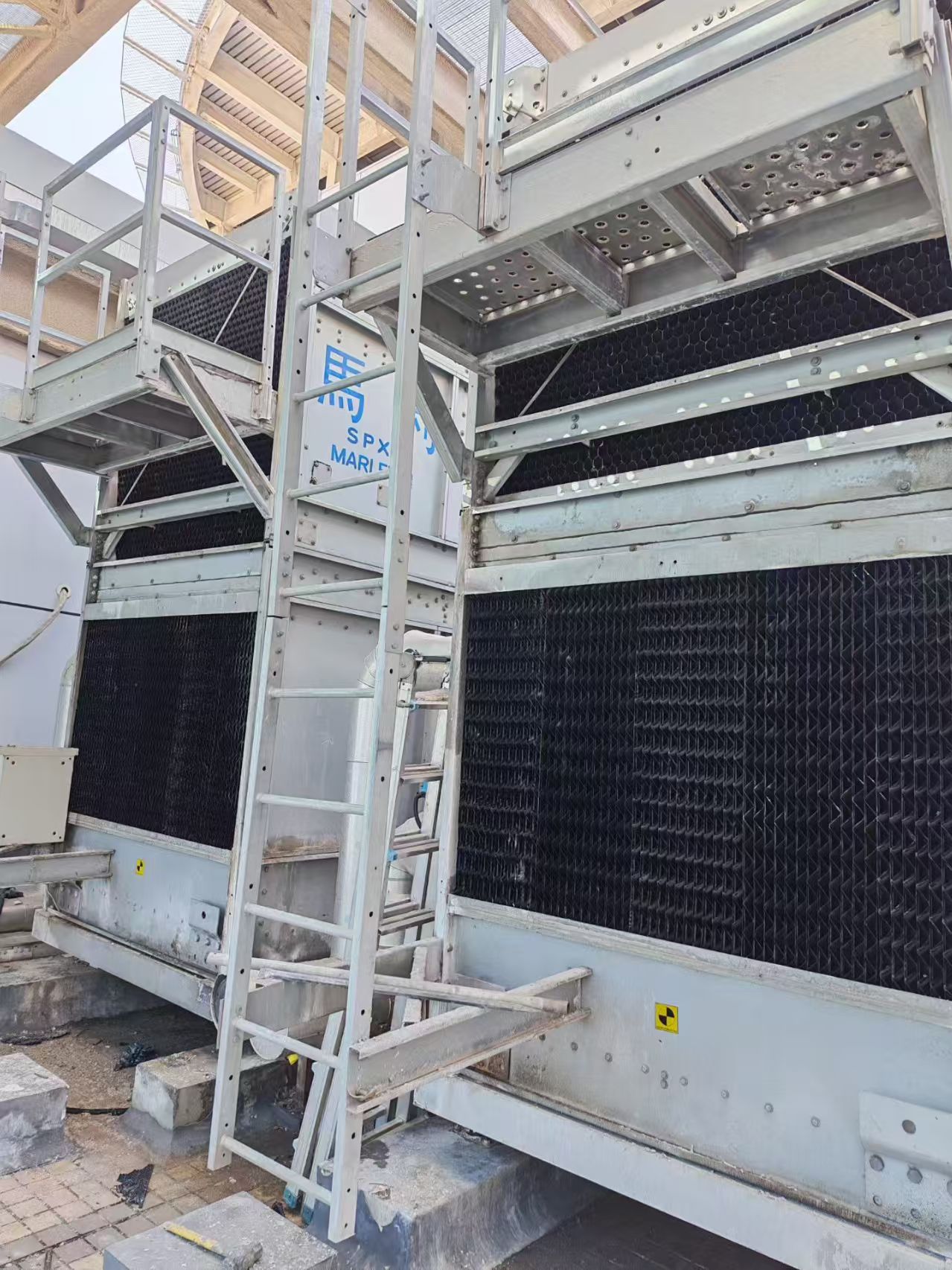
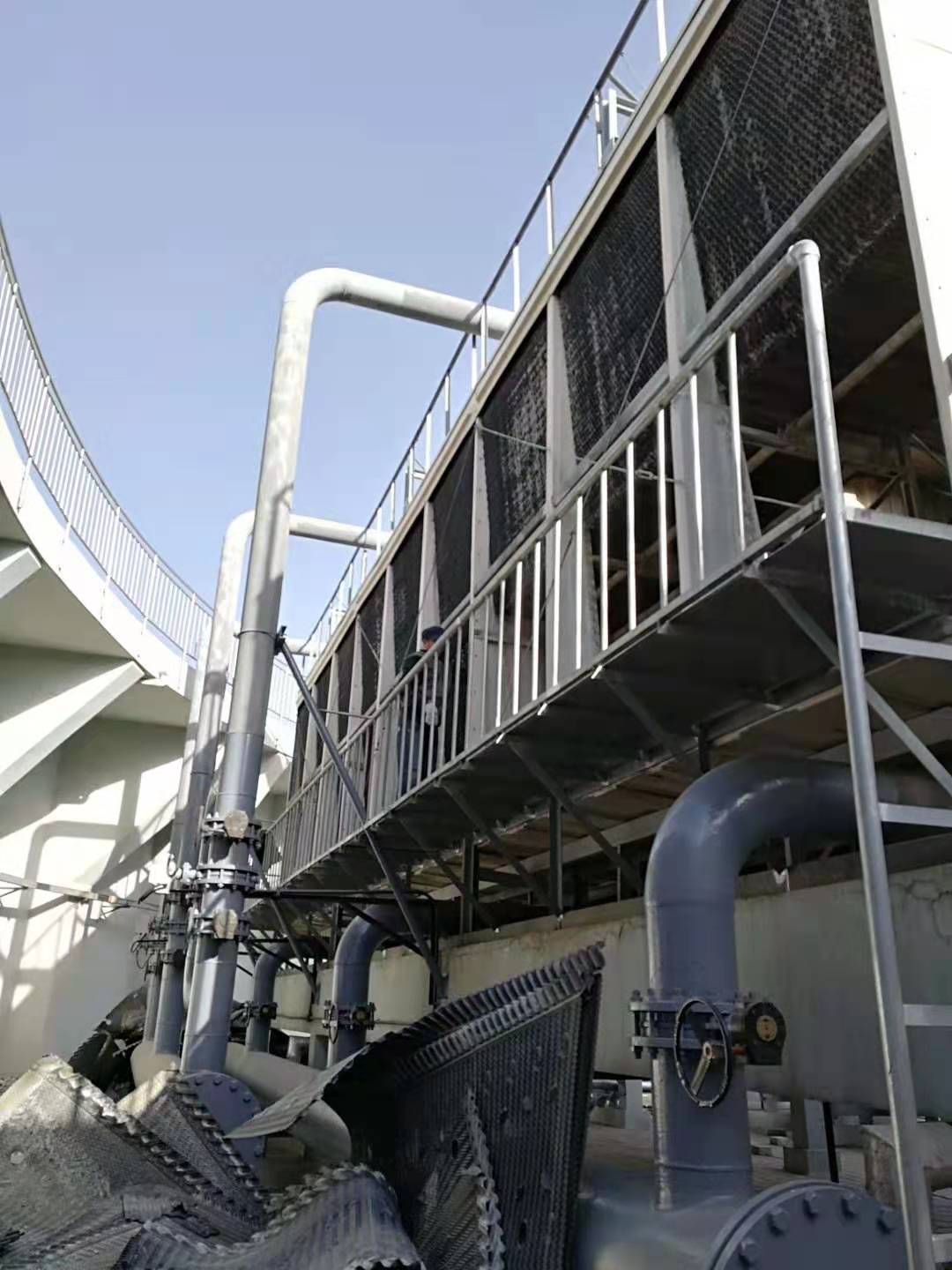
PVC Fills Cooling Tower: Complete Guide to Selection and Performance
PVC fills cooling tower applications are widely used in industrial cooling, HVAC systems, power generation, manufacturing, and commercial air-conditioning systems. As an important heat-transfer component, PVC cooling tower fill increases the contact area between circulating water and air, helping the tower remove heat more efficiently.
Choosing the right PVC cooling tower fill can improve cooling performance, reduce water and energy consumption, and extend the service life of the cooling tower. However, not all PVC fill media are designed for the same operating conditions. Fill type, sheet thickness, pitch, temperature, water quality, and tower design all influence performance.
This guide explains what PVC fills are, how they work, their advantages, different types, applications, installation methods, maintenance requirements, and replacement considerations.
What Are PVC Fills for Cooling Tower?
PVC fills are heat-transfer media manufactured primarily from polyvinyl chloride (PVC) sheets. They are installed inside cooling towers to increase the surface area available for air-water contact.
When hot water enters the cooling tower, it is distributed over the fill. The PVC fill spreads the water into thin films or small droplets while air moves through the media. A small portion of the water evaporates, removing heat from the remaining circulating water.
How Does PVC Cooling Tower Fill Work?
The basic cooling process includes several stages:
Hot water enters the cooling tower.
Water is distributed over the PVC fill.
The fill spreads water over a large surface area.
Air passes through the fill.
Heat and moisture transfer occur between water and air.
A portion of the water evaporates.
Cooled water collects in the basin and returns to the cooling system.
Why Is Fill Media Important?
Without suitable fill media, water would have limited contact with the moving air. The cooling tower would therefore require a much larger structure to achieve the same heat-transfer performance.
PVC cooling tower filler solves this problem by creating a large effective contact surface inside a relatively compact tower.
Why Is PVC Commonly Used for Cooling Tower Fill?
PVC is one of the most popular materials for cooling tower fill because it offers a practical balance between performance, durability, and cost.
Main Advantages of PVC Cooling Tower Fill
PVC fill media can provide several benefits.
Good Heat-Transfer Performance
PVC film fill is designed with corrugated or embossed surfaces that spread water into thin films. This increases the water-air contact area and supports efficient heat transfer.
Cost-Effective Material
Compared with many specialized materials, PVC provides an economical solution for standard cooling tower applications.
Good Chemical Resistance
PVC offers resistance to many chemicals commonly encountered in properly controlled cooling-water systems.
This makes it suitable for a wide range of industrial and HVAC applications.
Lightweight Construction
PVC sheets are relatively lightweight, making them easier to transport, assemble, install, and replace.
Easy Fabrication
PVC can be formed into different surface patterns and sheet configurations to meet different cooling tower requirements.
Types of PVC Cooling Tower Fill
Different tower designs and water conditions require different fill configurations. Understanding the available cooling tower fill media is important when selecting replacement products.
PVC Film Fill
PVC film fill is one of the most widely used types.
The sheets are manufactured with specific corrugation patterns. These patterns encourage water to spread into thin films while allowing air to pass through the channels.
Benefits of PVC Film Fill
PVC film fill offers:
PVC Splash Fill
PVC splash fill works differently from film fill.
Instead of maintaining a continuous thin water film, splash fill uses specially designed surfaces to break falling water into smaller droplets.
When Is Splash Fill Suitable?
PVC splash fill can be considered for systems where water contains higher levels of suspended solids or where resistance to clogging is more important than maximum compact heat-transfer efficiency.
Cross Flow PVC Fill
Cross flow cooling towers commonly use PVC fill designed for horizontal airflow and downward water flow.
Cross Flow Fill Characteristics
A typical cross flow arrangement provides:
Counter Flow PVC Fill
Counter flow towers use a different airflow arrangement. Air generally moves upward while water flows downward.
The appropriate PVC fill geometry can differ from that used in cross flow towers, so replacement fill should be selected according to the original tower configuration.
PVC Film Fill vs. PVC Splash Fill
Choosing between film and splash fill requires consideration of water quality and thermal requirements.
| Feature | PVC Film Fill | PVC Splash Fill |
| Heat-transfer efficiency | High | Moderate to high |
| Surface area | Large | Lower |
| Fouling resistance | Moderate | Generally higher |
| Suspended solids tolerance | Lower | Higher |
| Compactness | Excellent | Good |
| Typical application | Clean water | Dirtier water |
Which PVC Fill Is Better?
There is no universal answer.
For relatively clean water and high thermal-performance requirements, PVC film fill is often an attractive choice.
For water containing significant suspended solids, splash fill may provide better operational reliability.
Key Factors When Choosing PVC Fills Cooling Tower
Selecting the right fill requires more than checking the dimensions.
Cooling Tower Type
First determine whether the tower is:
Cross flow
Counter flow
Open circuit
Closed circuit
Industrial
HVAC
Mechanical draft
Natural draft
The fill design should match the tower configuration.
Water Flow Rate
Water flow directly affects the required fill capacity.
Higher water flow may require a suitable fill design with adequate water distribution and channel capacity.
Check Water Loading
Water loading should be compatible with the selected fill. Excessive loading can cause poor air passage or water carryover, while insufficient loading may reduce the effective wetting of the fill.
Operating Temperature
Temperature is another important consideration.
Standard PVC fills are commonly used in conventional cooling applications, but high-temperature systems may require specialized PVC formulations or alternative materials such as polypropylene.
Water Quality
Water quality can determine whether film fill is practical.
Consider:
Suspended solids
Hardness
Biological growth
Oil contamination
Scale formation
Corrosion products
Poor water quality can quickly reduce the performance of fine-channel film fill.
PVC Fill Pitch and Sheet Thickness
Two technical specifications that buyers frequently need to evaluate are fill pitch and sheet thickness.
What Is Fill Pitch?
Fill pitch refers to the spacing or channel arrangement between adjacent fill sheets.
A smaller pitch can provide greater surface area in a given volume.
However, very narrow channels can be more vulnerable to fouling.
Selecting the Right Pitch
Choose pitch according to:
Why Does Sheet Thickness Matter?
Sheet thickness affects mechanical strength and durability.
Thicker sheets can offer better structural stability, while thinner sheets may reduce weight and material cost.
The appropriate thickness depends on the tower design and installation method.
Applications of PVC Cooling Tower Fill
PVC fill media are used in many industries.
HVAC Cooling Towers
Commercial buildings, shopping centers, hotels, hospitals, and office buildings commonly use cooling towers as part of central HVAC systems.
PVC film fill can provide efficient heat transfer for relatively clean circulating water.
Industrial Cooling
Manufacturing facilities often use cooling towers to remove heat from production equipment and process systems.
Typical industries include:
Plastics manufacturing
Chemical processing
Steel production
Food processing
Textile manufacturing
Machinery manufacturing
Power Generation
Cooling towers are also used in power-related cooling systems where large quantities of heat must be rejected.
The fill must be selected according to water chemistry, operating temperature, and required thermal performance.
How to Install PVC Cooling Tower Fill
Correct installation is essential for maintaining designed cooling performance.
Prepare the Cooling Tower
Before installing new PVC fills:
Shut down the tower.
Isolate the circulating-water system.
Drain the basin when required.
Remove old fill.
Clean the tower interior.
Inspect fill supports.
Check the water distribution system.
Install Fill Blocks
PVC sheets are usually assembled into blocks before installation.
Installation Checklist
Make sure:
Fill blocks are correctly aligned.
Sheets are securely bonded or assembled.
Support structures are level.
No large unintended gaps exist.
Water distribution is uniform.
Air channels remain unobstructed.
Poor installation may create water channeling and reduce effective heat transfer.
Maintenance of PVC Cooling Tower Fill
Regular maintenance can significantly extend fill service life.
Inspect the Fill
Routine inspection should look for:
Scale
Algae
Mud
Slime
Broken sheets
Deformation
Chemical degradation
Blocked channels
Clean PVC Fill
Cleaning procedures depend on the type and severity of contamination.
Water Cleaning
Low-pressure water can remove loose dirt and biological deposits.
Avoid excessive water pressure because thin PVC sheets can be damaged by aggressive cleaning.
Chemical Cleaning
Chemical cleaning may be used to remove stubborn scale or biological deposits.
The selected chemical must be compatible with PVC and the cooling-water system.
Water Treatment and PVC Fill Life
Water treatment is closely related to cooling tower fill performance.
Control Scale
Scale deposits reduce the effective surface area of the fill and can restrict water and airflow.
Proper control of water chemistry can minimize mineral buildup.
Control Biological Growth
Algae, bacteria, and other biological deposits can block fill channels.
An appropriate biocide program can help control biological contamination.
Control Suspended Solids
Filtration and blowdown management can reduce the accumulation of dirt and suspended solids inside the tower.
When Should PVC Cooling Tower Fill Be Replaced?
PVC fill does not have one universal replacement interval.
Its service life depends on operating conditions.
Signs of Fill Failure
Replacement may be required when you observe:
Cleaning or Replacement?
Minor contamination may be solved through cleaning.
However, cleaning is unlikely to restore severely deformed, brittle, or chemically damaged fill.
A professional inspection should determine whether cleaning or replacement is more economical.
How PVC Fill Affects Cooling Tower Efficiency
The performance of PVC fill directly influences the tower's heat-transfer capability.
Increased Air-Water Contact
A well-designed fill increases contact between air and water.
This supports evaporation and improves heat removal.
Lower Approach Temperature
Effective fill can help the cooling tower achieve a lower approach temperature when airflow, water distribution, and other tower conditions are properly controlled.
Potential Energy Savings
Improved heat transfer can reduce the need to operate fans and pumps at unnecessarily high levels.
However, actual energy savings depend on the complete cooling tower system rather than fill alone.
How to Choose a PVC Cooling Tower Fill Supplier
The supplier should be evaluated based on technical capability rather than price alone.
Important Supplier Qualifications
Ask about:
Request Technical Information
Before ordering, provide the supplier with the existing fill dimensions and tower operating conditions.
Useful information includes:
Tower model
Fill dimensions
Water flow
Hot-water temperature
Cold-water temperature
Wet-bulb temperature
Water quality
Tower type
This information helps the supplier recommend appropriate PVC fills for cooling tower applications.
PVC Fills Cooling Tower: Common Questions
Are PVC Fills Suitable for All Cooling Towers?
No. PVC fill is widely used, but the correct fill depends on tower design, temperature, water quality, and thermal requirements.
How Long Does PVC Cooling Tower Fill Last?
Service life varies according to water chemistry, temperature, fouling, UV exposure, cleaning, and mechanical conditions. Regular inspection is more reliable than using a fixed replacement date.
Can PVC Film Fill Be Used With Dirty Water?
Film fill can be used in some systems with controlled water quality, but heavily contaminated water may cause channel blockage. Splash fill may be more suitable when suspended solids are significant.
Is PVC Better Than PP for Cooling Tower Fill?
PVC is often more economical and suitable for conventional cooling applications. PP generally offers better temperature resistance. The better material depends on actual operating conditions.
Can Cooling Tower Fill Be Replaced Without Replacing the Whole Tower?
Yes. In many refurbishment projects, the fill media can be replaced while the main tower structure remains in service, provided the supporting structure and other components are suitable.
Conclusion
PVC fills cooling tower applications play a critical role in efficient evaporative heat transfer. By increasing the contact area between air and water, PVC cooling tower fill helps improve heat rejection while allowing the tower to remain relatively compact.
PVC film fill is a popular choice for clean-water applications because of its high surface area, efficient heat transfer, lightweight construction, and cost-effectiveness. PVC splash fill can be considered when fouling resistance and wider water passages are more important.
The best PVC cooling tower fill should always be selected according to tower configuration, water flow, operating temperature, water quality, fill pitch, sheet thickness, and thermal requirements.
With proper installation, water treatment, cleaning, inspection, and timely replacement, high-quality PVC fill media can help maintain stable cooling performance and support the long-term operation of industrial and HVAC cooling towers.