Cooling Tower Fan Gearbox: Selection and Maintenance Guide
A cooling tower fan gearbox is a critical transmission component that transfers power from the motor to the fan while reducing rotational speed and providing the torque required for efficient air movement. In industrial cooling towers, the gearbox directly affects fan performance, energy consumption, equipment reliability, and maintenance costs.
Choosing the right cooling tower fan gearbox is essential for new cooling tower installations, equipment upgrades, and replacement projects. A properly selected gearbox can help maintain stable fan operation, reduce unexpected downtime, and extend the service life of the entire cooling system.
This guide explains how cooling tower fan gearboxes work, which factors matter when selecting a replacement, how to maintain gearbox performance, and how to identify common problems before they lead to costly failures.
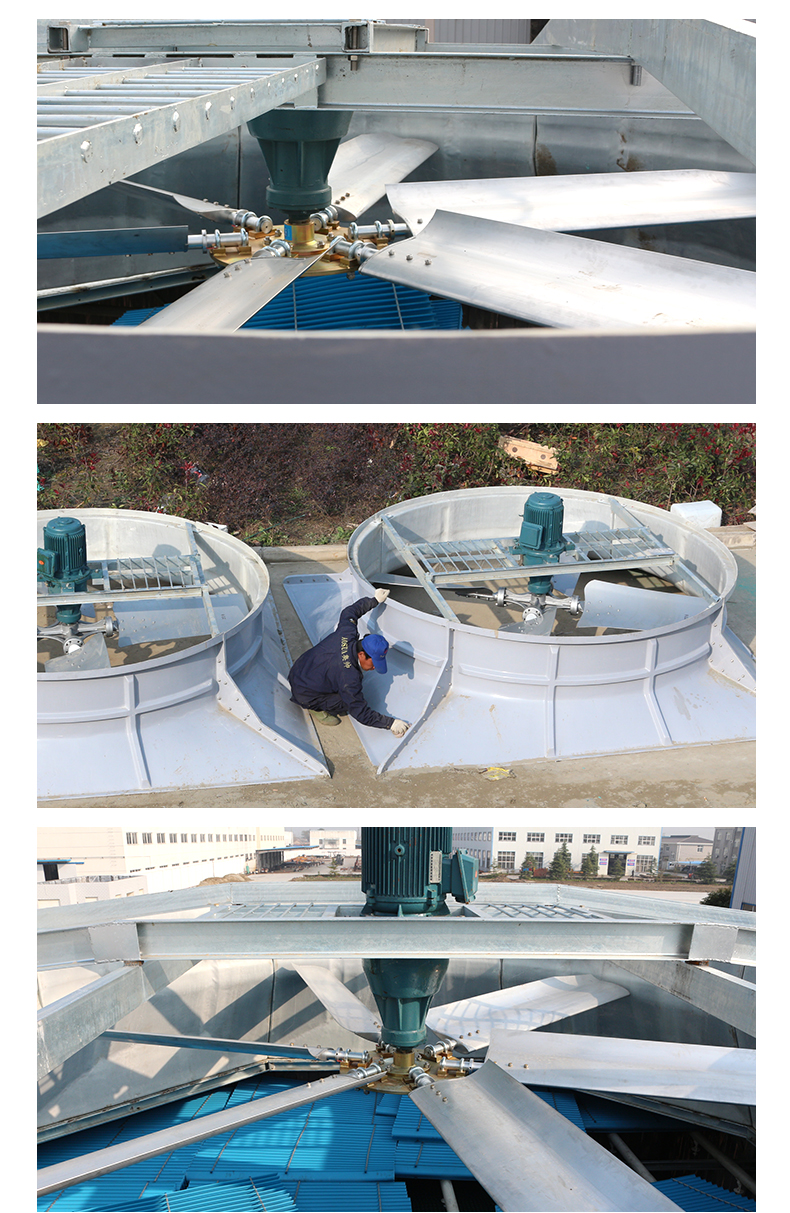
What Is a Cooling Tower Fan Gearbox?
A cooling tower fan gearbox is a mechanical transmission device installed between the drive motor and the cooling tower fan. Its primary function is to reduce the motor's rotational speed to the appropriate fan operating speed while transmitting the necessary torque.
Industrial cooling tower fans often require a different operating speed from that of their driving motors. The gearbox provides the speed reduction needed to match the fan's aerodynamic design and operating requirements.
How Does a Cooling Tower Fan Gearbox Work?
When the motor rotates, the gearbox receives the input power through its input shaft. Internal gears transfer this power to the output shaft at a reduced speed.
The relationship between input speed, output speed, and gear ratio can be expressed as:
Gear Ratio = Input Speed ÷ Output Speed
For example, if a motor runs at 1,500 rpm and the required gearbox output speed is 300 rpm, the nominal reduction ratio is 5:1.
The actual gearbox selection must also consider operating torque, motor power, service conditions, starting loads, and the fan manufacturer's specified operating speed.
Main Functions of a Cooling Tower Gearbox
Speed reduction: Matches motor speed to the required fan speed.
Torque transmission: Transfers mechanical power to the fan.
Stable operation: Supports consistent fan rotation when properly selected and maintained.
System compatibility: Connects the motor drive arrangement with the fan assembly.
Operational reliability: Helps maintain dependable cooling tower performance when used within its rated limits.
Where Are Cooling Tower Fan Gearboxes Used?
Cooling tower fan gearboxes are commonly used in:
Industrial process cooling towers
Power generation facilities
Chemical and petrochemical plants
Steel and metal processing plants
Commercial HVAC cooling towers
Manufacturing facilities
Large water-cooled refrigeration systems
These applications may involve continuous operation, high humidity, airborne contaminants, temperature fluctuations, or corrosive atmospheres. Selecting a gearbox suited to the actual operating environment is therefore essential.
What Are the Main Types of Cooling Tower Fan Gearboxes?
Different cooling tower designs require different transmission arrangements. The appropriate gearbox depends on fan configuration, power requirements, installation space, operating speed, and maintenance preferences.
Bevel Gearbox
A bevel gearbox is commonly used in cooling tower fan drive systems that require a change in the direction of power transmission. Bevel gears can transfer torque between intersecting shafts, making them suitable for many vertical-shaft cooling tower arrangements.
Advantages of Bevel Gearboxes
Compact transmission arrangements
Efficient power transmission when correctly designed
Suitable for specific vertical-shaft fan configurations
Available in designs for industrial continuous-duty applications
When selecting a bevel gearbox, buyers should verify shaft orientation, gear ratio, rated torque, mounting dimensions, and compatibility with the existing motor and fan assembly.
Helical Gearbox
Helical gears have angled teeth that engage progressively. This design can provide smooth power transmission and relatively quiet operation when correctly engineered.
Some industrial cooling tower gearboxes incorporate helical gearing or combined gear arrangements to meet specific load and speed requirements.
Important Selection Considerations
A helical gearbox should be evaluated according to its rated power, output torque, efficiency, thermal capacity, lubrication requirements, and suitability for the required shaft arrangement. Not every helical gearbox is suitable for every cooling tower fan.
Right-Angle Gearbox
A right-angle gearbox changes the direction of power transmission, commonly by approximately 90 degrees. It may be suitable for cooling tower drive systems where the motor and fan shafts are arranged perpendicular to one another.
The exact gear design may use bevel gears, worm gears, or other configurations. Buyers should compare efficiency, allowable loads, heat generation, and manufacturer specifications rather than selecting a gearbox based on its external shape alone.
Gearbox vs. Direct-Drive Cooling Tower Fan
Some cooling towers use direct-drive or alternative drive arrangements instead of a conventional gearbox.
A gearbox-driven system provides mechanical speed reduction through gears. A direct-drive arrangement eliminates the gearbox and may use a motor designed to operate at the required fan speed.
The best solution depends on the fan design, motor characteristics, required torque, available installation space, maintenance strategy, and total operating cost. Replacing a gearbox-driven fan with a direct-drive system is generally an engineering modification, not simply a component substitution.
How to Choose the Right Cooling Tower Fan Gearbox
Selecting a suitable cooling tower fan gearbox requires more than matching the gearbox housing to an existing installation. Buyers must verify the mechanical, electrical, thermal, and environmental requirements of the complete drive system.
1. Confirm Motor Power and Input Speed
Motor power and input speed are fundamental selection parameters.
Before requesting a quotation, collect the motor nameplate information, including:
Rated power in kW or HP
Rated rotational speed in rpm
Voltage and frequency
Motor mounting arrangement
Shaft diameter and connection details
Why Motor Power Alone Is Not Enough
Two motors with the same rated power may operate at different speeds and produce different torque levels. A gearbox must match the motor's operating characteristics and the fan's actual load requirements.
For an initial estimate, shaft torque can be calculated using:
Torque (N·m) = 9550 × Power (kW) ÷ Speed (rpm)
This formula estimates torque at a rotating shaft using mechanical power and rotational speed. Final gearbox selection must account for the gearbox input and output conditions, transmission losses, load variations, and required service factors.
2. Determine the Correct Gear Ratio
The gear ratio determines how much the gearbox reduces the motor's rotational speed.
A ratio that is too low may cause the fan to run faster than intended. An unsuitable ratio can affect airflow, motor loading, vibration, and overall cooling tower performance.
How to Verify the Required Gear Ratio
Check the following information:
Motor rated speed and actual operating speed.
Fan manufacturer's specified operating speed.
Existing gearbox ratio, if a replacement is required.
Permitted fan speed range.
Any variable-frequency drive settings that affect motor speed.
Do not assume that the original ratio is correct without checking the equipment documentation, especially when the cooling tower has been modified.
3. Check Rated Torque and Service Factor
A cooling tower fan gearbox must withstand the torque required to start and operate the fan.
The required capacity depends on motor power, output speed, fan inertia, starting conditions, load fluctuations, and operating hours.
Why Is the Service Factor Important?
The service factor is used by gearbox manufacturers to account for application severity and operating conditions. It helps determine whether the selected gearbox has sufficient capacity for the intended duty.
Continuous operation, frequent starts, variable loads, or demanding environmental conditions may require a higher application rating. The appropriate factor should be established using the gearbox manufacturer's selection procedure rather than a universal rule.
4. Verify Shaft Configuration and Mounting Dimensions
Mechanical compatibility is particularly important in cooling tower fan gearbox replacement projects.
Check the following dimensions and connection details:
Input shaft type and diameter
Output shaft type and diameter
Shaft extension and keyway dimensions
Mounting flange or foot dimensions
Bolt-hole spacing
Shaft centerline and installation height
Coupling dimensions
Lubrication port and drain locations
H4: Why Dimensional Accuracy Matters
A gearbox that fits the mounting base may still have incompatible shaft connections or alignment requirements. Forced assembly, unsuitable couplings, or incorrect mounting can introduce additional loads and cause premature bearing or gear failure.
For replacement orders, provide dimensional drawings, photographs, model numbers, and nameplate details whenever possible.
5. Evaluate the Operating Environment
Cooling towers often operate in environments with high humidity, water droplets, chemicals, airborne dust, and changing ambient temperatures.
The gearbox should be suitable for the actual exposure conditions.
Environmental Factors to Consider
Corrosion exposure and protective coating requirements
Ambient and operating temperatures
Water splash and moisture protection
Dust and airborne contaminants
Outdoor installation and weather exposure
Lubricant performance under the expected temperature range
Availability of inspection and maintenance access
The required sealing, coating, and protection level should be confirmed with the manufacturer for the specific installation.
6. Consider Efficiency and Long-Term Operating Costs
A cooling tower fan gearbox operates as part of a system that may run for thousands of hours annually. Even small differences in transmission efficiency can affect long-term energy costs.
However, overall fan-system efficiency also depends on motor efficiency, fan blade design, fan speed, airflow resistance, and operating controls.
When comparing gearboxes, evaluate rated efficiency, thermal performance, service life expectations, lubrication requirements, spare parts availability, and maintenance costs—not just the purchase price.
Cooling Tower Fan Gearbox Maintenance Guide
Regular maintenance helps identify wear, lubrication problems, alignment issues, and abnormal operating conditions before they result in major equipment failure.
A maintenance program should follow the gearbox manufacturer's instructions and the cooling tower's operating requirements.
1. Inspect Lubricating Oil Regularly
Lubrication reduces friction between moving components and helps remove heat from loaded gear contacts.
Check the lubricant level using the method specified by the manufacturer. Inspect for leaks, contamination, discoloration, unusual odors, or visible metal particles.
Best Practices for Gearbox Lubrication
Use the lubricant grade and viscosity specified by the manufacturer.
Follow the recommended oil inspection and replacement intervals.
Keep filling equipment and containers clean.
Prevent water and dirt from entering the gearbox.
Investigate recurring oil leakage rather than repeatedly topping up without diagnosis.
Use oil analysis where appropriate for critical equipment.
Do not mix different lubricants unless compatibility has been confirmed. Oil level and inspection procedures can vary between gearbox designs, so avoid relying on a generic dipstick or sight-glass procedure.
2. Monitor Gearbox Temperature
A gearbox may become warmer during operation because of friction, ambient conditions, load, and lubricant characteristics. A sudden or sustained increase beyond the manufacturer's acceptable operating range can indicate a problem.
Possible causes include insufficient lubrication, excessive loading, bearing damage, incorrect oil viscosity, or restricted heat dissipation.
What Should Operators Check?
Record operating temperature under comparable conditions and investigate significant changes. Compare readings with the gearbox manufacturer's limits, and check for other symptoms such as abnormal noise, oil discoloration, or vibration.
Do not use a single universal temperature threshold for all cooling tower gearboxes.
3. Check for Abnormal Noise and Vibration
Unusual noise or vibration may indicate gear wear, bearing damage, misalignment, loose fasteners, shaft problems, or excessive fan imbalance.
How to Investigate Abnormal Vibration
Stop and isolate the equipment if vibration is severe or operation appears unsafe.
Check mounting bolts, support structures, and accessible connections.
Inspect the fan assembly for damage or accumulated debris.
Check shaft alignment and coupling condition according to the maintenance procedure.
Use vibration measurements and specialist diagnosis when needed.
Gearbox replacement should not be the automatic response to every vibration problem. A fan imbalance, damaged bearing, or structural issue may produce similar symptoms.
4. Inspect Seals, Bearings, and Connections
Oil seals help prevent lubricant leakage and contamination. Bearings support rotating shafts, while couplings and fasteners maintain the mechanical connection between drive components.
During scheduled inspections, look for oil leakage, damaged seals, loose mounting hardware, unusual bearing noise, and signs of overheating.
When Should Components Be Replaced?
Replace worn or damaged components according to the manufacturer's criteria. If the gearbox has experienced severe overheating, lubricant contamination, repeated bearing failures, or gear damage, a more comprehensive inspection may be necessary.
5. Keep Maintenance Records
Maintenance records help identify developing problems and improve maintenance planning.
Record the following information:
Operating hours
Oil inspection and replacement dates
Temperature and vibration readings
Oil leakage observations
Repairs and replaced components
Unusual noise or performance changes
Inspection findings and corrective actions
Consistent records can help maintenance teams distinguish a one-time event from a recurring gearbox problem.
Common Cooling Tower Fan Gearbox Problems and Solutions
Understanding common failure symptoms helps operators take appropriate action and reduce unplanned downtime.
Gearbox Overheating
Possible causes:
Incorrect lubricant grade or viscosity
Low or excessive lubricant level
Excessive mechanical loading
Bearing or gear damage
Poor heat dissipation
Recommended action: Check the lubricant, operating load, temperature trend, and manufacturer's maintenance requirements. If overheating persists, arrange a detailed inspection before continued operation causes additional damage.
Unusual Gearbox Noise
Possible causes:
Worn gears
Damaged bearings
Poor alignment
Loose mounting hardware
Inadequate lubrication
Recommended action: Compare the noise with normal operating conditions and investigate accompanying vibration, temperature changes, or lubricant contamination. Internal inspection may be necessary if the noise continues.
Oil Leakage
Possible causes:
Worn seals
Damaged sealing surfaces
Loose or incorrectly installed connections
Excessive lubricant level
Pressure or breather problems
Recommended action: Locate the leak, verify the lubricant level and breather condition, and replace defective sealing components as required. Follow the manufacturer's procedure for refilling and checking the gearbox.
Gearbox Vibration
Possible causes:
Recommended action: Diagnose the full drive system. Measure vibration where possible and check alignment, bearings, fan condition, and mounting stability before deciding whether the gearbox requires repair or replacement.
Reduced Cooling Tower Performance
Possible causes:
Recommended action: Check the fan speed and operating conditions against the cooling tower design requirements. Reduced cooling capacity does not necessarily indicate gearbox failure; the fan, motor, water distribution system, and heat-transfer components should also be evaluated.
When Should You Replace a Cooling Tower Fan Gearbox?
A cooling tower fan gearbox does not necessarily need replacement simply because it has reached a particular age. Operating hours, load history, lubrication quality, maintenance practices, and environmental conditions all affect its service life.
Replacement may be appropriate when the gearbox can no longer operate reliably or when repair is not economically or technically justified.
Major Signs That Replacement May Be Necessary
Repeated overheating despite corrective maintenance
Severe gear or bearing damage
Persistent abnormal noise or vibration
Significant lubricant contamination by water or metal particles
Repeated seal failures or serious leakage
Excessive shaft movement or damaged mounting components
Repair costs that approach the cost of a suitable replacement
Lack of available parts for an obsolete gearbox model
Repair or Replace: Which Is Better?
Repair may be appropriate when the damage is limited, replacement parts are available, and the gearbox housing and major components remain serviceable.
Replacement may be more suitable when internal damage is extensive, the unit has recurring failures, critical components are unavailable, or a new gearbox offers a better long-term reliability and maintenance outcome.
A professional inspection and total-cost comparison can help determine the most practical option.
How to Select a Cooling Tower Fan Gearbox Replacement
Replacing an existing gearbox requires careful verification of both mechanical compatibility and operating performance.
Information to Prepare Before Ordering
Provide the supplier with as much of the following information as possible:
Existing gearbox manufacturer and model.
Gear ratio and rated output speed.
Motor power and rated speed.
Required output torque or application load.
Input and output shaft dimensions.
Mounting dimensions and orientation.
Cooling tower model and fan specifications.
Operating environment and duty cycle.
Lubricant requirements and cooling arrangements, if applicable.
Photographs, nameplate images, and technical drawings.
Why Should You Confirm the Full Drive System?
A replacement gearbox must work with the motor, coupling, fan shaft, support structure, and fan assembly. A unit that matches only the nominal power rating may still be unsuitable because of an incorrect ratio, output speed, shaft configuration, or load capacity.
Before commissioning, confirm alignment, lubrication, mounting security, rotation direction, and the manufacturer's startup procedure.
How to Choose a Reliable Cooling Tower Fan Gearbox Supplier
A reliable supplier should be able to help buyers verify specifications, confirm compatibility, and obtain the correct equipment for the intended application.
Evaluate Technical Support
Look for a supplier that can review gearbox model information, operating speed, torque requirements, shaft dimensions, and installation drawings.
Technical support is particularly important for older cooling towers, discontinued models, and customized replacement projects.
Check Manufacturing and Quality Control
Ask about manufacturing capabilities, inspection procedures, material traceability where relevant, assembly checks, and testing documentation.
For critical industrial applications, clarify which performance and quality records are available for the specific gearbox model.
Compare Delivery, Spare Parts, and After-Sales Support
Purchase price is only one part of the decision. Buyers should also consider lead time, packaging, spare parts availability, warranty terms, technical documentation, and support during installation.
For international projects, confirm export packaging, shipping arrangements, and the documentation required at the destination.
Request a Technical Quotation
A complete quotation should identify the proposed gearbox model, rated power, gear ratio, input and output speeds, shaft configuration, mounting details, lubrication requirements, delivery time, and applicable warranty conditions.
If the replacement model differs from the original, request written confirmation that the proposed unit is suitable for the intended operating conditions.
FAQ About Cooling Tower Fan Gearboxes
What Is the Main Function of a Cooling Tower Fan Gearbox?
Its main function is to reduce motor speed and transmit torque to the cooling tower fan. The correct gearbox helps the fan operate within its designed speed and load range.
How Do I Calculate the Required Gearbox Ratio?
Divide the motor input speed by the required fan output speed. For example, a motor speed of 1,500 rpm and a target output speed of 300 rpm indicate a nominal ratio of 5:1. Confirm the final ratio against the fan and gearbox manufacturer's specifications.
How Often Should Cooling Tower Gearbox Oil Be Changed?
The interval depends on gearbox design, lubricant type, operating temperature, duty cycle, contamination exposure, and the manufacturer's recommendations. Follow the specified maintenance schedule and adjust inspections when operating conditions warrant.
Can I Replace a Cooling Tower Fan Gearbox With Any Model of the Same Power?
No. Power rating alone is insufficient. Gear ratio, output speed, torque capacity, service factor, shaft dimensions, mounting arrangement, lubrication, and environmental suitability must also be checked.
What Causes Premature Cooling Tower Fan Gearbox Failure?
Common causes include inadequate lubrication, contaminated oil, excessive loads, poor alignment, incorrect gearbox selection, water ingress, and neglected maintenance. Identifying the root cause is important to prevent the same failure from recurring.
Does a Cooling Tower Fan Gearbox Affect Cooling Efficiency?
Yes. An incorrectly selected, damaged, or poorly maintained gearbox can affect fan speed, drive-system efficiency, and equipment reliability. However, cooling performance also depends on fan design, motor performance, water flow, fill condition, and overall cooling tower operation.
Conclusion
A cooling tower fan gearbox is essential for reliable power transmission and stable fan operation. Selecting the correct gearbox requires careful attention to motor power, input speed, gear ratio, torque capacity, mounting dimensions, lubrication, and environmental conditions.
Regular inspections, correct lubrication, temperature monitoring, and vibration checks can help identify developing problems before they cause major downtime. When replacement is necessary, verifying the full drive-system requirements is more reliable than choosing a gearbox based on power rating alone.
For industrial cooling tower owners, maintenance teams, and equipment buyers, a well-matched cooling tower fan gearbox can support dependable operation, easier maintenance planning, and better long-term equipment value.


