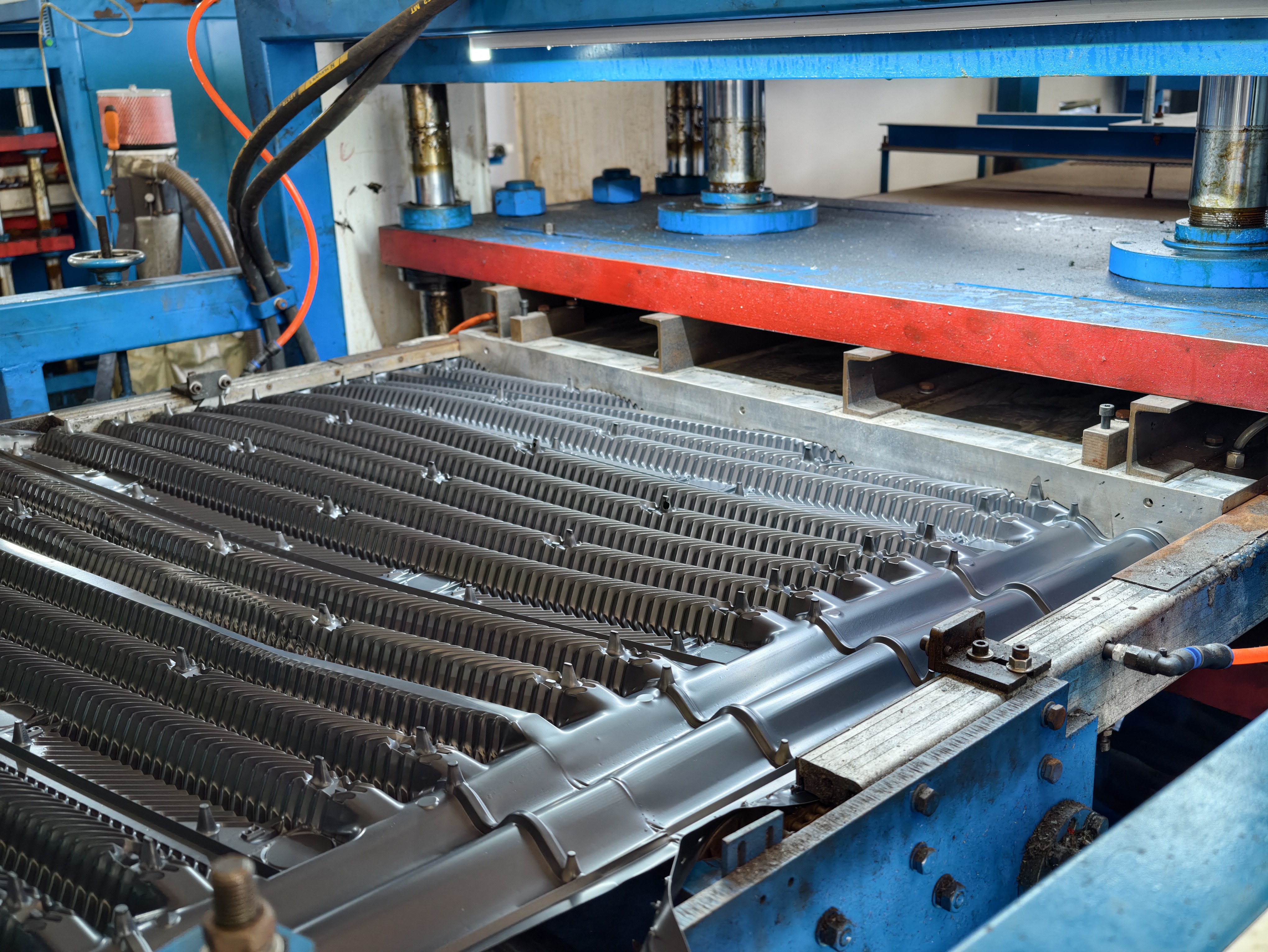
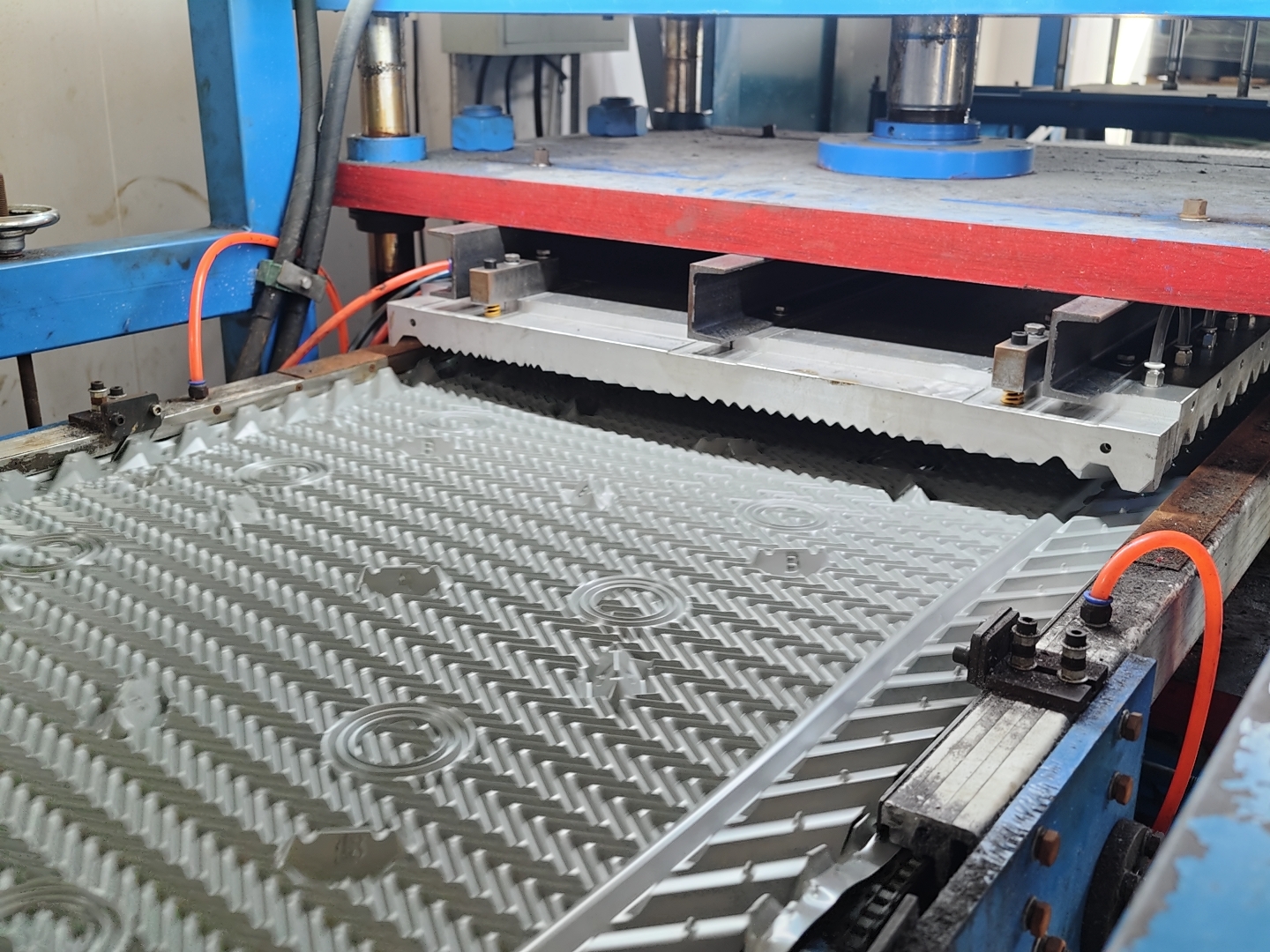
Cooling Tower Fill Supplier: A Guide to Quality and Sourcing
Choosing the right cooling tower fill supplier is an important step when purchasing fill media for a new cooling tower, replacement project, or industrial cooling system. Cooling tower fill plays a central role in improving air-water contact, supporting heat transfer, and maintaining the required cooling capacity.
However, selecting a supplier should involve more than comparing product prices. Buyers also need to evaluate material quality, fill design, manufacturing capabilities, customization, quality control, packaging, delivery, and technical support.
A qualified cooling tower fill supplier should be able to provide consistent products that match the cooling tower's operating conditions and installation requirements. For international buyers, the supplier's export experience and ability to manage large-volume orders are also important.
This guide explains what buyers should know when sourcing cooling tower fill and how to evaluate suppliers more effectively.
What Is Cooling Tower Fill?
Cooling tower fill is the heat-transfer media installed inside a cooling tower. Its primary purpose is to increase the contact area between water and air.
Hot circulating water enters the tower and is distributed over the fill. Air moves through the fill, allowing heat to transfer from the water to the air while a portion of the water evaporates.
Why Is Cooling Tower Fill Important?
An effective fill system can help:
Increase air-water contact
Improve heat and mass transfer
Increase effective surface area
Support evaporative cooling
Maintain cooling tower capacity
Reduce the required tower volume for a given cooling duty
Does Fill Material Determine Cooling Performance?
Material is important, but it is only one part of the overall system.
Cooling performance also depends on:
Therefore, buyers should evaluate the complete fill solution rather than selecting a product based only on its material.
What Types of Cooling Tower Fill Can a Supplier Provide?
A professional supplier may offer different types of cooling tower fill for different tower configurations and operating conditions.
What Is Film-Type Cooling Tower Fill?
Film fill is designed to spread water into thin films across a large surface area.
The resulting air-water contact can provide efficient heat transfer within a relatively compact fill volume.
Where Is Film Fill Commonly Used?
Film fill is commonly considered for applications where circulating water is relatively clean and a high effective surface area is desirable.
Typical applications may include:
What Is Splash-Type Cooling Tower Fill?
Splash fill uses repeated water impact to break the water flow into droplets or smaller streams.
This approach can be useful in applications where water contains suspended solids or has a higher potential for fouling.
When Should Buyers Consider Splash Fill?
Splash fill may be considered when:
Water quality is relatively poor
Suspended solids are present
Fouling is a concern
Easy maintenance is important
A more open fill structure is required
What Are Crossflow and Counterflow Cooling Tower Fills?
Cooling tower fill must also match the airflow configuration of the tower.
In a crossflow cooling tower, air generally moves horizontally across the falling water.
In a counterflow cooling tower, air moves upward while water flows downward.
Why Does Tower Configuration Matter?
The fill geometry influences water distribution, airflow resistance, contact time, and overall heat-transfer behavior.
A supplier should therefore confirm the tower configuration before recommending a particular fill product.
Why Is Material Selection Important?
Cooling tower fill is manufactured from different materials, and each material has different characteristics.
What Materials Are Used for Cooling Tower Fill?
Common materials include:
What Are the Advantages of PVC Cooling Tower Fill?
PVC is widely used because it can offer:
Why Choose PP Cooling Tower Fill?
PP can offer a useful combination of:
When Should You Ask a Supplier About PP Fill?
PP may be worth considering for applications where chemical resistance and specific operating conditions are important.
The actual suitability should be confirmed against the system's temperature, water chemistry, and mechanical requirements.
When Is FRP Cooling Tower Fill Considered?
FRP can be used in applications where specific mechanical or environmental requirements make composite materials appropriate.
A qualified supplier should be able to explain the advantages and limitations of each material based on the application.
How Do You Choose a Reliable Cooling Tower Fill Supplier?
Finding suppliers is easy; finding the right supplier requires a more structured evaluation.
Does the Supplier Have Manufacturing Capability?
Start by determining whether the company is a manufacturer, distributor, or trading company.
A direct cooling tower fill manufacturer may provide:
Better production control
More direct technical communication
Customization options
Greater control over quality
More flexible packaging
Production scheduling support
What Should You Ask a Manufacturer?
Ask about:
Factory location
Production equipment
Production capacity
Product range
Quality control
Custom manufacturing
Export experience
A supplier should be able to clearly explain its manufacturing process and product specifications.
What Quality Factors Should Buyers Check?
Quality is one of the most important considerations when sourcing cooling tower fill.
How Should Cooling Tower Fill Dimensions Be Checked?
Important specifications can include:
Length
Width
Height
Sheet thickness
Fill spacing
Block dimensions
Surface pattern
Even small dimensional differences can create installation difficulties when the fill must fit an existing support structure.
Why Is Sheet Thickness Important?
Sheet thickness affects material consumption, rigidity, handling, and potentially service life.
A thicker sheet is not automatically better, however.
The appropriate thickness should match the fill design, water loading, structural requirements, and operating conditions.
What Should You Check About Fill Surface Quality?
Inspect for:
Uniform forming
Smooth and consistent surfaces
No significant cracks
No obvious deformation
Consistent sheet thickness
Proper bonding where applicable
Why Does Manufacturing Consistency Matter?
For large orders, inconsistent dimensions can create installation problems and make it difficult to maintain uniform fill arrangements throughout the cooling tower.
How Does Fill Design Affect Cooling Performance?
A good supplier should understand that cooling tower fill is not simply a collection of plastic sheets.
What Fill Design Features Matter?
Important factors include:
Surface area
Flute geometry
Flute angle
Sheet spacing
Water path
Air passage
Fill height
Pressure drop
Is Higher Surface Area Always Better?
No.
Increasing surface area may improve air-water contact, but a very restrictive design can increase airflow resistance.
What Is the Ideal Balance?
An effective fill design should balance:
Heat Transfer + Airflow + Water Distribution + Fouling Resistance + Mechanical Stability
This is why buyers should consider the complete fill design rather than comparing only nominal surface-area figures.
How Does Water Quality Affect Fill Selection?
Water chemistry and contamination can have a significant impact on cooling tower fill performance.
What Water Problems Can Affect Fill?
Potential issues include:
Scaling
Algae
Biological growth
Suspended solids
Sludge
Oil contamination
Chemical deposits
What Happens When Fill Becomes Fouled?
Fouling can:
Reduce effective heat-transfer area
Restrict airflow
Change water distribution
Increase pressure drop
Reduce cooling efficiency
Increase maintenance requirements
Should Film Fill Be Used with Dirty Water?
Film fill may be more sensitive to fouling because its narrow passages can become blocked.
For poor-quality water, buyers should discuss water conditions with the supplier before choosing a particular fill structure.
How Can You Source Cooling Tower Fill from a Supplier?
A structured sourcing process can make supplier evaluation more efficient.
Step 1: Define Your Technical Requirements
Prepare:
Cooling tower type
Fill type
Material
Dimensions
Thickness
Quantity
Water temperature
Water quality
Application
Delivery destination
Step 2: Contact Multiple Suppliers
Request quotations from several qualified manufacturers or suppliers.
Using the same technical specification makes it easier to compare offers.
Step 3: Request Samples
For a new supplier, samples can help verify:
Dimensions
Thickness
Surface structure
Material appearance
Forming quality
Overall workmanship
Step 4: Compare Complete Quotations
Do not compare only the unit price.
Consider:
Product price
Packaging
Freight
Payment terms
Lead time
Inspection
After-sales support
Step 5: Confirm Production and Delivery
Before placing a bulk order, confirm the agreed specifications and production schedule in writing.
What Should Be Included in a Cooling Tower Fill RFQ?
A detailed RFQ can help suppliers provide accurate quotations.
What Technical Information Should You Provide?
A typical RFQ may include:
Product Information
Cooling tower fill type
Material
Dimensions
Thickness
Required quantity
Application Information
Commercial Information
Delivery destination
Required delivery date
Packaging requirements
Preferred trade terms
Providing complete information can reduce quotation errors and unnecessary follow-up.
How Is Cooling Tower Fill Price Determined?
Cooling tower fill does not have one standard price.
What Factors Affect Supplier Pricing?
The quotation may depend on:
Raw material cost
Fill design
Sheet thickness
Order quantity
Customization
Packaging
Production complexity
Shipping requirements
Can Bulk Orders Reduce the Unit Price?
Larger orders may allow manufacturers to improve production efficiency and spread setup costs across more units.
However, buyers should calculate their actual project requirements before ordering excessive quantities.
Should You Compare Price per Sheet or Total Cost?
Total landed cost is generally more useful.
Consider:
Product Cost + Packaging + Freight + Duties + Handling + Installation
This can reveal differences between suppliers that are not visible from the factory quotation alone.
Can Cooling Tower Fill Be Customized?
Yes. Many manufacturers can provide customized cooling tower fill for specific projects.
What Can Be Customized?
Depending on the supplier, customization may include:
Length
Width
Thickness
Fill height
Flute design
Color
Packaging
Pallet dimensions
Labels
When Is Custom Cooling Tower Fill Useful?
Customization can be valuable for:
What Information Is Needed for Custom Production?
Provide:
Existing fill dimensions
Photos
Technical drawings
Cooling tower model
Required quantity
Operating conditions
Installation dimensions
The supplier can then determine whether a standard product or customized solution is appropriate.
How Important Is Packaging When Buying Cooling Tower Fill?
Packaging can significantly affect international transportation.
Why Does Cooling Tower Fill Need Careful Packaging?
Fill is often lightweight but bulky. Improper stacking or compression may cause deformation during handling and shipping.
A supplier should consider:
Pallet size
Stack height
Protective wrapping
Strapping
Container loading
Unloading requirements
Can Better Loading Reduce Shipping Costs?
Yes.
For large-volume orders, optimized pallet dimensions and container loading can improve space utilization.
What Should Buyers Ask?
Ask the supplier for:
This information can help buyers estimate the complete logistics cost.
How Should You Evaluate a Supplier's Delivery Capability?
Delivery is particularly important for industrial projects with fixed installation schedules.
What Affects Production Lead Time?
Lead time may depend on:
What Should Be Confirmed Before Ordering?
Confirm:
Why Is Lead-Time Reliability Important?
A delayed fill shipment can delay cooling tower refurbishment or installation, potentially affecting the entire project schedule.
What Are Common Cooling Tower Fill Sourcing Mistakes?
Choosing Only the Cheapest Supplier
The lowest quotation may not represent the lowest total cost.
Not Confirming the Material
Always confirm the actual material specification.
Ignoring Water Quality
Fill selection should consider scaling, fouling, biological growth, and suspended solids.
Ordering Without Checking Dimensions
Incorrect dimensions can create installation problems.
Focusing Only on Surface Area
Cooling performance also depends on airflow resistance and water distribution.
Not Checking Production Capacity
A supplier may handle small orders but struggle with large project quantities.
Forgetting Export Packaging
Poor packaging can cause damage before the product reaches the job site.
Cooling Tower Fill Supplier Evaluation Checklist
Before selecting a supplier, buyers can use this checklist.
Product Quality
Manufacturing
Commercial
Product price confirmed
Packaging cost confirmed
Freight calculated
Payment terms confirmed
Trade terms confirmed
Delivery
How Can You Build a Long-Term Relationship With a Cooling Tower Fill Supplier?
For distributors and engineering companies, supplier selection should not always be treated as a one-time purchase.
Why Is Long-Term Supplier Cooperation Valuable?
A stable supplier relationship can make future orders easier through:
Standardized specifications
Faster quotations
Consistent product quality
Repeat-order pricing
Better production planning
Easier technical communication
What Should Be Standardized?
For repeat purchasing, consider establishing:
Product specifications
Material requirements
Packaging
Labels
Inspection standards
Delivery requirements
This can reduce misunderstandings on future orders.
Final Thoughts on Cooling Tower Fill Sourcing
Selecting a reliable cooling tower fill supplier requires a balanced evaluation of product quality, material, design, manufacturing capability, price, customization, packaging, and delivery.
A professional supplier should be able to understand the technical requirements of different cooling tower applications and provide suitable fill media for new installations, replacement projects, and industrial cooling systems.
For buyers, the most effective approach is to define the application clearly, compare multiple qualified suppliers, request samples, verify specifications, calculate total landed cost, and confirm production and delivery conditions before placing a bulk order.
Whether you need PVC cooling tower fill, PP cooling tower fill, film fill, splash fill, crossflow fill, counterflow fill, or customized cooling tower fill, choosing the right supplier can help create a more reliable procurement process and support consistent cooling tower operation.