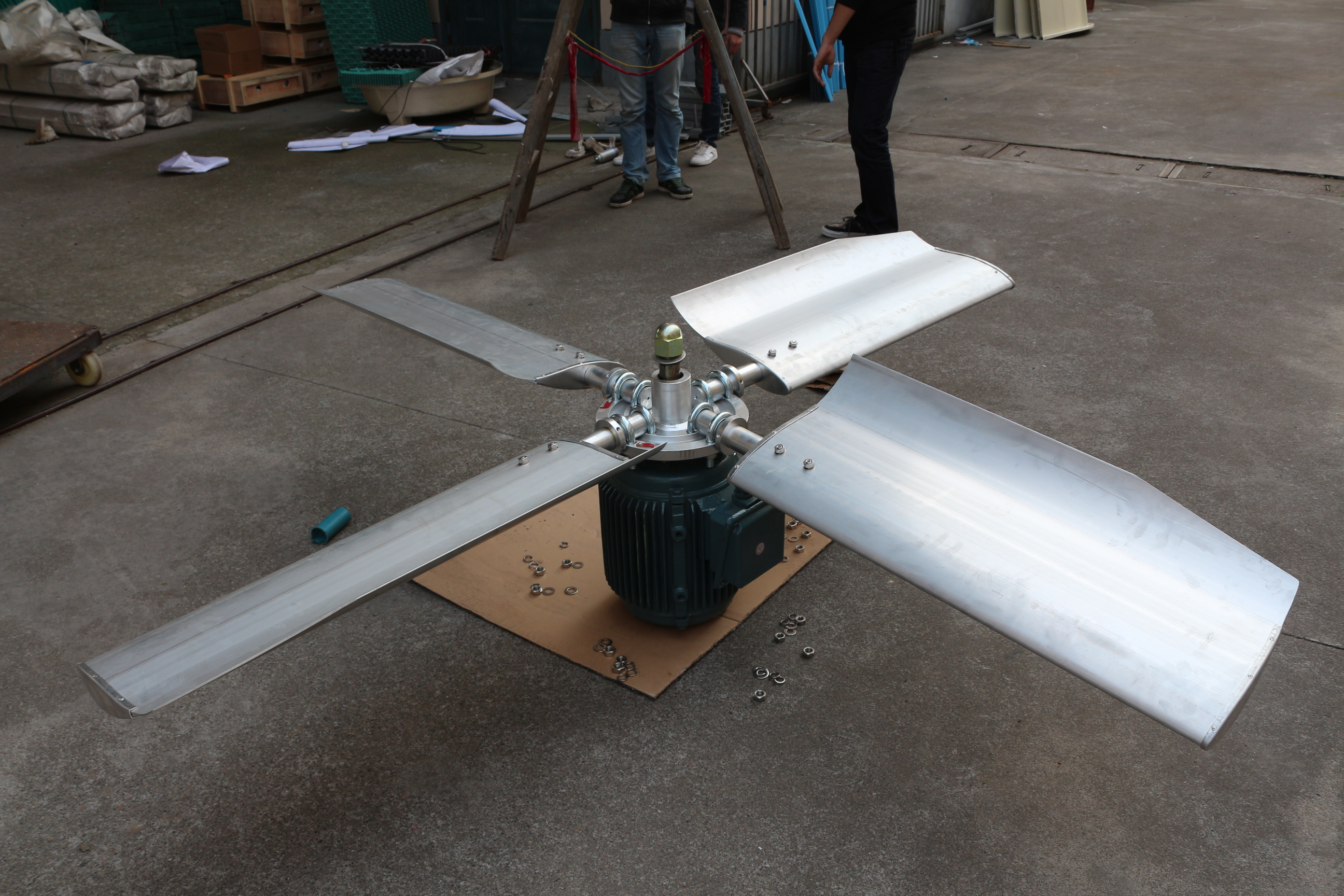
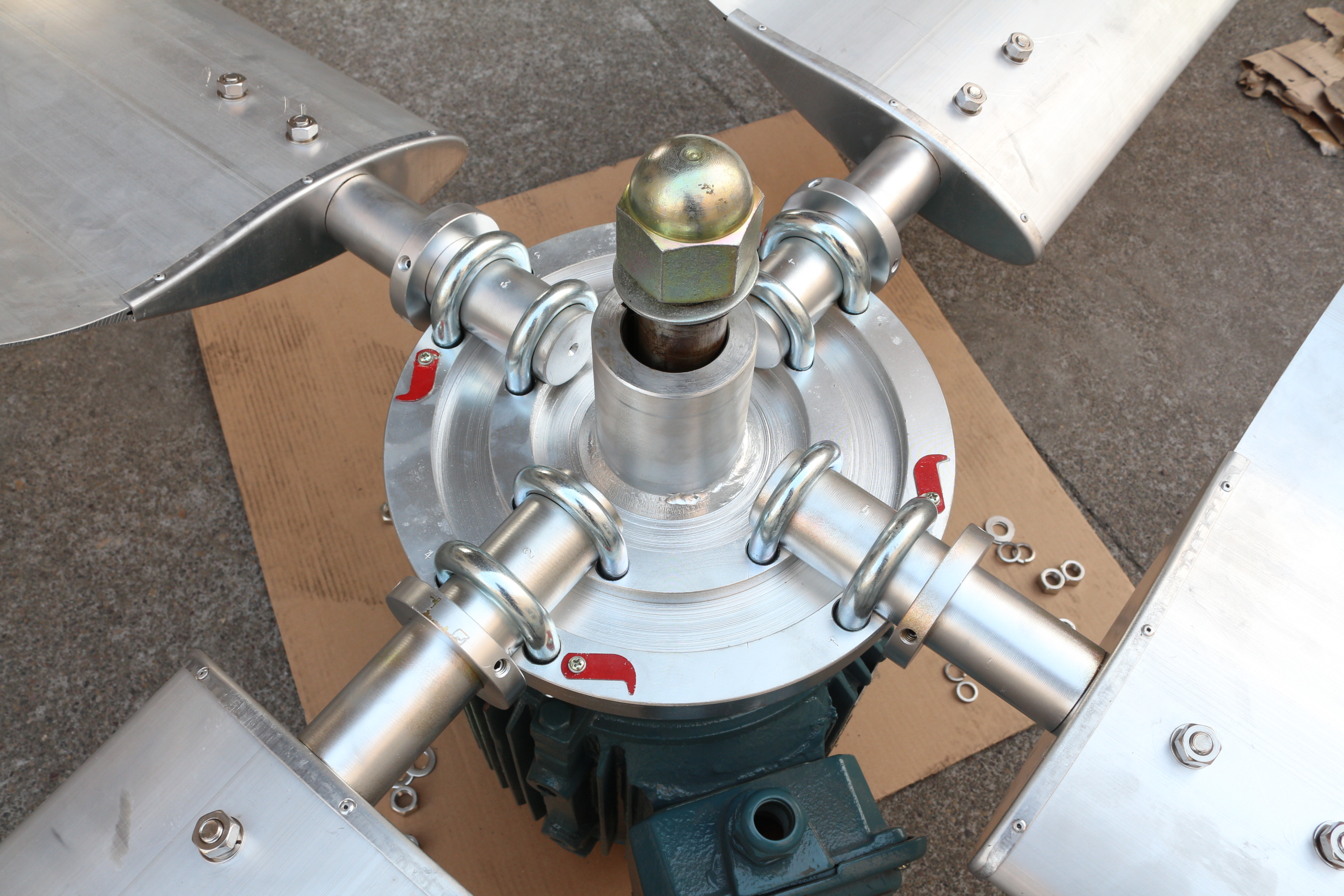
Understanding Cooling Tower Fan Blade Materials And Designs
Cooling tower fan blades are essential components that directly influence airflow, heat rejection efficiency, energy consumption, and the overall reliability of industrial cooling systems. Although cooling tower fans may appear relatively simple, their performance depends on several engineering factors, including blade material, aerodynamic profile, pitch angle, structural strength, and manufacturing precision.
Selecting the right cooling tower fan blade is important for power plants, chemical processing facilities, HVAC systems, manufacturing factories, and other industrial applications. Different operating environments require different blade materials and designs to achieve stable airflow and long-term performance.
This article explores the most common cooling tower fan blade materials, structural designs, aerodynamic characteristics, and selection considerations to help equipment owners and purchasing professionals make informed decisions.

1. What Are Cooling Tower Fan Blades and How Do They Work?
Cooling tower fan blades are rotating aerodynamic components designed to move large volumes of air through a cooling tower. They work together with the fan hub, gearbox, motor, and fan stack to create the airflow required for heat exchange.
When warm water enters a cooling tower, it is distributed over the fill media. The fan draws or pushes air through the tower, allowing heat to transfer from the circulating water into the surrounding air.
1.1 The Main Functions of Cooling Tower Fan Blades
A properly designed cooling tower fan blade performs several important functions.
Generating Consistent Airflow
The blade profile creates pressure differences that move air through the cooling tower. Consistent airflow helps improve contact between air and water, supporting efficient heat transfer.
Reducing Energy Consumption
Aerodynamically optimized blades can deliver the required airflow with lower resistance. This helps reduce the power demand of the fan motor and improve overall operating efficiency.
Maintaining Stable Operation
Correct blade geometry and balanced weight distribution reduce vibration and mechanical stress. Stable operation also helps protect the gearbox, motor, bearings, and supporting structure.
1.2 How Fan Blade Design Affects Cooling Performance
Fan blade design influences several important operating parameters:
Air volume and airflow distribution
Static pressure and aerodynamic resistance
Fan power consumption
Rotational speed and operating stability
Noise and vibration levels
Mechanical service life
A fan blade that is suitable for one cooling tower may not perform equally well in another. Tower dimensions, airflow resistance, operating temperature, and fan diameter must all be considered during selection.
2. Common Cooling Tower Fan Blade Materials
Material selection is one of the most important considerations when purchasing replacement or custom cooling tower fan blades.
Different materials offer different combinations of weight, strength, corrosion resistance, manufacturing flexibility, and maintenance requirements.
2.1 FRP Cooling Tower Fan Blades
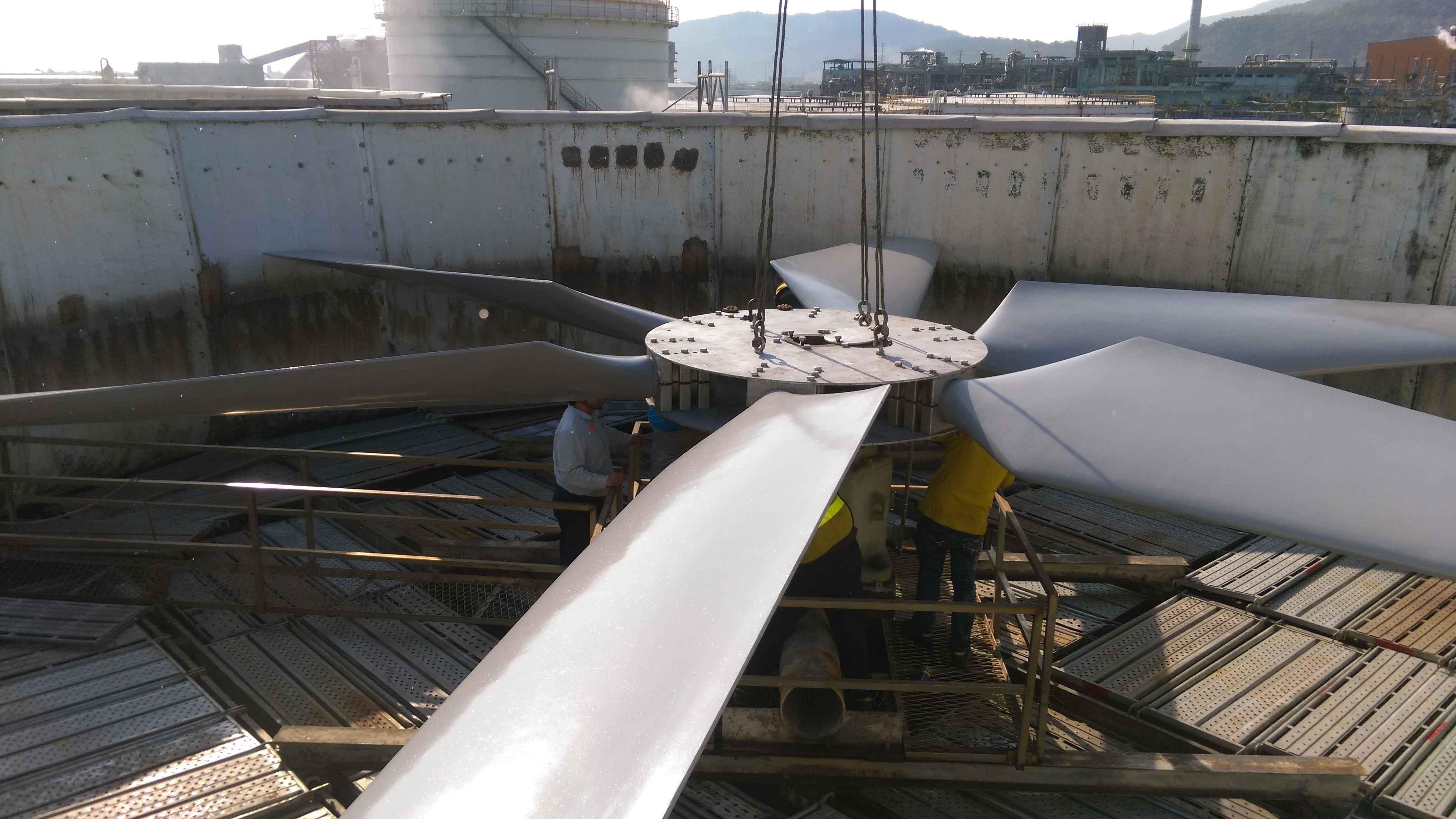
FRP (Fiber Reinforced Plastic) is widely used in industrial cooling tower fan manufacturing. It combines reinforcing fibers with a resin matrix to create a lightweight composite material.
FRP cooling tower fan blades are particularly suitable for environments where corrosion resistance, low weight, and customized aerodynamic shapes are important.
Advantages of FRP Fan Blades
1. Excellent Corrosion Resistance
FRP materials can resist moisture, many industrial chemicals, and corrosive atmospheric conditions when the resin system is properly selected.
2. Lightweight Construction
Compared with many traditional metal alternatives, FRP blades can reduce rotating mass. This can help reduce mechanical loading on the fan drive system, although the actual effect depends on the complete fan design.
3. Flexible Manufacturing
FRP manufacturing allows different blade shapes, thicknesses, and aerodynamic profiles to be produced according to project requirements.
4. Good Fatigue Performance
Properly engineered composite structures can withstand repeated operating loads. Fiber orientation, resin quality, and manufacturing processes are important to long-term fatigue resistance.
Typical Applications of FRP Fan Blades
Large industrial cooling towers
Chemical processing plants
Power generation facilities
Petrochemical cooling systems
Industrial water treatment facilities
2.2 Aluminum Cooling Tower Fan Blades
Aluminum is another common material used in cooling tower fan blade manufacturing. It provides a combination of relatively low weight, good strength, and machinability.
Advantages of Aluminum Blades
Good strength-to-weight ratio
Relatively high dimensional stability
Convenient manufacturing and machining
Good thermal conductivity
Recyclable material
Limitations of Aluminum Fan Blades
Aluminum may be affected by corrosion in certain industrial environments, especially where water chemistry, chloride exposure, or chemical contamination is unfavorable.
Protective coatings and suitable alloy selection can improve corrosion resistance, but maintenance and inspection remain necessary.
2.3 Stainless Steel Cooling Tower Fan Blades
Stainless steel is used in specialized applications where mechanical strength and corrosion resistance are important.
Key Characteristics
Stainless steel offers good structural strength and can withstand demanding operating conditions. However, its relatively high density increases rotating weight compared with many composite alternatives.
Where Are Stainless Steel Blades Used?
Specialized industrial ventilation systems
Certain corrosive operating environments
Applications requiring specific mechanical properties
Customized heavy-duty fan installations
The appropriate stainless steel grade should be selected according to the actual chemical environment.
2.4 Comparison of Different Fan Blade Materials
Material | Main Advantages | Main Considerations |
FRP | Lightweight, corrosion resistant, customizable | Requires controlled composite manufacturing |
Aluminum | Lightweight, machinable, good strength | May require corrosion protection |
Stainless Steel | High strength, good corrosion resistance with suitable grade | Higher weight and cost considerations |
FRP is often an attractive option for modern industrial cooling towers because it offers a useful balance of weight, corrosion resistance, and aerodynamic design flexibility.
3. Understanding Different Cooling Tower Fan Blade Designs
Material selection alone cannot determine fan performance. Blade geometry and aerodynamic design are equally important.
The blade profile determines how air flows across the blade surface and how effectively rotational energy is converted into airflow.
3.1 Airfoil Cooling Tower Fan Blade Design
Airfoil blades are designed with curved cross-sectional profiles that generate aerodynamic lift as they rotate.
This design helps move large volumes of air while controlling aerodynamic losses.
Key Features of Airfoil Blades
Aerodynamic cross-sectional geometry
Improved airflow characteristics
Potentially lower energy consumption
Reduced aerodynamic noise when properly designed
Suitable for high-efficiency industrial fans
Why Is Airfoil Design Important?
An optimized airfoil profile helps maintain an appropriate pressure distribution across the blade surface.
The leading edge, trailing edge, blade thickness, and camber all influence aerodynamic performance.
3.2 Adjustable Pitch Fan Blade Design
Adjustable pitch blades allow the blade installation angle to be changed to match different airflow requirements.
Benefits of Adjustable Pitch Design
Flexible airflow adjustment
Adaptation to different operating conditions
Convenient performance optimization
Easier replacement and configuration for compatible fan systems
Important Pitch Adjustment Considerations
Blade pitch should be set according to the manufacturer's engineering specifications.
All blades should maintain consistent pitch angles. Incorrect adjustment can cause uneven airflow, excessive vibration, increased motor power consumption, and mechanical stress.
3.3 Fixed Pitch Cooling Tower Fan Blades
Fixed pitch fan blades are manufactured or installed with a predetermined blade angle.
Main Advantages
Relatively simple construction
Consistent operating configuration
Fewer adjustment components
Straightforward installation
These blades are suitable for cooling towers that operate under relatively stable airflow and load conditions.
3.4 Hollow and Solid Fan Blade Structures
The internal construction of a cooling tower fan blade also affects its weight, stiffness, and manufacturing requirements.
Hollow Blade Structure
Hollow blades use an internal cavity or structural core to reduce weight while maintaining the required stiffness.
Potential benefits include:
However, internal bonding, sealing, and manufacturing quality must be carefully controlled.
Solid Blade Structure
Solid or solid-core composite structures may offer straightforward construction and good local support.
Their weight and mechanical properties depend on the selected material and internal structure.
4. Key Engineering Factors in Cooling Tower Fan Blade Design
A reliable cooling tower fan blade requires more than an attractive external shape. Engineers must evaluate aerodynamic performance and mechanical strength together.
4.1 Blade Length and Diameter
Fan blade length determines the overall fan diameter when installed on the hub.
A larger fan diameter can move more air under suitable operating conditions, but it also affects rotational speed, structural loading, and installation requirements.
Important Design Considerations
Choosing an incorrect blade length may result in interference with surrounding structures or insufficient airflow performance.
4.2 Blade Pitch Angle
Blade pitch is the angle between the blade reference line and the plane of rotation, based on the manufacturer's specified measurement convention.
How Does Pitch Angle Affect Airflow?
Increasing blade pitch generally increases aerodynamic loading and can increase airflow and power demand. However, this relationship is not unlimited.
If the blade pitch is too high, the fan may experience excessive power consumption, airflow separation, motor overload, or unstable operation.
If the pitch is too low, the fan may not deliver the required airflow.
4.3 Blade Thickness and Structural Strength
Blade thickness affects stiffness, weight, and resistance to mechanical loads.
A blade that is too thin may experience excessive deformation or fatigue stress. An unnecessarily thick blade may increase weight and aerodynamic resistance.
Why Is Thickness Distribution Important?
The blade root and blade tip experience different mechanical and aerodynamic conditions.
The root generally requires sufficient structural reinforcement to withstand centrifugal and bending loads, while the outer blade region must maintain an appropriate aerodynamic profile.
4.4 Blade Weight and Balance
All fan blades should have controlled weight distribution to maintain rotor balance.
Uneven blade weight can produce vibration during operation.
Dynamic and Static Balancing
Static balancing helps identify uneven mass distribution around the rotational axis.
Dynamic balancing evaluates the rotor's balance during rotation and helps identify vibration caused by mass distribution across different planes.
The required balancing procedure should follow the fan manufacturer's specifications and applicable engineering standards.
5. How to Choose the Right Cooling Tower Fan Blade Material and Design?
Selecting a suitable cooling tower fan blade requires evaluating the complete operating environment rather than focusing on material price alone.
5.1 Identify the Cooling Tower Type
Different cooling tower configurations have different airflow requirements.
Counterflow Cooling Towers
In counterflow cooling towers, air generally moves upward while water flows downward.
Fan selection must account for the tower's internal resistance and required airflow volume.
Crossflow Cooling Towers
In crossflow cooling towers, air moves horizontally across the falling water.
Fan blade selection should consider the tower's airflow distribution, fan deck configuration, and operating conditions.
5.2 Evaluate the Operating Environment
Environmental conditions directly affect blade material selection.
Consider the following factors:
Ambient temperature and humidity
Water quality and chemical exposure
Salt spray and corrosive atmosphere
Dust and airborne particles
Continuous operating hours
Outdoor weather conditions
For corrosive environments, appropriately engineered FRP blades may provide advantages over unprotected metal alternatives.
5.3 Confirm Fan Performance Requirements
Before purchasing replacement blades, obtain the technical information required to match the existing fan system.
Important parameters include:
Parameter | Why It Matters |
Fan diameter | Determines installation compatibility |
Blade quantity | Ensures correct hub configuration |
Rotational speed | Influences aerodynamic and mechanical loading |
Required airflow | Determines fan performance requirements |
Static pressure | Defines the resistance the fan must overcome |
Motor power | Helps prevent motor overload |
Blade pitch | Affects airflow and power consumption |
5.4 Consider Custom Manufacturing Requirements
For non-standard cooling tower systems, custom cooling tower fan blades may be necessary.
A professional manufacturer should be able to evaluate:
Existing blade dimensions
Original fan drawings
Hub connection specifications
Blade aerodynamic profile
Material and resin requirements
Operating temperature
Required mechanical performance
Custom manufacturing can help replace discontinued or damaged blades while maintaining compatibility with existing cooling tower equipment.
6. Cooling Tower Fan Blade Manufacturing Process
Manufacturing quality has a direct influence on blade reliability, dimensional accuracy, and operating performance.
FRP cooling tower fan blades require particular attention to material preparation, fiber reinforcement, resin processing, and quality inspection.
6.1 Mold Preparation
The manufacturing process begins with preparing the blade mold.
Mold Accuracy
The mold must accurately reproduce the required blade profile, thickness, and dimensions.
Any significant mold deviation may affect aerodynamic consistency between blades.
6.2 Fiber Reinforcement and Resin Application
During FRP blade production, reinforcing fibers are combined with a suitable resin system.
Material Selection
Common reinforcement materials include:
Resin systems may include polyester or vinyl ester, depending on the required chemical resistance and operating environment.
6.3 Molding and Curing
The prepared composite materials are placed into the mold and processed according to the selected manufacturing method.
Proper curing helps develop the required mechanical properties.
Important Production Controls
Resin-to-fiber ratio
Fiber orientation
Laminate thickness
Curing temperature
Curing time
Surface quality
Poor process control may result in voids, delamination, inconsistent thickness, or reduced structural strength.
6.4 Trimming, Finishing, and Quality Inspection
After curing, the blade is removed from the mold and undergoes finishing operations.
Inspection should include dimensional verification, surface examination, connection checks, and other tests specified by the product design.
7. Common Cooling Tower Fan Blade Problems and Their Causes
Even well-designed fan blades require proper installation and maintenance. Operating problems can develop because of environmental exposure, incorrect adjustment, mechanical damage, or manufacturing defects.
7.1 Fan Blade Cracking
Cracks may develop because of repeated fatigue loading, impact damage, excessive vibration, or manufacturing defects.
Recommended Solutions
Inspect the blade root and connection area.
Identify the source of excessive vibration.
Check for impact or foreign-object damage.
Replace blades that have structural cracks.
Follow the manufacturer's repair or replacement requirements.
Structural cracks should never be ignored because they may lead to blade failure.
7.2 Excessive Fan Vibration
Fan vibration may be caused by uneven blade weight, incorrect pitch settings, rotor imbalance, loose fasteners, or gearbox problems.
Recommended Solutions
Check blade pitch consistency.
Inspect blade condition and mounting hardware.
Verify rotor balance.
Examine hub and gearbox connections.
Measure vibration according to maintenance procedures.
7.3 Corrosion and Surface Deterioration
Metal blades may experience corrosion, while composite blades may suffer from surface coating deterioration, chemical attack, or environmental degradation.
Regular inspections help identify early signs of damage.
7.4 Reduced Airflow Performance
Reduced airflow may result from incorrect blade pitch, damaged blade profiles, excessive dirt accumulation, or unsuitable fan operating conditions.
Checking the fan system as a whole is important before replacing individual components.
8. How to Extend the Service Life of Cooling Tower Fan Blades?
Proper maintenance can improve fan reliability and reduce unexpected replacement costs.
8.1 Perform Regular Visual Inspections
Inspect blades for cracks, deformation, surface damage, corrosion, and loose connections.
Pay particular attention to the blade root and hub mounting area.
8.2 Maintain Correct Blade Pitch
Blade pitch should be measured and recorded during installation and maintenance.
All blades should follow the specified configuration to maintain consistent aerodynamic loading.
8.3 Monitor Vibration and Operating Conditions
Unexpected vibration, unusual noise, and changes in motor current may indicate developing mechanical or aerodynamic problems.
Establishing operating baselines makes it easier to identify abnormal conditions.
8.4 Keep Fan Blades Clean
Accumulated dust, scale, and other deposits can change the aerodynamic surface and create uneven mass distribution.
Cleaning procedures should be compatible with the blade material and protective coatings.
8.5 Replace Damaged Components Promptly
Damaged blades, fasteners, and hub components should be evaluated and replaced according to manufacturer recommendations.
Running a fan with a structurally damaged blade can create serious equipment risks.
9. Why Choose FRP Cooling Tower Fan Blades for Industrial Applications?
FRP cooling tower fan blades have become an important option for industrial cooling systems because of their combination of low weight, corrosion resistance, and design flexibility.
9.1 Suitable for Demanding Industrial Environments
FRP blades can be engineered for humid, corrosive, and chemically demanding environments through appropriate fiber and resin selection.
9.2 Flexible Customized Designs
Manufacturers can customize blade dimensions, aerodynamic profiles, connection configurations, and structural reinforcement according to project requirements.
9.3 Reduced Rotating Weight
The relatively low density of composite materials can help reduce rotating mass, depending on the blade design.
This may be beneficial for fan drive systems when the complete assembly is properly engineered.
9.4 Long-Term Maintenance Considerations
FRP blades do not require the same corrosion protection approach as conventional unprotected steel blades. Nevertheless, regular inspections remain essential to identify impact damage, delamination, and surface deterioration.
10. How to Select a Reliable Cooling Tower Fan Blade Manufacturer?
Choosing an experienced cooling tower fan blade manufacturer is important for ensuring product quality and long-term operating reliability.
10.1 Evaluate Manufacturing Experience
Look for manufacturers with experience producing industrial cooling tower fan blades and supplying replacement components for different cooling tower models.
10.2 Check Material Quality
Ask about the manufacturer's FRP reinforcement materials, resin systems, production processes, and inspection procedures.
Questions to Ask the Manufacturer
What type of fiberglass reinforcement is used?
Which resin system is suitable for the operating environment?
How is blade thickness controlled?
What quality inspections are performed?
Can the manufacturer produce blades according to existing drawings?
10.3 Confirm Customization Capabilities
A qualified supplier should be able to work with customer drawings, original samples, or technical specifications.
10.4 Review Quality Control Procedures
Important quality control items include dimensional inspection, material verification, structural checks, blade weight consistency, and balancing requirements.
10.5 Compare Total Purchasing Value
The lowest initial purchase price does not always represent the best value.
Consider manufacturing quality, product compatibility, delivery time, technical support, replacement availability, and expected maintenance requirements.
11. FAQ About Cooling Tower Fan Blade Materials and Designs
11.1 What Is the Best Material for Cooling Tower Fan Blades?
FRP is a popular choice for many industrial cooling tower applications because it offers lightweight construction, corrosion resistance, and flexible aerodynamic design.
However, aluminum and stainless steel may also be appropriate depending on operating conditions and engineering requirements.
11.2 Why Are FRP Cooling Tower Fan Blades Widely Used?
FRP blades provide a useful combination of low weight, corrosion resistance, and customizable structures. These characteristics make them suitable for many large industrial cooling towers.
11.3 How Does Fan Blade Pitch Affect Cooling Tower Performance?
Blade pitch affects airflow, pressure generation, and motor power consumption. An appropriate pitch setting helps achieve the required airflow without overloading the fan drive system.
11.4 How Often Should Cooling Tower Fan Blades Be Inspected?
Inspection frequency depends on operating conditions, manufacturer recommendations, and maintenance requirements. Regular visual inspections and scheduled mechanical checks are important for continuously operated industrial systems.
11.5 Can FRP Cooling Tower Fan Blades Be Customized?
Yes. FRP fan blades can be customized in terms of length, profile, pitch, thickness, reinforcement, and connection dimensions according to the cooling tower design.
11.6 When Should Cooling Tower Fan Blades Be Replaced?
Replacement should be considered when blades have structural cracks, serious deformation, delamination, unacceptable corrosion, or other damage that compromises safe operation.
12. Conclusion
Understanding cooling tower fan blade materials and designs is essential for improving industrial cooling system performance. Material selection, aerodynamic profile, blade pitch, structural strength, and manufacturing quality all influence fan efficiency and operational reliability.
FRP cooling tower fan blades offer significant advantages for many industrial applications because of their lightweight construction, corrosion resistance, and customization flexibility. Aluminum and stainless steel blades also remain useful choices for specific operating conditions.
When selecting cooling tower fan blades, buyers should evaluate the complete fan system, verify technical compatibility, and work with an experienced manufacturer capable of providing reliable products and engineering support.
Choosing the right cooling tower fan blade is not simply a component purchasing decision. It is an important investment in airflow efficiency, equipment reliability, and long-term cooling tower performance.