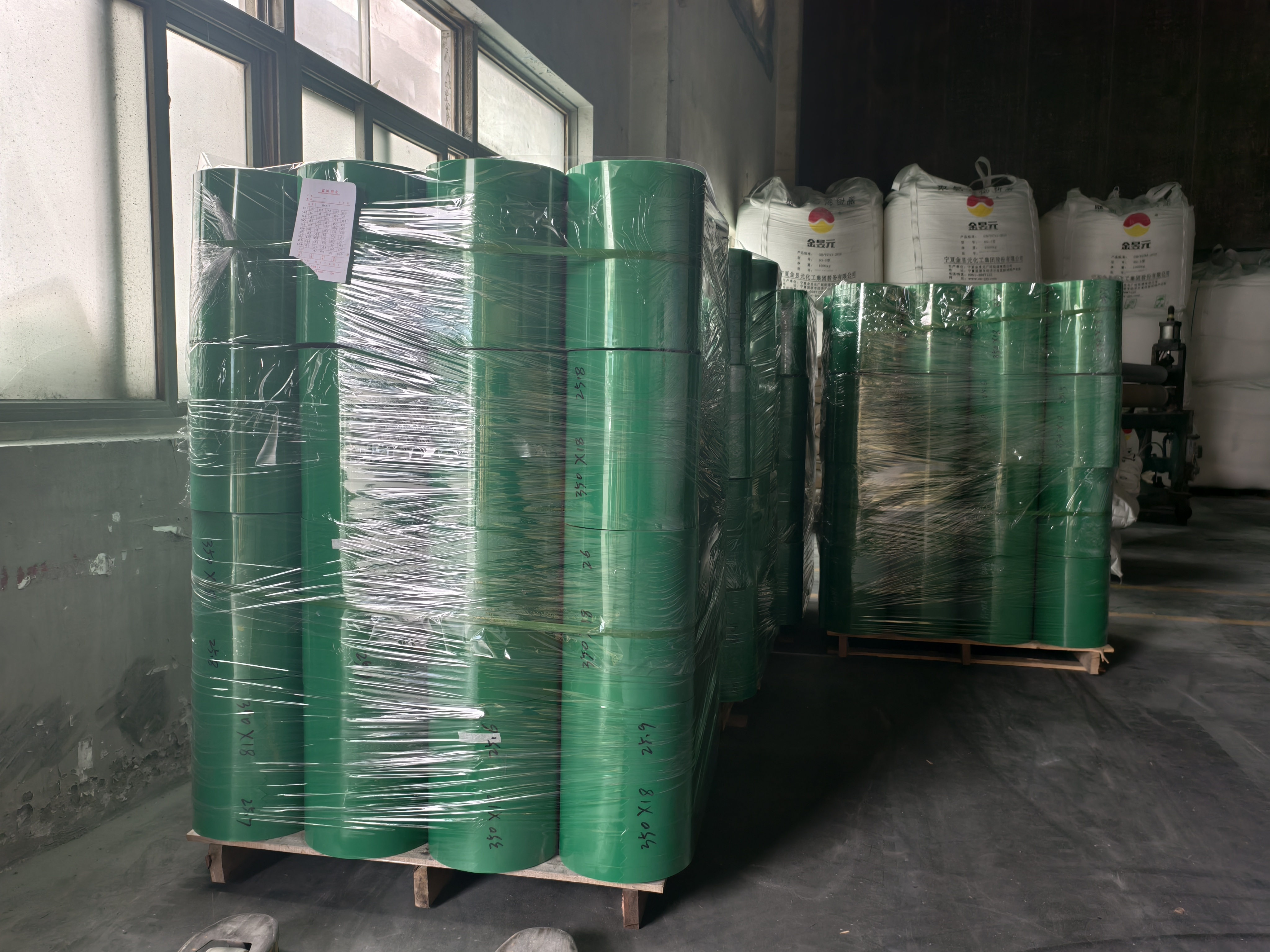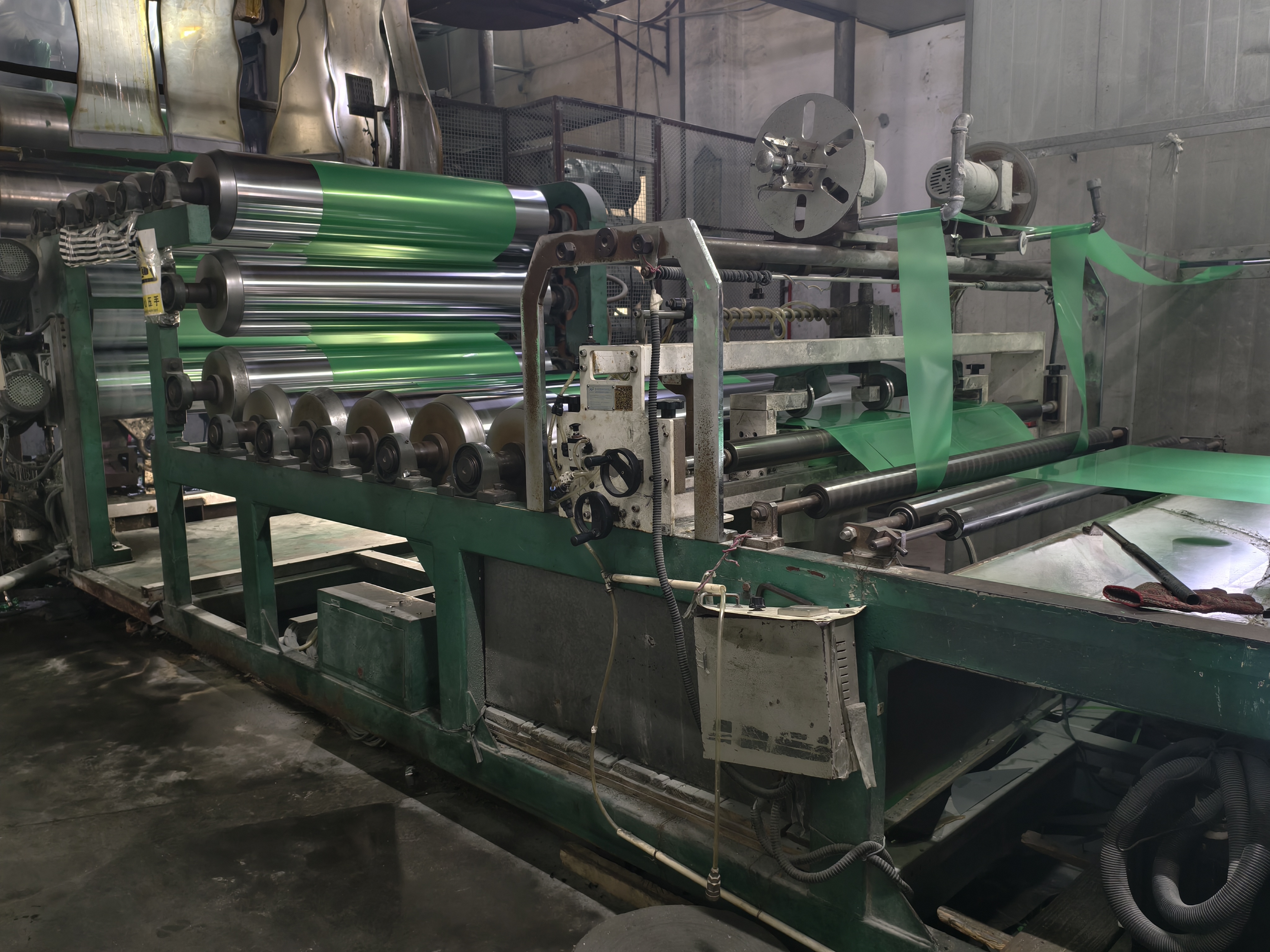
PVC Sheet for Cooling Tower Fill is an important raw material used to manufacture cooling tower film fill media and replacement fill packs. Designed for industrial cooling tower applications, PVC sheets can be processed into corrugated, embossed, or other structured surfaces that increase the contact area between circulating water and airflow. Properly selected PVC material helps manufacturers produce cooling tower fill with reliable heat transfer performance, dimensional stability, and service life under suitable operating conditions.
CoolingTowerPart.com supplies cooling tower components and replacement materials for industrial buyers, cooling tower maintenance contractors, OEM projects, and aftermarket refurbishment applications. We can support sourcing requirements for PVC sheets used in cooling tower fill production, with material specifications and supply formats confirmed according to project needs.
What Is PVC Sheet for Cooling Tower Fill?
PVC sheet for cooling tower fill is a thermoplastic sheet material used to manufacture fill media inside evaporative cooling towers. During production, the sheet may be heated, embossed, corrugated, vacuum-formed, or otherwise shaped according to the required fill design.
The finished sheets are assembled into fill packs or blocks and installed in the cooling tower's heat-transfer section.
In operation, hot circulating water flows over the fill surfaces while air passes through the fill pack. The enlarged wetted surface promotes heat and mass transfer, allowing a portion of the water to evaporate and helping cool the remaining water.
PVC is widely used for cooling tower fill because it can be formed into complex geometries and offers useful resistance to moisture and many common water-treatment environments. The suitability of a particular PVC formulation depends on its operating temperature, water chemistry, mechanical requirements, and fire-performance specifications.
Key Features of Cooling Tower PVC Sheets
Formability for Film Fill Production
PVC sheets can be processed into structured surfaces designed to distribute water and promote air-water contact. The appropriate sheet thickness, forming temperature, and forming process depend on the selected fill geometry.
Moisture Resistance
PVC does not readily absorb water under normal service conditions. This characteristic makes it useful for cooling tower environments where fill media are continuously exposed to circulating water and humid air.
Chemical Resistance
PVC can resist many common chemicals, but performance varies with chemical concentration, temperature, additives, and exposure duration. Buyers should confirm compatibility with the actual cooling water and treatment chemicals used at the site.
Lightweight Construction
PVC fill media are relatively lightweight compared with many traditional materials. This helps simplify transportation, handling, installation, and replacement, although the total load must still account for retained water and supporting structures.
Customizable Surface Design
PVC sheets can be produced or processed for different fill designs. Depending on the manufacturing process, options may include smooth sheets, embossed sheets, or sheets intended for corrugated and cross-fluted fill configurations.
Production Consistency
Consistent sheet thickness, surface quality, and material properties help manufacturers maintain stable forming conditions and produce fill packs with repeatable dimensions.
Technical Specifications
The following table provides a preliminary specification framework. Final values should be confirmed against the required sheet grade and manufacturing process.
| Specification | Available options or requirements |
| Product name | PVC Sheet for Cooling Tower Fill |
| Base material | Polyvinyl chloride (PVC) |
| Color | Black or other specified colors |
| Thickness | Customized according to fill design |
| Sheet width | Customized to production equipment |
| Sheet length | Cut sheet or roll format, where available |
| Surface finish | Smooth, embossed, or specified forming pattern |
| Processing method | Thermoforming, vacuum forming, corrugation, or other suitable processes |
| End use | Film fill media and cooling tower replacement fill |
| Chemical resistance | Confirm according to water chemistry and additives |
| Temperature rating | Confirm for the selected PVC formulation |
| Fire performance | Specify the required rating and test standard |
| Packaging | Protective packaging for bulk shipment |
Note: Thickness, width, length, temperature limits, fire performance, and other numerical specifications should be established from the supplier's technical data sheet rather than assumed from a product photograph.
Applications of PVC Sheets in Cooling Tower Fill Manufacturing
Industrial Cooling Towers
PVC sheets are used to manufacture fill media for cooling towers serving manufacturing plants, industrial process systems, and utility facilities. The final fill design must match the tower's airflow, water loading, thermal duty, and available installation space.
HVAC Cooling Towers
Commercial buildings, hospitals, shopping centers, and office complexes may use cooling towers for air-conditioning systems. PVC film fill can provide the required heat-transfer surface when selected for the tower's operating conditions.
Power Plants and Energy Facilities
Cooling towers used in power generation and energy infrastructure require fill media suitable for their water quality, thermal loading, and maintenance conditions. Material selection should account for the site's specific operating environment.
Water-Cooled Industrial Processes
Chemical processing, plastics manufacturing, metal processing, and other industrial applications may use cooling towers to remove heat from process water. PVC sheet material can support replacement-fill manufacturing when its chemical and temperature compatibility has been verified.
Cooling Tower Refurbishment Projects
Replacement-fill manufacturers and maintenance contractors may purchase PVC sheets as raw material for producing new fill packs. The replacement design should match the tower's structural dimensions, water distribution arrangement, airflow requirements, and operating duty.
How PVC Sheets Are Used to Manufacture Cooling Tower Fill
The manufacturing process depends on the type of fill media and the equipment used.
Step 1: Material selection
The manufacturer selects a PVC formulation based on sheet-forming requirements, operating temperature, chemical exposure, and any applicable fire-performance requirements.
Step 2: Sheet extrusion or sourcing
PVC material is processed into sheets with the required thickness and surface quality. Depending on the supplier, material may be supplied as rolls, flat sheets, or another production-ready format.
Step 3: Heating and forming
For formed film fill, the sheet is heated and shaped into the required corrugations, grooves, or other surface geometry. Forming conditions must be controlled to avoid excessive thinning, deformation, and inconsistent profiles.
Step 4: Cutting and assembly
The formed sheets are cut to the required dimensions and assembled into fill packs. Sheet spacing, bonding, and pack geometry depend on the fill design.
Step 5: Quality inspection
Finished fill media should be checked for dimensions, forming consistency, bonding integrity where applicable, and visible defects. Additional testing may be required for thermal performance, mechanical properties, or fire behavior.
How to Choose the Right PVC Sheet for Cooling Tower Fill
Selecting the correct raw material helps reduce production problems and improve the reliability of the finished fill pack.
Confirm Sheet Thickness
Sheet thickness affects forming behavior, stiffness, weight, and material consumption. Excessive thinning during forming can reduce the strength of the finished profile. Select thickness according to the forming process and finished-fill design rather than price alone.
Check Forming Compatibility
Not every PVC sheet is suitable for every thermoforming or vacuum-forming process. Confirm that the material can achieve the required geometry without unacceptable cracking, warping, or thinning.
Evaluate Operating Conditions
Review the maximum water temperature, ambient conditions, water-treatment chemicals, and expected service environment. Verify the selected material's limitations with the supplier.
Match the Required Fill Geometry
Different cooling towers require different fill designs. Sheet properties and forming patterns must be compatible with the intended cross-fluted, counterflow, crossflow, or other fill configuration.
Consider Fire and Regulatory Requirements
Some installations require specific fire-performance classifications or other project standards. Request documented test results for the exact material grade when these requirements apply.
Compare Total Production Cost
The lowest-cost sheet is not necessarily the most economical option. Consider material yield, forming consistency, scrap rate, packaging, shipping, and finished-product performance when comparing suppliers.
PVC Sheet vs. PP Sheet for Cooling Tower Fill
PVC and polypropylene (PP) are both used in cooling tower fill manufacturing, but they have different material properties.
| Comparison | PVC sheet | PP sheet |
| Typical application | Film fill production | Film fill and other suitable fill designs |
| Formability | Depends on formulation and process | Depends on grade and process |
| Temperature suitability | Grade-specific | Grade-specific; may be preferred for some higher-temperature applications |
| Chemical compatibility | Must be checked against exposure | Must be checked against exposure |
| Fire performance | Depends on formulation and additives | Depends on formulation and additives |
| Material cost | Varies by grade and market | Varies by grade and market |
| Selection priority | Finished-fill design and operating requirements | Finished-fill design and operating requirements |
Neither material is universally superior. The correct choice depends on cooling tower conditions, manufacturing requirements, fire specifications, and total project cost.
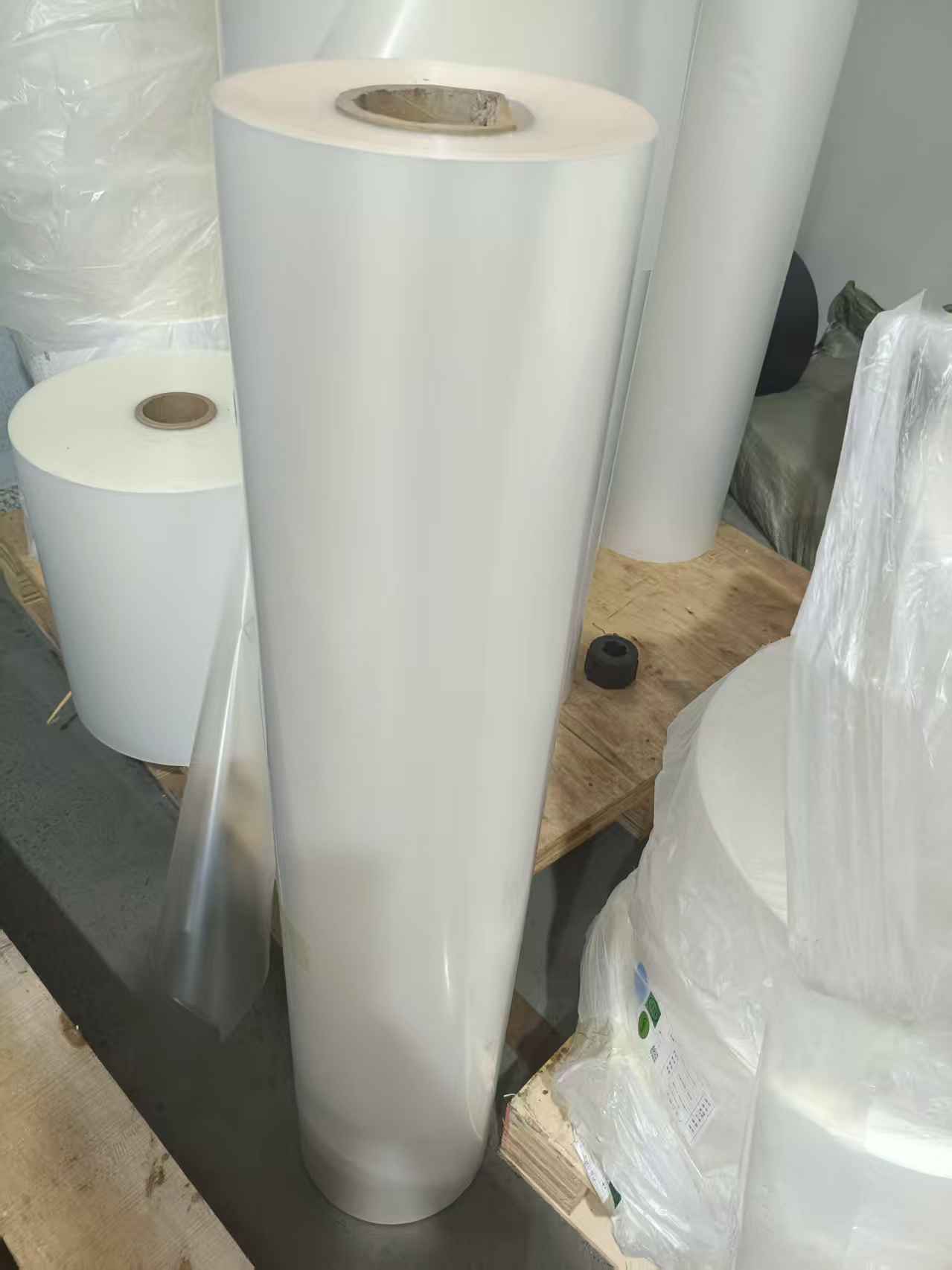
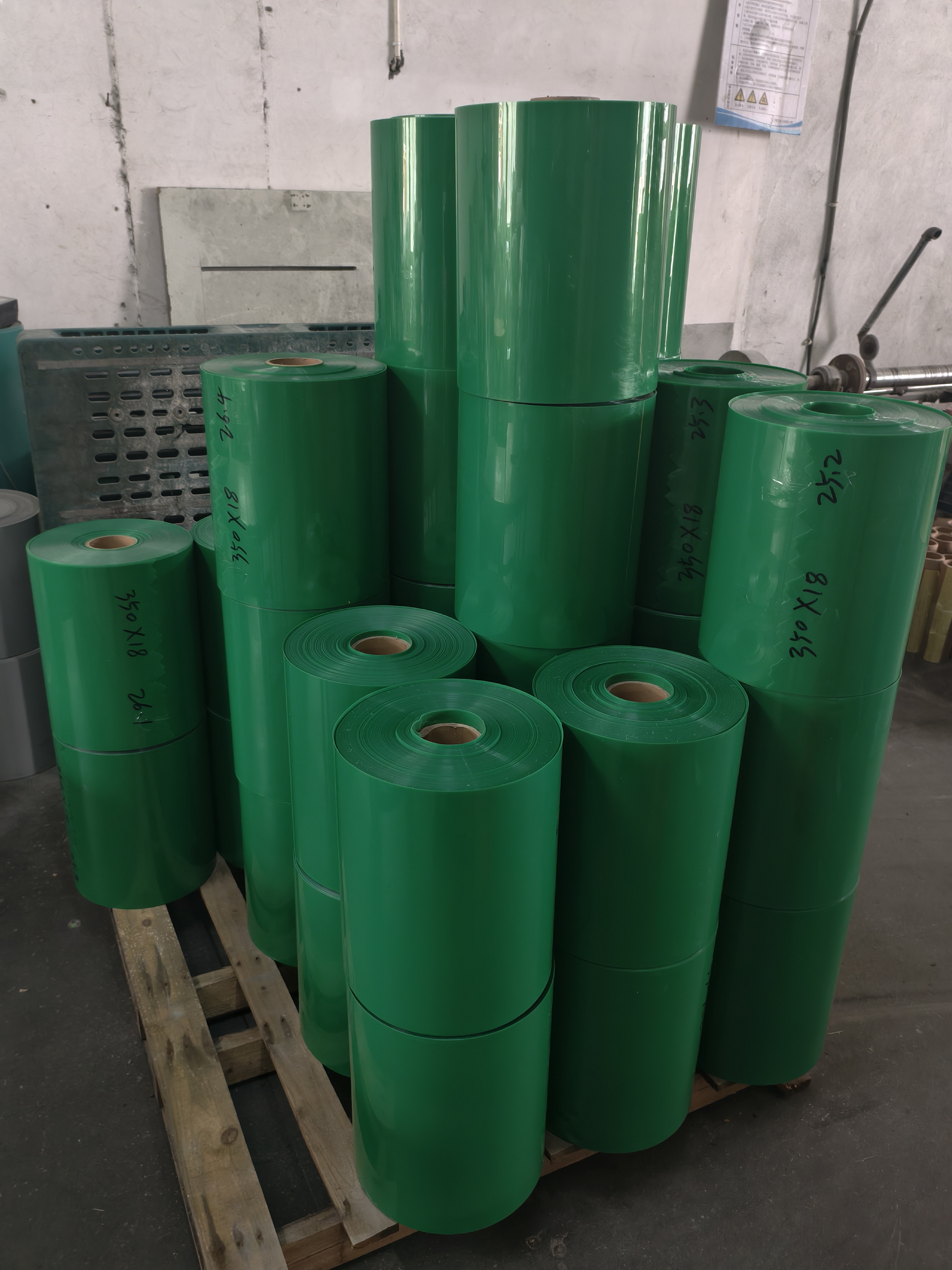 | 
|
PVC sheet
| PP sheet |
Why Source PVC Sheets from a Cooling Tower Fill Supplier?
Working with a supplier familiar with cooling tower components can help buyers define practical material requirements before placing an order.
CoolingTowerPart.com supports sourcing for industrial cooling tower parts and replacement projects. Buyers can discuss PVC sheet requirements for fill manufacturing, including dimensions, material grades, intended applications, and shipping quantities.
Potential sourcing benefits include:
Application-focused material selection: Clarify the intended fill type and production process.
Customized specifications: Request quotations based on required dimensions and material properties.
Bulk purchasing support: Discuss supply quantities for manufacturing and refurbishment projects.
Replacement project coordination: Align raw material selection with the intended fill-pack configuration.
International sourcing: Coordinate packaging and shipping requirements for overseas buyers.
Material availability, customization options, minimum order quantities, and lead times should be confirmed for each quotation.
Ordering PVC Sheets for Cooling Tower Fill
To obtain an accurate quotation, buyers should provide the following information:
Required PVC material grade or technical specification.
Sheet thickness, width, and length.
Preferred color and surface finish.
Intended fill type and forming process.
Required temperature, chemical-resistance, and fire-performance criteria.
Estimated order quantity and delivery destination.
Any drawings, sample references, or existing material specifications.
For replacement projects, supplying a sample or drawing of the existing fill media can help establish whether the proposed sheet material is suitable.
Request a Quote: Contact CoolingTowerPart.com with your PVC sheet specifications and project requirements to discuss material availability, customization, and bulk supply options.
Frequently Asked Questions
Q1. What is PVC sheet used for in cooling tower fill?
PVC sheet is used as a raw material to manufacture structured cooling tower fill media. The sheet is formed into specific surface geometries that help improve contact between water and air.
Q2. Is every PVC sheet suitable for cooling tower fill manufacturing?
No. The material must be compatible with the forming process, required fill geometry, operating temperature, water chemistry, and applicable fire-performance requirements.
Q3. Can PVC sheets be customized in thickness and dimensions?
Customization may be possible depending on the supplier's equipment and available material grades. Confirm the minimum and maximum dimensions, tolerances, and order quantities before purchasing.
Q4. Is black PVC sheet suitable for cooling tower fill?
Black PVC can be suitable if its formulation and properties meet the application's requirements. Color alone does not establish UV resistance, chemical resistance, temperature suitability, or fire performance.
Q5. What is the difference between PVC sheet and PVC cooling tower fill?
PVC sheet is the raw material. Cooling tower fill is the finished product manufactured by forming and assembling sheets into a structure designed to promote heat and mass transfer.
Q6. Can PVC sheets be used for replacement cooling tower fill?
Yes, provided the material can be processed into fill media that meet the existing tower's dimensional, thermal, hydraulic, and operating requirements.
Q7. How can I request a quotation for PVC cooling tower fill sheets?
Send the required material grade, dimensions, thickness, intended application, quantity, and delivery destination to CoolingTowerPart.com. Drawings or samples can help clarify technical requirements.
Conclusion
PVC sheet for cooling tower fill manufacturing is a practical raw material for producing film fill media and supporting cooling tower refurbishment projects. The best material combines suitable forming characteristics with the required mechanical properties, chemical compatibility, and operating-temperature performance.
For industrial manufacturers, distributors, and maintenance contractors, defining the technical specification before purchasing helps improve production consistency and reduce material waste. Contact CoolingTowerPart.com to discuss PVC sheet sourcing for cooling tower fill manufacturing, replacement, and bulk supply projects.
Recommended internal links for CoolingTowerPart.com: