Industrial Cooling Tower Fan Hub Assembly: Design and Performance
An industrial cooling tower fan hub assembly is a critical mechanical component that connects cooling tower fan blades to the central rotating shaft. It plays an essential role in supporting blade positioning, transmitting rotational torque, maintaining structural stability, and ensuring efficient airflow throughout the cooling process. Although the fan hub is often smaller than other cooling tower components, its design and manufacturing quality directly influence the overall performance, reliability, and service life of an industrial cooling tower fan system.
In modern industrial cooling applications, cooling tower fan hub assemblies must operate under demanding conditions, including continuous rotation, vibration, moisture exposure, temperature fluctuations, and aerodynamic loading. A properly designed hub assembly helps maintain consistent fan operation while reducing mechanical stress and unexpected maintenance costs.
This article explores the structure, materials, design considerations, performance characteristics, installation requirements, and maintenance practices of industrial cooling tower fan hub assemblies.
What Is an Industrial Cooling Tower Fan Hub Assembly?
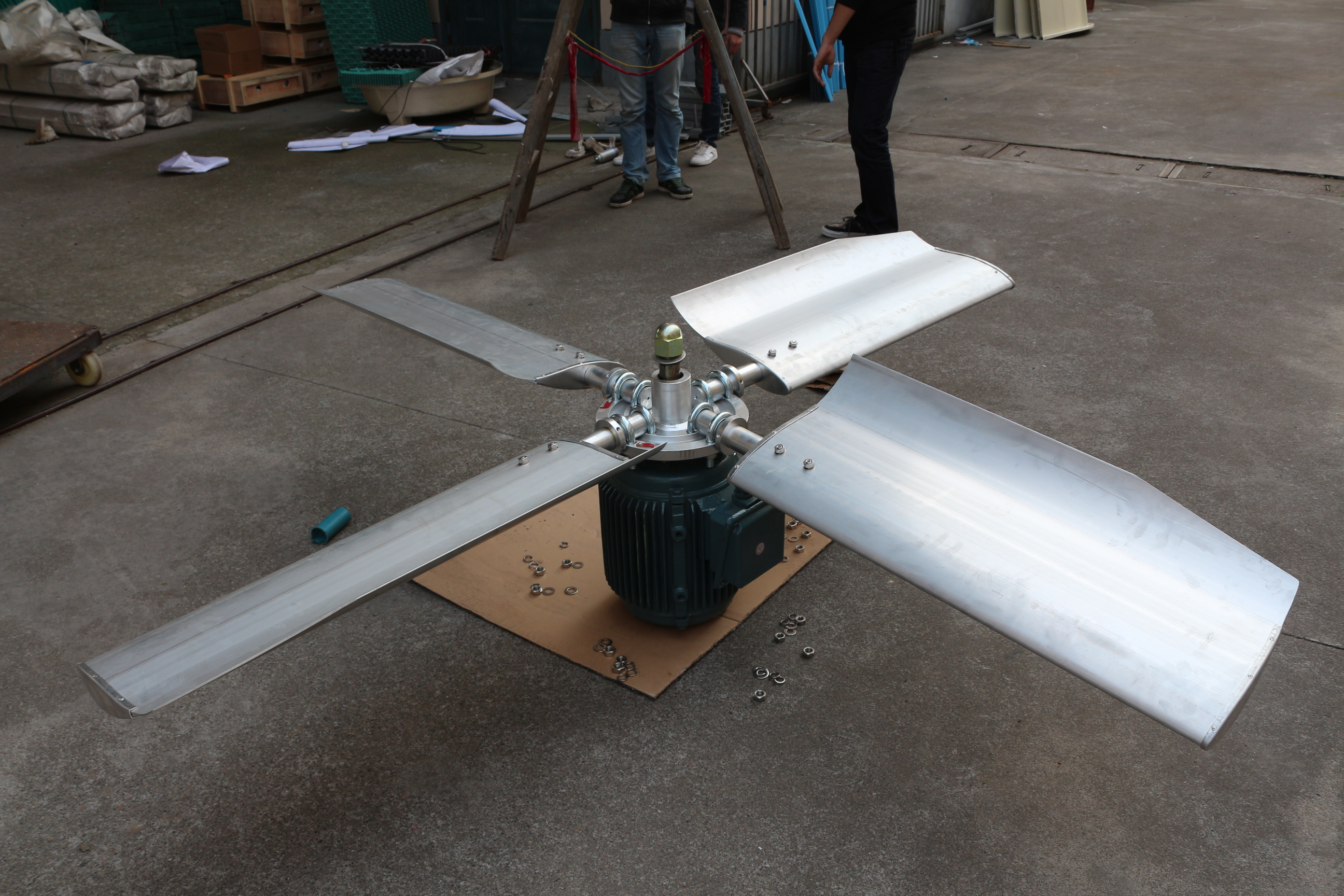
An industrial cooling tower fan hub assembly is the central structural component of an axial cooling tower fan. It connects multiple fan blades and ensures that they rotate together around a common axis.
The hub transfers mechanical power from the motor and drive system to the fan blades. During operation, it must withstand centrifugal forces, aerodynamic resistance, rotational torque, and dynamic loads.
Main Functions of a Cooling Tower Fan Hub
A high-quality cooling tower fan hub assembly performs several important functions.
Connecting Cooling Tower Fan Blades
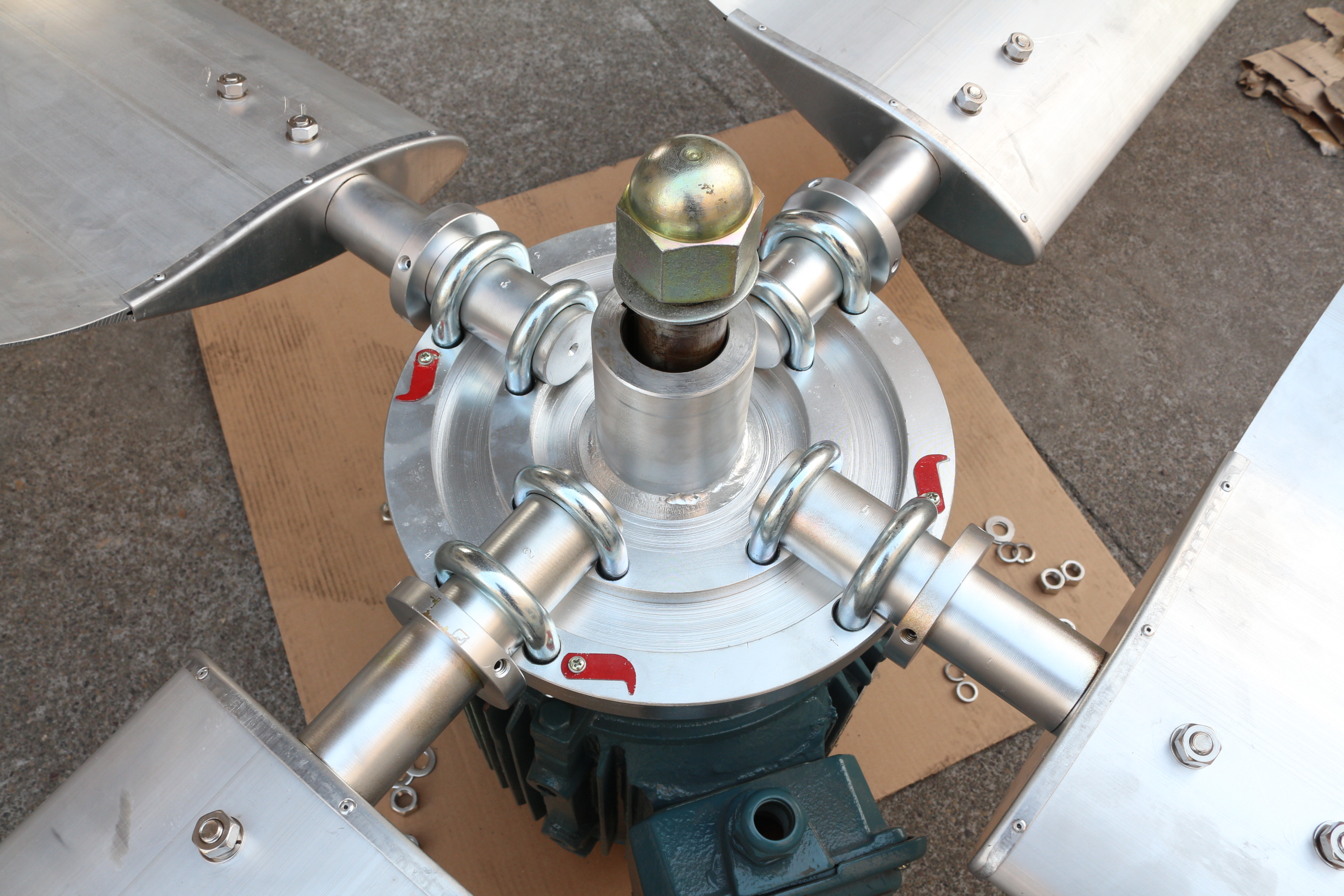
The fan hub provides mounting positions for individual fan blades. Depending on the fan design, blades may be attached using bolts, clamps, adjustable blade holders, or specially designed mounting structures.
Accurate blade positioning helps maintain consistent pitch angles and balanced airflow.
Transmitting Rotational Torque
The hub transfers rotational force from the drive shaft to the fan blades. Its structural strength must be sufficient to withstand operating torque without excessive deformation.
Maintaining Mechanical Stability
During high-speed rotation, the hub must maintain the correct alignment of all fan blades. A stable structure reduces vibration, mechanical noise, and uneven loading.
Supporting Blade Pitch Adjustment
Some industrial cooling tower fan hub assemblies allow operators to adjust blade pitch angles. This feature helps optimize airflow according to cooling tower operating requirements.
Key Components of an Industrial Fan Hub Assembly
The structure of a cooling tower fan hub assembly varies according to fan diameter, blade quantity, material, and drive configuration.
However, most industrial designs include several essential components.
Central Hub Body
The central hub body is the main load-bearing structure. It connects the rotating shaft or drive mechanism with the blade mounting system.
Its dimensions, wall thickness, and structural configuration must be designed according to the fan's operating conditions.
Structural Design Requirements
A reliable hub body should provide:
High mechanical strength and rigidity.
Accurate machining and dimensional consistency.
Resistance to fatigue and deformation.
Reliable connections with fan blades.
Stable performance under continuous rotation.
Fan Blade Mounting Brackets
Blade mounting brackets connect individual cooling tower fan blades to the hub body.
These brackets must maintain accurate blade spacing and provide sufficient support against centrifugal and aerodynamic forces.
Adjustable Blade Mounting
Adjustable mounting structures allow technicians to modify blade pitch angles during installation or maintenance.
Correct adjustment is important because inconsistent blade angles can cause uneven airflow, increased vibration, and reduced cooling efficiency.
Shaft Connection Components
The shaft connection transfers power from the motor or gearbox to the fan hub.
Depending on the mechanical configuration, the connection may include:
Shaft adapters.
Flanges.
Keyways.
Coupling components.
Locking mechanisms.
Mounting bolts.
Proper shaft connection design helps prevent looseness, misalignment, and excessive mechanical stress.
Fasteners and Locking Components
Bolts, nuts, washers, and locking devices secure the fan blades and hub components.
Industrial cooling tower fan assemblies require suitable fasteners that can withstand continuous vibration and environmental exposure.
Materials Used in Cooling Tower Fan Hub Assemblies
Material selection is one of the most important factors influencing fan hub performance.
Industrial cooling towers operate in humid environments where components may be exposed to water droplets, chemicals, temperature changes, and corrosion.
Different materials offer different advantages depending on the application.
Aluminum Alloy Fan Hubs
Aluminum alloy is widely used in cooling tower fan hub manufacturing because of its relatively low weight, good mechanical strength, and corrosion resistance.
Advantages of Aluminum Alloy
Lightweight construction.
Good strength-to-weight ratio.
Convenient machining and fabrication.
Good resistance to atmospheric corrosion.
Reduced rotating mass compared with many heavier metals.
Aluminum fan hubs are suitable for many industrial axial fan applications where weight reduction and mechanical reliability are important.
Stainless Steel Fan Hub Components
Stainless steel is another material option for industrial cooling tower fan hub assemblies.
Its corrosion resistance makes it useful in demanding environments where moisture and chemical exposure are significant concerns.
Typical Applications
Stainless steel components may be used in:
Chemical processing facilities.
Wastewater treatment plants.
Industrial cooling systems.
Coastal industrial installations.
Specialized cooling tower environments.
However, stainless steel is generally heavier than aluminum and may increase rotating mass.
FRP Fan Hub Structures
Fiber-reinforced plastic (FRP) is widely recognized for its corrosion resistance and lightweight characteristics.
FRP components can be considered for specialized cooling tower applications where moisture resistance and reduced weight are important.
Benefits of FRP Materials
Excellent resistance to many corrosive environments.
Lightweight structural design.
Good electrical insulation.
Low maintenance requirements.
Flexibility in custom manufacturing.
The suitability of an FRP fan hub depends on its structural design, reinforcement system, resin selection, and operating temperature.
How to Choose the Right Hub Material
Material | Main Advantages | Suitable Applications |
Aluminum alloy | Lightweight and machinable | General industrial cooling towers |
Stainless steel | Strong corrosion resistance | Aggressive operating environments |
FRP | Lightweight and corrosion resistant | Specialized cooling tower systems |
Carbon steel | High strength and cost efficiency | Protected or coated applications |
The final material selection should consider fan diameter, rotational speed, loading conditions, environmental exposure, and maintenance requirements.
Cooling Tower Fan Hub Assembly Design Considerations
A well-engineered industrial fan hub assembly requires careful consideration of mechanical, aerodynamic, and environmental factors.
Poor design can result in excessive vibration, blade instability, fatigue damage, and unexpected equipment failure.
Mechanical Strength and Load Distribution
The fan hub must support the combined loads generated by rotating blades.
These loads include centrifugal forces, aerodynamic forces, torque, and dynamic stresses.
Centrifugal Force Resistance
As the fan rotates, each blade experiences centrifugal force that acts outward from the rotation axis.
The hub must safely transfer these forces through its blade mounting structures and central connection.
Larger fan diameters and higher rotational speeds generally create greater structural demands.
Fatigue Resistance
Industrial cooling tower fans frequently operate for extended periods.
Repeated loading and unloading can gradually cause fatigue damage in the hub body, mounting brackets, and fasteners.
Proper material selection, structural design, and manufacturing quality help reduce fatigue-related risks.
Aerodynamic Compatibility
Although the fan hub is primarily a mechanical component, its design also affects airflow performance.
The hub should be compatible with the fan blade geometry and the surrounding fan stack.
Hub-to-Blade Configuration
The relationship between the hub diameter, blade mounting position, and blade geometry influences the overall fan configuration.
Incorrect positioning can interfere with airflow distribution and reduce aerodynamic efficiency.
Airflow Uniformity
Consistent blade installation helps maintain balanced airflow through the cooling tower.
Uniform airflow improves the utilization of fill media and supports more consistent heat transfer.
Dimensional Accuracy and Manufacturing Quality
Dimensional accuracy is essential for reliable fan hub operation.
Important manufacturing parameters include:
Why Precision Machining Matters
Poor machining accuracy may result in shaft misalignment or uneven blade positioning.
These problems can increase vibration and place additional stress on bearings, gearboxes, and other drive components.
Corrosion and Environmental Protection
Cooling tower fan hubs are exposed to humid air and water droplets during normal operation.
Depending on the cooling water treatment process, airborne contaminants and chemical residues may also affect component surfaces.
Appropriate material selection, protective coatings, and regular inspections help maintain long-term performance.
How Does a Fan Hub Assembly Affect Cooling Tower Performance?
The cooling tower fan hub assembly influences several aspects of fan operation.
Its mechanical stability and compatibility with the blades can directly affect equipment reliability and airflow consistency.
Improving Fan Rotational Stability
A properly manufactured hub helps maintain the alignment of fan blades around the rotation axis.
Consistent alignment reduces uneven rotating forces and helps minimize mechanical vibration.
Reducing Unbalanced Loads
If blade positions or mounting angles differ, the rotating assembly may develop an imbalance.
This condition can increase vibration and accelerate wear in the drive system.
A precisely manufactured hub helps support consistent blade installation.
Supporting Efficient Airflow
The fan hub works together with cooling tower fan blades to generate the airflow required for heat rejection.
The correct hub configuration supports the intended blade geometry and operating pitch.
Maintaining Consistent Blade Angles
When all blades are installed at the specified pitch angles, the fan can operate closer to its intended aerodynamic performance.
Incorrect blade positioning may cause uneven airflow, excessive power consumption, or insufficient cooling capacity.
Reducing Mechanical Noise and Vibration
Excessive vibration can affect the entire cooling tower structure.
Potential consequences include:
A reliable cooling tower fan hub assembly contributes to stable rotating performance when combined with correct balancing and installation.
Extending Equipment Service Life
A durable hub assembly helps protect connected components from unnecessary mechanical stress.
When the hub, blades, shaft, and drive system are properly matched, the fan can operate more reliably over extended service periods.
Common Industrial Cooling Tower Fan Hub Assembly Problems
Even high-quality fan hub assemblies require proper installation and maintenance.
Understanding common problems helps operators identify potential failures before they affect cooling tower operation.
Fan Hub Corrosion
Corrosion may occur when the hub material or protective coating is unsuitable for the operating environment.
Common Warning Signs
Surface oxidation.
Coating deterioration.
Corrosion around bolt holes.
Damaged mounting surfaces.
Visible material degradation.
Regular inspection and appropriate corrosion protection help reduce these risks.
Loose Blade Mounting Bolts
Continuous vibration may gradually loosen mounting fasteners if the connection is improperly designed or installed.
Potential Consequences
Loose bolts may cause blade movement, abnormal vibration, and damage to mounting brackets.
Technicians should inspect fasteners according to the manufacturer's specified torque requirements.
Hub Deformation or Cracking
Excessive mechanical stress, fatigue, impact, or manufacturing defects may cause deformation or cracking.
Inspection Recommendations
Pay particular attention to:
Cracked or structurally damaged hubs should not remain in operation without professional assessment.
Fan Hub Imbalance
An improperly assembled fan hub and blade combination may create dynamic imbalance.
Possible causes include incorrect blade installation, damaged blades, uneven deposits, or dimensional inconsistencies.
Dynamic balancing should be performed using suitable procedures and equipment.
Installation Guide for Industrial Cooling Tower Fan Hub Assemblies
Correct installation is essential for achieving reliable fan performance.
Even a well-manufactured fan hub can experience premature problems if installation procedures are not followed.
Step 1: Inspect the Fan Hub and Accessories
Before installation, check the hub body, mounting brackets, fasteners, shaft connections, and other supplied components.
Make sure there are no visible cracks, deformation, corrosion, or machining defects.
Step 2: Check Shaft and Hub Compatibility
Confirm that the hub connection matches the shaft dimensions and mechanical configuration.
Check the keyway, flange, adapter, and locking components where applicable.
Step 3: Install the Fan Blades
Install each cooling tower fan blade according to the manufacturer's assembly instructions.
Ensure that blade positions and mounting orientations are consistent.
Check Blade Pitch Angles
Use an appropriate measuring tool to verify the pitch angle of each blade.
All blades should be adjusted to the specified design setting unless the manufacturer provides different instructions.
Step 4: Tighten All Fasteners
Tighten mounting bolts according to the specified torque values.
Avoid over-tightening, which may damage threads or mounting surfaces.
Step 5: Perform Fan Balancing
After assembly, inspect the rotating system for mechanical imbalance.
Static or dynamic balancing should be performed as required by the fan design and applicable standards.
Step 6: Conduct a Controlled Test Run
Before returning the cooling tower to normal operation, perform a controlled test under approved safety procedures.
Monitor:
Fan vibration.
Operating noise.
Motor current.
Rotational direction.
Blade clearance.
Hub stability.
Any abnormal condition should be investigated before continuous operation.
Maintenance Tips for Longer Fan Hub Service Life
Preventive maintenance helps maintain the reliability of industrial cooling tower fan systems.
A regular inspection program can identify small problems before they develop into expensive equipment failures.
Routine Visual Inspections
Inspect the hub body, blade mounting brackets, and fasteners regularly.
Look for corrosion, cracks, looseness, and signs of deformation.
Check Fastener Tightness
Inspect blade mounting bolts and shaft connection fasteners according to the maintenance schedule.
Always follow the manufacturer's specified tightening procedures.
Monitor Vibration Levels
Vibration monitoring can help identify changes in rotating equipment condition.
An unexpected increase in vibration may indicate imbalance, looseness, bearing problems, or structural damage.
Keep the Fan Hub Clean
Remove accumulated dirt, deposits, and debris where appropriate.
Deposits on rotating components can affect balance and increase mechanical loading.
Replace Damaged Components Promptly
Damaged blade brackets, cracked hub structures, or deteriorated fasteners should be evaluated and replaced when necessary.
Using compatible replacement components helps maintain the original mechanical configuration.
How to Choose a Reliable Cooling Tower Fan Hub Assembly Manufacturer?
Selecting an experienced manufacturer is important for industrial buyers, cooling tower maintenance companies, and original equipment manufacturers.
A qualified supplier should understand the mechanical requirements of cooling tower fan systems and provide products compatible with different industrial applications.
Evaluate Manufacturing Experience
Look for manufacturers with experience in cooling tower fan components, including fan blades, fan hubs, fan stacks, and related accessories.
Industry experience helps suppliers understand different cooling tower configurations and operating requirements.
Check Material Quality
Ask about material specifications, manufacturing processes, and corrosion protection.
The supplier should be able to recommend suitable materials according to the actual working environment.
Review Quality Control Procedures
A reliable manufacturer should have inspection procedures covering important manufacturing stages.
Important Quality Checks
Confirm Customization Capabilities
Different cooling tower manufacturers use different fan diameters, blade quantities, shaft configurations, and mounting arrangements.
A supplier with customization capabilities can provide fan hub assemblies that match specific equipment requirements.
Consider Technical Support and After-Sales Service
Technical assistance is important when replacing existing fan hub assemblies or upgrading cooling tower fan systems.
A professional supplier should help customers confirm dimensions, installation requirements, material options, and replacement compatibility.
Applications of Industrial Cooling Tower Fan Hub Assemblies
Industrial cooling tower fan hub assemblies are used in different cooling applications where reliable axial airflow is required.
Power Generation Plants
Power plants use large cooling tower systems to remove waste heat from circulating water.
Their fan hub assemblies must support continuous operation and demanding mechanical loads.
Chemical and Petrochemical Industries
Chemical plants often operate cooling towers under challenging environmental conditions.
Material selection and corrosion protection are particularly important for these applications.
Steel and Metallurgical Plants
Steel production facilities require reliable cooling systems for industrial equipment and process water.
Heavy-duty fan hub assemblies help support stable airflow in large cooling towers.
HVAC and Commercial Industrial Facilities
Large HVAC cooling towers use axial fans to reject heat from chilled-water systems.
Reliable fan hubs contribute to stable operation, reduced vibration, and consistent cooling performance.
Manufacturing and Process Industries
Food processing, textile production, plastics manufacturing, and other industrial facilities rely on cooling towers for temperature control.
Fan hub assemblies must match the fan configuration and operating requirements of each installation.
Cooling Tower Fan Hub Assembly vs. Fan Blade Assembly
Although these components work together, they serve different mechanical functions.
Comparison | Fan Hub Assembly | Fan Blade Assembly |
Main function | Connects and supports fan blades | Generates airflow |
Structural role | Transfers rotational loads | Converts rotation into airflow |
Main design focus | Strength and connection stability | Aerodynamic efficiency |
Installation focus | Shaft connection and blade mounting | Blade pitch and positioning |
Common materials | Aluminum, steel, FRP | FRP, aluminum, composite materials |
The fan hub and blades should always be selected as a compatible system rather than as completely independent components.
Future Trends in Cooling Tower Fan Hub Design
Industrial cooling tower technology continues to develop as operators seek higher energy efficiency, lower maintenance costs, and improved equipment reliability.
Fan hub design is also evolving to meet these requirements.
Lightweight Structural Design
Manufacturers are increasingly considering lightweight materials and optimized structural configurations.
Reducing unnecessary rotating mass can help improve mechanical efficiency, although the design must still meet all strength and fatigue requirements.
Improved Corrosion Resistance
Advanced materials, coatings, and surface treatments can improve the durability of fan hub assemblies in humid industrial environments.
Precision Manufacturing
Modern machining and dimensional inspection technologies help improve mounting accuracy and product consistency.
Better manufacturing precision also supports easier installation and more reliable blade positioning.
Customized Fan Hub Solutions
Industrial cooling tower projects increasingly require customized fan configurations.
Manufacturers may develop different hub diameters, blade mounting arrangements, shaft interfaces, and materials to meet specific application requirements.
Conclusion
An industrial cooling tower fan hub assembly is an essential component that supports fan blades, transmits rotational power, and maintains the mechanical stability of cooling tower fan systems.
Its design, material selection, manufacturing accuracy, and installation quality all influence overall fan performance. A properly engineered hub assembly helps reduce vibration, maintain consistent blade positioning, support efficient airflow, and improve equipment reliability.
When selecting a cooling tower fan hub assembly, industrial buyers should consider mechanical strength, corrosion resistance, dimensional compatibility, manufacturing quality, and long-term maintenance requirements.
Working with an experienced cooling tower component manufacturer can help ensure that the fan hub assembly matches the operating conditions and performance expectations of the cooling tower system.
Choosing the right cooling tower fan hub assembly is an important step toward building a more reliable, efficient, and durable industrial cooling system.