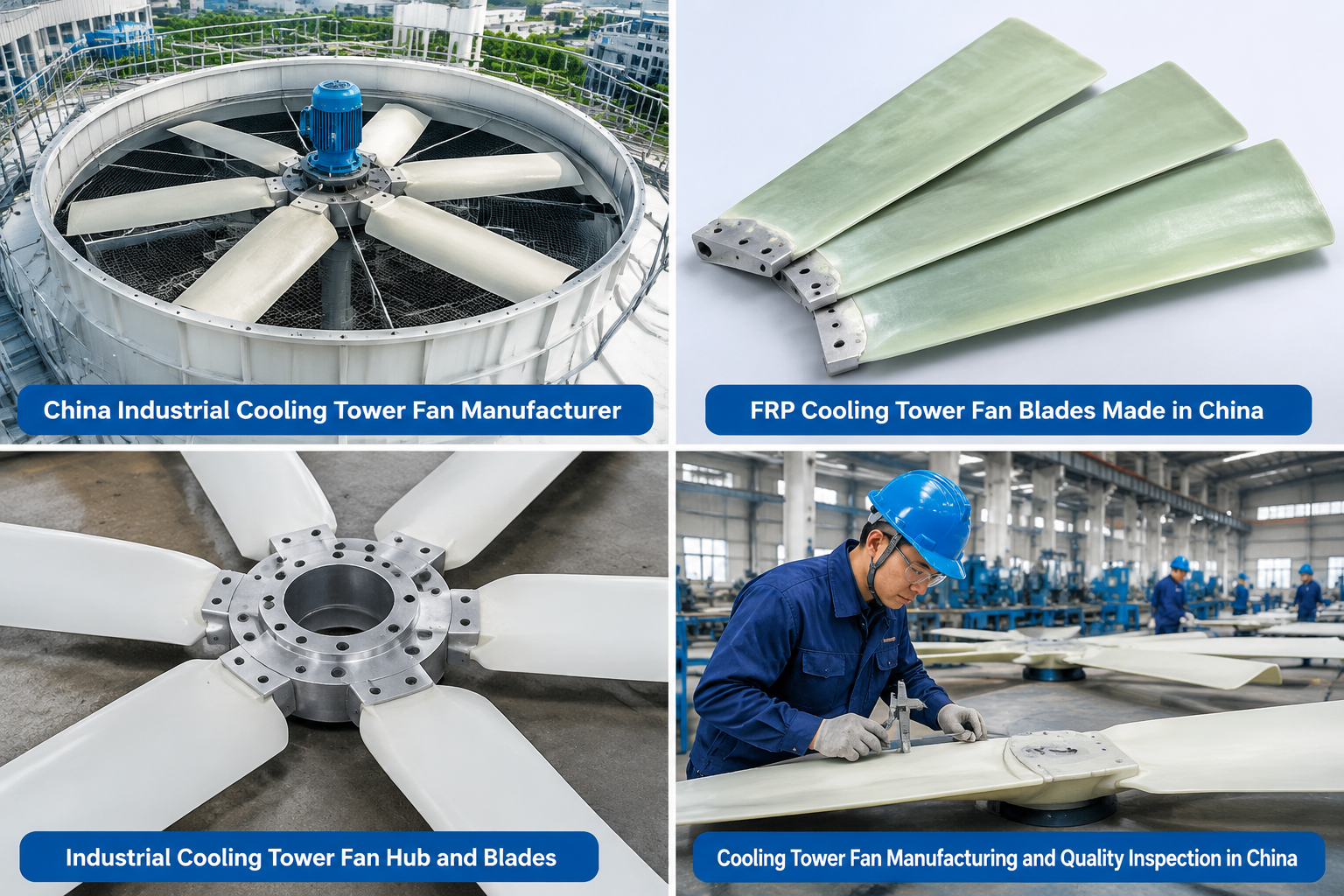
Buying cooling tower fans from China can be a smart decision for industrial companies, cooling tower manufacturers, contractors, and equipment distributors. China has a large industrial manufacturing sector, a wide range of fan products, and suppliers that can provide customized solutions for different cooling tower applications.
However, finding a supplier is only the first step. How do you know whether a manufacturer can deliver the right fan? Which materials should you choose? How can you compare quotations without sacrificing product quality?
If you are planning to source cooling tower fans from China, this guide will walk you through the entire purchasing process. We will cover fan types, technical specifications, materials, supplier evaluation, quality inspection, pricing, and international shipping.
We will also explain how Power Tower Cooling Technology (Shaoxing) Co.,Ltd can support buyers looking for cooling tower products and related components.
1. Why Buy Cooling Tower Fans from China?
China has become an important sourcing destination for industrial cooling equipment and components. International buyers can find manufacturers producing axial fans, FRP fan blades, fan hubs, and other cooling tower accessories.
But why do so many companies consider Chinese suppliers?
Competitive Manufacturing Costs
One of the biggest advantages of buying cooling tower fans from China is the potential cost savings.
Chinese manufacturers benefit from established industrial supply chains, manufacturing infrastructure, and access to various raw materials. These factors can help reduce production costs while offering different product specifications.
For overseas buyers, this means more opportunities to compare suppliers and find products that match their budgets.
Of course, a lower quotation does not automatically mean better value. You should always compare material quality, manufacturing processes, product performance, and after-sales service.
Wide Product Selection
Cooling tower applications are different. A small industrial cooling tower does not require the same fan configuration as a large power plant cooling system.
Chinese suppliers offer different fan diameters, blade designs, materials, and mounting configurations.
Whether you need a complete fan assembly or replacement blades for an existing cooling tower, you can explore different options based on your project requirements.
OEM and Customization Capabilities
Another advantage is product customization.
Many industrial buyers cannot simply purchase a standard fan because their cooling towers have specific dimensions and operating conditions.
Depending on the manufacturer's capabilities, customized services may include fan diameter, blade angle, hub dimensions, material selection, and mounting arrangements.
This flexibility is particularly useful for cooling tower maintenance companies and replacement component distributors.
2. Understand Different Types of Cooling Tower Fans
Before contacting a China cooling tower fan manufacturer, you should understand the main types of cooling tower fans.
Choosing the wrong type can affect airflow, energy consumption, and cooling tower performance.
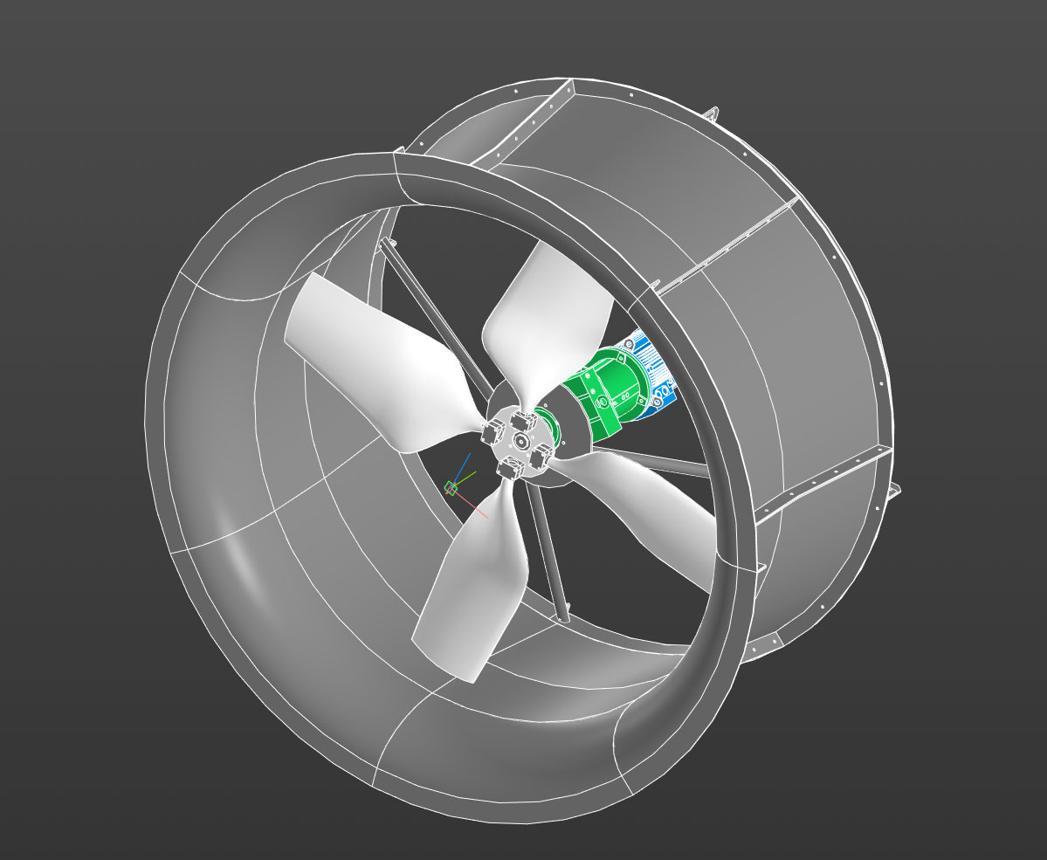
Axial Cooling Tower Fans
Axial fans are widely used in mechanical-draft cooling towers.
They move air parallel to the fan shaft, creating airflow through the cooling tower. Their relatively simple structure and ability to handle large airflow volumes make them suitable for many industrial applications.
Common applications include:
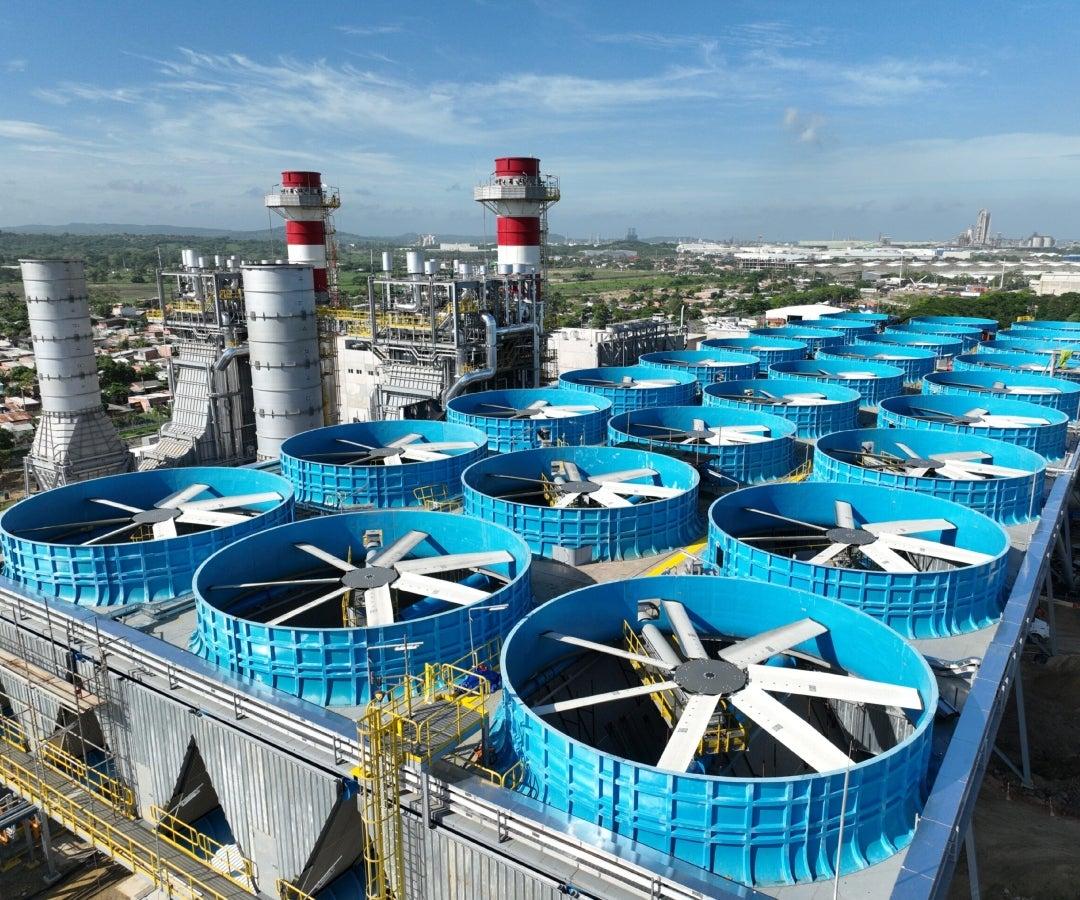
Industrial cooling towers
HVAC cooling systems
Power generation facilities
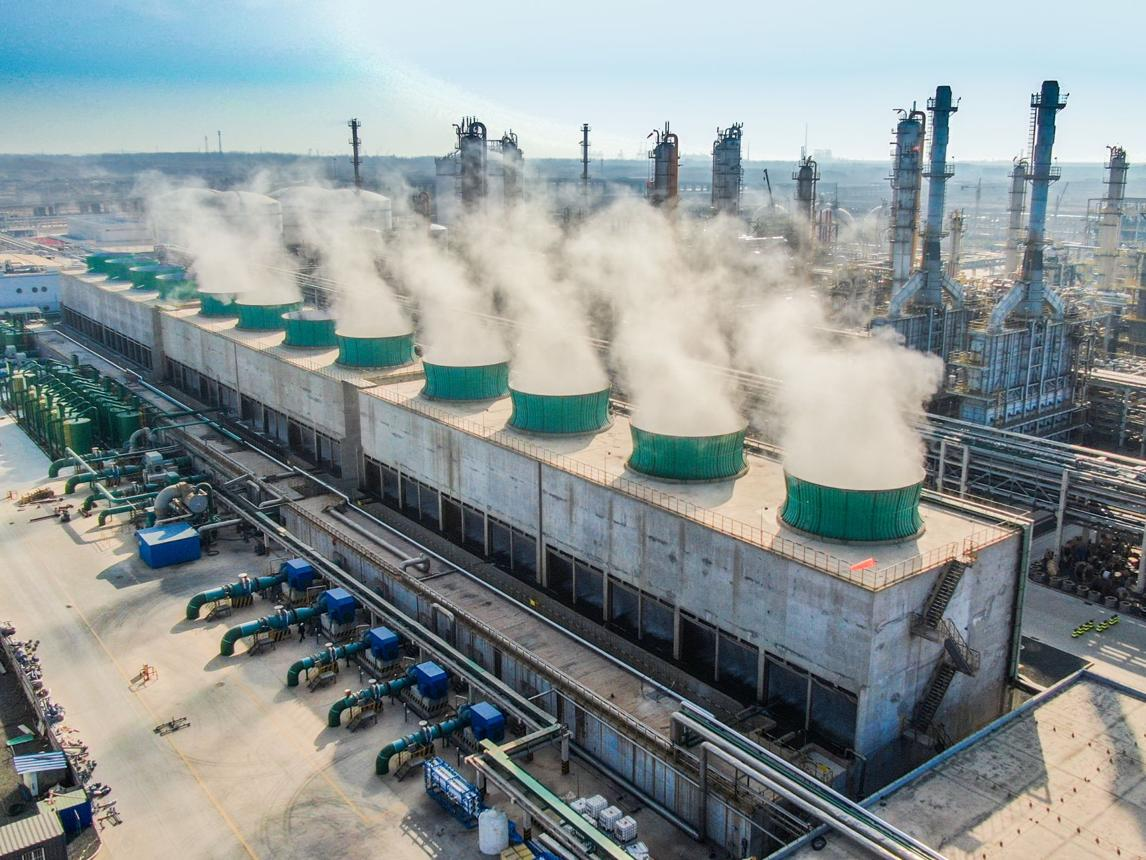
Chemical processing plants
Manufacturing facilities
When purchasing axial cooling tower fans, pay attention to blade diameter, blade profile, rotational speed, airflow requirements, and installation clearance.
Centrifugal Cooling Tower Fans
Centrifugal fans move air through an impeller and discharge it in a direction generally perpendicular to the incoming airflow.
They are commonly used in applications requiring different pressure characteristics or specific duct arrangements.
Compared with axial fans, centrifugal fans usually have a different structural design and installation configuration.
Before choosing one, confirm the required airflow and static pressure with your equipment designer.
FRP Cooling Tower Fans
FRP stands for fiber-reinforced plastic. FRP cooling tower fans are popular in industrial environments because the material offers several useful characteristics.
These include:
Good corrosion resistance
Relatively low weight
Good strength-to-weight ratio
Flexible blade design
Suitability for humid environments
FRP fan blades are particularly worth considering when cooling towers operate in environments where moisture and chemical exposure may affect metal components.
However, the actual performance depends on the resin system, reinforcement materials, blade construction, and manufacturing quality.
3. Identify Your Cooling Tower Fan Requirements
This is one of the most important steps in the purchasing process.
Never order a cooling tower fan based only on its appearance or a general product description. You need accurate technical information.
Fan Diameter and Airflow
Fan diameter directly affects the amount of air a fan can move, although actual airflow also depends on blade geometry, rotational speed, and system resistance.
Before requesting a quotation, identify the existing fan diameter and required airflow.
For replacement projects, measure the available fan cylinder dimensions and installation space.
If you are unsure about the correct diameter, provide the manufacturer with equipment drawings and photographs.
Fan Blade Material
The blade material influences weight, corrosion resistance, durability, and maintenance requirements.
Common options include:
FRP: Lightweight and corrosion-resistant.
Aluminum alloy: Lightweight with good structural properties.
Stainless steel: Suitable for certain demanding environments, depending on grade and operating conditions.
For many industrial cooling tower applications, FRP is an attractive option because of its balance of weight and corrosion resistance.
However, the right material should always depend on operating conditions rather than price alone.
Motor Power and Operating Speed
A cooling tower fan must operate within the intended mechanical and aerodynamic conditions.
You should provide information about the motor power, rated speed, transmission arrangement, and expected operating conditions.
Remember that installing a fan with an unsuitable blade configuration can increase motor load or cause vibration.
The manufacturer should evaluate the relationship between fan design, airflow, static pressure, and motor capacity.
Installation Dimensions
Never overlook installation compatibility.
Important dimensions include:
For replacement orders, accurate drawings are much more useful than simply telling a supplier the cooling tower model.
4. How to Find Reliable China Cooling Tower Fan Manufacturers
Finding suppliers is easy. Finding a manufacturer that understands your application is more important.
Here are several practical ways to evaluate potential suppliers.
Search for Specialized Manufacturers
Start with relevant search terms such as:
China cooling tower fan manufacturer
China FRP cooling tower fan supplier
Industrial cooling tower fan factory
Cooling tower fan blade manufacturer
Cooling tower fan replacement supplier
You can use Google, industrial directories, trade exhibitions, and manufacturer websites to build an initial supplier list.
Try to focus on companies that specialize in cooling tower equipment and components rather than general-purpose fan trading businesses.
Evaluate Manufacturing Experience
Experience matters because cooling tower fans must operate under specific airflow and mechanical conditions.
Ask suppliers about their experience with different cooling tower designs and industrial applications.
You can also request product photographs, technical drawings, previous project references, and information about their production processes.
A professional manufacturer should be able to discuss technical requirements rather than simply sending a price list.
Check Product Range and Customization
A supplier with a suitable product range may offer a more convenient purchasing experience.
Check whether the company can provide the fan components you need, such as:
FRP fan blades
Cooling tower fan hubs
Complete axial fan assemblies
Replacement fan components
Customized fan configurations
Also ask whether the supplier can manufacture according to your existing drawings or samples.
5. Compare Cooling Tower Fan Suppliers
Once you have identified several potential manufacturers, compare them carefully.
Do not make your decision based on quotation price alone.
Product Quality and Technical Support
A reliable supplier should understand the technical requirements of your cooling tower.
Ask whether the company can help review your fan dimensions, blade configuration, materials, and operating conditions.
Good technical communication can prevent costly mistakes during installation.
Production Capacity and Delivery Time
Delivery time is particularly important when you are purchasing replacement fans for an operating industrial facility.
Ask suppliers about production lead times, available production capacity, and whether they can meet your required shipping schedule.
For customized products, allow additional time for drawing confirmation, production, and inspection.
Export Experience and Communication
International purchasing involves more than manufacturing.
A suitable export supplier should be able to communicate clearly about specifications, packaging, shipping documents, payment terms, and delivery arrangements.
Before placing an order, make sure all technical and commercial details are confirmed in writing.
6. Check Cooling Tower Fan Materials and Quality
The materials used in cooling tower fan manufacturing directly affect service life and operating reliability.
Different industrial environments require different material solutions.
FRP Fan Blades
FRP is a common material choice for cooling tower fan blades.
Its relatively low weight helps reduce the rotating mass of the fan assembly. It also offers good resistance to moisture and many corrosive environments.
However, not all FRP blades have the same quality.
You should ask about the resin system, glass fiber reinforcement, manufacturing method, blade structure, and surface finish.
For demanding applications, confirm that the selected blade design is suitable for the actual operating conditions.
Aluminum Alloy Fan Blades
Aluminum alloy fan blades are another option.
They are relatively lightweight and can provide good mechanical properties when properly designed and manufactured.
However, the alloy grade, surface treatment, blade structure, and environmental conditions should be considered before purchasing.
Stainless Steel Components
Stainless steel is often used for selected fasteners and structural components.
Its corrosion resistance depends on the stainless steel grade and the surrounding environment.
For cooling towers exposed to water treatment chemicals or coastal conditions, confirm that the selected material is appropriate for the specific exposure.
7. Understand China Cooling Tower Fan Prices
How much does a cooling tower fan cost in China?
There is no single answer because fan prices depend on product specifications, materials, manufacturing complexity, and order quantities.
Factors That Affect Fan Prices
Several factors influence the final quotation:
1. Fan Diameter
Larger fans generally require more material and may involve more complex manufacturing processes.
2. Blade Material
FRP, aluminum alloy, and other materials have different costs and manufacturing requirements.
3. Customization
Special blade profiles, non-standard hubs, and customized mounting arrangements can increase production costs.
4. Order Quantity
Larger orders may offer better unit pricing, depending on production arrangements.
5. Packaging and Shipping
International transportation, protective packaging, and destination requirements all affect the total purchasing cost.
Why the Cheapest Fan Is Not Always the Best
Imagine purchasing a fan that costs 15% less than another supplier's product.
At first, the savings look attractive. But what happens if the fan produces insufficient airflow, creates excessive vibration, or requires early replacement?
The initial purchase price is only one part of the total cost.
You should also consider energy consumption, maintenance requirements, replacement frequency, and downtime risks.
A reliable cooling tower fan should provide the right balance between price, performance, and service life.
8. Ask for Samples, Drawings, and Technical Documents
Before confirming a large order, request the necessary technical information.
This is especially important when purchasing customized cooling tower fans.
Useful documents include:
Product technical drawings
Fan dimensional specifications
Material descriptions
Blade angle information
Hub connection drawings
Installation instructions
Inspection reports, where available
If you are replacing an existing fan, send photographs and measurements to the supplier.
For complex applications, discuss whether a sample or prototype is necessary before mass production.
Always confirm the final drawings before manufacturing begins.
A few minutes spent checking dimensions can prevent significant installation problems later.
9. Evaluate Manufacturing Quality Before Ordering
Quality control should be part of your purchasing process from the beginning.
A professional supplier should be able to explain how it checks products during manufacturing and before shipment.
Material Inspection
Check whether the supplier has procedures for inspecting incoming materials.
For FRP products, material quality, reinforcement distribution, resin consistency, and curing processes can influence the finished blade.
Dynamic Balancing
Cooling tower fans rotate continuously during operation.
An improperly balanced fan assembly can generate vibration, increase bearing loads, and potentially damage connected equipment.
Ask whether the manufacturer provides balancing services and what balancing requirements are followed.
For large industrial fans, balancing should be evaluated according to the applicable engineering specifications and the complete rotating assembly.
Dimensional and Performance Checks
Before shipment, verify that important dimensions match the approved drawings.
Depending on the product and project requirements, quality checks may include:
Fan blade dimensions
Hub dimensions
Mounting hole positions
Blade angle consistency
Surface quality
Assembly compatibility
Balancing results
If airflow or performance testing is required, agree on the testing method and acceptance criteria before production.
10. Understand OEM and ODM Cooling Tower Fan Services
OEM and ODM services are useful for buyers who need customized products or want to develop their own product lines.
OEM generally means that a manufacturer produces products according to the buyer's specifications, drawings, or branding requirements.
ODM generally involves a manufacturer's existing design or engineering capabilities being used to develop a product for a customer.
For cooling tower fan purchasing, customization may involve:
Different fan diameters
Customized blade angles
Special hub configurations
Different blade materials
Customized mounting dimensions
Brand labeling and packaging
Before agreeing to an OEM or ODM project, clarify drawing ownership, design responsibilities, inspection standards, minimum order quantities, and delivery terms.
This helps both parties avoid misunderstandings.
11. Shipping Cooling Tower Fans from China
After production and inspection, the next step is international transportation.
Cooling tower fans can be relatively large, especially when purchasing complete assemblies.
Therefore, shipping arrangements should be considered before placing an order.
Packaging and Transportation
Proper packaging helps protect fan blades and other components during transportation.
FRP fan blades should be protected against impact, bending, and surface damage.
For larger orders, suppliers and freight forwarders may recommend sea freight because of its suitability for heavy or oversized cargo.
Air freight may be appropriate for urgent smaller components, although transportation costs can be higher.
Before shipment, confirm the package dimensions, gross weight, loading arrangement, and shipping method.
Export Documentation
Depending on the destination country and shipping arrangement, the required documents may include:
Commercial invoice
Packing list
Bill of lading or air waybill
Certificate of origin, where applicable
Other customs or product documents required by the importing country
You should also confirm the Incoterms, payment arrangements, insurance responsibilities, and customs clearance requirements.
Working with an experienced freight forwarder can make international transportation easier.
12. Common Mistakes to Avoid When Buying Cooling Tower Fans
Even experienced industrial buyers can make mistakes when sourcing equipment internationally.
Here are several problems worth avoiding.
Mistake 1: Buying Based Only on Fan Diameter
Two fans with identical diameters may have different airflow characteristics and power requirements.
Always evaluate the complete technical specification.
Mistake 2: Ignoring Material Quality
A low-priced FRP fan may not provide the same durability as a properly manufactured product.
Ask about materials and manufacturing processes.
Mistake 3: Not Confirming Installation Dimensions
A fan that does not fit the existing hub or fan cylinder can create expensive installation problems.
Check the drawings carefully.
Mistake 4: Choosing a Supplier Without Technical Support
A supplier that cannot answer basic engineering questions may not be suitable for customized industrial projects.
Mistake 5: Ignoring After-Sales Communication
Clarify how the supplier handles product questions, technical problems, and replacement component requirements after delivery.
Good communication is especially important when purchasing from overseas.
13. Why Choose a Professional Cooling Tower Fan Supplier?
A professional cooling tower supplier does more than manufacture and sell components.
It should understand how different components work together in an industrial cooling system.
For example, changing a fan blade design may influence airflow, motor load, and operating efficiency.
This is why purchasing decisions should consider the entire application rather than treating the fan as an isolated product.
A good supplier should be able to:
Understand your application requirements.
Review technical drawings and dimensions.
Recommend suitable materials.
Explain product specifications.
Confirm manufacturing and inspection requirements.
Provide clear quotations and delivery information.
Support communication after delivery.
These capabilities help reduce purchasing risks and improve project coordination.
14. Why Work with Power Tower Cooling Technology (Shaoxing) Co.,Ltd?
When sourcing cooling tower products from China, choosing a supplier that understands cooling tower applications can make the purchasing process easier.
Power Tower Cooling Technology (Shaoxing) Co.,Ltd is a China-based cooling tower industry supplier serving customers looking for cooling tower products and related components.
For international buyers, the purchasing process should begin with clear technical communication.
Instead of selecting products based only on general descriptions, buyers should provide their application details, equipment dimensions, and project requirements.
This helps determine whether the proposed product is suitable for the intended installation.
Power Tower Cooling Technology can be contacted through its official website:
Website: https://www.coolingtowerpart.com
When making an inquiry, buyers are encouraged to provide the following information:
Existing cooling tower manufacturer and model.
Required fan diameter.
Fan blade material preference.
Existing hub dimensions and connection details.
Operating motor power


