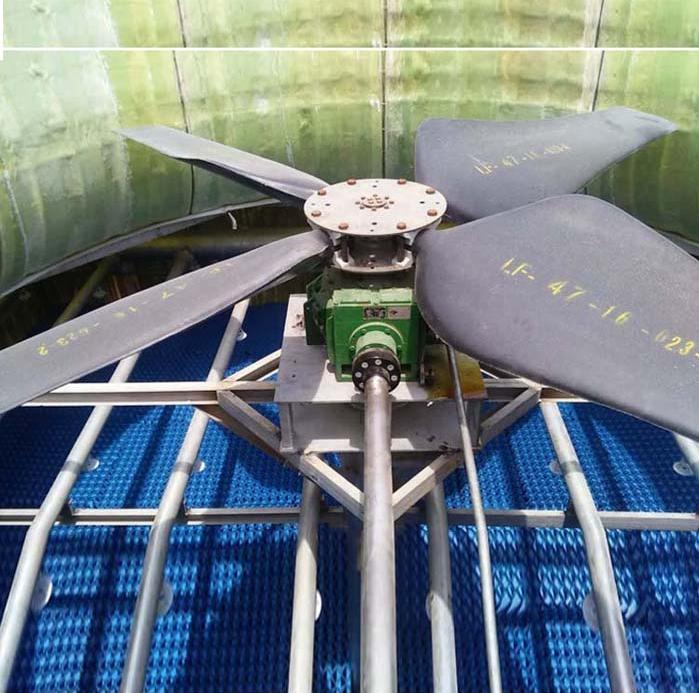
Introduction: Why Does a Cooling Tower Fan Hub Assembly Matter?
A cooling tower fan may look like a simple rotating component, but its performance depends on several carefully connected parts. One of the most important is the cooling tower fan hub assembly. It connects the fan blades to the rotating drive system, supports the blades during operation, and helps maintain stable rotation.
Think of the fan hub as the central connection point of a wheel. Without a strong and properly designed hub, the blades cannot rotate safely or transfer airflow efficiently. Even if you install high-quality fan blades and a powerful motor, a damaged or poorly maintained hub can affect the entire fan system.
For industrial cooling towers, fan hub problems may lead to vibration, unusual noise, reduced airflow, loose blades, and unexpected equipment downtime. In serious cases, structural damage can create safety risks.
So, what exactly does a cooling tower fan hub assembly do? What components make it work, and how can you keep it in good condition?
In this guide, we will explain its structure, function, materials, common problems, installation considerations, and maintenance requirements. We will also discuss how to select a suitable replacement assembly for your cooling tower.
1. What Is a Cooling Tower Fan Hub Assembly?
A cooling tower fan hub assembly is the central mechanical structure that connects fan blades to the rotating shaft or drive arrangement. It provides the mounting positions for the blades and helps transfer rotational force from the drive system to the fan.
In an industrial cooling tower, the fan draws or pushes air through the tower to support heat rejection. The fan hub must therefore handle continuous rotation, mechanical loading, and operating conditions that may include moisture, temperature changes, and corrosive exposure.
The exact hub design depends on the cooling tower model, fan diameter, blade configuration, drive arrangement, and manufacturer specifications.
1.1 The Role of the Fan Hub in a Cooling Tower
The hub performs several important functions:
Connects individual fan blades to the central rotating assembly.
Transfers torque from the drive system to the blades.
Maintains the correct blade mounting positions.
Helps distribute mechanical loads during rotation.
Supports the intended fan geometry and blade pitch.
Contributes to stable and balanced fan operation.
A hub is not simply a bracket holding several blades together. It is a load-bearing component that directly affects the reliability of the fan system.
1.2 Why the Hub Assembly Matters
Imagine a fan with perfectly manufactured blades but a hub with loose mounting connections. As the fan rotates, the blades may move away from their intended positions. This can create imbalance and vibration.
Over time, vibration may place additional stress on bearings, the gearbox, motor supports, fasteners, and other connected components.
A suitable fan hub assembly helps maintain the mechanical connection between the drive system and the blades. It is therefore an important part of cooling tower reliability, not just an accessory.
2. Main Components of a Cooling Tower Fan Hub Assembly
The construction of a cooling tower fan hub assembly varies by design. However, most assemblies include several common elements.
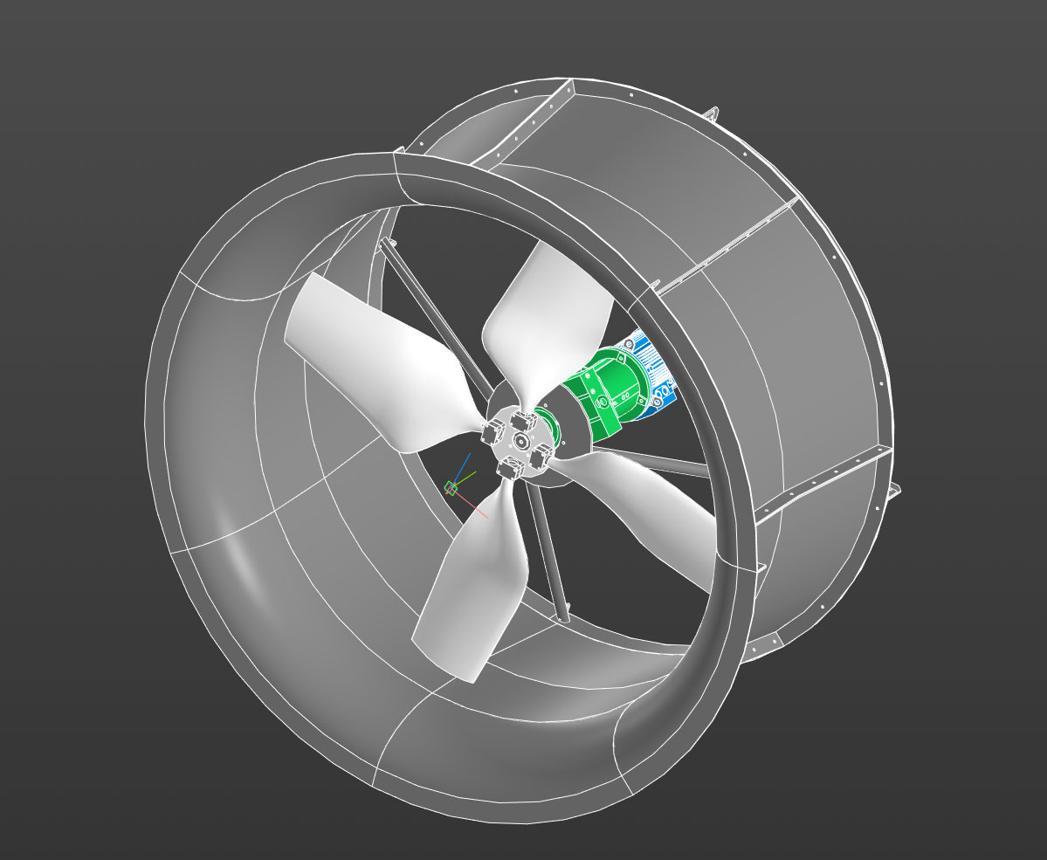
2.1 Hub Body
The hub body is the central structural component. It provides the main connection between the rotating drive system and the fan blades.
Its design must support the loads generated during operation. Depending on the application, the body may be manufactured from metal or composite materials.
Important design considerations include:
Structural strength.
Resistance to environmental exposure.
Dimensional accuracy.
Compatibility with the fan shaft or drive connection.
Correct positioning of blade mounting points.
A properly manufactured hub body helps maintain the intended geometry of the complete fan assembly.
2.2 Fan Blade Mounting Points
The blade mounting points connect individual fan blades to the hub. Their number, spacing, and geometry depend on the fan design.
These mounting positions must match the blade roots and the manufacturer's installation requirements.
Incorrect mounting dimensions can cause installation difficulties or uneven blade positioning. This is why measuring the existing assembly and checking the original drawings are important before ordering a replacement.
2.3 Bolts, Nuts and Fasteners
Fasteners secure the blades and other hub components. Although bolts and nuts may appear relatively small, their role is critical.
Loose, corroded, damaged, or incorrectly selected fasteners can weaken the connection between the blades and hub.
During maintenance, technicians should inspect fasteners for visible corrosion, deformation, missing parts, and signs of movement. Tightening procedures and torque values should always follow the equipment manufacturer's specifications.
2.4 Shaft Connection and Supporting Parts
The hub must connect correctly to the fan's rotating drive arrangement. Depending on the design, this connection may involve a shaft interface, mounting flange, adapter, or other supporting components.
The connection must provide the required alignment and transmit operating torque without unwanted movement.
When replacing a hub, do not assume that two assemblies are interchangeable simply because they look similar. Shaft dimensions, mounting patterns, and connection details must be verified.
3. How Does a Cooling Tower Fan Hub Assembly Work?
The working principle is straightforward: the drive system rotates the hub, and the hub transfers that rotation to the fan blades.
However, every connection in this process matters.
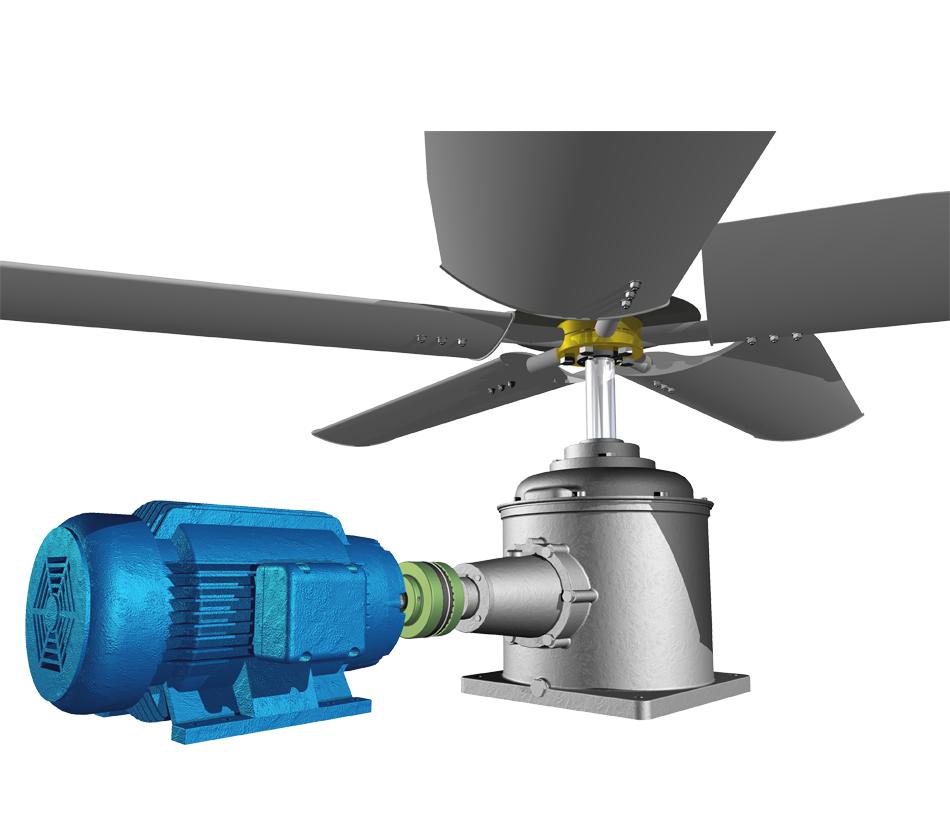
3.1 Power Transmission from the Motor
The process begins with the electric motor. Depending on the cooling tower design, power may be transmitted through a gearbox, belt-and-pulley arrangement, or another drive configuration.
The rotating output drives the fan assembly. The hub receives this mechanical input through its shaft or mounting connection.
A reliable connection is essential because the fan operates under continuous mechanical loading.
3.2 Transferring Rotation to the Fan Blades
Once the hub rotates, its blade mounting points carry the blades with it.
The blades move through the air and generate the airflow required by the cooling tower. The blade geometry, pitch, rotation speed, and fan diameter all influence the resulting airflow and power demand.
If the hub does not hold the blades securely, the fan may not operate as intended.
3.3 Maintaining Fan Balance
A cooling tower fan rotates continuously, often for long operating periods. Its components must therefore be positioned correctly to avoid excessive vibration.
The hub contributes to balance by maintaining consistent blade mounting geometry. However, balance also depends on the weight, condition, and installation of the blades, as well as the condition of the rotating drive system.
A damaged hub, missing fastener, incorrectly installed blade, or uneven blade configuration can contribute to vibration.
4. Common Types of Cooling Tower Fan Hub Assemblies
There is no single hub design suitable for every cooling tower. Different fan systems require different mounting structures and adjustment methods.
4.1 Fixed-Pitch Fan Hub
A fixed-pitch fan hub uses a fixed blade mounting angle. The blade pitch is established during manufacturing or installation and is not intended for routine adjustment.
This design can provide a straightforward mechanical arrangement when the cooling tower operates within a defined range of conditions.
Before replacement, confirm the blade angle, mounting dimensions, and compatibility with the existing fan system.
4.2 Adjustable-Pitch Fan Hub
An adjustable-pitch hub allows the blade angle to be changed within the limits specified by its manufacturer.
This feature can help technicians configure the fan for the intended operating conditions. However, blade pitch adjustment must be performed carefully.
All blades should be set according to the approved procedure. Unequal pitch settings can affect airflow, power consumption, and fan balance.
Never adjust blade angles beyond the manufacturer's permitted range.
4.3 Hub Designs for Different Fan Materials
Cooling tower fan hubs may be designed for different blade materials, including aluminum, FRP, and other composite constructions.
The blade root shape, mounting arrangement, loading characteristics, and environmental requirements influence the hub design.
A hub designed for one blade system should not automatically be used with another. The complete assembly must be checked for mechanical compatibility.
5. Materials Used in Cooling Tower Fan Hub Manufacturing
Material selection affects the strength, weight, corrosion resistance, and maintenance requirements of a fan hub.
The best material depends on the operating environment and the requirements of the fan system.
5.1 Aluminum Alloy
Aluminum alloy is used in some fan hub designs because it offers a relatively low weight and useful corrosion resistance.
A lighter assembly can help reduce rotating mass, but the material grade, manufacturing process, structural design, and operating loads must all be considered.
Not every aluminum alloy is suitable for every industrial application.
5.2 Stainless Steel
Stainless steel may be selected for components that require corrosion resistance and mechanical strength.
It is often considered for fasteners, fittings, and selected structural parts exposed to moisture.
However, stainless steel grades differ in corrosion performance. The actual water chemistry, chemical exposure, and environmental conditions should guide material selection.
5.3 FRP and Other Composite Materials
Fiber-reinforced plastic (FRP) and other composite materials are widely used in cooling tower fan systems, particularly where low weight and resistance to environmental exposure are important.
Composite hub designs can offer advantages in certain applications, but their suitability depends on the specific product construction and loading requirements.
When evaluating an FRP hub or composite assembly, check the manufacturer's material specifications, connection design, operating limits, and compatibility with the fan blades.
6. Common Cooling Tower Fan Hub Problems
Even a well-designed fan hub can develop problems after extended operation, especially when maintenance is neglected or operating conditions are demanding.
Here are several issues worth watching.
6.1 Corrosion and Surface Damage
Cooling towers operate in environments where moisture is common. Depending on water treatment, airborne contaminants, and exposure conditions, metal components may experience corrosion.
Look for rust, surface deterioration, coating damage, or material loss.
Corrosion around blade mounting points deserves particular attention because it may weaken important mechanical connections.
6.2 Loose or Damaged Fasteners
Fasteners may loosen or deteriorate because of vibration, corrosion, improper installation, or repeated mechanical loading.
Warning signs include visible movement, damaged threads, missing hardware, and unusual noise.
Do not continue operating a fan if a blade connection appears unsafe. Isolate the equipment and arrange a qualified inspection.
6.3 Cracks and Structural Fatigue
Cracks may develop because of repeated loading, material defects, corrosion-related damage, or unsuitable operating conditions.
Pay particular attention to areas around mounting holes, connection points, and transitions in the hub structure.
A cracked structural hub should not be treated as a minor maintenance issue. Stop operation and have the assembly evaluated by qualified personnel.
6.4 Vibration and Imbalance
Excessive fan vibration can result from several conditions:
Uneven blade pitch.
Damaged or deformed fan blades.
Loose mounting fasteners.
Hub damage.
Shaft misalignment.
Worn bearings or gearbox problems.
Foreign material attached to the rotating assembly.
The hub may be involved, but vibration does not automatically mean the hub is defective. A complete inspection of the rotating system is necessary.
7. Cooling Tower Fan Hub Inspection and Troubleshooting
A structured inspection helps technicians identify potential problems before they develop into major failures.
Always follow the site's safety procedures. Before physical inspection, shut down and isolate the equipment, apply the required lockout/tagout procedures, and verify that the fan cannot start unexpectedly.
7.1 Visual Inspection
Begin with a visual examination of the hub body, blade roots, fasteners, and visible connections.
Look for:
Cracks or deformation.
Corrosion and damaged protective coatings.
Loose or missing fasteners.
Signs of blade movement.
Unusual wear around mounting points.
Foreign objects or accumulated debris.
Record any abnormal findings so that changes can be tracked during future inspections.
7.2 Checking Fasteners and Blade Connections
Inspect the blade-to-hub connections according to the manufacturer's maintenance instructions.
Check whether the correct fasteners are installed and whether there are signs of loosening or damage.
Use the specified tightening sequence and torque values where applicable. Avoid guessing torque values or using generic figures from unrelated fan models.
7.3 Checking Alignment and Vibration
If the equipment has experienced unusual vibration, inspect the complete rotating assembly.
Check blade condition, mounting position, shaft alignment, drive components, and bearing condition. Where appropriate, qualified technicians can use vibration measurement equipment to help identify the source.
A vibration trend can be more useful than a single measurement because it helps show whether the condition is getting worse.
8. Cooling Tower Fan Hub Assembly Maintenance Guide
Good maintenance is not complicated, but it must be consistent. A regular inspection routine can help identify early signs of damage and reduce unexpected downtime.
8.1 Routine Inspection
Establish an inspection schedule based on operating hours, environmental conditions, equipment criticality, and the manufacturer's recommendations.
During routine inspections, pay attention to the hub body, blade mounting points, fasteners, and nearby drive components.
Increase inspection attention after abnormal vibration, unusual noise, severe weather exposure, or maintenance work involving the fan assembly.
8.2 Cleaning and Corrosion Prevention
Remove accumulated dirt and debris using cleaning methods compatible with the hub material and protective coatings.
Avoid aggressive chemicals or cleaning methods that may damage the surface.
Where protective coatings are used, inspect them for deterioration and repair them according to the coating manufacturer's instructions.
For cooling towers exposed to aggressive water chemistry or industrial contaminants, review the material selection and corrosion-control strategy regularly.
8.3 Fastener and Connection Maintenance
Keep blade connections in good condition by checking fasteners for corrosion, damage, and movement.
Replace damaged hardware with components that meet the original design requirements. Do not mix fastener grades or dimensions without engineering approval.
For adjustable-pitch fans, verify blade angles using the manufacturer's procedure and suitable measuring tools.
8.4 Keeping Maintenance Records
Maintenance records help teams identify recurring issues and make better replacement decisions.
Useful information includes:
Inspection date.
Fan and hub identification.
Visible damage or corrosion.
Fastener condition.
Vibration readings, where available.
Maintenance actions.
Replacement component details.
These records are especially valuable when managing several cooling towers across one industrial site.
9. Cooling Tower Fan Hub Installation Considerations
Correct installation is just as important as choosing the right product. A compatible hub can still perform poorly if it is installed incorrectly.
9.1 Confirming Compatibility
Before installation, compare the replacement hub with the existing equipment specifications.
Important details include:
Fan model and diameter.
Number of blades.
Blade root and mounting dimensions.
Shaft or drive connection.
Mounting-hole pattern.
Hub material and construction.
Approved operating limits.
If the original drawings are unavailable, collect measurements and clear photographs of the existing assembly. Ask the supplier to confirm compatibility before manufacturing or shipping the replacement.
9.2 Correct Blade Installation
Install the blades according to the approved assembly procedure.
Check that each blade is positioned correctly and that the mounting hardware matches the design. For adjustable-pitch assemblies, use the specified method to set and verify blade angles.
Do not rely on visual estimation when accurate measurement is required.
9.3 Final Balance and Safety Checks
After installation, qualified personnel should verify the assembly, fasteners, blade positions, alignment, and other relevant mechanical conditions.
Any required balancing procedure must follow the fan manufacturer's instructions.
Before returning the equipment to service, ensure that guards and protective devices are correctly installed and that the work area is clear.
10. When Should You Replace a Fan Hub Assembly?
A fan hub does not necessarily need replacement because it has become dirty or shows minor surface discoloration. The decision should be based on its actual condition and the manufacturer's acceptance criteria.
Replacement may be necessary when:
The hub has structural cracks.
Mounting points are damaged or deformed.
Corrosion has significantly affected structural integrity.
Shaft or drive connections are worn beyond permitted limits.
Fastener threads or mounting interfaces cannot be restored safely.
The hub is incompatible with a replacement fan blade system.
The manufacturer or qualified engineer determines that continued use is unsafe.
Do not attempt to repair a cracked or structurally compromised hub without an approved engineering procedure.
Replacing a damaged assembly at the right time can help prevent further damage to blades and connected equipment.
11. How to Choose the Right Cooling Tower Fan Hub Assembly
Choosing a replacement hub is more than finding a product with a similar appearance. The assembly must match the fan system and its operating conditions.
11.1 Fan Diameter and Blade Configuration
Start with the fan diameter, blade count, blade design, and mounting arrangement.
These details help determine the correct hub dimensions and connection configuration.
If you are unsure, provide the supplier with the cooling tower model, fan model, existing hub measurements, and photographs.
11.2 Operating Environment
Consider the environment in which the cooling tower operates.
Relevant factors may include humidity, water chemistry, airborne contaminants, temperature, and exposure to industrial chemicals.
These conditions influence material selection, corrosion protection, and maintenance requirements.
11.3 Material and Manufacturing Quality
Ask about the hub material, manufacturing process, dimensional tolerances, surface treatment, and inspection procedures.
A reliable supplier should be able to explain how the product is designed to match the intended fan system.
Do not evaluate quality based only on appearance or price.
11.4 Supplier Support and Replacement Availability
Technical communication is important when purchasing cooling tower components.
A capable supplier should help confirm dimensions, mounting details, blade compatibility, and other relevant requirements before an order is finalized.
Clear drawings, product photographs, and accurate specifications can reduce the risk of ordering an unsuitable assembly.
12. Why Choose Power Tower Cooling Technology?
When sourcing cooling tower fan components, buyers need more than a product quotation. They need a supplier that understands the relationship between the fan hub, blades, drive system, and cooling tower operating conditions.
Power Tower Cooling Technology (Shaoxing) Co.,Ltd focuses on cooling tower components and replacement parts. For customers sourcing fan-related products, confirming the correct specifications is an important part of the purchasing process.
Before requesting a quotation, buyers can prepare:
Cooling tower brand and model.
Fan diameter and number of blades.
Existing hub dimensions.
Blade mounting details.
Shaft or drive connection information.
Operating environment.
Product photographs or technical drawings.
Required quantity.
Providing these details helps the supplier evaluate the application and discuss a suitable replacement solution.
To learn more about cooling tower components and available product information, visit:
Website: https://www.coolingtowerpart.com
13. Frequently Asked Questions About Cooling Tower Fan Hub Assemblies
13.1 What Does a Cooling Tower Fan Hub Do?
A cooling tower fan hub connects the fan blades to the rotating drive assembly. It transfers rotational force, supports blade mounting, and helps maintain the intended fan configuration.
13.2 Can I Replace Only the Hub Instead of the Whole Fan?
In some cases, replacing only the hub may be possible. However, the replacement must be compatible with the existing blades, shaft connection, mounting arrangement, and operating requirements.
If the blades or other components are also damaged, a broader replacement may be necessary.
13.3 How Often Should a Fan Hub Be Inspected?
Inspection frequency depends on operating conditions, manufacturer recommendations, and equipment criticality. A regular preventive maintenance schedule is recommended.
Inspect the assembly sooner if you notice unusual vibration, noise, visible damage, or other abnormal operating conditions.
13.4 Does Fan Hub Material Affect Service Life?
Yes. Material selection can influence corrosion resistance, mechanical strength, weight, and environmental suitability.
However, service life also depends on design quality, manufacturing, installation, operating conditions, and maintenance.
13.5 What Information Do I Need to Order a Replacement Hub?
Useful information includes the cooling tower model, fan diameter, blade count, hub dimensions, shaft connection, mounting-hole pattern, and photographs of the existing assembly.
Technical drawings are particularly helpful when available.
13.6 Can a Damaged Fan Hub Cause Excessive Vibration?
Yes. A damaged or incorrectly assembled hub can contribute to fan imbalance and vibration. However, damaged blades, loose fasteners, misalignment, and bearing or gearbox problems can produce similar symptoms. Inspect the entire rotating system before identifying the cause.
14. Conclusion: Keep Your Cooling Tower Fan Hub Assembly in Good Condition
The cooling tower fan hub assembly plays an essential role in connecting the blades to the drive system and supporting reliable fan operation. Although it is located at the center of the fan, its influence extends across the entire rotating assembly.
Understanding the hub's structure, materials, working principle, and common failure modes makes maintenance and replacement decisions easier.
Regular inspection, correct installation, suitable material selection, and timely replacement of damaged components can help reduce vibration, protect fan blades, and improve equipment reliability.
When choosing a replacement, always check the actual dimensions, mounting arrangement, blade compatibility, and operating conditions rather than relying on appearance alone.
For cooling tower fan components and replacement-part inquiries, contact Power Tower Cooling Technology (Shaoxing) Co.,Ltd through its website:
https://www.coolingtowerpart.com


