Cooling Tower Maintenance Guide
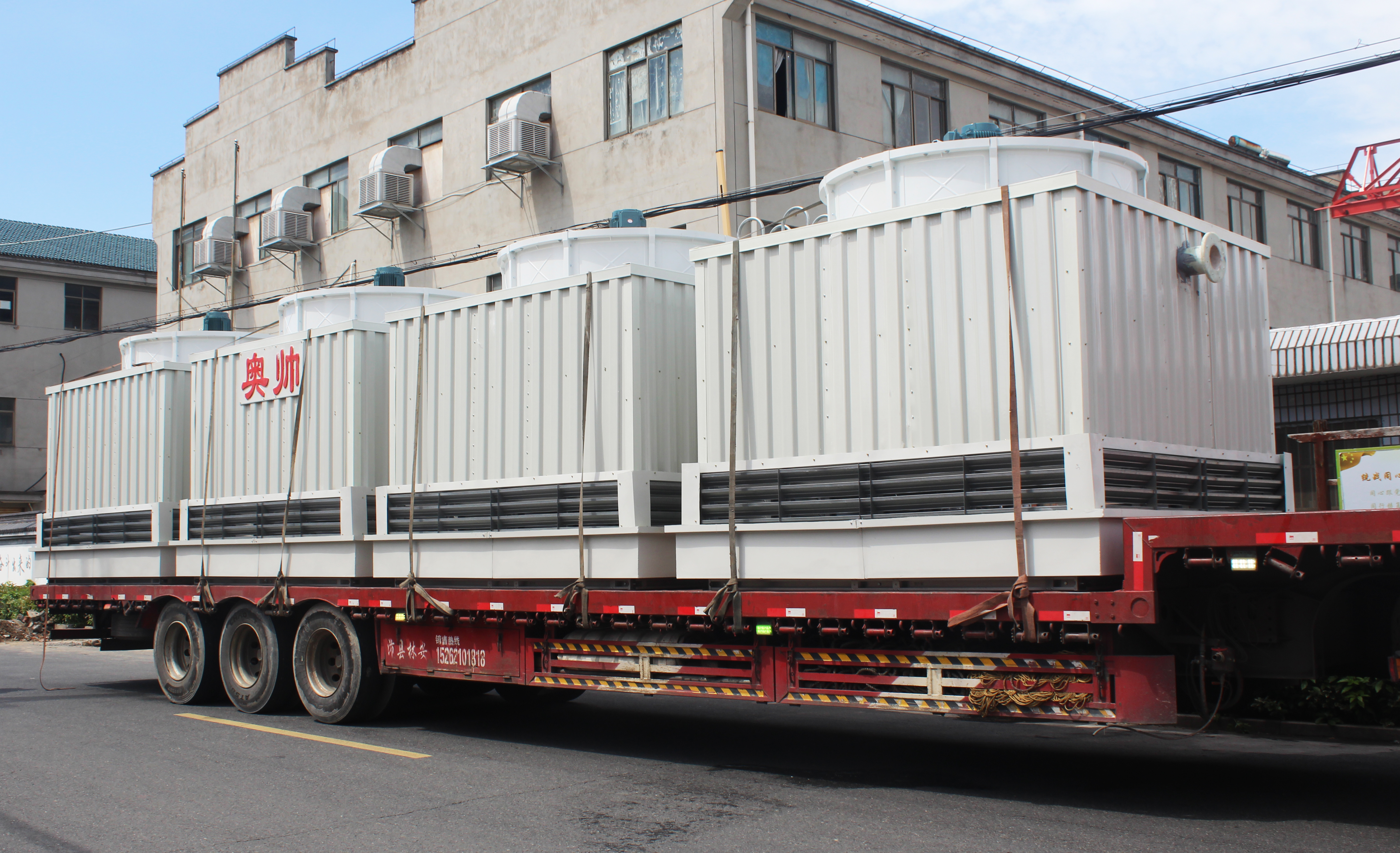
A cooling tower is a critical component in industrial HVAC systems, power plants, manufacturing facilities, chemical plants, and process cooling applications. It continuously removes heat from circulating water and transfers it into the atmosphere through evaporation and air movement.
Because cooling towers operate in harsh environments with constant exposure to water, airflow, vibration, temperature changes, and contaminants, regular maintenance is essential to ensure reliable performance.
A professional cooling tower maintenance guide helps operators understand inspection requirements, cleaning procedures, component replacement schedules, and preventive maintenance practices that reduce downtime and extend equipment life.
Proper cooling tower maintenance improves:
Heat transfer efficiency
Energy performance
Equipment reliability
Water quality control
Operating safety
Component service life
CoolingTowerPart.com provides high-quality cooling tower replacement parts and maintenance solutions, including cooling tower fills, fans, motors, nozzles, drift eliminators, gear reducers, pumps, and other OEM-compatible components.
Why Cooling Tower Maintenance Is Important
Regular cooling tower maintenance prevents performance degradation and unexpected equipment failures.
Maintain Cooling Efficiency
The main purpose of a cooling tower is to remove heat from circulating water.
Dirty or damaged components can reduce:
Routine maintenance keeps the system operating at designed efficiency.
Reduce Energy Consumption
A poorly maintained cooling tower requires more energy to achieve the same cooling performance.
Problems such as:
Dirty fill media
Incorrect fan operation
Motor problems
Poor water distribution
can increase electricity consumption.
Preventive maintenance helps reduce operating costs.
Prevent Equipment Failures
Cooling tower components operate continuously and may experience wear over time.
Regular inspections help identify:
Bearing damage
Fan imbalance
Gear reducer problems
Corrosion
Water leakage
Early detection prevents expensive repairs.
Extend Cooling Tower Service Life
Proper maintenance protects major components and delays replacement.
Well-maintained cooling towers can operate efficiently for decades with proper care.
Cooling Tower Maintenance Checklist
A complete cooling tower maintenance program should include regular inspection, cleaning, lubrication, and performance monitoring.
Daily Cooling Tower Inspection
Operators should check:
Abnormal noise
Excessive vibration
Water leakage
Fan operation
Water level
Operating temperature
Daily monitoring helps identify problems before they become serious.
Weekly Cooling Tower Maintenance
Weekly maintenance tasks include:
Check Water Distribution System
Inspect:
Spray nozzles
Distribution pipes
Water flow pattern
Uneven water distribution can reduce cooling efficiency.
Inspect Cooling Tower Basin
Check:
Dirt accumulation
Sediment buildup
Algae growth
Drain condition
A clean basin improves water circulation.
Monitor Operating Data
Record:
Performance data helps identify changes in system condition.
Monthly Cooling Tower Maintenance
Monthly inspections should focus on mechanical and electrical components.
The fan is responsible for creating airflow through the cooling tower.
Inspect:
Fan blades
Blade angle
Fan balance
Hub condition
Fasteners
Problems with fan blades may cause:
Reduced airflow
Increased vibration
Higher motor load
The motor drives the cooling tower fan and requires regular inspection.
Check:
Motor temperature
Bearing condition
Electrical connections
Insulation resistance
Current consumption
A cooling tower duty motor should operate smoothly without overheating or excessive vibration.
Gear reducers require proper lubrication and inspection.
Check:
Oil level
Oil quality
Leakage
Operating temperature
Abnormal noise
Insufficient lubrication can cause premature gearbox failure.
Cooling tower fill is one of the most important heat transfer components.
The fill provides a large surface area where air and water interact.
Common Cooling Tower Fill Problems
Problems include:
Scale buildup
Algae growth
Dirt blockage
Material aging
Deformation
Dirty fill reduces:
Airflow
Water distribution
Heat transfer efficiency
Cooling Tower Fill Cleaning Procedure
A basic cleaning process includes:
Step 1: Shut Down Equipment
Before cleaning:
Stop fans
Stop pumps
Isolate equipment
Follow safety procedures.
Step 2: Inspect Fill Condition
Check for:
Scale
Biological growth
Blocked channels
Physical damage
Step 3: Flush with Water
Use low-pressure water cleaning to remove loose debris.
Avoid excessive pressure that may damage PVC fill.
Step 4: Chemical Cleaning
For heavy contamination, chemical treatment may be required.
Common treatments include:
Scale removers
Algae control agents
Biocides
Chemical selection should match the fill material.
Step 5: Replace Damaged Fill
Cooling tower fill should be replaced when:
Cooling tower nozzles provide even water distribution over the fill.
Blocked nozzles can cause:
Dry areas
Poor cooling performance
Uneven heat transfer
Maintenance includes:
Common nozzle materials include:
ABS
PVC
PP
Engineering plastics
Drift eliminators reduce water loss by capturing water droplets carried by airflow.
Inspect for:
Dirt buildup
Broken sections
Blocked passages
Damaged drift eliminators can increase:
Water consumption
Chemical loss
Environmental impact
Cooling tower louvers control airflow and reduce water splash loss.
Check:
Cracks
Missing sections
Algae buildup
Dirt accumulation
Clean louvers improve airflow distribution.
Cooling Tower Water Treatment Maintenance
Water treatment is essential for preventing scale, corrosion, and biological growth.
Important controls include:
pH Control
Maintaining proper pH prevents:
Corrosion
Scale formation
Chemical Treatment
Programs may include:
Biocides
Corrosion inhibitors
Scale inhibitors
Water Quality Monitoring
Regular testing should check:
Conductivity
Hardness
Chloride levels
Microbial activity
Seasonal Cooling Tower Maintenance
Different seasons require different maintenance approaches.
Before Startup
Inspect:
Fan system
Motors
Gearboxes
Water distribution
Electrical connections
Clean the system before operation.
During High Cooling Season
Monitor:
Cooling capacity
Water quality
Vibration
Energy consumption
Before Winter Shutdown
Perform:
Drainage
Cleaning
Freeze protection
Component inspection
Common Cooling Tower Problems and Solutions
Poor Cooling Performance
Possible causes:
Dirty fill
Blocked nozzles
Insufficient airflow
Incorrect water flow
Solutions:
Clean fill
Replace nozzles
Check fan operation
Adjust water flow
Excessive Vibration
Possible causes:
Fan imbalance
Motor problems
Gearbox wear
Solutions:
Balance fan blades
Inspect bearings
Check alignment
Excessive Noise
Possible causes:
Bearing damage
Gear reducer issues
Loose components
Solutions:
Lubricate components
Replace damaged parts
Tighten connections
High Water Consumption
Possible causes:
Drift eliminator damage
Excessive drift
Leakage
Solutions:
Cooling Tower Maintenance Schedule
| Component | Inspection Frequency | Maintenance Action |
| Fan blades | Monthly | Check balance and damage |
| Motor | Monthly | Inspect temperature and vibration |
| Gear reducer | Monthly | Check oil and leakage |
| Fill media | Quarterly | Inspect scaling and blockage |
| Nozzles | Monthly | Clean and inspect spray pattern |
| Drift eliminators | Quarterly | Check damage and dirt |
| Basin | Monthly | Remove sediment and debris |
| Water quality | Weekly | Test chemical levels |
Benefits of Professional Cooling Tower Maintenance
Professional maintenance services provide:
Benefits include:
Cooling Tower Replacement Parts from CoolingTowerPart.com
CoolingTowerPart.com supplies a complete range of cooling tower replacement components.
Products include:
Advantages:
OEM-compatible solutions
Factory-direct supply
Customized manufacturing
Global shipping support
Competitive pricing
Frequently Asked Questions About Cooling Tower Maintenance
How often should a cooling tower be maintained?
Cooling towers should be inspected regularly, with daily monitoring, monthly mechanical inspections, and periodic cleaning based on operating conditions.
What is included in cooling tower maintenance?
Cooling tower maintenance includes inspection, cleaning, lubrication, water treatment, component testing, and replacement of damaged parts.
How do I improve cooling tower efficiency?
Efficiency can be improved by maintaining clean fill media, proper water distribution, balanced fans, efficient motors, and effective water treatment.
How often should cooling tower fill be replaced?
Cooling tower fill replacement depends on material condition, water quality, and operating environment. Many fills last several years with proper maintenance.
What are the most common cooling tower failures?
Common failures include dirty fill, blocked nozzles, fan vibration, motor problems, gearbox failures, and poor water treatment.
Conclusion
A comprehensive cooling tower maintenance guide helps operators maintain reliable operation, improve cooling efficiency, and reduce unexpected downtime.
Regular inspection, cleaning, water treatment, and timely replacement of worn components are essential for maximizing cooling tower performance.
CoolingTowerPart.com provides professional cooling tower replacement parts and maintenance solutions for industrial and commercial cooling systems worldwide.


