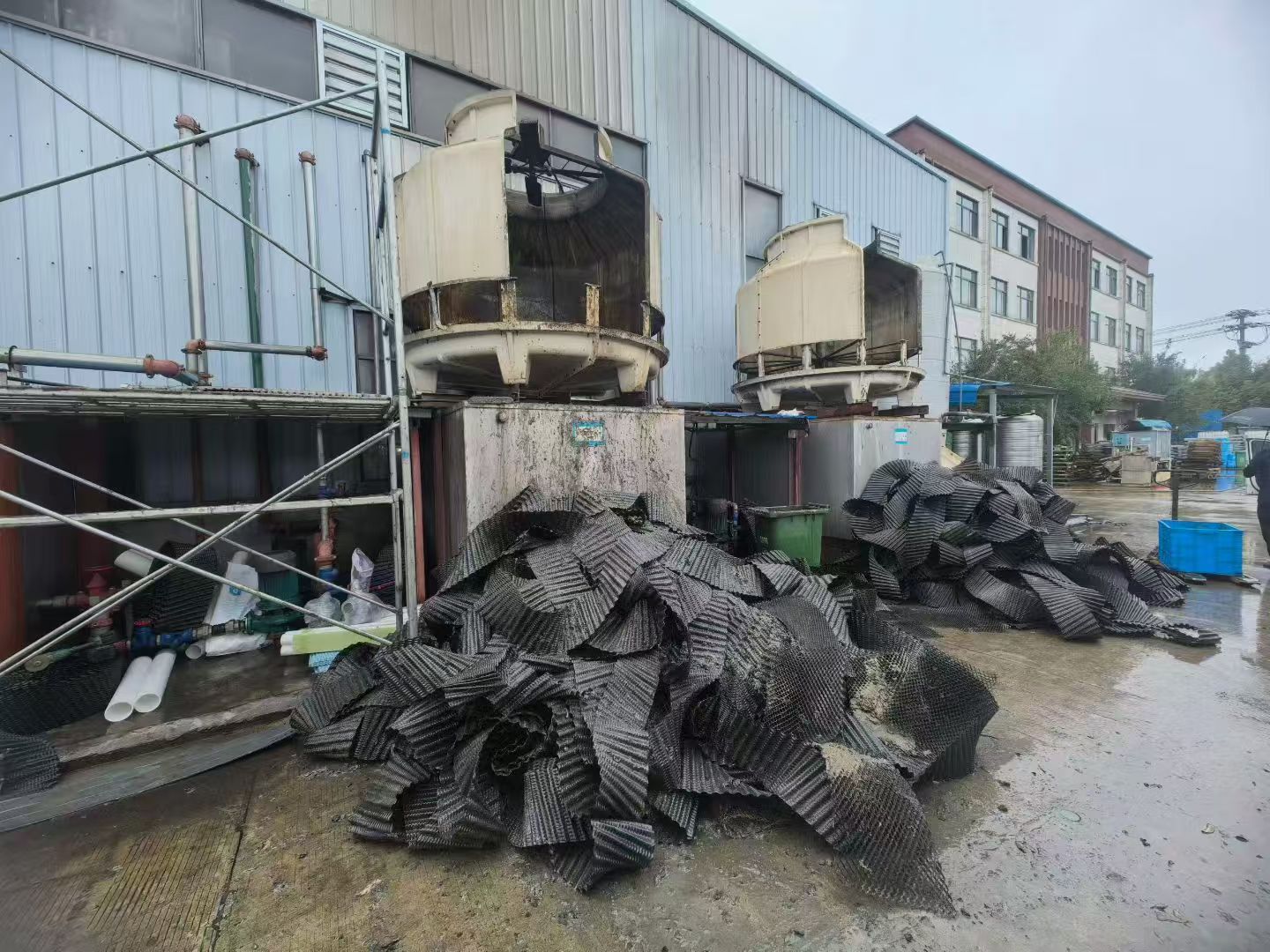
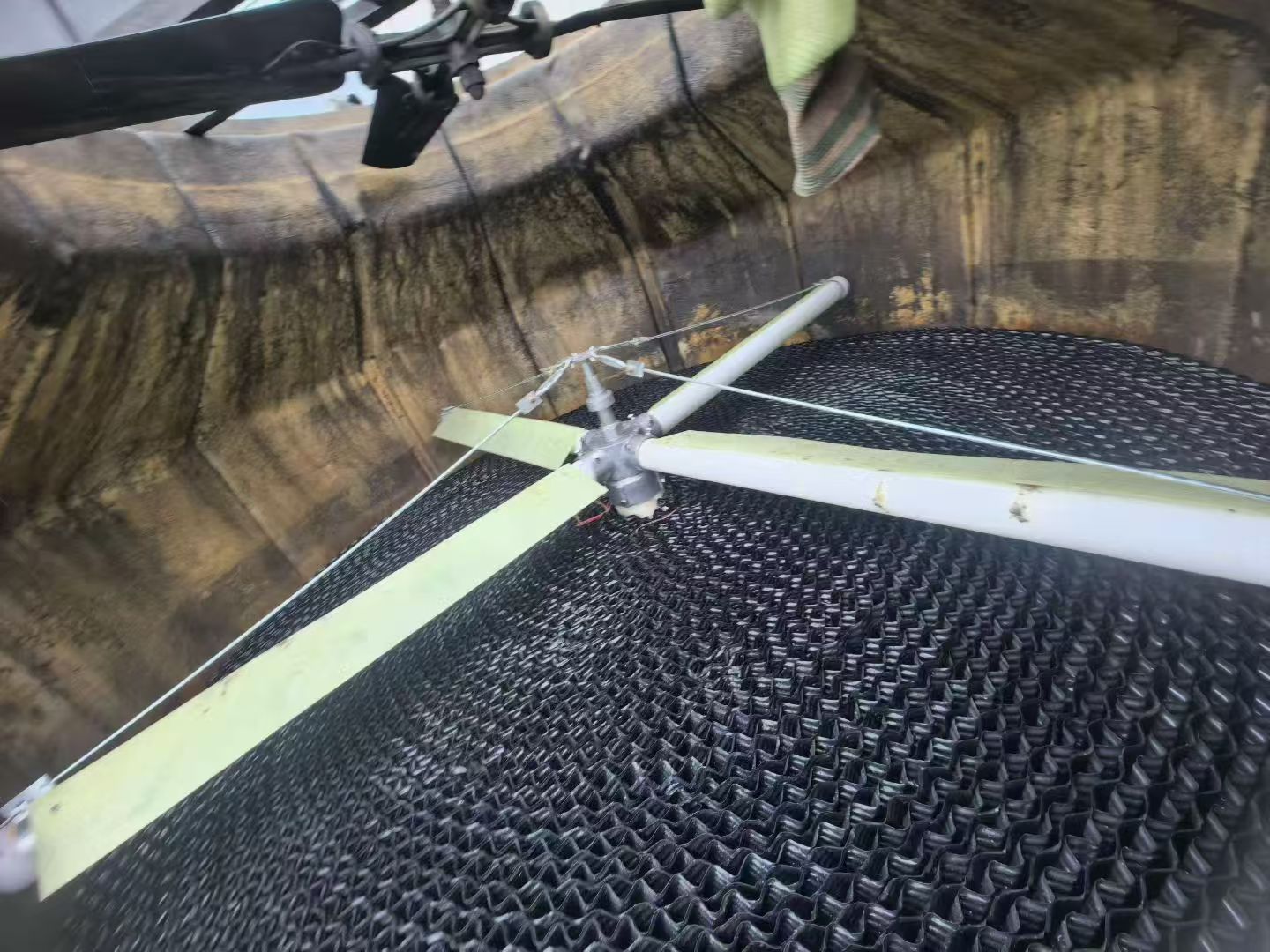
Cooling tower fill media plays a critical role in heat transfer, cooling efficiency, and overall tower performance. Over time, cooling tower fill can become clogged, damaged, deformed, or chemically degraded, reducing its ability to cool circulating water effectively. Knowing when to replace cooling tower fill media helps industrial facilities maintain stable operation, control energy costs, and avoid unexpected downtime.
But how can you tell whether your cooling tower fill needs cleaning or complete replacement?
This guide explains the key warning signs, common causes of fill deterioration, inspection methods, and factors to consider when selecting replacement cooling tower fill media.
1. What Is Cooling Tower Fill Media?
Cooling tower fill media is installed inside a cooling tower to increase the contact area between circulating water and air. By spreading water across a larger surface, fill improves heat transfer and helps the tower cool water more efficiently.
The main types include:
PVC film fill: Uses closely spaced sheets to provide a large heat-transfer surface. It is commonly used in industrial and commercial cooling towers with suitable water quality.
PP film fill: Made from polypropylene, it can offer improved temperature resistance and chemical compatibility in suitable applications.
Splash fill: Breaks falling water into droplets as it moves through grids, bars, or other structures. It is often suitable for applications with higher suspended solids or fouling risks.
Choosing the right fill depends on water quality, operating temperature, tower design, and maintenance requirements.
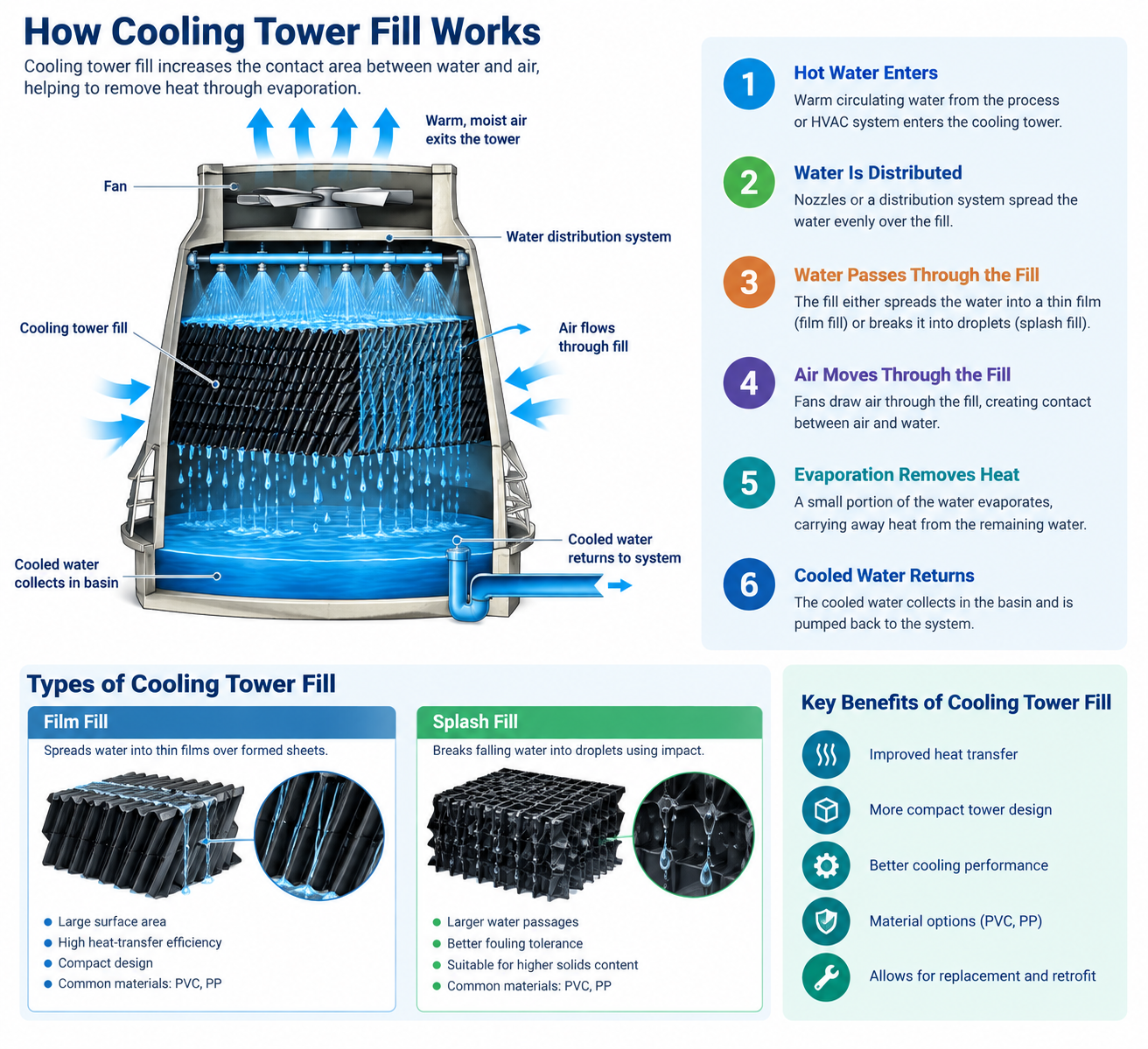
2. Seven Signs Your Cooling Tower Fill Needs Replacement
2.1 Reduced Cooling Efficiency
One of the earliest signs of deteriorating cooling tower fill is declining thermal performance.
If the cooling tower cannot achieve its required cold-water temperature under comparable operating conditions, the fill may no longer distribute water or promote effective air-water contact.
Other possible causes include insufficient airflow, nozzle blockage, excessive water flow, and changing weather conditions. Check these factors before deciding to replace the fill.
2.2 Visible Scale and Mineral Deposits
Hard water can leave calcium carbonate and other mineral deposits on cooling tower fill surfaces. As scale accumulates, it reduces the effective heat-transfer area and restricts airflow through narrow passages.
Look for:
White or gray mineral deposits
Thick scale between PVC or PP sheets
Reduced gaps between fill channels
Uneven water distribution caused by blocked passages
Light deposits may be removable through appropriate cleaning. However, heavy, hardened scale that cannot be safely removed may justify fill replacement.
2.3 Biological Growth and Slime Buildup
Algae, biofilm, and microbial slime can accumulate on cooling tower fill, especially when water treatment and cleaning are inadequate.
Biological growth can obstruct water passages, increase pressure losses, and reduce heat-transfer efficiency. It may also contribute to under-deposit corrosion in nearby metal components.
If repeated cleaning does not restore adequate flow or the fill remains heavily fouled, replacement may be the more practical option.
Important: Cooling towers can harbor Legionella bacteria. Follow an appropriate water-management plan and use trained personnel, suitable protective equipment, and established procedures when inspecting or cleaning contaminated systems.
2.4 Cracked, Brittle, or Deformed Fill Sheets
Physical damage is a strong indicator that cooling tower fill may need replacement.
Common problems include:
Cracked or broken PVC sheets
Brittle plastic caused by aging or chemical exposure
Warped PP or PVC fill blocks
Collapsed passages or separated sheet packs
Damaged support structures
Damaged fill can disrupt water distribution and create uneven airflow. If the damage is widespread or affects the structural stability of the fill pack, replacing the affected sections or the complete fill assembly may be necessary.
2.5 Increased Airflow Resistance
Cooling tower fill is designed to allow air to pass through the fill pack while contacting the water. Fouling, deformation, and blocked passages can increase airflow resistance.
Potential warning signs include abnormal fan operating conditions, changes in airflow, and increased fan energy consumption under comparable operating conditions.
Inspect the fill for debris, scale, biological growth, and collapsed channels. Also check the drift eliminators, louvers, fan, and other airflow components because they can produce similar symptoms.
2.6 Uneven Water Distribution
Proper water distribution is essential for effective cooling tower operation. Damaged fill or blocked passages can create dry areas and concentrated water channels.
During an inspection, look for:
Dry patches across the fill surface
Water channeling in isolated areas
Uneven wetting between fill sections
Persistent pooling or blocked drainage paths
Check the distribution basin, spray nozzles, and piping first. If the distribution system is working correctly but the fill remains damaged or unable to spread water evenly, replacement may be required.
2.7 Repeated Maintenance Problems
Frequent cleaning, recurring blockages, and repeated repairs can indicate that cooling tower fill has reached the end of its useful service life.
When maintenance costs continue to rise without restoring reliable performance, replacement may provide better long-term value.
The decision should consider the fill's condition, cleaning effectiveness, downtime costs, water quality, and expected performance after replacement.
3. What Causes Cooling Tower Fill to Deteriorate?
Several operating conditions can shorten cooling tower fill service life.
| Cause | Effect on Fill Media |
| Poor water treatment | Scale, corrosion-related deposits, and biological growth |
| High suspended solids | Blocked passages and accumulated debris |
| Excessive operating temperature | Softening, deformation, or accelerated aging of unsuitable materials |
| Chemical incompatibility | Cracking, embrittlement, or material degradation |
| UV exposure during storage | Premature aging of susceptible plastic materials |
| Poor installation | Uneven loading, damaged sheets, and collapsed fill packs |
| Inadequate maintenance | Progressive fouling and reduced heat-transfer performance |
Selecting the correct PVC or PP fill and maintaining appropriate water treatment can help extend service life.
4. How to Inspect Cooling Tower Fill Before Replacement
A systematic inspection helps determine whether cleaning, partial replacement, or a complete fill replacement project is appropriate.
Step 1: Review Operating Performance
Compare current cooling performance with historical records under similar load and ambient conditions. Review cold-water temperature, range, approach, water flow, and fan energy consumption where available.
Step 2: Inspect the Fill Surface
Look for scale, slime, debris, discoloration, cracks, deformation, and collapsed passages. Check several locations because damage may not be uniform throughout the tower.
Step 3: Evaluate Water and Air Distribution
Inspect spray nozzles, distribution piping, basins, drift eliminators, and airflow paths. These components can cause symptoms that resemble fill failure.
Step 4: Assess Cleaning Results
If the fill is structurally sound, a suitable cleaning procedure may restore performance. Avoid aggressive chemicals or high-pressure cleaning methods that could damage the material.
Step 5: Estimate Repair Versus Replacement Costs
Consider cleaning labor, replacement materials, installation costs, downtime, and future maintenance requirements. Replacement becomes more attractive when deterioration is extensive or cleaning no longer produces satisfactory results.
All internal inspections should follow the cooling tower manufacturer's safety procedures, including isolation and lockout of relevant equipment.
5. How to Choose the Right Replacement Cooling Tower Fill Media
When ordering cooling tower fill media, evaluate more than the purchase price.
Material selection: PVC film fill is common for many standard applications, while PP fill may be preferable where higher temperature resistance or specific chemical compatibility is required. Confirm the material's limits with the supplier.
Fill type: Film fill generally offers high heat-transfer efficiency in suitable water conditions. Splash fill may be more appropriate where suspended solids and fouling are major concerns.
Dimensions and configuration: Confirm fill block dimensions, sheet spacing, flute geometry, pack orientation, support requirements, and available installation space.
Cooling tower compatibility: For Marley, BAC, EVAPCO, SPX, or other tower installations, verify the actual tower model and fill arrangement. Compatible replacement media should match the required geometry and performance characteristics; brand compatibility should not be assumed from the name alone.
Supplier capability: Look for a manufacturer that can provide technical specifications, material information, dimensional confirmation, packaging details, and support for replacement or retrofit projects.
6. How Often Should Cooling Tower Fill Be Replaced?
There is no universal replacement interval for cooling tower fill media. Service life depends on water quality, operating temperature, chemical treatment, maintenance practices, material selection, and operating hours.
Some systems may operate for many years without full replacement, while heavily fouled or chemically stressed systems may require earlier intervention.
Instead of relying only on age, establish a regular inspection schedule and track performance trends. Replace fill when its condition or reduced performance can no longer be corrected economically through cleaning or repair.
7. Benefits of Timely Cooling Tower Fill Replacement
Replacing deteriorated fill media at the right time can help facilities:
Restore heat-transfer performance
Improve water distribution and airflow
Reduce recurring cleaning and maintenance costs
Support stable cooling-water temperatures
Improve the reliability of industrial cooling systems
Reduce avoidable energy waste when fill deterioration is a contributing factor
Actual results depend on the original problem, the replacement design, and the condition of the entire cooling tower system.
Frequently Asked Questions
How do I know if cooling tower fill needs replacement?
Common signs include persistent scale, recurring biological fouling, cracked or deformed sheets, blocked passages, uneven water distribution, and reduced cooling performance that cannot be restored through appropriate maintenance.
Can cooling tower fill be cleaned instead of replaced?
Yes. Cleaning may be sufficient when the fill is structurally sound and the deposits can be removed safely. Replacement is generally more appropriate when the fill is brittle, collapsed, severely damaged, or persistently blocked.
Which is better for replacement: PVC or PP cooling tower fill?
Neither material is universally better. PVC is widely used in standard cooling applications, while PP may be advantageous at higher operating temperatures or in certain chemical environments. Confirm the specific material grade and operating limits before purchasing.
Does replacing cooling tower fill improve efficiency?
It can improve thermal performance when the existing fill is clogged, damaged, or no longer distributing water effectively. However, fan condition, water flow, nozzles, water treatment, and operating conditions also affect overall cooling efficiency.
How can I reduce the frequency of fill replacement?
Maintain effective water treatment, remove debris, inspect nozzles and distribution systems, monitor cooling performance, and select fill media appropriate for the operating environment.
Conclusion
Knowing when cooling tower fill media needs replacement helps industrial operators avoid persistent cooling problems and unnecessary maintenance expenses. Scale buildup, biological fouling, structural damage, airflow restriction, and declining thermal performance are all important warning signs.
Inspect the fill regularly, rule out problems elsewhere in the tower, and compare cleaning and repair costs with replacement costs. When replacement is necessary, choose suitable PVC or PP film fill or splash fill based on water quality, operating conditions, and tower specifications.
For industrial cooling tower fill media replacement projects, working with an experienced supplier can help confirm dimensions, material suitability, and installation requirements before ordering.
Recommended internal links for CoolingTowerPart.com: