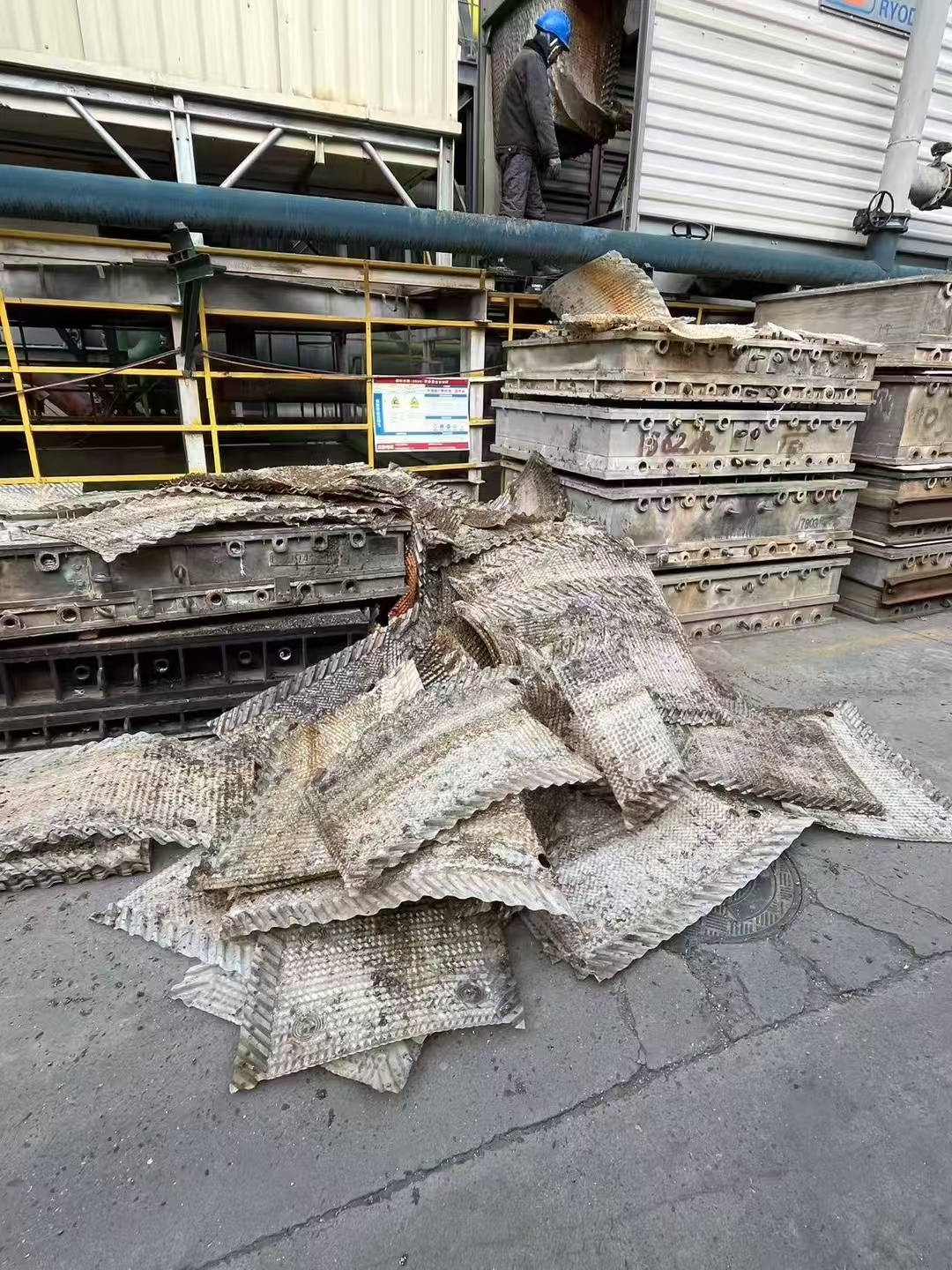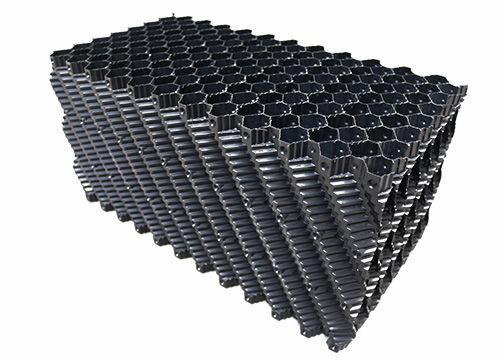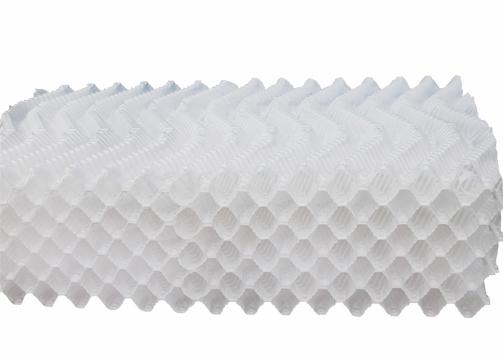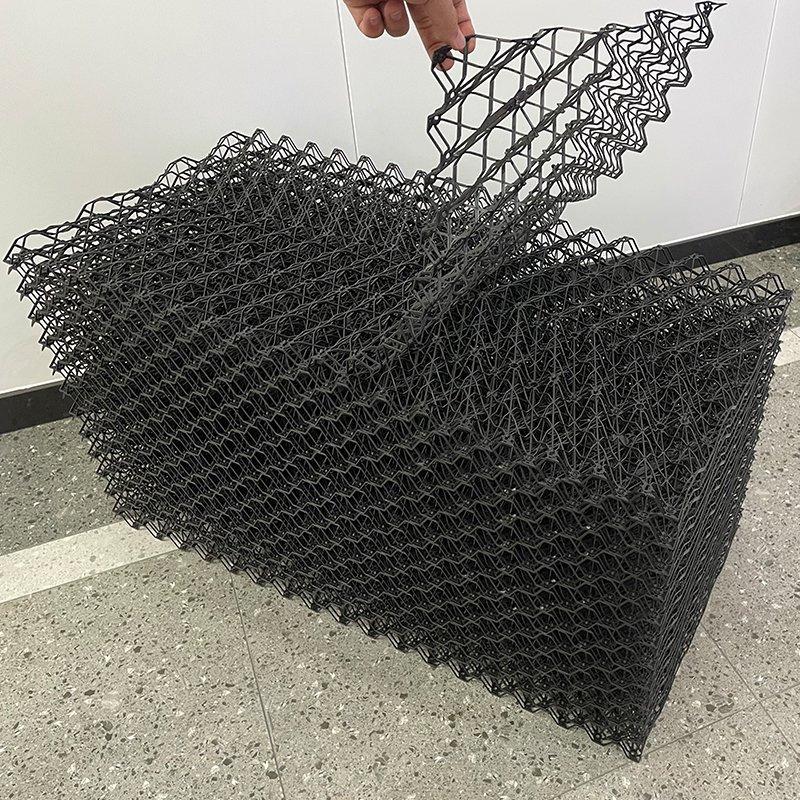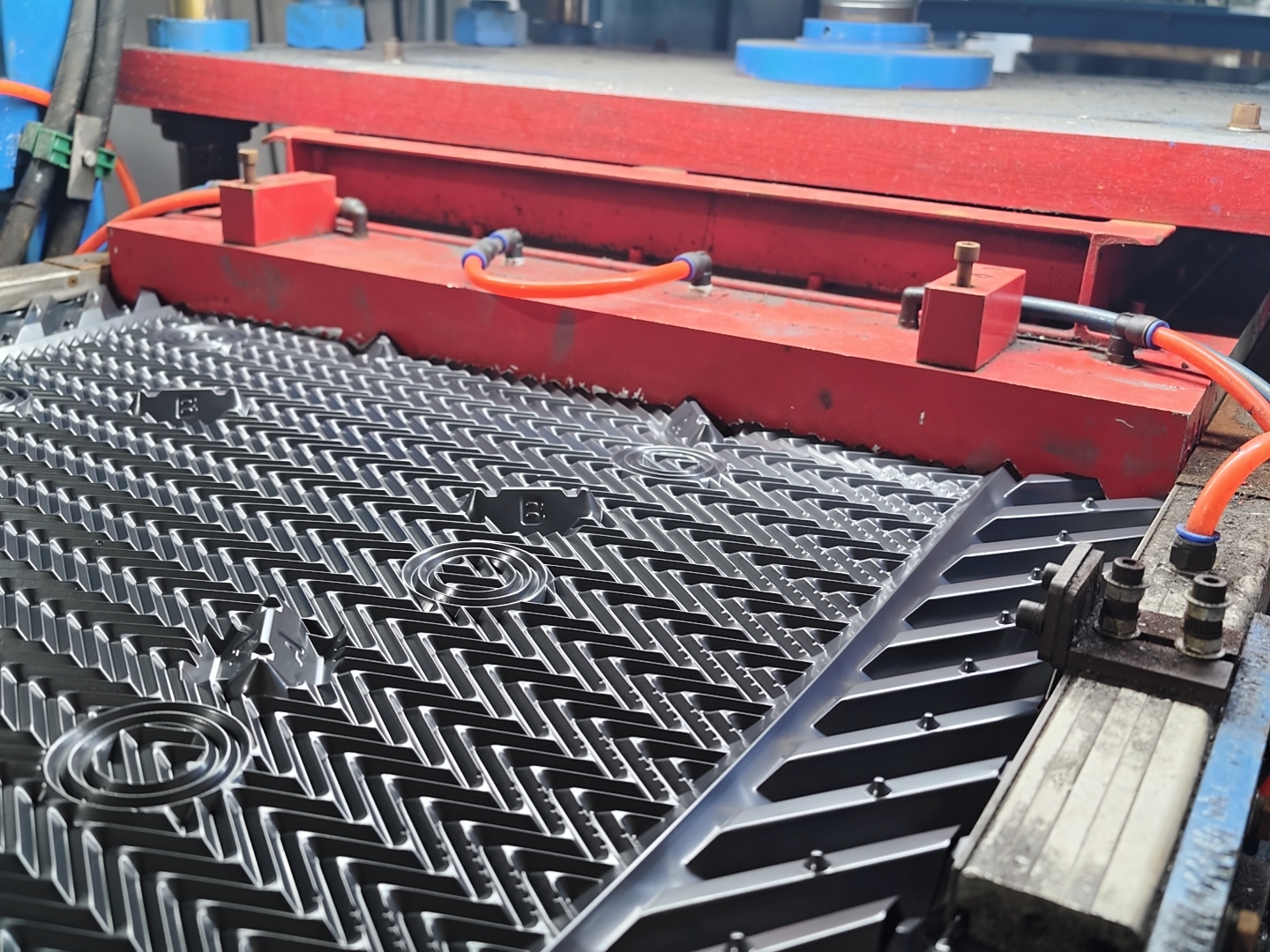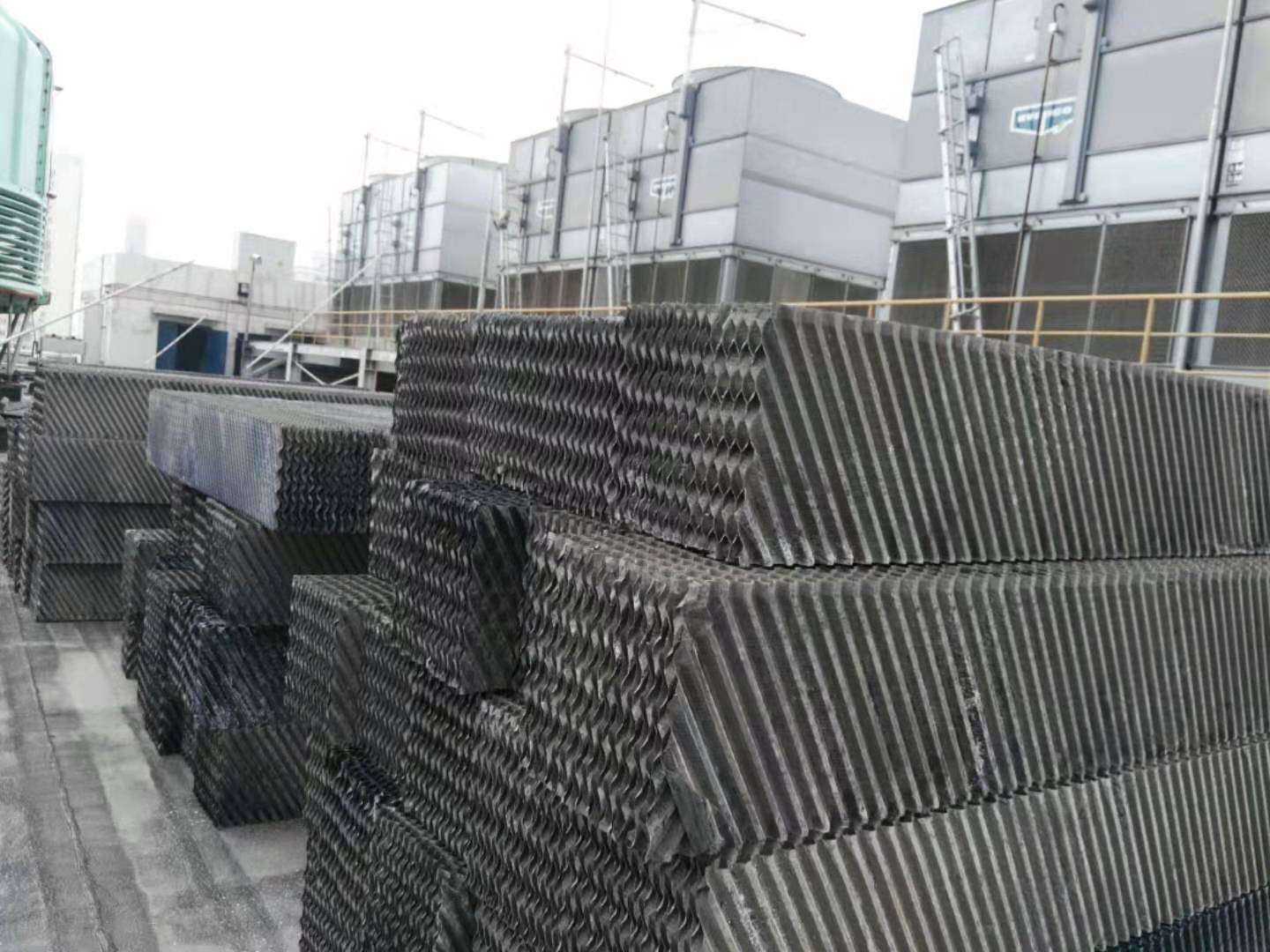
Cooling tower fill media plays a critical role in heat transfer by increasing the contact area between water and air. Over time, cooling tower fill can become clogged, deformed, cracked, or damaged by scale, biological growth, and chemical exposure. These problems reduce cooling efficiency, increase operating costs, and may affect the reliability of the entire cooling tower system.
Cooling tower fill media replacement is an effective way to restore thermal performance, improve water distribution, and extend equipment service life. However, proper installation and regular maintenance are essential to achieve long-term results.
This guide explains when to replace cooling tower fill, how to select suitable replacement materials, the main installation steps, and how to maintain fill media for reliable industrial operation.
When Should Cooling Tower Fill Media Be Replaced?
Cooling tower fill does not always need replacement at a fixed interval. Its service life depends on water quality, operating temperature, chemical treatment, material quality, and maintenance practices.
Look for the following warning signs.
Reduced Cooling Performance
If the cooling tower cannot maintain the required cold-water temperature, damaged or fouled fill may be restricting heat transfer. Before replacing the fill, check water flow, airflow, fan operation, and other potential causes.
Scale and Biological Fouling
Mineral deposits, algae, slime, and suspended solids can accumulate on fill surfaces. Severe fouling blocks water passages and reduces the effective contact area between air and water.
Cracked, Brittle, or Deformed Sheets
PVC and PP film fill can become brittle or deform after prolonged exposure to heat, chemicals, and mechanical stress. Damaged sheets may collapse, separate, or create uneven water distribution.
Increased Pressure Drop
Blocked or collapsed fill passages can restrict airflow and increase system resistance. This may reduce airflow through the tower and affect fan energy consumption.
Uneven Water Distribution
Broken fill packs, incorrect installation, or damaged supports can create dry areas and concentrated water flow. These conditions reduce the effective heat-transfer area.
When cleaning cannot restore acceptable performance, or the fill has suffered significant structural damage, replacement may be the most practical solution.
Choosing the Right Cooling Tower Replacement Fill Media
Selecting the correct replacement fill is essential for thermal performance, durability, and compatibility with the existing cooling tower.
PVC Film Fill
PVC cooling tower fill is widely used in commercial and industrial applications. Its closely spaced sheets provide a large surface area for heat transfer.
PVC film fill is suitable for relatively clean circulating water and applications where high thermal efficiency is important. Confirm its temperature and chemical compatibility before selection.
PP Film Fill
Polypropylene (PP) film fill offers useful chemical resistance and can be suitable for operating conditions where PVC is less appropriate. Actual performance depends on the PP grade, sheet thickness, operating temperature, and fill design.
Splash Fill
Splash fill distributes water through repeated splashing over bars, grids, or other structured components. It is often considered for systems with higher suspended-solids levels or where fouling resistance is a priority.
The correct splash-fill design must still provide suitable thermal performance and airflow characteristics.
Important Selection Factors
Before ordering replacement cooling tower fill, evaluate:
Cooling tower type: Crossflow or counterflow.
Fill dimensions: Pack length, width, height, and available installation space.
Material: PVC, PP, or another material suited to the operating environment.
Operating temperature: Maximum continuous and peak water temperatures.
Water quality: Scale tendency, suspended solids, biological growth, and chemical composition.
Thermal requirements: Heat load, water flow, entering and leaving water temperatures, and design wet-bulb temperature.
Airflow and pressure drop: The replacement must work with the existing fan and tower configuration.
Support structure: Confirm the load capacity, spacing, and condition of fill supports.
For Marley, BAC, EVAPCO, SPX, or other cooling tower replacement projects, use verified dimensions and technical drawings rather than relying on the brand name or model number alone.
Cooling Tower Fill Media Replacement: Step-by-Step Installation
Correct installation helps prevent bypass airflow, uneven water distribution, and premature fill damage.
Step 1: Shut Down and Isolate the Cooling Tower
Follow the facility's lockout/tagout procedures. Isolate electrical equipment, stop the fan and circulating-water pumps as required, and verify that the work area is safe.
Allow hot water and equipment to cool before starting. Use appropriate fall protection, confined-space procedures, and personal protective equipment where applicable.
Step 2: Inspect the Existing Fill System
Document the existing fill arrangement, pack dimensions, support spacing, water distribution layout, and access limitations. Photograph the installation before removing components.
Inspect the drift eliminators, spray nozzles, distribution pipes, structural supports, and air inlets. Replacing the fill without addressing these related problems may limit performance improvements.
Step 3: Remove Old Fill Media
Remove the damaged or fouled fill packs carefully. Avoid damaging the tower casing, support beams, piping, or nearby components.
Collect removed materials and deposits according to applicable site waste-handling requirements. Clean the fill chamber and remove accumulated debris.
Step 4: Inspect and Prepare the Supports
Check support members for corrosion, cracks, deformation, loose connections, or excessive deflection. Repair or replace defective supports before installing the new fill.
Confirm that the support structure can safely carry the replacement fill and the associated operating loads.
Step 5: Install the Replacement Fill Packs
Arrange the new fill packs according to the manufacturer's installation drawings. Maintain the specified orientation, spacing, and stacking arrangement.
For film fill, ensure that the sheets remain properly aligned and that water and air passages are not obstructed. Avoid cutting or modifying packs unless the supplier has approved the method.
In crossflow towers, check that the fill arrangement matches the water distribution and airflow direction. In counterflow towers, verify compatibility with the spray system and the required upward airflow path.
Step 6: Check Water Distribution Components
Inspect and clean spray nozzles, headers, and distribution basins. Replace blocked or damaged nozzles and repair leaking connections where necessary.
Uniform water distribution helps the fill operate effectively and reduces localized dry areas and concentrated water flow.
Step 7: Conduct a Final Inspection
Before restarting, verify that:
Fill packs are secure and correctly aligned.
Supports and retaining components are properly installed.
Air passages and water channels are unobstructed.
Spray nozzles and distribution pipes are clean.
Tools, debris, and temporary materials have been removed.
Drift eliminators and access panels are correctly reinstalled.
Step 8: Restart and Verify Performance
Restart the cooling tower according to site procedures. Check for abnormal vibration, leaks, uneven spray patterns, and unexpected airflow restrictions.
Record operating conditions, including water flow, hot- and cold-water temperatures, ambient wet-bulb temperature, fan current, and relevant pressure measurements. Compare results with design values or reliable pre-maintenance records.
Cooling Tower Fill Media Maintenance Best Practices
Regular maintenance helps extend fill service life and reduces the risk of unplanned shutdowns.
Establish a Routine Inspection Schedule
Inspect the fill periodically according to operating conditions and the manufacturer's recommendations. Check for visible fouling, broken sheets, sagging packs, and uneven water distribution.
Systems with poor water quality or heavy contamination may require more frequent inspections.
Clean Fill Using Appropriate Methods
Remove deposits using a method compatible with the fill material and tower design. Low-pressure water cleaning and approved cleaning chemicals may be suitable in certain applications.
Avoid excessive water pressure, aggressive chemicals, or mechanical scraping that could damage thin fill sheets. Follow site procedures for handling biocides, cleaning agents, and contaminated wastewater.
Maintain Water Treatment
Effective water treatment is one of the most important ways to prevent premature fill failure. Control scale, corrosion, suspended solids, and biological growth through an appropriate treatment program.
Monitor water chemistry, blowdown, filtration, and microbial control according to the cooling system's requirements.
Inspect Related Cooling Tower Components
Check drift eliminators, nozzles, strainers, fans, gearboxes, and fill supports during scheduled maintenance. Problems in these components can contribute to poor cooling performance even when the fill itself remains serviceable.
Keep Maintenance Records
Record inspection dates, cleaning activities, water quality results, observed damage, and operating performance. These records help identify recurring problems and determine when replacement becomes more economical than repeated cleaning.
Common Installation and Maintenance Mistakes
Avoid these common problems when replacing cooling tower fill media:
Choosing fill by price alone: Low-cost material may not withstand the operating temperature or water chemistry.
Ignoring dimensions: Incorrect pack sizes can create gaps, bypass airflow, or installation difficulties.
Mixing incompatible fill designs: Different sheet spacing and geometry can affect airflow and thermal performance.
Overlooking support damage: Weak supports can cause newly installed fill to sag or collapse.
Neglecting water distribution: Blocked nozzles and uneven spray patterns reduce effective heat transfer.
Using aggressive cleaning methods: Excessive pressure or incompatible chemicals can shorten fill service life.
Failing to verify performance: Without operating measurements, installation problems may go unnoticed.
How to Reduce Cooling Tower Fill Replacement Costs
The total cost of cooling tower fill replacement includes more than the price of the fill media. Buyers should consider material costs, pack dimensions, freight, removal and disposal, labor, access equipment, downtime, and any necessary support repairs.
To control costs, measure the existing installation accurately, confirm the required thermal performance, and request a detailed quotation from a qualified cooling tower fill manufacturer or supplier.
For large industrial projects, bulk purchasing and custom-sized replacement packs may reduce material waste and simplify installation. However, verify compatibility, quality documentation, packaging, and delivery schedules before placing an order.
Replacing fill before severe structural failure can also help avoid additional damage, although the decision should be based on inspection findings and the cost of continued operation.
Frequently Asked Questions
How often should cooling tower fill media be replaced?
There is no universal replacement interval. Service life depends on water quality, operating conditions, material, and maintenance. Inspect the fill regularly and replace it when cleaning no longer restores acceptable performance or structural damage becomes significant.
Can cooling tower fill be cleaned instead of replaced?
Yes. Cleaning may be effective when the fill is structurally sound and fouling is removable. Replacement is generally more appropriate for brittle, collapsed, cracked, or severely damaged fill.
Can PVC fill be replaced with PP fill?
Potentially, but the materials are not automatically interchangeable. Confirm temperature limits, chemical compatibility, pack dimensions, thermal performance, airflow resistance, and support requirements before changing materials.
Does new fill improve cooling tower efficiency?
Properly selected and installed replacement fill can restore heat-transfer performance when the old fill is fouled or damaged. Actual results also depend on water distribution, airflow, fan condition, and operating conditions.
What information is needed for a replacement fill quotation?
Provide the cooling tower manufacturer and model, tower type, existing fill dimensions, material, operating temperatures, water quality information, required quantity, and available drawings or photographs. These details help the supplier recommend a suitable replacement.
Conclusion
Cooling tower fill media replacement is an important maintenance measure for restoring heat transfer, maintaining reliable operation, and reducing the effects of fouling and structural deterioration. Successful projects require suitable material selection, accurate measurements, careful installation, and consistent maintenance.
For industrial cooling tower replacement projects, work with an experienced fill media manufacturer or supplier that can provide compatible PVC film fill, PP film fill, or splash fill, along with dimensional support and installation guidance. A well-planned replacement program can help improve cooling performance and support long-term operating reliability.
Recommended internal links for CoolingTowerPart.com: