Why Are Round Cooling Tower Fill Selection and Maintenance Important?
Round cooling towers are widely used in commercial HVAC systems, industrial manufacturing facilities, process cooling applications, and other installations where reliable heat rejection is essential. Their circular structure makes them suitable for various site layouts, while the internal fill helps improve the contact between circulating water and air. However, the performance of a round cooling tower depends heavily on choosing the right fill configuration and maintaining it under appropriate operating conditions.
Round Cooling Tower Fill Selection And Maintenance Tips are particularly valuable for facility managers, cooling tower contractors, equipment distributors, and industrial buyers who want to maintain stable cooling performance while controlling maintenance costs.
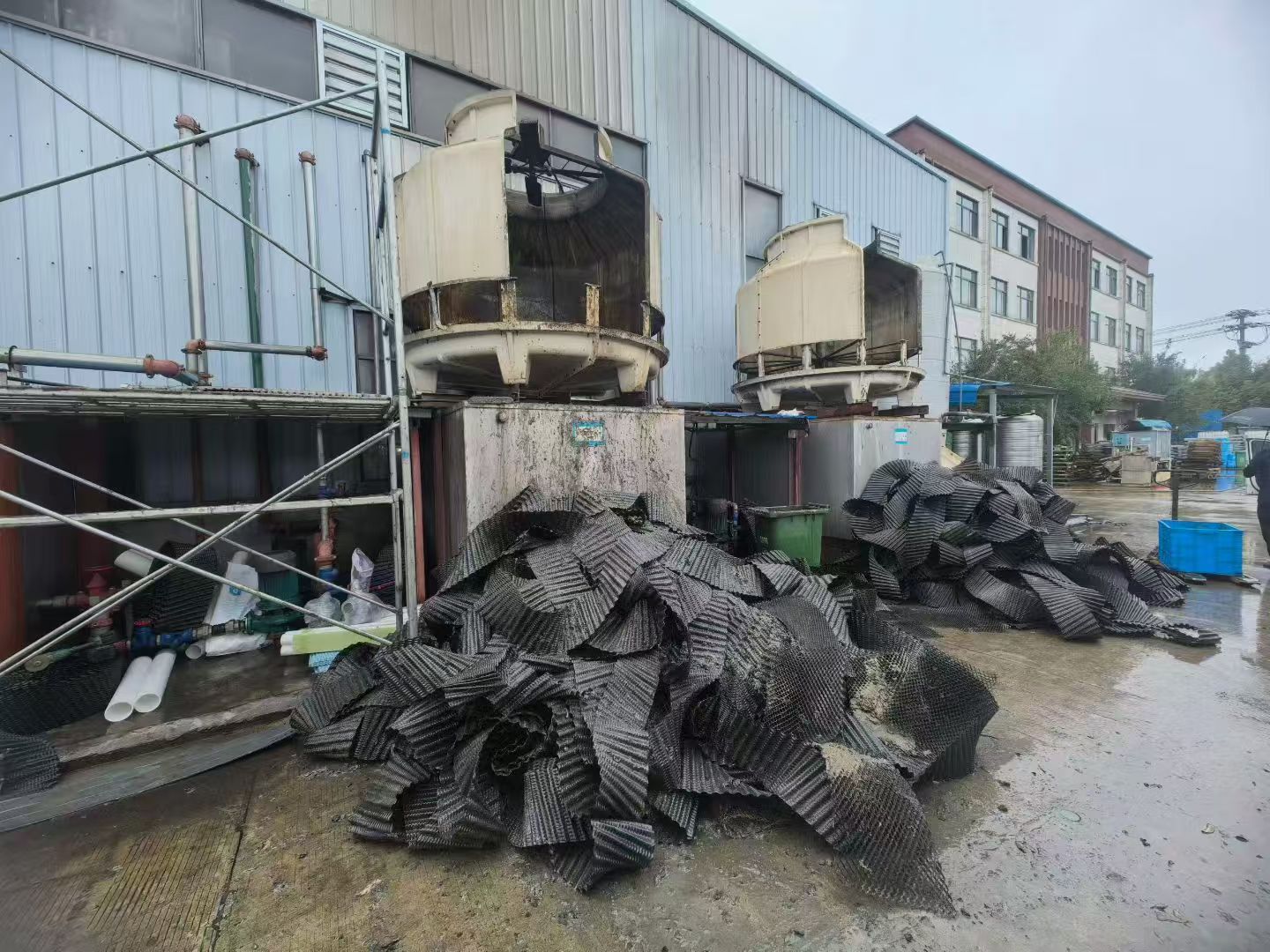
Cooling tower fill provides a large contact area for heat and mass transfer. When the fill becomes blocked by mineral deposits, biological growth, or suspended solids, its effective surface area and water distribution can deteriorate. Damaged or incorrectly selected fill may also restrict airflow, reduce cooling capacity, and increase the risk of unexpected maintenance.
Selecting suitable fill requires evaluating the cooling tower structure, operating temperature, water quality, material compatibility, and replacement dimensions. Regular inspections and effective water treatment then help maintain performance over time.
What Is Round Cooling Tower Fill?
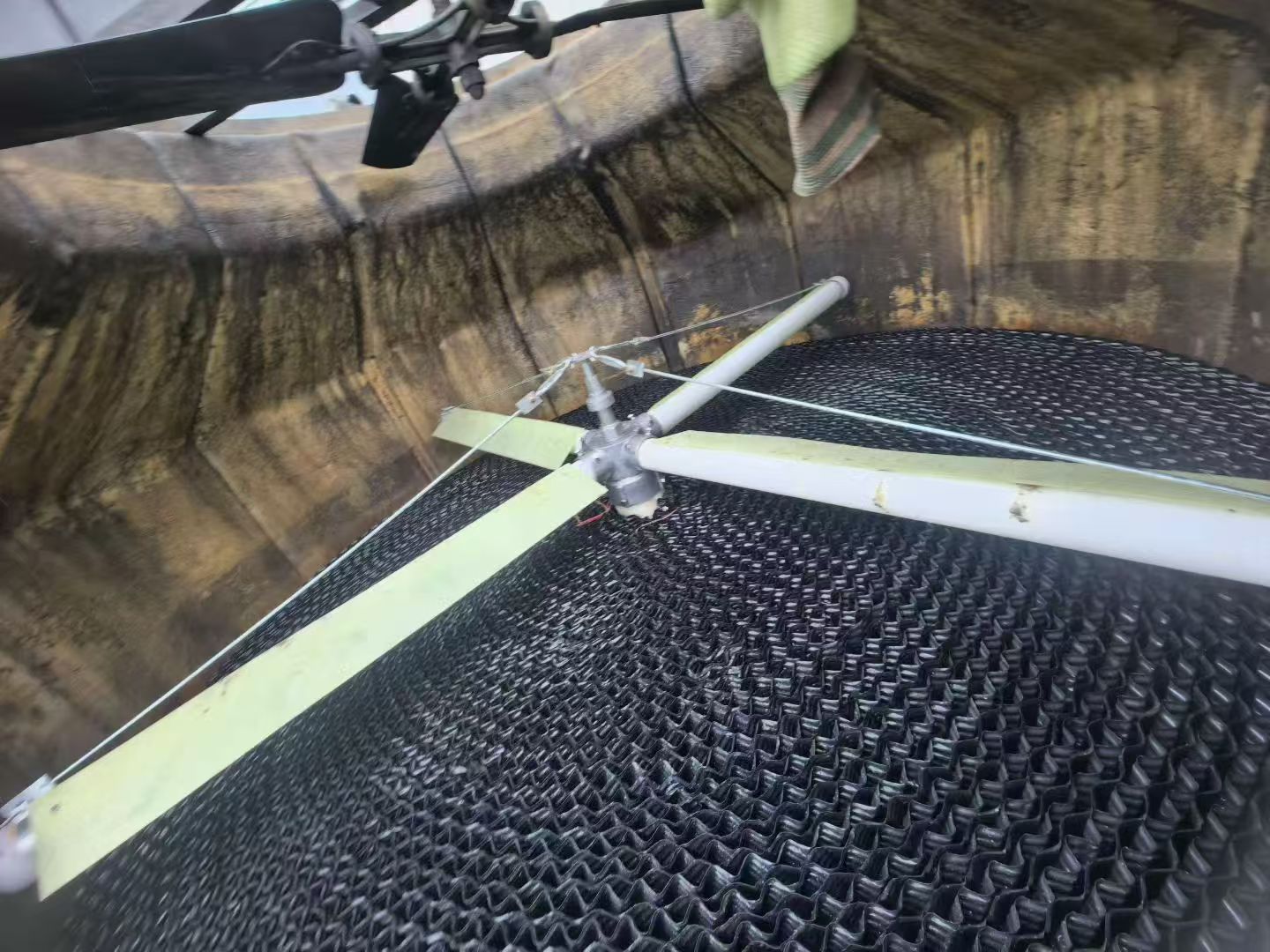
Round cooling tower fill is the internal heat transfer media installed in a circular cooling tower. It increases the contact area between hot circulating water and ambient air, allowing heat to transfer more effectively before the cooled water returns to the system.
Depending on the cooling tower design, round cooling tower fill may use film-fill sheets, splash-fill structures, or customized arrangements designed to fit the tower's circular or segmented internal layout.
How Does Round Cooling Tower Fill Work?
The fill helps create conditions that support efficient heat exchange between water and air.
Increasing the Contact Area Between Water and Air
When hot water enters the cooling tower, it passes through the fill and spreads across surfaces or breaks into smaller droplets. This increases the area exposed to the moving air.
Film fill generally creates thin water films across formed plastic sheets, while splash fill breaks water into droplets through repeated contact with structural elements.
Both approaches aim to improve heat transfer, although their performance and maintenance characteristics differ.
Supporting Evaporative Cooling
As air contacts the circulating water, a small portion of the water evaporates and removes latent heat from the remaining water. This process helps lower the temperature of the water collected in the basin.
The final cooling performance depends on factors such as entering water temperature, ambient wet-bulb temperature, airflow, water flow rate, and fill condition.
Maintaining Water Distribution
The fill should support reasonably uniform water distribution throughout the intended cooling area. Uneven distribution may produce dry zones, concentrated water channels, and inconsistent heat transfer.
In round cooling towers, the shape and arrangement of the fill must also accommodate the tower's internal structure and water distribution system.
What Makes Round Cooling Tower Fill Different From Other Fill Arrangements?
Round cooling tower fill is often associated with circular cooling tower structures, but the term does not describe one universal fill design.
Circular Installation Requirements
The fill may need to be arranged in sections to match the tower's circular shell, internal support structure, and available installation space.
A supplier should confirm whether the replacement requires specially shaped packs, segmented panels, or standard fill modules arranged within the tower.
Compatibility With the Tower's Airflow Pattern
A round cooling tower may use different airflow and water distribution arrangements depending on its design. Fill selection must account for the actual configuration rather than relying on the tower's shape alone.
For this reason, buyers should confirm the cooling tower model, fill type, dimensions, and installation orientation before ordering replacement material.
How to Choose the Right Round Cooling Tower Fill
Choosing the correct fill requires a structured assessment of cooling requirements, equipment dimensions, and operating conditions. A product that fits physically may not provide the required thermal performance if its geometry or airflow resistance differs significantly from the original design.
Evaluate Cooling Tower Capacity and Operating Conditions
The first step is to understand the cooling tower's operating requirements.
Review Water Flow and Temperature
Important operating information includes:
Hot-water inlet temperature.
Cold-water outlet temperature.
Circulating water flow rate.
Required cooling capacity.
Ambient wet-bulb temperature.
Fan airflow and operating condition.
Water quality and chemical treatment program.
These parameters help establish the operating environment for the replacement fill.
For example, a tower operating under a high process heat load may require a different evaluation from a small HVAC cooling tower serving a commercial building.
Consider Seasonal Operating Conditions
Cooling towers may experience significant changes in ambient temperature, humidity, and cooling demand throughout the year.
Fill selection should reflect the expected operating range rather than only the conditions observed during one inspection.
Confirm Fill Dimensions and Internal Structure
Accurate measurements are essential when replacing existing round cooling tower fill.
Measure the Installation Area
Record the available fill height, width, depth, support spacing, and arrangement of internal components. For circular towers, determine how the fill sections fit within the tower's internal geometry.
If original drawings are unavailable, photographs, sample pieces, and careful measurements can help the supplier identify the appropriate replacement configuration.
Check the Support Structure
Fill must be installed on a suitable support system. Damaged support members, incorrect spacing, or excessive loading may cause deformation or instability.
Before installing replacement fill, inspect the supports and confirm that they can accommodate the proposed pack arrangement.
Choose a Suitable Fill Configuration
Different fill structures are intended for different operating environments.
Film Fill for High Contact Area
Film fill spreads water across formed surfaces to create a large contact area. It is commonly used where water treatment can control suspended solids, scale, and biological growth.
Its narrow channels may become blocked when water quality is poor, so the suitability of film fill should be evaluated against actual operating conditions.
Splash Fill for Selected Fouling Conditions
Splash fill breaks water into droplets as it passes through structural elements. Depending on the design, it may be suitable for applications where suspended solids or fouling risks make some film-fill configurations difficult to maintain.
However, splash fill is not automatically the best choice for every dirty-water application. Its thermal performance, required installation space, and compatibility with the cooling tower should be evaluated before changing fill types.
Which Material Is Best for Round Cooling Tower Fill?
Material selection affects service life, temperature suitability, chemical compatibility, mechanical stability, and overall project cost.
PVC and PP are common materials for cooling tower fill, but neither material is suitable for every operating environment.
PVC Round Cooling Tower Fill
Polyvinyl chloride (PVC) fill is widely used in commercial and industrial cooling towers because it can provide a practical balance of cost, formability, and thermal performance.
Advantages of PVC Fill
PVC fill can be manufactured in various sheet patterns, thicknesses, and pack configurations to match different cooling tower requirements.
Potential advantages include:
Cost-effective solutions for many standard applications.
Flexible manufacturing options.
Availability in multiple fill geometries.
Suitability for many conventional HVAC and industrial cooling systems.
Practical options for customized replacement projects.
Limitations of PVC Fill
PVC fill must remain within its specified operating temperature range. Excessive heat, unsuitable chemicals, and prolonged exposure to harsh conditions may cause material deterioration or deformation.
Before ordering, buyers should confirm the material grade and its compatibility with the circulating water.
PP Round Cooling Tower Fill
Polypropylene (PP) is another option for cooling tower fill manufacturing. Depending on the grade and application, it may offer useful chemical resistance or temperature-related properties.
When Should Buyers Consider PP Fill?
PP may be appropriate when the operating environment requires material characteristics that differ from those of the existing PVC fill.
The choice should be based on actual water chemistry, operating temperature, structural requirements, and product specifications.
PVC vs. PP Round Cooling Tower Fill
Selection factor | PVC fill | PP fill |
Common applications | Many standard industrial and HVAC systems | Selected industrial applications |
Temperature suitability | Must meet specified operating limits | Depends on the selected grade |
Chemical compatibility | Depends on chemical exposure | Depends on chemical exposure |
Customization | Available in different configurations | Available in different configurations |
Cost considerations | Often economical for standard requirements | Varies by material grade and design |
Replacement requirements | Must match the existing tower | Must match the existing tower |
Practical tip: Do not select PVC or PP solely based on the purchase price. Consider operating temperature, chemical exposure, water quality, mechanical loading, and the expected maintenance program.
What Are the Main Signs That Round Cooling Tower Fill Needs Maintenance or Replacement?
Regular inspection helps identify deterioration before it creates major performance problems.
Reduced Cooling Performance
A rise in cold-water outlet temperature may indicate that the cooling tower is no longer performing as expected.
Investigate the Cause Before Replacing Fill
Reduced cooling performance can result from blocked fill, uneven water distribution, fan problems, excessive heat load, or changes in ambient conditions.
Check the system under comparable operating conditions before concluding that the fill is responsible.
Visible Fouling and Blockage
Deposits and biological growth can restrict water channels and interfere with the contact between water and air.
Common Fouling Problems
Mineral scale on fill surfaces.
Slime and biological growth.
Suspended solids trapped inside channels.
Debris accumulated between fill sections.
Uneven water distribution caused by blocked passages.
If the fill remains structurally sound, an appropriate cleaning procedure may restore performance. Severe or persistent blockage may justify replacement.
Cracks, Deformation, and Structural Damage
Fill may deteriorate due to aging, excessive temperatures, chemical exposure, mechanical loading, or poor support.
When Is Replacement Necessary?
Replacement should be considered when fill sheets become brittle, packs collapse, support arrangements are compromised, or cleaning cannot restore the required performance.
Damaged fill should not be repaired using unapproved methods that could create unstable sections or obstruct airflow.
Essential Round Cooling Tower Fill Maintenance Tips
A well-planned maintenance program helps reduce fouling, identify damage early, and support consistent cooling performance.
1. Inspect Fill Regularly
Routine inspections help detect developing problems before they become severe.
What Should Maintenance Teams Check?
Inspect accessible fill sections for scale, biological growth, sediment, broken sheets, deformation, and uneven water distribution.
The inspection frequency should depend on water quality, operating conditions, previous maintenance findings, and the manufacturer's recommendations.
2. Maintain Effective Water Treatment
Water treatment is one of the most important factors affecting cooling tower fill service life.
Control Scale Formation
Mineral scale can accumulate when dissolved minerals precipitate from circulating water. These deposits reduce the effective contact area and may narrow fill channels.
A suitable water treatment program should account for water chemistry, concentration cycles, temperature, and system operating requirements.
Manage Biological Growth
Algae, slime, and biofilm can obstruct fill passages and interfere with water distribution.
Biological control should be integrated into the facility's water management program, with appropriate monitoring and treatment procedures.
Reduce Suspended Solids
Dust, process contamination, corrosion products, and other particles can accumulate inside the fill.
Where necessary, filtration, basin cleaning, and appropriate blowdown practices can help manage solids accumulation.
3. Clean Fill Using Suitable Procedures
Cleaning can restore performance when the fill remains in good structural condition, but improper methods may damage the material.
Select the Appropriate Cleaning Method
The cleaning procedure should reflect the fill material, deposit type, degree of fouling, and supplier recommendations.
Avoid excessive pressure, aggressive chemicals, or mechanical methods that may deform sheets, break bonds, or damage support structures.
Inspect After Cleaning
After cleaning, verify that deposits have been removed adequately and that the fill remains stable.
If substantial blockage remains or the material is damaged, evaluate whether replacement is more appropriate than repeated cleaning.
4. Check Water Distribution Components
Fill performance depends on the water distribution system working correctly.
Inspect Nozzles and Distribution Pipes
Blocked or damaged nozzles can cause uneven water flow, reducing the effective use of the fill area.
Clean or replace defective components as necessary, and confirm that water reaches the intended fill sections.
5. Monitor Fan and Airflow Performance
Airflow is essential to heat transfer in a cooling tower.
Look for Airflow Restrictions
Debris, damaged components, poor fill installation, or excessive fouling may affect airflow.
Check the fan, air inlets, fill arrangement, and other relevant components when diagnosing poor cooling performance.
6. Keep Detailed Maintenance Records
Maintenance records help teams identify recurring problems and make more informed replacement decisions.
Track Important Operating Data
Useful records include:
Hot-water and cold-water temperatures.
Water flow and cooling load.
Ambient wet-bulb temperature.
Fan operating condition.
Fill cleaning and inspection dates.
Observed damage or fouling.
Repairs and replacement history.
Comparing data collected under similar conditions can help distinguish fill deterioration from changes in operating demand or weather.
How to Replace Round Cooling Tower Fill Correctly
Replacement work should be planned carefully to reduce downtime and avoid installation errors.
Step 1: Assess the Existing Fill
Inspect the fill and surrounding components to determine whether cleaning, partial replacement, or complete replacement is appropriate.
Identify the Main Failure Mechanism
Determine whether the problem is caused by scaling, biological fouling, material degradation, deformation, or an unsuitable original design.
This assessment helps establish the required material and fill configuration.
Step 2: Measure and Document the Installation
Record the dimensions and arrangement of the existing fill.
Prepare Technical Information
Include pack dimensions, sheet thickness, orientation, support spacing, material requirements, and any special shapes needed to fit the circular tower structure.
Provide photographs or drawings to the supplier whenever possible.
Step 3: Confirm Replacement Specifications
Review the proposed product before production.
Verify Material and Design Compatibility
Confirm the material grade, fill geometry, dimensions, operating limits, and installation requirements.
If the proposed replacement differs from the original fill, obtain an engineering review to determine whether the change is appropriate.
Step 4: Remove Old Fill and Prepare the Tower
Follow the facility's safety procedures before entering or working inside the cooling tower.
Inspect Supports and Internal Components
Remove old fill as required, clear debris, and inspect the support structure, water distribution system, and adjacent components.
Repair defects before installing the new fill.
Step 5: Install the Replacement Fill
Follow the approved layout and supplier instructions.
Check Orientation and Pack Stability
Make sure the fill sections are correctly positioned and adequately supported. Avoid unintended gaps, excessive compression, or obstructions to water and airflow.
Step 6: Test the Cooling Tower After Installation
After installation, check the water distribution system, fan operation, and general system condition before returning the tower to normal service.
Evaluate Cooling Performance
Record inlet and outlet water temperatures, water flow, ambient wet-bulb temperature, and other available operating measurements.
Compare the results with the original performance requirements under similar conditions to assess whether the replacement has achieved the intended outcome.
How to Select a Reliable Round Cooling Tower Fill Supplier
The supplier plays an important role in product quality, dimensional accuracy, and replacement project coordination.
Evaluate Manufacturing Quality
A qualified supplier should be able to explain the fill's material specifications, dimensions, manufacturing process, and quality-control procedures.
Review Product Consistency
Check whether the supplier can maintain consistent sheet thickness, pack dimensions, channel geometry, and bonding quality where applicable.
For large projects, request relevant inspection documents and approved product drawings.
Check Customization Capabilities
Round cooling towers may require special pack layouts or customized dimensions to fit the internal structure.
Confirm Design and Measurement Support
A supplier with customization experience can help review drawings, photographs, and sample dimensions to reduce compatibility risks.
However, all critical dimensions and design changes should be verified before production.
Compare Quotations Carefully
The lowest quotation does not always provide the best long-term value.
Compare the Complete Scope of Supply
Review material specifications, quantity, packaging, delivery time, technical support, warranty terms, and inspection requirements.
Ensure that all suppliers are quoting against comparable technical requirements.
Consider Delivery and After-Sales Support
For industrial facilities, delayed fill delivery can affect maintenance schedules and production continuity.
Confirm Packaging and Delivery Arrangements
Discuss protection against crushing and deformation, shipment dimensions, delivery responsibilities, and expected lead time.
Clear communication is especially important for international replacement projects.
How Can Round Cooling Tower Fill Reduce Long-Term Operating Costs?
The value of suitable fill comes from maintaining the intended heat transfer performance and avoiding unnecessary maintenance or replacement work.
Support Stable Cooling Performance
When properly selected and maintained, fill helps provide effective contact between water and air.
Reduce Performance Loss From Fouling
Effective water treatment and timely cleaning can help prevent deposits from reducing the available contact area.
The actual cooling performance still depends on airflow, water distribution, ambient conditions, and heat load.
Avoid Unnecessary Maintenance Work
Choosing fill that suits the water quality and operating conditions can help reduce problems associated with premature fouling or material degradation.
Plan Replacement Based on Condition
Instead of relying only on age, use inspection findings and operating data to determine when replacement is needed.
Evaluate Total Replacement Cost
The overall cost includes more than the fill itself.
Consider Installation and Downtime
Account for removal of old material, labor, cleaning, access equipment, transportation, and the potential cost of shutdowns.
Accurate specifications and reliable delivery can help reduce unexpected project expenses.
Frequently Asked Questions About Round Cooling Tower Fill
How Often Should Round Cooling Tower Fill Be Replaced?
There is no universal replacement interval. Service life depends on material quality, water chemistry, operating temperature, maintenance, and mechanical conditions.
Inspect the fill regularly and consider replacement when it is severely damaged, persistently blocked, or unable to support the required cooling performance.
Is PVC Suitable for Round Cooling Tower Fill?
PVC is suitable for many cooling tower applications when the material grade and design match the operating conditions.
Confirm the allowable temperature range, chemical compatibility, and mechanical requirements before selecting PVC fill.
Can Round Cooling Tower Fill Be Customized?
Yes. Depending on the cooling tower design, fill packs may be customized by dimensions, material, sheet pattern, and arrangement.
Accurate measurements and approved drawings are important to ensure that customized fill fits the existing tower correctly.
Can Cleaning Restore Blocked Cooling Tower Fill?
Cleaning may restore performance when deposits are the main problem and the fill remains structurally sound.
If the fill is cracked, deformed, severely deteriorated, or persistently blocked, replacement may be the more appropriate solution.
Does Round Cooling Tower Fill Improve Cooling Efficiency?
Suitable fill can improve the contact between water and air and help maintain the intended heat transfer performance.
However, overall cooling efficiency also depends on water flow, airflow, water distribution, ambient conditions, and the tower's operating load.
What Information Is Needed to Order Replacement Fill?
Provide the cooling tower model, fill dimensions, material preference, fill configuration, operating temperatures, water quality information, required quantity, and delivery destination.
Photographs, technical drawings, and sample measurements can help the supplier confirm the specifications.
Conclusion: Choose the Right Round Cooling Tower Fill for Reliable Performance
Selecting and maintaining round cooling tower fill correctly is essential for stable industrial cooling, reliable heat transfer, and effective maintenance planning. The right fill should match the tower's internal structure, operating temperatures, water quality, airflow requirements, and cooling capacity.
PVC and PP fill offer different material characteristics, while film fill and splash fill serve different operating needs. Buyers should evaluate these options carefully and confirm the replacement specifications before placing an order.
Regular inspections, appropriate water treatment, suitable cleaning procedures, and accurate operating records can help extend fill service life and identify problems before they cause significant performance loss.