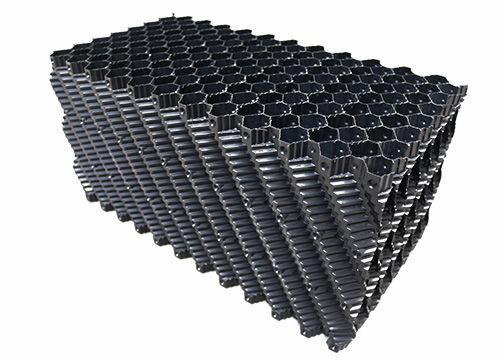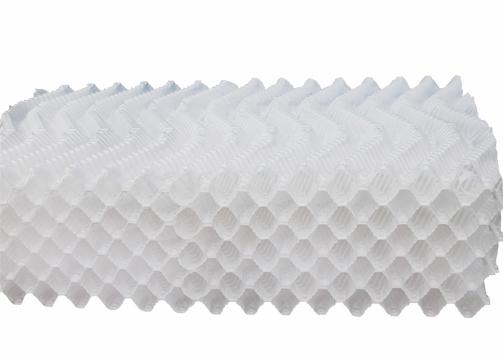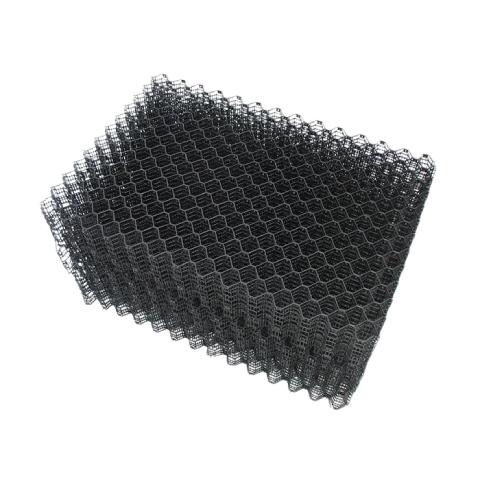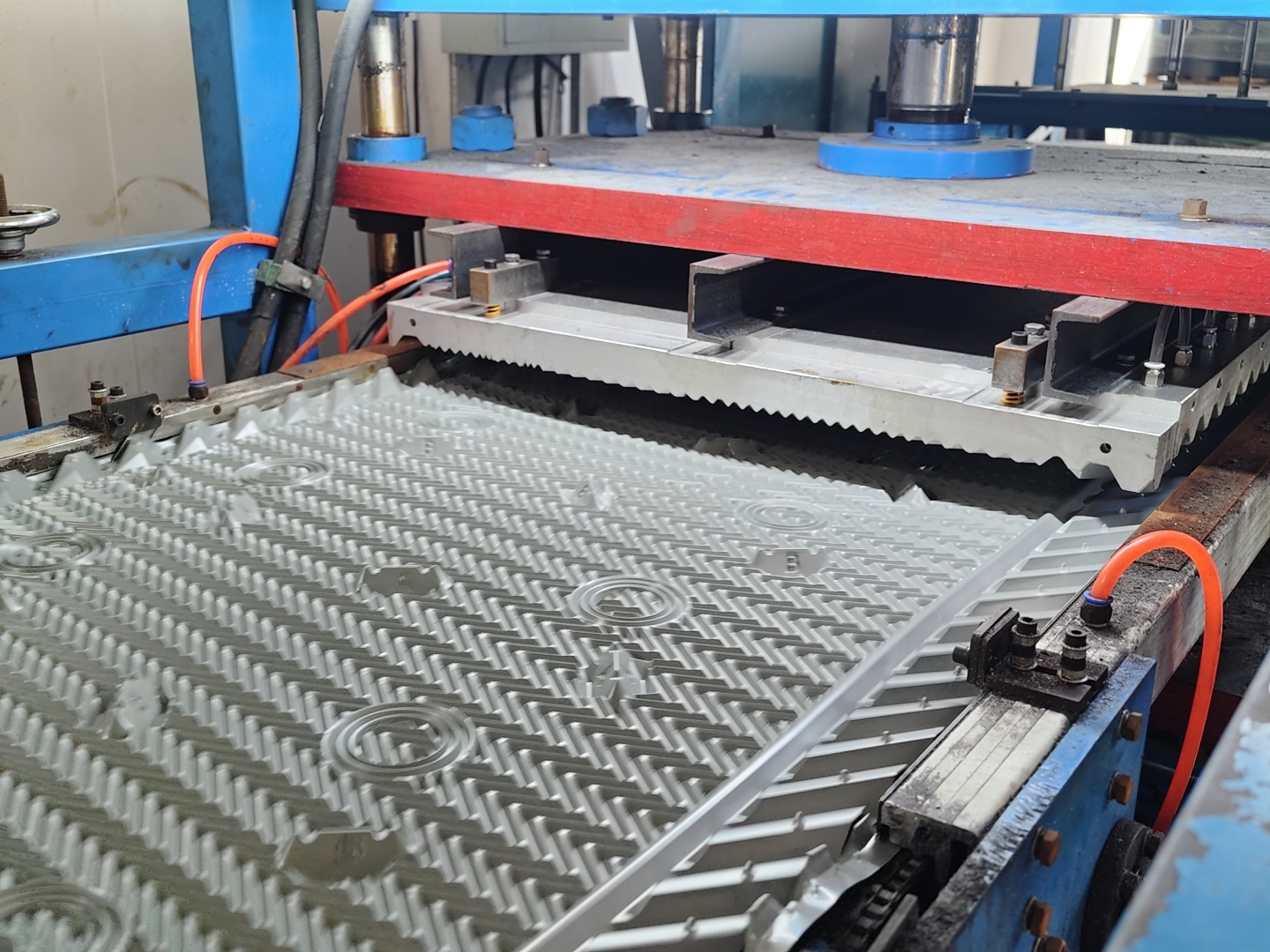
Cooling tower fill media replacement is an important part of maintaining efficient industrial cooling systems. Cooling tower fill increases the contact area between water and air, helping transfer heat and maintain the required cooling-water temperature. However, scale buildup, biological growth, blocked passages, and material deterioration can gradually reduce performance.
When these problems occur, facility managers must decide whether to clean the existing fill, repair damaged sections, or install new cooling tower fill media.
This guide explores the most common cooling tower fill problems, their causes, and practical solutions. It also explains when replacement is necessary, how to select suitable replacement fill, and how to reduce long-term maintenance costs.
1. Why Does Cooling Tower Fill Media Need Replacement?
Cooling tower fill operates under continuous exposure to circulating water, air, treatment chemicals, and changing temperatures. Over time, these conditions can affect the fill's cleanliness, structural integrity, and heat-transfer performance.
Common reasons for cooling tower fill media replacement include:
Mineral scale and persistent deposits
Algae, biofilm, and slime accumulation
Cracked, brittle, or deformed plastic sheets
Blocked water and airflow passages
Uneven water distribution
Reduced cooling efficiency
Repeated cleaning and maintenance expenses
Replacing deteriorated fill can restore performance when cleaning and repairs are no longer effective. However, other components, including spray nozzles, fans, and water distribution systems, should also be inspected before deciding on replacement.
2. Common Cooling Tower Fill Problems and Solutions
Problem 1: Scale Buildup and Mineral Deposits
Causes: Minerals in circulating water can form deposits as water evaporates. Hard water, inadequate water treatment, and poor blowdown control can accelerate scale buildup. Deposits may narrow the passages between closely spaced film-fill sheets.
Solutions:
Inspect the fill for mineral deposits and restricted passages.
Review water chemistry and treatment procedures.
Clean the fill using methods compatible with the material.
Replace the fill if hardened scale cannot be removed safely or performance remains unacceptable.
Preventing scale formation is essential for extending the service life of replacement cooling tower fill media.
Problem 2: Algae, Slime, and Biological Growth
Causes: Warm water, sunlight, and insufficient biological control can encourage algae and biofilm formation. These deposits may restrict water flow and reduce the effective heat-transfer surface.
Solutions:
Maintain an appropriate cooling-water treatment program.
Remove deposits using approved cleaning procedures.
Inspect spray nozzles, basins, and other areas where contamination accumulates.
Replace fill when persistent fouling cannot be removed effectively or the material has deteriorated.
Cooling towers can harbor Legionella bacteria. Cleaning and inspection must follow the facility's water-management plan, applicable regulations, and appropriate worker-protection procedures.
Problem 3: Cracked, Brittle, or Deformed Fill Sheets
Causes: Plastic fill can deteriorate due to aging, excessive operating temperature, chemical incompatibility, mechanical stress, or improper installation.
Cracked or deformed sheets can disrupt airflow and water distribution, while collapsed fill packs may compromise the intended passage geometry.
Solutions:
Inspect the fill for cracks, warping, brittle surfaces, and collapsed sections. Confirm that the material is suitable for the actual operating temperature and chemical environment.
Localized damage may allow partial replacement if the remaining fill is in good condition. Extensive deterioration usually requires replacing the affected fill assembly or the entire fill installation.
Problem 4: Blocked Fill Passages
Causes: Leaves, dust, suspended solids, scale, and biological deposits can accumulate in cooling tower fill. Narrow film-fill passages may be especially vulnerable when water quality is poor.
Blocked passages can increase airflow resistance and interfere with water distribution.
Solutions:
Remove loose debris using suitable cleaning methods.
Inspect distribution nozzles and basins.
Review filtration, blowdown, and water-treatment practices.
Consider splash fill if its open structure better suits the application's fouling conditions.
Splash fill is not automatically the best choice for every dirty-water application. Confirm that its thermal performance and installation requirements meet the tower's design needs.
Problem 5: Uneven Water Distribution
Causes: Blocked nozzles, damaged piping, uneven spray patterns, or deformed fill can create dry areas and concentrated water channels.
Uneven wetting reduces the effective use of the fill surface and may lower cooling performance.
Solutions:
First, inspect the distribution basin, spray nozzles, piping, and water flow. Repair blocked or damaged components before replacing the fill.
If the distribution system is functioning correctly but the fill remains deformed or unable to distribute water properly, replacement may be necessary.
Problem 6: Reduced Cooling Efficiency
Causes: Fouled or damaged fill can reduce heat-transfer performance. However, insufficient airflow, fan problems, incorrect water flow, blocked nozzles, and changing ambient wet-bulb temperatures can also affect cooling results.
Solutions:
Compare current operating data with historical performance under similar conditions. Review cold-water temperature, cooling range, approach, airflow, and water distribution.
If fill deterioration is confirmed, appropriate cleaning or replacement may restore thermal performance. Investigate the entire cooling tower system rather than assuming new fill alone will solve the problem.
Problem 7: Frequent Maintenance and High Operating Costs
Causes: Repeated cleaning, recurring blockages, and frequent repairs may indicate that the fill is no longer suitable for the operating environment or has reached the end of its useful service life.
Solutions:
Compare the ongoing cost of cleaning and repairs with the total cost of replacement. Include material, freight, removal, installation labor, disposal, and downtime.
If the existing fill repeatedly fails despite appropriate maintenance, replacement with a more suitable material or configuration may provide better long-term value.
3. Which Cooling Tower Fill Media Should You Choose?
Selecting the right replacement fill helps prevent recurring problems and supports reliable cooling performance.
PVC Film Fill
PVC film fill uses closely spaced sheets to provide a large heat-transfer surface. It is widely used in industrial and commercial cooling towers where water quality and operating temperatures are suitable.
Its compact design can deliver effective heat transfer, but narrow passages may be vulnerable to blockage in heavily contaminated water.
PP Film Fill
Polypropylene (PP) film fill provides similar heat-transfer functionality and can offer higher temperature resistance than conventional PVC, depending on the material grade.
It may be suitable for certain demanding operating environments. Confirm temperature limits, chemical compatibility, and dimensional requirements before purchasing.
Splash Fill
Splash fill breaks falling water into droplets using bars, grids, or other structures. Its relatively open design can be advantageous in applications with higher suspended-solids levels or greater fouling risks.
The best option depends on water quality, cooling requirements, tower configuration, and maintenance capabilities.
4. What to Check Before Ordering Replacement Cooling Tower Fill
Before purchasing replacement cooling tower fill media, confirm the following specifications.
| Item | What to Verify |
| Cooling tower model | Manufacturer and equipment identification |
| Fill dimensions | Length, width, height, and total quantity |
| Fill configuration | Sheet spacing, flute geometry, and pack orientation |
| Material | PVC, PP, or suitable splash-fill material |
| Operating conditions | Water temperature, water quality, and cooling requirements |
| Installation | Support structure, clearances, and fitting requirements |
| Delivery | Packaging, shipping, lead time, and project schedule |
For Marley, BAC, EVAPCO, SPX, or other cooling tower installations, verify the actual tower model and fill specifications. Do not assume compatibility based only on a brand name.
5. How to Prevent Future Cooling Tower Fill Problems
Preventive maintenance can extend fill service life and reduce premature replacement costs.
Maintain appropriate water treatment and blowdown control.
Inspect fill surfaces regularly for scale, debris, and biological growth.
Check spray nozzles and water distribution systems.
Monitor cooling performance and investigate unusual changes.
Use cleaning methods compatible with the fill material.
Confirm operating temperature and chemical compatibility when selecting replacement fill.
Replace damaged sections when practical before deterioration spreads.
Inspection frequency should reflect water quality, operating conditions, and the facility's maintenance plan.
Frequently Asked Questions
How do I know when cooling tower fill needs replacement?
Common warning signs include cracked or collapsed sheets, persistent scale, recurring blockages, severe deformation, and reduced cooling performance that cannot be restored through appropriate cleaning.
Can cooling tower fill be cleaned instead of replaced?
Yes. Cleaning is often appropriate when deposits are removable and the fill remains structurally sound. Replacement is generally preferable when the material is damaged, degraded, or persistently blocked.
Which cooling tower fill is best for dirty water?
Splash fill may be suitable for systems with higher suspended-solids levels because its open structure can reduce blockage risk. Suitability still depends on the tower design, water characteristics, and required thermal performance.
How much does cooling tower fill replacement cost?
The cost depends on material, quantity, dimensions, shipping, removal, installation labor, and downtime. Request an itemized quotation based on the actual tower specifications.
Can new cooling tower fill improve efficiency?
Yes, if the original fill is a significant cause of reduced performance. Results also depend on fan operation, airflow, water distribution, water treatment, and ambient conditions.
Conclusion
Cooling tower fill media problems such as scale buildup, biological growth, blocked passages, physical damage, and uneven water distribution can reduce cooling efficiency and increase maintenance expenses.
The best solution depends on the underlying cause. Cleaning may restore serviceable fill, while severely damaged or persistently fouled media may require replacement. Selecting the right PVC film fill, PP film fill, or splash fill for the operating environment is essential for reliable performance.
For industrial cooling tower replacement and retrofit projects, confirm fill dimensions, material suitability, and equipment compatibility before purchasing. Working with an experienced cooling tower fill supplier can help reduce installation errors and support long-term system reliability.
Recommended internal links for CoolingTowerPart.com: