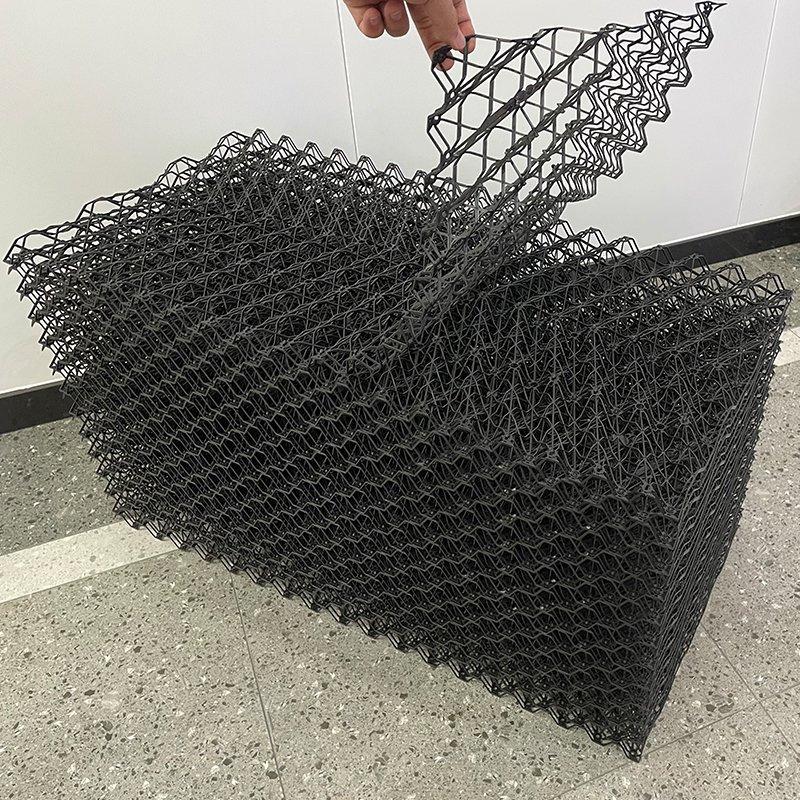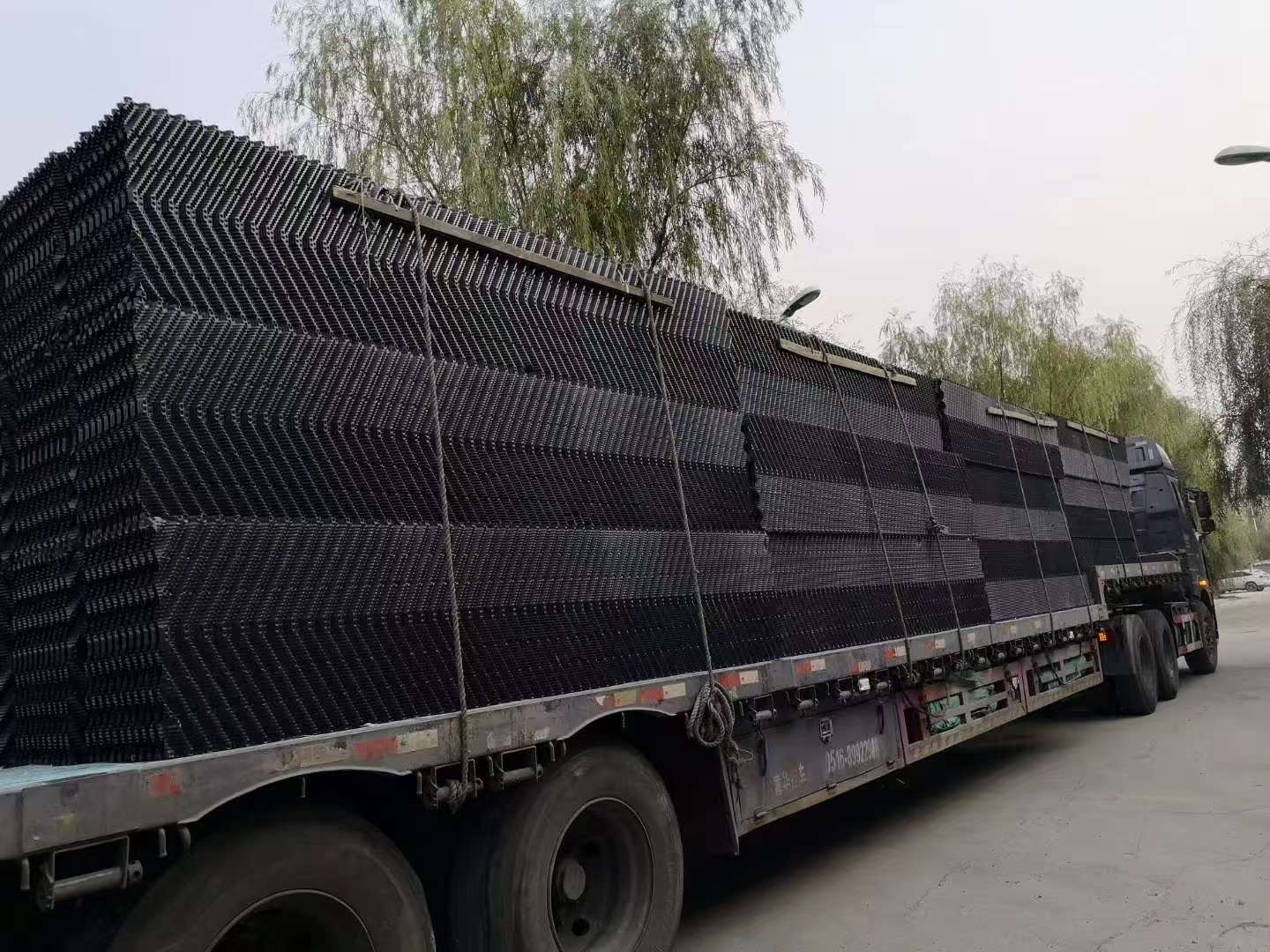
Cooling tower fill is one of the most important components inside a cooling tower. Although it may look like a simple arrangement of plastic sheets, grids, or splash bars, the cooling tower fill structure directly affects heat transfer, airflow, pressure drop, water distribution, and overall tower performance.
Choosing the right fill is therefore more than selecting a material or size. Buyers need to understand how the cooling tower fill structure works and how its design influences thermal performance, fouling resistance, maintenance, and service life.
This guide explains cooling tower fill structure, major fill types, materials, performance factors, and what to consider when selecting fill for a new installation or replacement project.
What Is Cooling Tower Fill?
Cooling tower fill is the internal media that increases contact between hot circulating water and moving air.
Without fill, water would fall through the tower relatively quickly, providing limited air-water contact. Fill slows and spreads the water flow, creating a larger contact area and longer contact time.
The basic process is:
Hot water → Fill surface → Air contact → Evaporation → Heat rejection
As water flows across or through the fill, a small portion evaporates. This evaporation removes heat from the remaining circulating water and lowers its temperature.
The structure of the fill determines how effectively this process takes place.
Cooling Tower Fill Structure
The structure of cooling tower fill varies according to its design and application. Most fill systems contain repeated surfaces or passages that control water and airflow.
Key structural elements include:
Fill sheets or splash bars
Corrugated or embossed surfaces
Water-flow channels
Air passages
Support grids or frames
Spacers and retaining components
Modular fill packs
A properly designed structure should distribute water evenly while allowing air to pass through the fill with acceptable pressure loss.
Film Fill Structure
Film fill normally consists of thin PVC or PP sheets formed into corrugated, wave, or cellular patterns.
The sheets are assembled into packs. When water enters the fill, it spreads into a thin film across the sheet surfaces.
Typical structural features include:
Corrugated sheets
Cross-fluted or vertical-fluted channels
Bonded or mechanically assembled packs
Defined water and airflow passages
Film fill provides a large surface area in a relatively compact volume, making it widely used in induced-draft and crossflow cooling towers.
Splash Fill Structure
Splash fill uses bars, grids, or modular splash elements rather than continuous sheets.
Water repeatedly breaks into droplets as it contacts the fill. Each impact renews the water surface and promotes air-water contact.
Common structures include:
PP splash bars
Grid-type splash fill
Ladder-style fill
Modular splash elements
Splash fill generally provides better resistance to suspended solids and fouling than very fine film-fill designs.
How Cooling Tower Fill Structure Affects Performance
The internal structure of fill has a direct impact on cooling tower performance.
1. Heat Transfer Area
A larger effective contact area generally provides more opportunity for heat and mass transfer.
Film fill creates a large wetted surface through thin water films. Splash fill creates contact through repeated droplet formation and breakup.
However, maximum surface area does not automatically mean maximum performance. The fill must match the tower's water loading, airflow, temperature range, and operating conditions.
2. Water Distribution
Uniform water distribution is essential.
If some sections of the fill receive too much water while others remain dry, the available heat-transfer area is not used effectively.
Good fill structure helps water spread across the available surfaces and maintain consistent wetting.
Poor distribution can result in:
Reduced cooling capacity
Localized fouling
Dry areas
Increased scaling
Uneven tower performance
3. Airflow and Pressure Drop
Air needs to move through the fill to support evaporation.
A very dense fill structure can provide high surface area but may also increase airflow resistance. Excessive pressure drop can affect fan energy consumption and tower capacity.
For this reason, fill design must balance:
Heat-transfer surface area + water distribution + airflow resistance
This balance is particularly important when replacing existing cooling tower fill.
Cooling Tower Fill Materials
The most common fill materials are PVC and polypropylene (PP).
PVC Cooling Tower Fill
PVC is widely used for film fill because it is relatively economical, easy to thermoform, and suitable for many conventional cooling tower applications.
PVC cooling tower fill is commonly selected for:
PP Cooling Tower Fill
Polypropylene has higher temperature resistance than standard PVC and is widely used where operating conditions require greater thermal resistance.
PP is also common in splash fill and applications where fouling resistance is important.
When selecting between PVC and PP, buyers should consider operating temperature, water chemistry, fire requirements, fouling conditions, and expected service life.
Film Fill vs. Splash Fill
The two main cooling tower fill structures serve different operating requirements.
| Feature | Film Fill | Splash Fill |
| Basic structure | Corrugated sheets | Bars, grids, or elements |
| Heat-transfer area | High | Moderate |
| Compactness | High | Generally lower |
| Fouling resistance | Depends on channel design | Generally good |
| Suspended-solids tolerance | More sensitive | More tolerant |
| Typical material | PVC, PP | PP, PVC |
| Common application | Clean-water systems | Dirtier water/process applications |
The correct choice depends on water quality and tower operating conditions rather than on fill type alone.
Important Cooling Tower Fill Performance Factors
When evaluating fill performance, consider several factors together.
Water Loading
The fill must support the required water flow without excessive water carryover or poor distribution.
Air-to-Water Ratio
Cooling performance depends on the relationship between airflow and water flow. Fill geometry influences how effectively these two streams interact.
Temperature Range
The entering-water temperature and desired leaving-water temperature affect the required fill volume and design.
Fouling Potential
Cooling water containing suspended solids, biological growth, or scale-forming minerals can block narrow fill passages.
For difficult water conditions, buyers may prefer wider-channel film fill or splash fill.
Pressure Drop
Fill should provide sufficient heat transfer without creating unnecessary airflow resistance.
Mechanical Strength
Fill packs must withstand water flow, airflow, cleaning operations, and long-term exposure to the cooling tower environment.
Cooling Tower Fill for Replacement Projects
When replacing old cooling tower fill, do not select a product based only on dimensions.
Check:
Existing fill type
Fill height and width
Sheet or element thickness
Flute or channel design
Water flow rate
Airflow requirements
Operating temperature
Water quality
Support structure
Available installation space
A replacement fill should work with the existing distribution system and support arrangement.
For OEM-compatible or aftermarket projects, accurate measurements and operating data are especially important.
How to Improve Cooling Tower Fill Performance
Regular maintenance can help preserve fill performance.
Keep Fill Clean
Remove mud, scale, algae, and biological deposits before they significantly restrict water or airflow.
Inspect Water Distribution
Check spray nozzles, headers, pipes, and distribution basins. Uneven water distribution can reduce the effectiveness of otherwise good fill.
Monitor Pressure Drop
Increasing airflow resistance may indicate fouling or blockage.
Inspect Fill Packs
Look for deformation, cracking, sagging, excessive scaling, and damaged supports.
Select the Correct Cleaning Method
Aggressive cleaning can damage plastic fill. The cleaning method should be appropriate for the fill material and contamination.
How to Choose the Right Cooling Tower Fill
For a new or replacement project, evaluate the complete operating environment rather than choosing fill based only on price.
Consider these questions:
Is the tower crossflow or counterflow?
What is the circulating water flow rate?
What is the entering-water temperature?
What cooling range is required?
Is the water clean or heavily contaminated?
What material is suitable for the operating temperature?
How much fill volume is available?
What airflow and fan capacity are available?
How easy will the fill be to clean and maintain?
For industrial applications, working with a cooling tower fill manufacturer or supplier can help ensure that the fill geometry matches the tower's thermal and hydraulic requirements.
Conclusion
The cooling tower fill structure plays a major role in determining heat-transfer efficiency, water distribution, airflow resistance, and maintenance requirements. Film fill uses structured sheets to create a large wetted surface, while splash fill uses repeated water breakup to promote air-water contact.
PVC and PP are the most common materials, but the best option depends on temperature, water quality, fouling conditions, airflow, and tower design.
For cooling tower fill replacement or new projects, evaluate fill structure, material, dimensions, water loading, airflow, and operating conditions together. The right combination can help maintain reliable cooling performance while reducing maintenance problems and extending the service life of the tower.
Frequently Asked Questions
What is the structure of cooling tower fill?
Cooling tower fill consists of structured sheets, splash bars, grids, or modular elements that increase air-water contact. Its geometry controls water flow, air passages, surface area, and pressure drop.
What is the difference between film fill and splash fill?
Film fill spreads water into thin films over structured sheets, providing high surface area. Splash fill repeatedly breaks water into droplets and is generally more tolerant of suspended solids and fouling.
Is PVC or PP better for cooling tower fill?
Neither material is universally better. PVC is widely used for conventional film fill, while PP offers higher temperature resistance and is common in splash-fill and demanding applications.
How often should cooling tower fill be replaced?
Replacement depends on water quality, operating temperature, fouling, chemical treatment, UV exposure, mechanical damage, and maintenance. Inspection should determine whether the fill has lost structural or thermal performance.
Can cooling tower fill improve tower efficiency?
Properly selected and maintained fill can improve effective air-water contact and heat transfer. However, overall cooling tower performance also depends on airflow, water distribution, fan operation, and water conditions.
Internal Links for Other CoolingTowerParts
Cooling Tower Nozzles
Cooling Tower Drift Eliminators
Cooling Tower Louvers
Cooling Tower Fan Blades
Cooling Tower Motors