Introduction
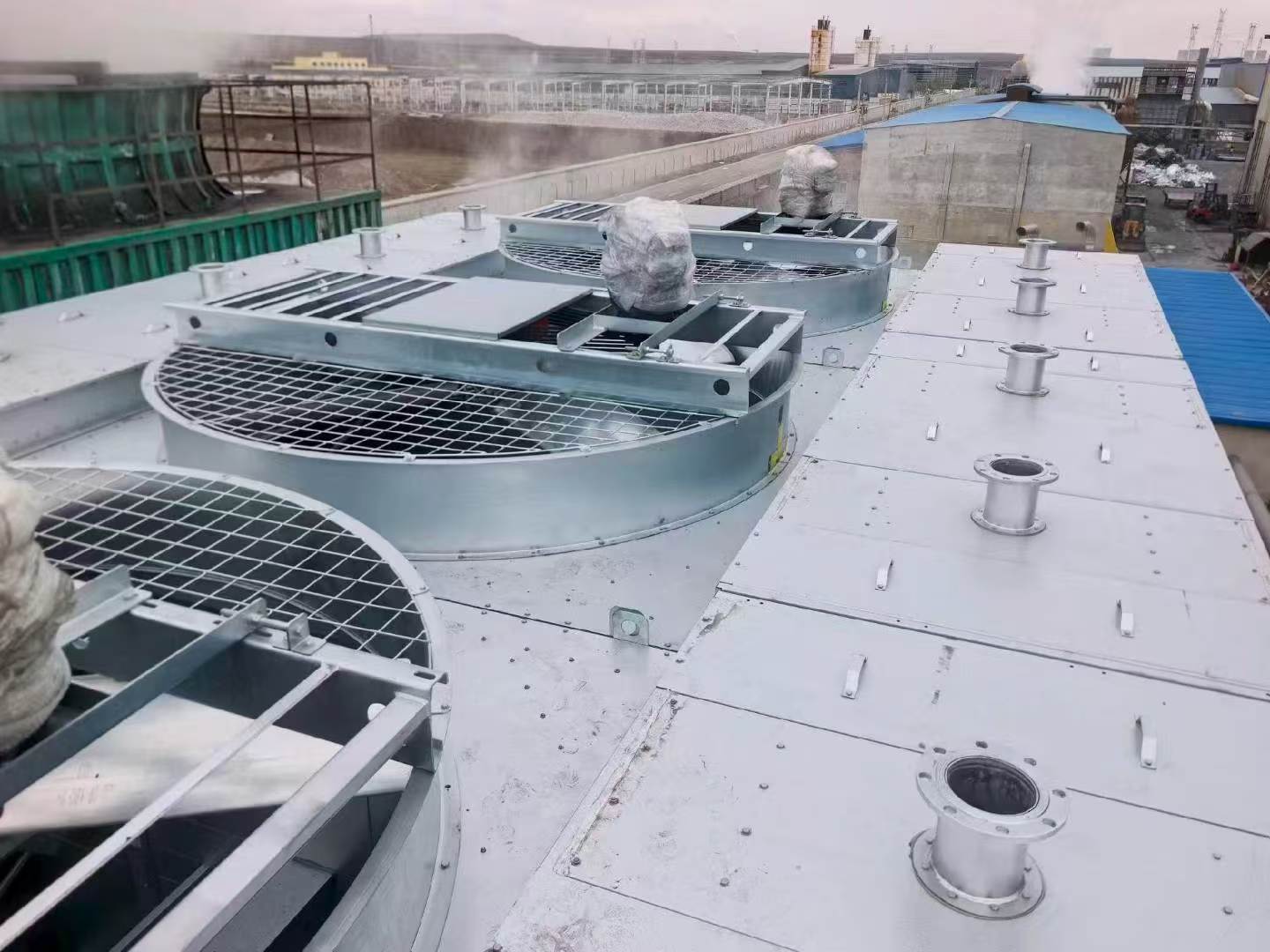
Industrial cooling towers play an essential role in factories, power plants, chemical processing facilities, HVAC systems, and many other industrial applications. They remove unwanted heat from circulating water and help equipment operate within the required temperature range. But what happens when an existing cooling tower fan becomes inefficient, noisy, or unreliable?
Replacing the entire cooling tower is not always necessary. In many situations, upgrading or retrofitting the fan system can be a practical way to improve performance, address equipment problems, and extend the service life of an existing installation.
That is where an experienced industrial cooling tower fan retrofit manufacturer and supplier becomes valuable.
A well-planned retrofit may involve replacing old fan blades, upgrading the hub, changing the motor, modifying the drive arrangement, or installing a compatible fan assembly. The right solution depends on the original cooling tower design and the actual operating conditions.
Power Tower Cooling Technology (Shaoxing) Co.,Ltd., through its website https://www.coolingtowerpart.com, focuses on cooling tower components and replacement products, including fan-related products and drive-system components. The company provides a sourcing option for customers looking for cooling tower fan components and replacement solutions.
In this guide, we will explain how industrial cooling tower fan retrofits work, which components may need upgrading, how to select a suitable supplier, and what buyers should consider before starting a retrofit project.
What Is a Cooling Tower Fan Retrofit?
A cooling tower fan retrofit means upgrading or modifying an existing fan system to improve its operating condition, efficiency, reliability, or compatibility with current requirements.
Unlike installing a completely new cooling tower, a retrofit focuses on selected components of the existing equipment.
For example, an older cooling tower may still have a sound structure and functioning water distribution system, but its fan blades may be corroded, its motor may consume excessive power, or its gearbox may show signs of wear.
Instead of replacing the entire tower, the owner can evaluate whether upgrading the fan system is technically and economically reasonable.
Fan Retrofit vs. Fan Replacement
These two terms are closely related, but they are not always identical.
Cooling tower fan replacement generally means removing an existing fan or fan component and installing another suitable unit.
Cooling tower fan retrofit can involve a broader modification. It may include changing the blade design, hub configuration, motor, gearbox, drive arrangement, or other related components.
| Item | Fan Replacement | Fan Retrofit |
| Main purpose | Replace damaged or worn equipment | Improve or modify the existing system |
| Scope | Often limited to one component or assembly | May involve several connected components |
| Design changes | Usually limited | May include engineering changes |
| Compatibility | Typically follows original specifications | Requires evaluation of the existing system |
| Main consideration | Correct replacement dimensions | Overall mechanical and aerodynamic compatibility |
A retrofit should never be treated as permission to install any larger or more powerful fan. Every change must be checked against the cooling tower's structural limits, fan performance requirements, and drive-system ratings.
Why Do Industrial Cooling Towers Need Fan Retrofits?
Industrial cooling towers often operate for many hours each day. Some run continuously throughout the year. Over time, this operating environment places stress on fan blades, hubs, motors, gearboxes, bearings, and mounting structures.
Several factors can make a retrofit necessary:
Aging fan components and material deterioration.
Changes in industrial cooling requirements.
Increased electricity consumption.
Excessive noise or vibration.
Repeated mechanical failures.
Difficulty obtaining original replacement parts.
The need to improve maintenance access or equipment reliability.
A retrofit can help address these issues when the existing tower remains suitable for continued operation.
Common Signs Your Cooling Tower Needs a Fan Retrofit
How can you tell whether your cooling tower fan needs attention? Some warning signs are easy to notice, while others appear gradually.
1. Reduced Cooling Performance
If the cooling tower cannot maintain the required cold-water temperature, the fan system may be one of the components worth inspecting.
A damaged or poorly performing fan may not deliver the airflow required by the tower.
However, reduced cooling performance does not automatically mean the fan is responsible. Other possible causes include:
Blocked or deteriorated cooling tower fill.
Poor water distribution.
Excessive scale or biological growth.
Restricted air inlets.
Incorrect fan rotation.
Changes in water flow or heat load.
A proper inspection should examine the entire cooling tower before a retrofit solution is selected.
2. Excessive Vibration and Noise
A cooling tower fan should operate within the vibration and noise limits specified by its manufacturer.
Unusual vibration may indicate:
Replacing the fan may solve the problem in some cases, but only after the actual cause has been identified.
If vibration suddenly increases, stop and inspect the equipment according to the site's safety procedures. Never attempt to adjust a rotating fan while it is operating.
3. High Energy Consumption
The cooling tower fan motor can account for a significant share of a mechanical-draft tower's electricity consumption.
If electricity usage rises without a corresponding increase in cooling demand, investigate the fan system.
Possible causes include:
Incorrect fan selection.
Damaged or poorly matched blades.
Increased system resistance.
Incorrect fan speed.
Motor deterioration.
Mechanical friction.
Changes in operating conditions.
A properly engineered fan retrofit may improve efficiency, but the expected savings should be calculated using actual airflow, pressure, fan performance, motor data, and operating hours.
4. Aging or Damaged Fan Components
Cooling tower fans work in humid environments and may be exposed to corrosive water droplets, chemicals, temperature changes, and outdoor weather.
Over time, components may develop:
Blade cracks or deformation.
Corrosion around metal connections.
FRP surface damage.
Loose hub connections.
Worn drive components.
Deteriorated protective coatings.
If damage affects the mechanical strength or safe operation of the fan, the equipment should be inspected and repaired or replaced before further operation.
Main Cooling Tower Fan Retrofit Solutions
Not every cooling tower requires a complete fan system upgrade. Sometimes, replacing one or two components is enough. In other cases, the entire fan assembly may need to be reconsidered.
The following solutions are commonly evaluated in industrial cooling tower retrofit projects.
1. Cooling Tower Fan Blade Retrofit
Fan blades are among the most important components in a cooling tower fan system. Their aerodynamic design directly affects airflow, pressure, noise, and power consumption.
An older fan may use blades that have become damaged, corroded, or unsuitable for current operating conditions.
A fan blade retrofit may involve replacing the original blades with compatible replacement blades designed for the existing hub and operating requirements.
Common blade materials include:
FRP (Fiberglass-Reinforced Plastic): Often selected for its corrosion resistance, relatively low weight, and useful mechanical properties.
Aluminum alloy: Offers a favorable strength-to-weight ratio and is used in various industrial fan applications.
Other engineered materials: May be considered for specific temperature, chemical, or mechanical requirements.
Before ordering replacement blades, confirm:
Blade length and profile.
Number of blades.
Blade mounting dimensions.
Blade pitch requirements.
Material and construction.
Fan diameter and rotational speed.
Hub compatibility.
Required balance and performance characteristics.
A replacement blade should not be selected based only on appearance or length. Its aerodynamic and mechanical characteristics must match the intended fan assembly.
2. Fan Hub Retrofit and Replacement
The fan hub connects the blades to the rotating shaft and transfers mechanical power to the fan.
If the hub is corroded, cracked, deformed, or mechanically damaged, replacing only the blades may not be sufficient.
A hub retrofit may involve selecting a compatible replacement hub that matches the existing fan arrangement.
Important specifications include:
Hub diameter.
Shaft bore and connection.
Blade mounting pattern.
Number of blade positions.
Bolt size and spacing.
Hub material.
Maximum operating speed.
Mechanical load requirements.
The hub and blades should be treated as one connected assembly. Their compatibility and balance are essential to safe operation.
3. Cooling Tower Fan Motor Upgrade
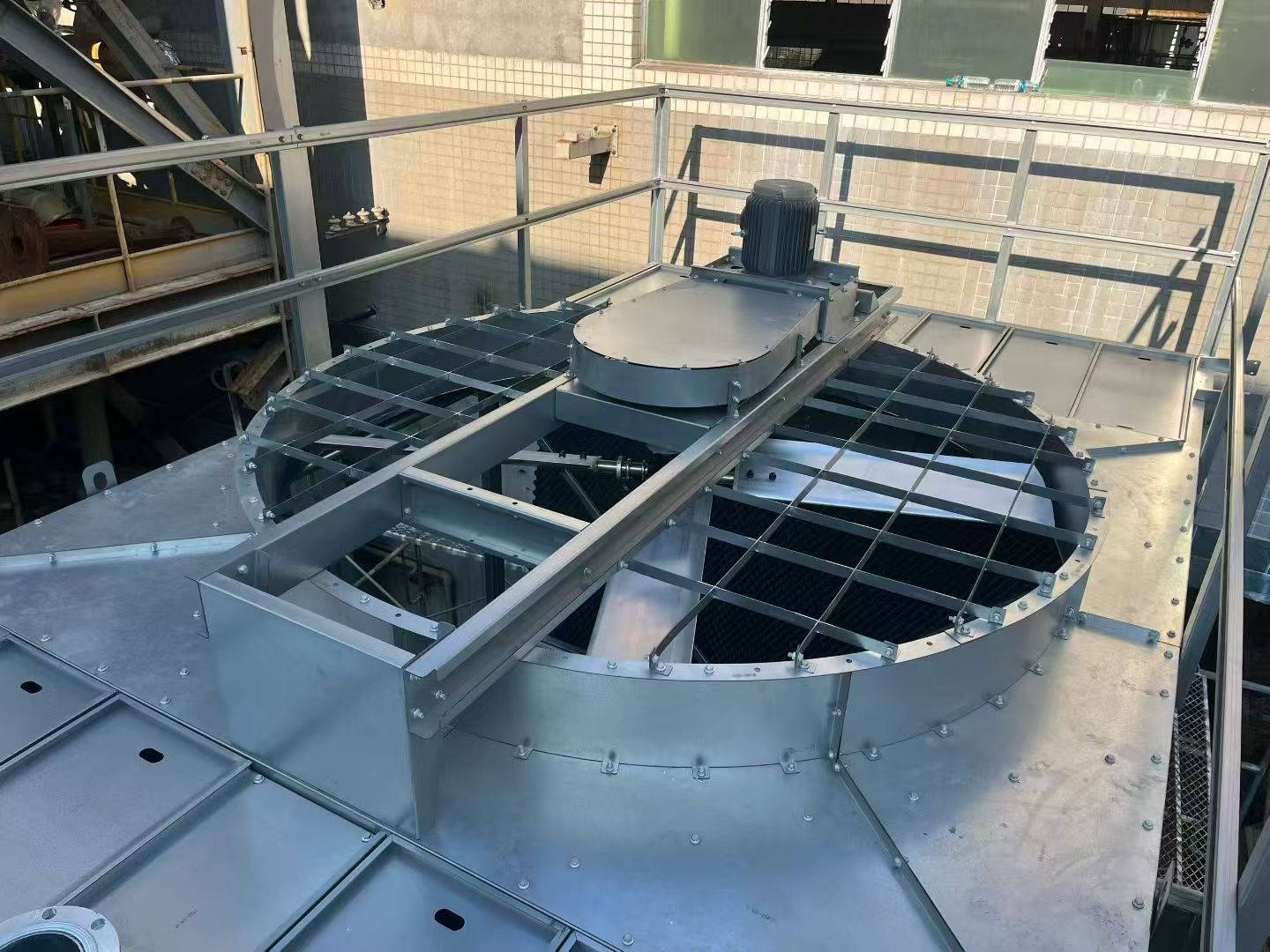
The motor provides the power required to rotate the fan. An aging or unsuitable motor can increase operating costs and create maintenance problems.
A motor upgrade may be considered when the existing motor has deteriorated, no longer meets operating requirements, or needs replacement with a compatible modern unit.
When selecting a replacement motor, check:
Do not simply install a motor with higher power. The motor must match the fan's actual operating point and the mechanical limits of the complete drive system.
4. Gearbox and Drive System Retrofit
Some cooling tower fans use a gearbox to reduce motor speed and deliver the required fan speed. Other systems use direct drive or belt drive arrangements.
A gearbox retrofit may be considered when the existing gearbox has excessive wear, abnormal noise, oil leakage, overheating, or other mechanical problems.
Before selecting a replacement gearbox, confirm:
The gearbox must be compatible with the motor and fan. Changing the ratio can affect fan speed, airflow, power consumption, and mechanical loading.
5. Complete Axial Fan Assembly Upgrade
For certain industrial cooling towers, replacing the complete axial fan assembly may be more practical than replacing individual components.
A complete assembly may include:
Some product configurations also incorporate a direct-drive motor arrangement.
Power Tower's website presents an energy-saving axial flow cooling tower fan with a direct-drive configuration. Buyers should review the specific product specifications and confirm whether the arrangement is suitable for their existing tower.
A complete assembly upgrade requires careful checking of fan diameter, airflow, static pressure, rotation, motor characteristics, mounting arrangement, and tower clearances.
Benefits of Industrial Cooling Tower Fan Retrofit
Why invest in a retrofit instead of continuing to repair an aging fan? When properly designed, a retrofit can provide several practical benefits.
1. Improved Airflow and Cooling Performance
A fan that matches the tower's airflow requirements can help maintain the intended heat-rejection performance.
Upgrading damaged or unsuitable blades may restore airflow, while a complete fan-system improvement may help address performance limitations.
However, airflow improvement must be evaluated alongside the fill condition, water distribution, air resistance, and thermal load. A fan upgrade alone cannot correct every cooling tower problem.
2. Reduced Energy Consumption
A well-matched fan operating near its efficient design point can help reduce unnecessary power consumption.
Potential improvements may come from:
Better blade aerodynamic performance.
Correct fan sizing.
Suitable rotational speed.
Reduced mechanical losses.
A properly matched motor and drive arrangement.
The actual energy-saving result depends on the original system and the retrofit design. Buyers should request technical calculations or performance data rather than relying on general savings claims.
3. Lower Maintenance Requirements
Old or damaged fan components can lead to frequent maintenance work.
Replacing deteriorated blades, hubs, motors, or drive components may reduce recurring problems and make future inspections easier.
A retrofit may also provide an opportunity to review component accessibility, lubrication arrangements, and spare-parts availability.
4. Extended Equipment Service Life
If the cooling tower structure and other major components remain in good condition, upgrading the fan system may help extend the useful service life of the existing installation.
This can be an alternative to a complete tower replacement, particularly when the main issue is limited to the fan or its drive system.
How to Choose the Right Cooling Tower Fan Retrofit Manufacturer
Choosing the right manufacturer or supplier is just as important as choosing the right fan.
A suitable partner should understand cooling tower component requirements and be able to evaluate the technical information provided for your project.
1. Check Manufacturing and Product Capabilities
Start by reviewing the company's actual product range.
Does it supply fan blades, hubs, complete fan assemblies, motors, gearboxes, or other related components?
A supplier with relevant product categories may make it easier to source compatible components for a retrofit project.
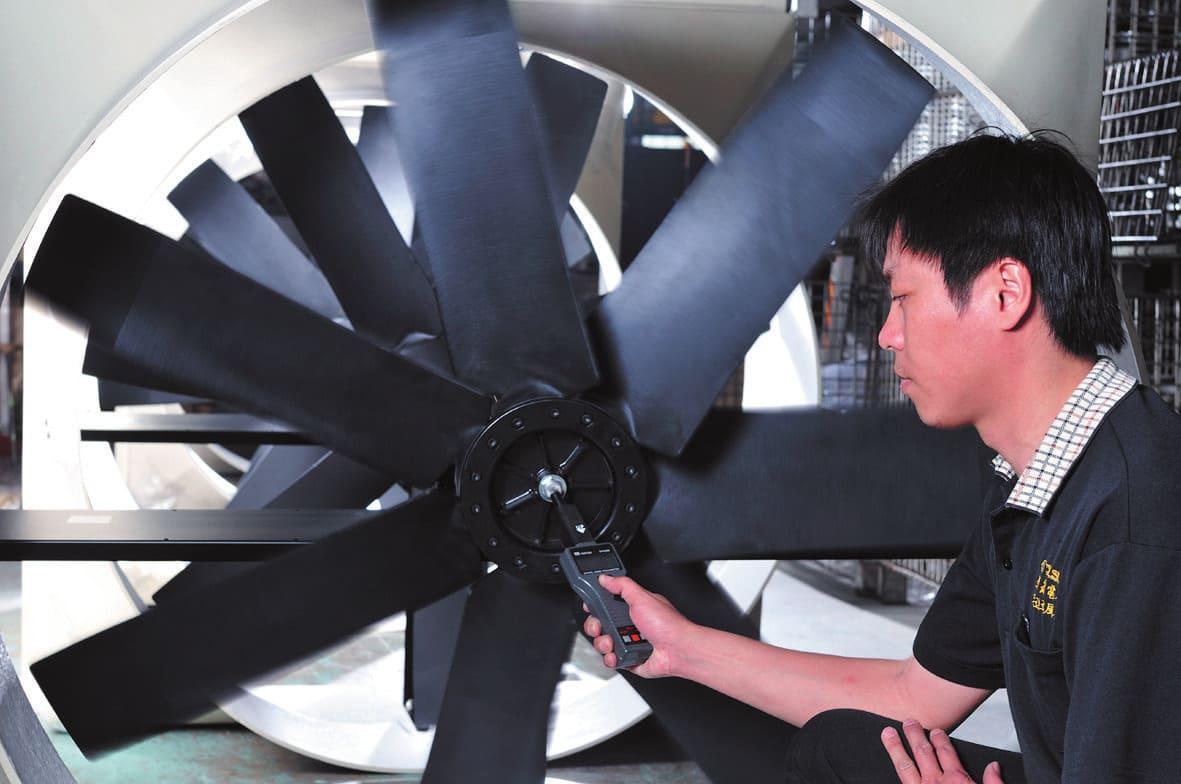
Ask for product specifications, drawings, material information, and photographs where appropriate.
2. Confirm Technical Compatibility and Customization
Industrial cooling towers come in different sizes and configurations. Even fans with similar diameters may have different blade profiles, hub arrangements, and operating requirements.
A capable supplier should be willing to review:
Existing fan drawings.
Cooling tower model and manufacturer.
Fan diameter and blade configuration.
Motor and gearbox nameplates.
Installation dimensions.
Required operating conditions.
If customized sourcing or manufacturing is required, confirm the available engineering process, technical approval requirements, and production capabilities before ordering.
3. Evaluate Material Quality and Corrosion Resistance
Material selection affects fan durability and maintenance requirements.
For cooling towers operating in humid or chemically aggressive environments, corrosion resistance is especially important.
Ask suppliers about material specifications, manufacturing processes, inspection procedures, and the suitability of the product for your water and environmental conditions.
4. Review Quality Control and Technical Support
A reliable supplier should be able to provide clear product information and reasonable support during the purchasing process.
Useful documents may include:
For rotating equipment, balancing and mechanical quality are especially important. Confirm what inspection and balancing procedures apply to the supplied fan assembly.
Why Choose Power Tower Cooling Technology (Shaoxing) Co.,Ltd.?
When looking for an industrial cooling tower fan retrofit manufacturer or supplier, buyers should consider companies that understand the requirements of cooling tower replacement projects.
Power Tower Cooling Technology (Shaoxing) Co.,Ltd. focuses on cooling tower components and replacement products. Its website, https://www.coolingtowerpart.com, provides product information for customers looking for cooling tower parts and related sourcing solutions.
Cooling Tower Fan and Component Supply
Power Tower's product categories cover several components used in cooling tower maintenance and replacement projects.
Relevant categories include:
Cooling tower fan products.
Axial flow cooling tower fans.
FRP cooling tower fan blades.
Fan hubs and related components.
Cooling tower motors.
Cooling tower gearboxes and speed reducers.
Cooling tower fill media.
Drift eliminators and other cooling tower accessories.
For a fan retrofit project, buyers may need more than one component. For example, replacing fan blades may also require checking the hub, mounting arrangement, and balance. A motor replacement may require reviewing the gearbox or direct-drive arrangement.
Having access to related cooling tower components can help simplify the sourcing process.
Replacement and OEM Sourcing Support
Every retrofit project has different requirements. Some customers need standard replacement components, while others need products that match existing equipment dimensions.
When contacting Power Tower, buyers can provide:
Cooling tower brand and model.
Fan diameter.
Number of fan blades.
Existing blade material.
Hub dimensions and mounting details.
Motor power, speed, voltage, and frequency.
Gearbox model and ratio, if applicable.
Drawings and photographs.
Required quantity and delivery location.
This information helps establish whether a listed product or a customized sourcing solution may be suitable.
Power Tower is positioned as a cooling tower component and replacement-products supplier. For projects requiring complete fan-system engineering, structural modifications, or site installation, buyers should confirm the scope of technical and project services directly with the company.
Cooling Tower Fan Retrofit Process
A successful retrofit should follow a structured process. Rushing into a purchase without checking the existing system can create compatibility and performance problems.
Step 1: Inspect the Existing Fan System
Start with a complete inspection of the fan and its drive system.
Check blade condition, hub connections, mounting hardware, vibration, noise, motor condition, gearbox condition, and surrounding clearances.
Record the existing equipment specifications before removing any components.
Step 2: Confirm Technical Requirements
Collect the information needed to evaluate the retrofit.
This includes airflow, static pressure, fan speed, fan diameter, motor power, drive arrangement, and the cooling tower's operating conditions.
If original drawings are unavailable, take accurate measurements and photographs. Do not estimate critical dimensions when they can be measured.
Step 3: Select Compatible Components
Compare the existing equipment specifications with the proposed replacement products.
Confirm the blade and hub arrangement, motor and gearbox compatibility, shaft connections, mounting dimensions, and operating limits.
If the retrofit changes the original fan design, a qualified engineer should verify the aerodynamic and mechanical suitability of the new arrangement.
Step 4: Installation and Commissioning
Installation should be carried out by qualified personnel using the approved procedures.
Before work begins:
Shut down and isolate the equipment.
Apply the site's lockout/tagout procedures.
Verify zero speed and isolate stored energy.
Use suitable lifting equipment.
Follow required fall-protection procedures.
After installation, check fasteners, clearances, rotation direction, alignment, guards, and other safety requirements.
Commissioning should include controlled startup and monitoring of vibration, noise, motor current, and operating conditions. Any abnormal condition should be investigated before the equipment returns to normal service.
Factors Affecting Cooling Tower Fan Retrofit Cost
There is no universal price for an industrial cooling tower fan retrofit. The total cost depends on the scope of work and the equipment involved.
Important cost factors include:
1. Fan size and design: Larger fans and specialized configurations may require more material and manufacturing work.
2. Component selection: Replacing individual blades may have a different cost from replacing a complete fan assembly.
3. Material: FRP, aluminum alloy, and other materials have different manufacturing and performance characteristics.
4. Motor and gearbox requirements: Drive-system upgrades can add significant cost, especially when the existing arrangement needs modification.
5. Customization: Non-standard dimensions, special mounting arrangements, and project-specific requirements may affect production costs.
6. Installation: Labor, lifting equipment, shutdown time, and site access can influence the total project budget.
7. Shipping and delivery: Fan components can be large and may require special packaging or transportation arrangements.
When comparing quotations, look beyond the unit price. Confirm the technical specifications, included components, inspection requirements, warranty, and delivery terms.
Common Retrofit Mistakes to Avoid
A retrofit can create new problems if the selection and installation process is not properly controlled.
Avoid these common mistakes:
Selecting a fan based only on diameter.
Increasing blade pitch without checking motor load.
Installing a motor with higher power without verifying system limits.
Changing the gearbox ratio without evaluating fan speed and torque.
Ignoring hub and blade compatibility.
Replacing only one blade without checking the manufacturer's requirements and fan balance.
Assuming all vibration comes from the fan blades.
Ignoring air inlet restrictions and cooling tower fill condition.
Failing to check fan rotation direction.
Operating the fan before completing safety and commissioning checks.
A retrofit should improve the complete system, not simply replace one visible component.
Cooling Tower Fan Retrofit Maintenance Tips
After completing a retrofit, regular maintenance helps protect the investment.
Inspect Fan Blades and Hubs
Look for cracks, deformation, corrosion, loose fasteners, and deposits. Check that all blades remain in suitable condition and that the hub connections are secure.
Monitor Vibration and Noise
Record vibration and noise during normal operation. Sudden changes may indicate imbalance, bearing wear, looseness, misalignment, or other mechanical problems.
Check Motor and Gearbox Conditions
Monitor motor current, temperature, and unusual sounds. For gearbox-driven systems, check oil level, lubricant condition, leakage, and operating temperature according to the manufacturer's instructions.
Follow the Correct Lubrication Schedule
Lubrication requirements vary by bearing and gearbox design. Some bearings are sealed for life, while others require periodic lubrication. Follow the equipment manufacturer's instructions and avoid over-greasing.
Keep Airflow Paths Clear
Inspect air inlets, fan cylinders, fill media, and drift eliminators. Dirt, debris, and biological growth can increase airflow resistance and reduce cooling tower performance.
Frequently Asked Questions
1. How Long Does a Cooling Tower Fan Retrofit Take?
The time required depends on the retrofit scope, fan size, equipment condition, component availability, and installation conditions.
A straightforward component replacement may take less time than a complete fan and drive-system upgrade. The supplier and installation contractor should review the project details before estimating the schedule.
2. Can I Retrofit an Old Cooling Tower Fan?
In many cases, yes. However, the existing tower structure, fan cylinder, mounting arrangement, drive system, and operating requirements must be evaluated first.
Some older installations may require additional engineering work before a suitable retrofit can be selected.
3. Does a Fan Retrofit Reduce Electricity Costs?
It can, if the retrofit improves the fan system's efficiency or corrects an existing operating problem.
Actual savings depend on fan performance, motor efficiency, operating hours, airflow requirements, and system resistance. Ask for a technical comparison based on your existing operating data.
4. Can I Replace Only the Fan Blades?
Sometimes. Individual blade replacement is possible only when permitted by the fan design and manufacturer.
The replacement blades must match the required profile, dimensions, material, mounting arrangement, and balance requirements. The hub and other connected components should also be inspected.
5. What Information Should I Provide to a Retrofit Manufacturer?
Provide the cooling tower model, fan diameter, number of blades, blade material, hub dimensions, motor nameplate, gearbox information, drawings, and photographs.
Also explain the problem you want to solve, such as vibration, high energy consumption, damaged blades, or reduced airflow.
The more accurate the information, the easier it is to evaluate a suitable replacement solution.
Conclusion
An industrial cooling tower fan retrofit can be a practical way to address aging components, improve operating reliability, and evaluate opportunities for better energy performance without replacing the entire cooling tower.
The key is to select components that match the existing equipment and actual operating conditions. Fan blades, hubs, motors, gearboxes, and complete fan assemblies all need to be considered as parts of one connected system.
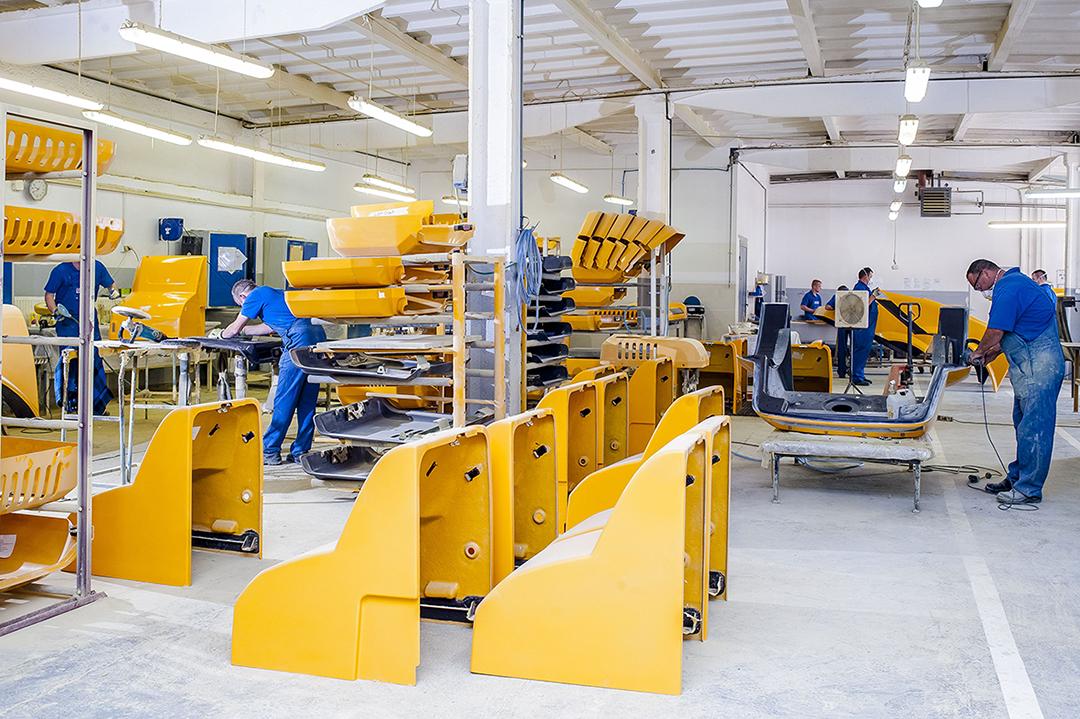
When evaluating an industrial cooling tower fan retrofit manufacturer and supplier, look for relevant product capabilities, accurate technical information, suitable materials, and dependable sourcing support.
Power Tower Cooling Technology (Shaoxing) Co.,Ltd. provides cooling tower components and replacement products for industrial maintenance and procurement needs.
Visit https://www.coolingtowerpart.com to explore cooling tower fan products and related components. Share your equipment model, drawings, or technical requirements to discuss potential fan retrofit and replacement options.
The right retrofit begins with the right information—and a carefully matched fan system can help keep your industrial cooling tower operating reliably.


