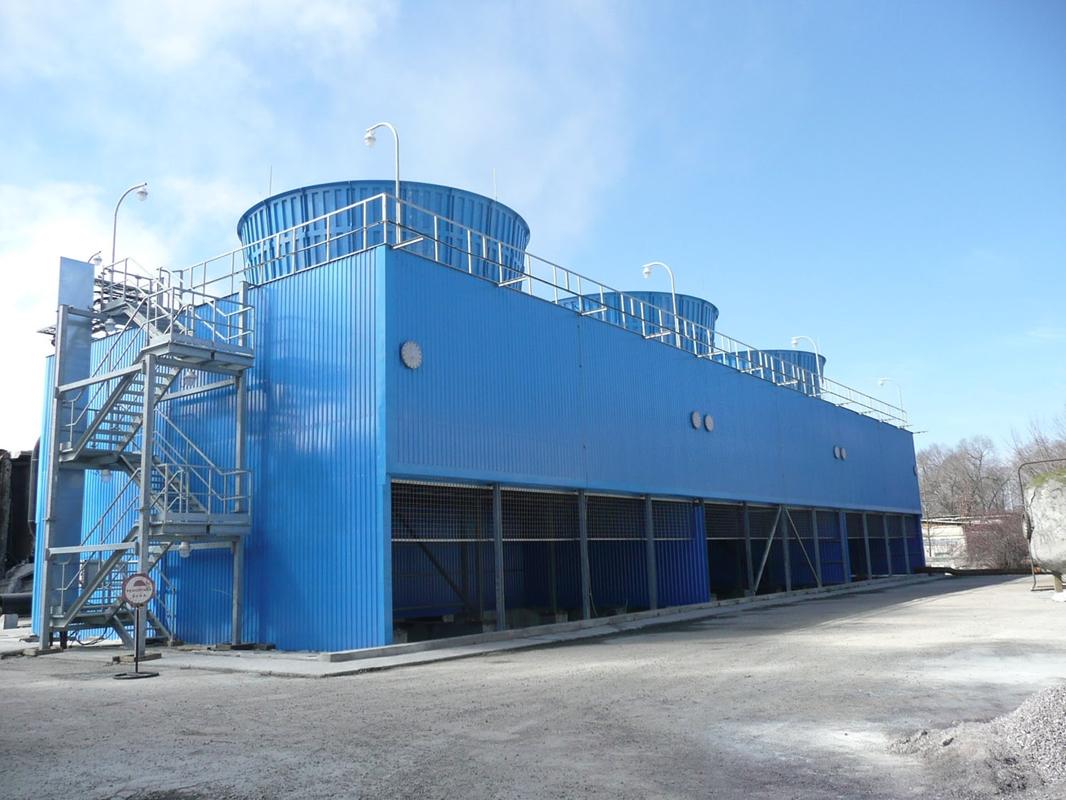
Choosing the right cooling tower fan supplier is an important decision for any industrial cooling system. A fan may look like a simple component, but it plays a major role in moving air through the cooling tower and supporting heat rejection. If the fan is poorly designed, incorrectly selected, or made from unsuitable materials, the entire cooling system can suffer.
This is especially important when purchasing a China cooling tower FRP fan, because buyers need to evaluate not only price but also material quality, engineering capabilities, manufacturing standards, and after-sales support.
China has a large industrial manufacturing market with many cooling tower component suppliers. However, not every supplier offers the same level of technical knowledge or product consistency. So, how can you identify a reliable manufacturer?
In this guide, we will explain what to look for, which technical specifications matter, and how to reduce purchasing risks. We will also introduce Power Tower Cooling Technology (Shaoxing) Co.,Ltd. as a supplier of cooling tower components and replacement solutions.
1. What Is a Cooling Tower FRP Fan?
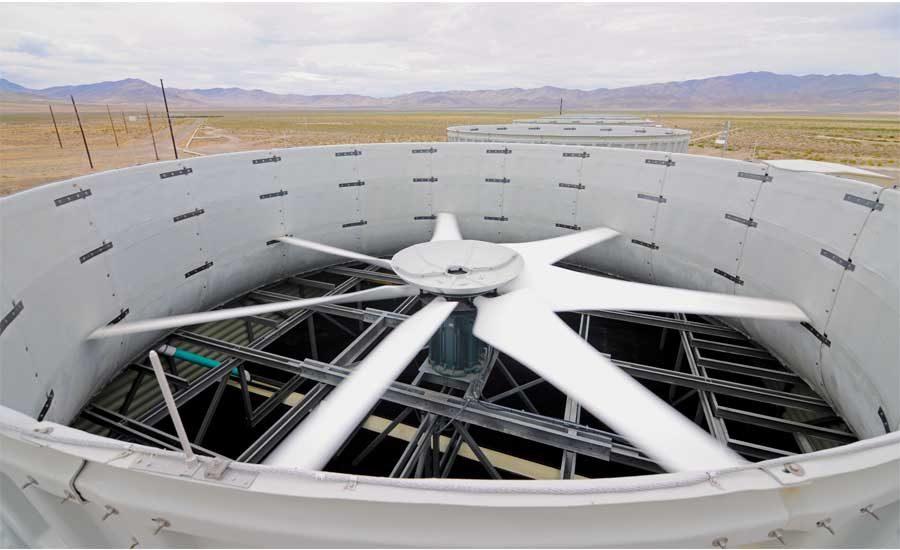
A cooling tower FRP fan is an air-moving component made partly or primarily from fiber-reinforced plastic. It is commonly used in mechanical-draft cooling towers to move air through the tower and support heat exchange between water and air.
FRP fans are available in different diameters, blade designs, hub arrangements, and configurations. Their exact design depends on the cooling tower structure, required airflow, operating speed, and system resistance.
The fan is not an isolated component. It must work with the motor, gearbox or drive system, fan cylinder, support structure, fill, and air distribution arrangement.
Selecting a replacement fan therefore requires more than measuring the old fan's diameter.
1.1 What Does FRP Mean?
FRP stands for fiber-reinforced plastic, a composite material made by combining reinforcing fibers with a resin matrix. The fibers provide strength and stiffness, while the resin binds the structure together and protects the reinforcement.
Depending on the design, manufacturers may use glass fibers and different resin systems to produce fan blades and other components.
FRP is popular in cooling tower applications because it offers a useful balance of strength, weight, corrosion resistance, and design flexibility.
However, FRP quality is not identical across all products. Fiber content, resin selection, manufacturing process, curing, blade geometry, and quality inspection all influence final performance.
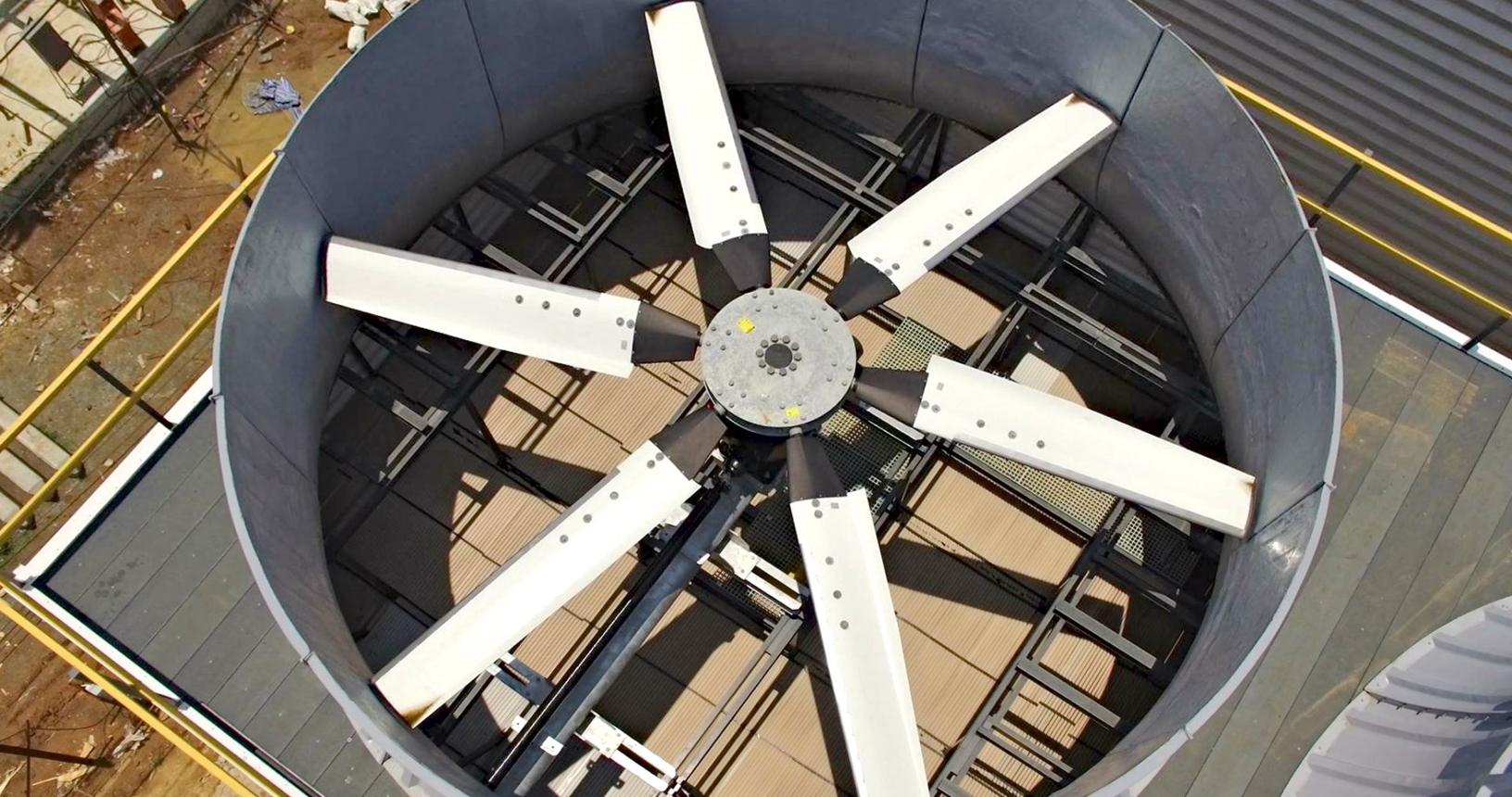
1.2 Why Are FRP Fans Used in Cooling Towers?
Cooling towers operate in environments where moisture, temperature changes, water treatment chemicals, and airborne contaminants can affect equipment.
FRP can provide good resistance to many of these conditions when the material system is correctly selected. Its relatively low weight can also reduce the load carried by the fan support and drive assembly compared with some heavier alternatives.
Another advantage is design flexibility. Manufacturers can produce blades with different aerodynamic profiles to suit specific airflow and pressure requirements.
Still, FRP does not mean maintenance-free. Blades should be inspected regularly for cracks, impact damage, surface deterioration, deformation, and signs of improper installation.
2. Why Source Cooling Tower FRP Fans from China?
China is an established manufacturing base for many industrial components, including cooling tower fans, FRP blades, hubs, motors, gearboxes, and replacement parts.
International buyers may find a broad range of product configurations, manufacturing options, and price levels. Working with a suitable Chinese supplier can help buyers source replacement components for maintenance projects, tower refurbishment, and new equipment production.
The key is to identify a supplier that understands the technical requirements of cooling tower applications rather than choosing a company based only on its online product listings.
2.1 Manufacturing Capabilities
A capable manufacturer should be able to explain how its FRP fan products are designed and produced.
Ask about mold availability, blade manufacturing processes, material traceability, curing procedures, dimensional inspection, and final assembly checks.
If the supplier offers multiple blade sizes or fan configurations, confirm which options are standard and which require custom engineering.
A professional supplier should also be able to discuss the limitations of its products honestly.
2.2 Competitive Pricing
Competitive pricing is one reason buyers consider Chinese manufacturers. However, the lowest quotation does not always represent the best value.
A low-cost fan may use unsuitable materials, lack adequate inspection, or fail to match the required operating conditions.
Compare quotations on an equivalent technical basis. Check whether the price includes the blades, hub, fasteners, balancing, packaging, and any required documentation.
Also clarify shipping terms, lead time, warranty conditions, and the cost of replacement parts.
A reliable supplier should explain what is included rather than simply offering an attractive number.
2.3 Customization and OEM Support
Cooling towers come in many designs, and replacement fans are not always interchangeable.
Buyers may need a specific diameter, hub connection, blade profile, rotation direction, or mounting arrangement.
A supplier with customization capabilities can assess drawings, photographs, samples, and equipment data before recommending a suitable configuration.
If you are purchasing for an OEM project, ask whether the supplier can support agreed specifications, identification labels, packaging requirements, and repeat orders.
Never assume that a fan will fit simply because its diameter is similar to the original.
3. Key Factors When Choosing a China Cooling Tower FRP Fan Supplier
Selecting a supplier should be a structured process. Start by checking the company's experience, product quality, engineering support, production arrangements, inspection procedures, and communication.
These factors help you understand whether the supplier can deliver a fan that is suitable for your cooling tower and operating conditions.
3.1 Manufacturing Experience
Experience matters because cooling tower fans must meet practical operating requirements.
A supplier familiar with cooling tower applications should understand the relationship between airflow, static pressure, rotational speed, blade pitch, motor load, and tower resistance.
Ask how long the company has supplied cooling tower components and whether it has handled projects involving similar fan sizes or operating conditions.
You can also request examples of relevant product configurations or completed supply projects.
Focus on verifiable experience rather than broad marketing claims.
3.2 Product Quality and Material Selection
Material selection directly affects fan strength, durability, and resistance to the operating environment.
Ask the supplier to identify the FRP reinforcement and resin system used for the proposed product. Find out whether the material is suitable for the expected temperature, humidity, chemical exposure, and outdoor conditions.
You should also ask how the manufacturer controls blade thickness, surface finish, curing, and dimensional consistency.
If the supplier provides material reports or inspection records, review whether they relate to the actual product being quoted.
3.3 Technical Design and Engineering Support
A reliable supplier should ask questions before recommending a fan.
These may include:
Existing fan diameter
Number of blades
Operating speed
Motor power
Gearbox ratio
Airflow requirement
Static pressure
Rotation direction
Hub dimensions
Cooling tower model
The supplier should also consider the tower's air inlet and discharge arrangement.
If you are replacing an existing fan, provide the original drawings or nameplate information whenever possible.
A supplier that recommends a product without checking basic operating data may be guessing rather than engineering a solution.
3.4 Production Capacity and Delivery Time
Delivery time can affect maintenance schedules and plant operation.
Before placing an order, confirm whether the product is available from stock or needs to be manufactured. Ask for a realistic production schedule and clarify whether the quoted lead time begins after deposit, drawing approval, or final technical confirmation.
For urgent replacement projects, check whether the supplier can prioritize production without skipping necessary quality checks.
Also discuss how the supplier will communicate any production delays.
3.5 Quality Control and Testing
Quality control should cover more than a final visual inspection.
Depending on the product and manufacturing process, checks may include:
Ask the supplier what inspections are performed and whether records can be provided.
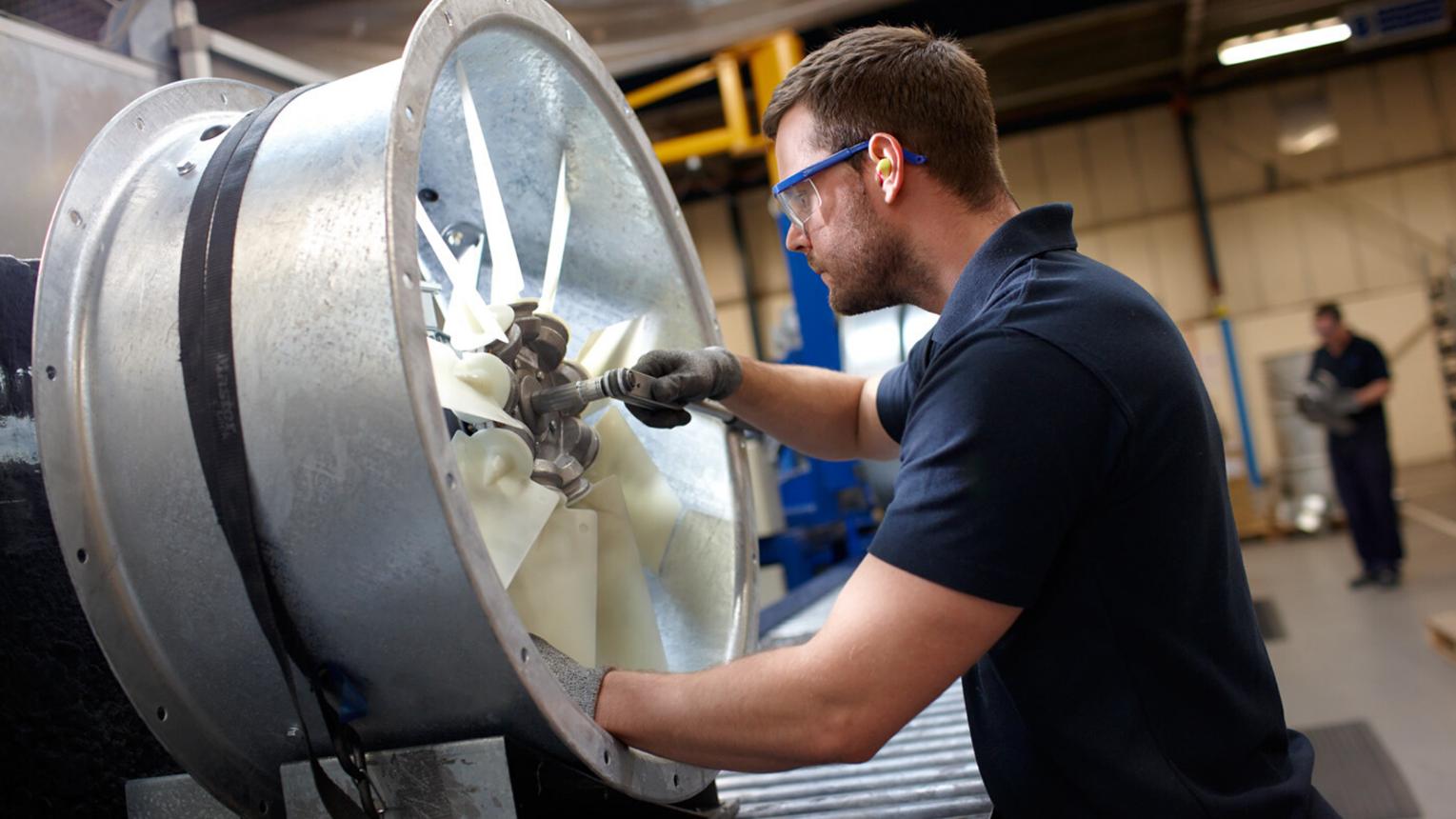
For a complete fan assembly, confirm the applicable balancing requirements and how the assembly will be checked.
Do not assume that every supplier follows the same testing procedures. Request documentation that matches the specific product and agreed requirements.
3.6 After-Sales Service
After-sales support becomes important when installation questions or operating problems arise.
Before ordering, ask who will handle technical questions, how warranty claims are assessed, and whether replacement blades or related components can be supplied later.
A dependable supplier should be willing to clarify installation requirements and help investigate product-related issues.
It should also explain the warranty scope, exclusions, and claim process in writing.
4. Important Specifications of Cooling Tower FRP Fans
A suitable fan must match the cooling tower's actual operating requirements. The following specifications should be confirmed before ordering.
4.1 Fan Diameter and Blade Design
Fan diameter is an important dimension, but it is only one part of the selection process.
Blade count, blade width, aerodynamic profile, pitch, hub design, and tip clearance also influence performance.
A larger fan does not automatically provide better cooling. The fan must fit the fan cylinder and operate within the design limits of the tower and drive system.
When replacing a fan, record the original dimensions and verify them against the manufacturer's drawings.
4.2 Airflow and Static Pressure
Airflow describes the volume of air moved by the fan, while static pressure represents the resistance the fan must overcome.
Cooling tower fill, drift eliminators, louvers, air passages, and other internal components contribute to system resistance.
A fan selected only by diameter or motor power may fail to deliver the required airflow at the actual operating point.
Ask the supplier for relevant fan performance information and confirm that the proposed fan is suitable for the tower's system resistance.
4.3 Fan Speed and Motor Power
Fan speed and motor power must be considered together with the fan's aerodynamic design and operating point.
A change in blade pitch or fan geometry can increase the power required by the fan. This may overload the motor or drive system if the change is not properly assessed.
Confirm the operating speed, motor rating, gearbox or transmission details, and allowable load.
Never assume that a replacement fan can safely operate at the same motor power simply because it has the same diameter.
4.4 Hub and Blade Connection
The hub connects the blades to the drive shaft or fan assembly.
Its dimensions, material, mounting arrangement, and connection method must match the cooling tower's drive system.
Check the shaft interface, bolt pattern, blade root design, and any required adapters.
Incorrect connections can cause alignment problems, looseness, vibration, or mechanical failure.
Ask for a drawing of the hub and connection arrangement before production when compatibility is uncertain.
5. FRP Cooling Tower Fan vs. Aluminum Alloy Fan
FRP and aluminum alloy are both used in industrial fan applications, but their properties and suitability differ.
FRP offers corrosion resistance and design flexibility, while aluminum alloy provides a metallic structure with different stiffness, strength, and fabrication characteristics.
The best choice depends on the fan design, operating environment, maintenance requirements, and engineering specifications.
5.1 Main Differences
FRP fans: Often selected for their corrosion resistance, relatively low weight, and flexible blade design. Their performance depends heavily on fiber reinforcement, resin quality, manufacturing consistency, and protection against impact or environmental degradation.
Aluminum alloy fans: Offer metallic construction and may be suitable for applications where their specific mechanical properties and design are appropriate. They can still be affected by corrosion, fatigue, and environmental conditions.
Neither material is automatically superior in every cooling tower.
Compare the complete fan assembly and its documented performance rather than choosing by material name alone.
6. Common Applications of FRP Cooling Tower Fans
FRP cooling tower fans are used in many industrial and commercial cooling systems.
Typical applications include:
In these environments, the fan helps maintain the airflow needed for heat rejection.
The exact fan configuration depends on tower capacity, air resistance, installation space, operating conditions, and the manufacturer's design.
For replacement projects, buyers should identify the original tower arrangement and verify compatibility before selecting a new fan.
7. How to Evaluate a Supplier Before Placing an Order
A little preparation can prevent costly purchasing mistakes.
Before confirming an order, collect technical information, review the supplier's documents, and make sure both parties agree on the product scope.
7.1 Request Product Catalogs and Technical Drawings
Ask for a product catalog that identifies available fan types, blade sizes, hub options, and material configurations.
For a specific project, request a technical drawing showing the key dimensions and connection details.
Check that the drawing matches your equipment requirements.
If the supplier proposes a custom design, ask for written confirmation of the agreed specifications before production begins.
7.2 Check Samples and Inspection Records
If the project is large or involves repeated purchases, consider requesting a sample or arranging a product inspection.
Examine the blade surface, finish, dimensions, connection points, and packaging.
Review available quality records and clarify which checks were performed.
For a complete assembly, confirm how balance and assembly quality are verified.
A sample review cannot replace engineering validation, but it can help you assess manufacturing consistency.
7.3 Confirm Packaging and Shipping
FRP blades can be damaged by poor handling during transportation.
Ask how the supplier protects the blade edges, surfaces, and connection areas.
Confirm whether the packaging is suitable for the selected transport method and export route.
Clarify the shipping terms, loading arrangements, package dimensions, gross weight, and documentation.
For oversized fans, discuss handling and lifting requirements before dispatch.
8. Common Mistakes to Avoid When Buying FRP Cooling Tower Fans
One common mistake is choosing a fan based on price alone.
Another is assuming that a fan with the same diameter will automatically fit the existing tower. Buyers may also overlook rotation direction, hub dimensions, motor limitations, fan speed, and system resistance.
These details can affect both installation and performance.
Avoid approving a replacement based only on photographs or a short product description. Provide technical data, request drawings, and confirm the operating requirements in writing.
It is also important not to increase blade pitch or change the fan configuration without checking the motor load and manufacturer's limits. An unsuitable adjustment can increase power consumption and cause mechanical or electrical problems.
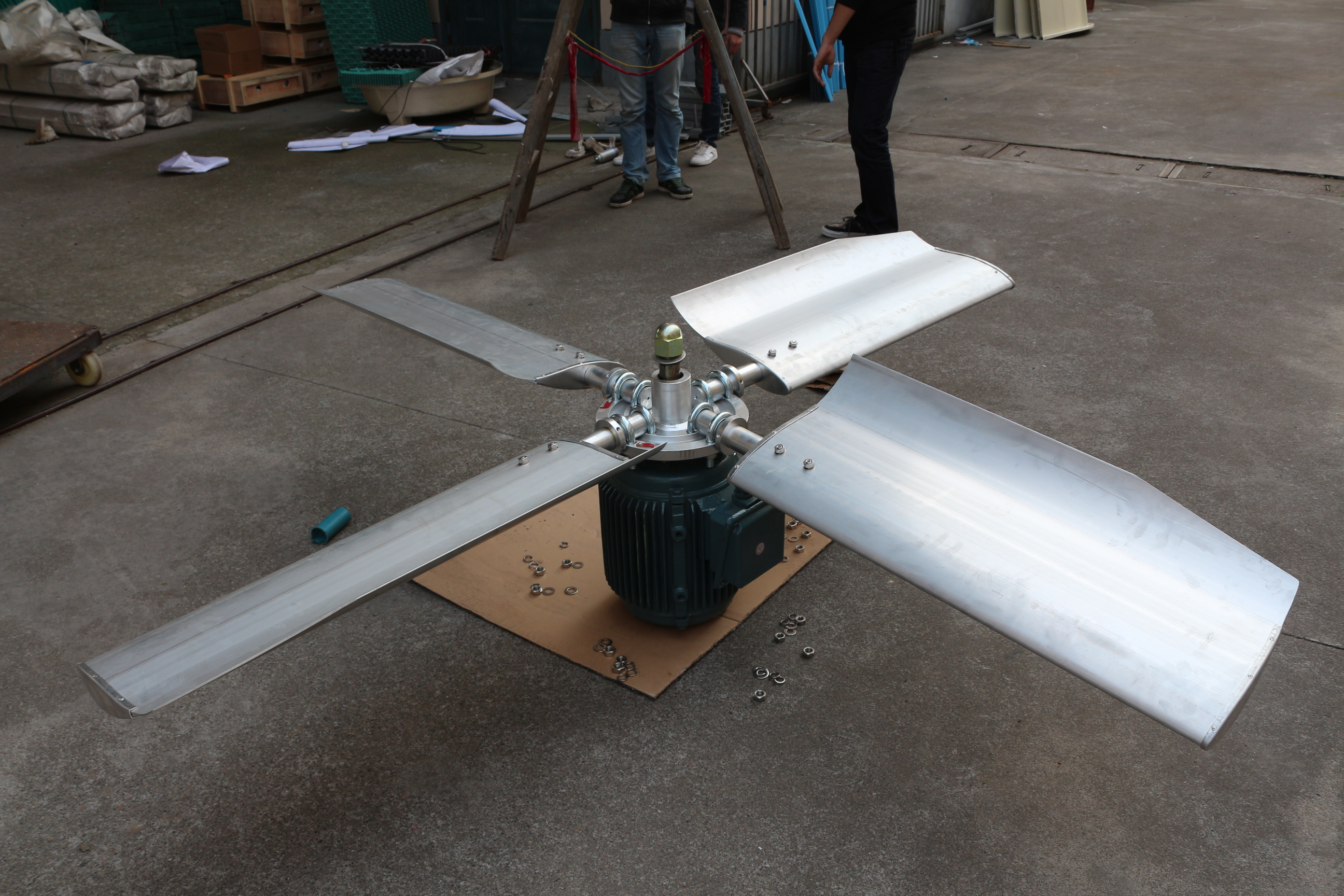
9. How to Maintain FRP Cooling Tower Fans
Regular maintenance helps protect the fan and identify problems before they become serious.
Establish an inspection schedule based on the manufacturer's recommendations and the site's operating conditions.
During shutdown inspections, check blades for:
Inspect the hub, fasteners, shaft, bearings, gearbox, and supporting structure.
Look for unusual vibration or noise during operation, following the site's safety procedures.
If vibration increases, investigate possible causes such as imbalance, misalignment, bearing wear, loose fasteners, shaft problems, or structural resonance.
Do not assume that every vibration issue is caused by the fan blades.
9.1 Follow Safe Inspection Procedures
Before maintenance, shut down the equipment, isolate all relevant energy sources, apply lockout/tagout procedures, and verify that the fan has stopped completely.
Follow site-specific fall protection and lifting requirements.
Never inspect or adjust a rotating fan while it is running.
Damaged blades should not be repaired with improvised patches, weights, or unapproved modifications. Repairs and balancing must follow the fan manufacturer's instructions and be completed by qualified personnel.
10. Why Consider Power Tower Cooling Technology (Shaoxing) Co.,Ltd.?
When sourcing cooling tower components, buyers need a supplier that understands replacement requirements and can communicate clearly about product specifications.
Power Tower Cooling Technology (Shaoxing) Co.,Ltd. supplies cooling tower components and replacement parts for industrial maintenance, refurbishment, and related projects.
Through its website, www.coolingtowerpart.com, buyers can explore cooling tower component solutions and contact the company to discuss their requirements.
10.1 Cooling Tower Component Supply
Cooling tower maintenance often involves more than replacing one fan.
Depending on the project, customers may also need fill media, drift eliminators, fan blades, and other related components.
Working with a supplier familiar with cooling tower parts can make it easier to discuss the overall replacement requirements and identify the information needed for a quotation.
10.2 Support for Replacement Requirements
Every replacement project has its own technical conditions.
To help evaluate a cooling tower FRP fan requirement, Power Tower encourages buyers to provide:
Existing fan dimensions
Blade quantity
Motor power
Operating speed
Hub details
Cooling tower model
Equipment photographs
Drawings and original equipment information are also useful.
These details help clarify whether a proposed product is suitable and what additional information may be needed before an order is confirmed.
10.3 Contact Power Tower
If you are looking for cooling tower FRP fan components or replacement solutions, visit Power Tower's website to learn more about its cooling tower products.
You can contact the company with your equipment information, application details, and purchasing requirements to discuss a suitable solution.
11. Frequently Asked Questions
Buyers often have similar questions when comparing China cooling tower FRP fan suppliers. Here are some practical answers.
11.1 How Long Do FRP Cooling Tower Fans Last?
There is no single service-life figure that applies to every FRP fan.
Actual life depends on material quality, blade design, operating conditions, installation accuracy, maintenance, and exposure to chemicals or environmental damage.
Regular inspections and operation within the manufacturer's limits can help extend service life.
11.2 Are FRP Fans Suitable for Large Cooling Towers?
FRP fans can be designed for a range of cooling tower sizes, including large industrial applications.
However, suitability depends on the fan's structural design, aerodynamic performance, diameter, rotational speed, and operating loads.
Buyers should confirm the manufacturer's engineering data for the specific application.
11.3 Can FRP Fan Blades Be Replaced Individually?
Individual blade replacement may be possible for some fan designs, but it depends on the manufacturer's instructions and the condition of the hub and remaining blades.
Replacement blades must match the approved design and be installed using the specified procedures.
The complete assembly may also require inspection and balancing before returning to service.
11.4 What Information Is Needed for a Fan Replacement Quote?
Prepare the following information:
Cooling tower model
Fan diameter
Blade quantity and dimensions
Hub details
Operating speed
Motor power
Gearbox information
Rotation direction
Equipment photographs
Existing technical drawings and the original fan nameplate are especially helpful.
If available, provide the required airflow and static pressure.
The more accurate the information, the easier it is for the supplier to assess compatibility.
12. Conclusion
Choosing a reliable China cooling tower FRP fan supplier requires more than comparing quotations.
You should evaluate manufacturing experience, FRP material quality, technical support, product inspection, delivery arrangements, and after-sales service.
Most importantly, make sure the proposed fan matches the cooling tower's actual operating conditions. Diameter alone is not enough. Airflow, static pressure, fan speed, motor capacity, blade design, and hub compatibility all matter.
By preparing accurate equipment information and checking the supplier's technical capabilities, you can reduce purchasing risks and improve the reliability of your cooling system.
For cooling tower components and replacement requirements, Power Tower Cooling Technology (Shaoxing) Co.,Ltd. welcomes inquiries through www.coolingtowerpart.com.
Share your project details to start a discussion about a suitable solution.


