You are here: Home » Blog » Industry News » Cooling Tower Retrofit: Fill Media Replacement Guide
Cooling Tower Retrofit: Fill Media Replacement Guide
Views: 0 Author: Lisa Publish Time: 2026-11-02 Origin: Site
Retrofitting a cooling tower is one of the most cost-effective upgrades an industrial plant can make. Rather than replacing the entire tower, a well-planned retrofit replaces the worn or outdated internal components — most importantly the fill media — to restore thermal performance, cut energy consumption and extend the life of the asset. Because fill media is where heat transfer actually happens, cooling tower fill media replacement sits at the center of every successful retrofit project. This article explains why fill replacement is the heart of a retrofit, how to plan and execute it, and how to avoid the mistakes that turn a straightforward upgrade into a costly failure.
Why Fill Media Replacement Is the Core of a Retrofit
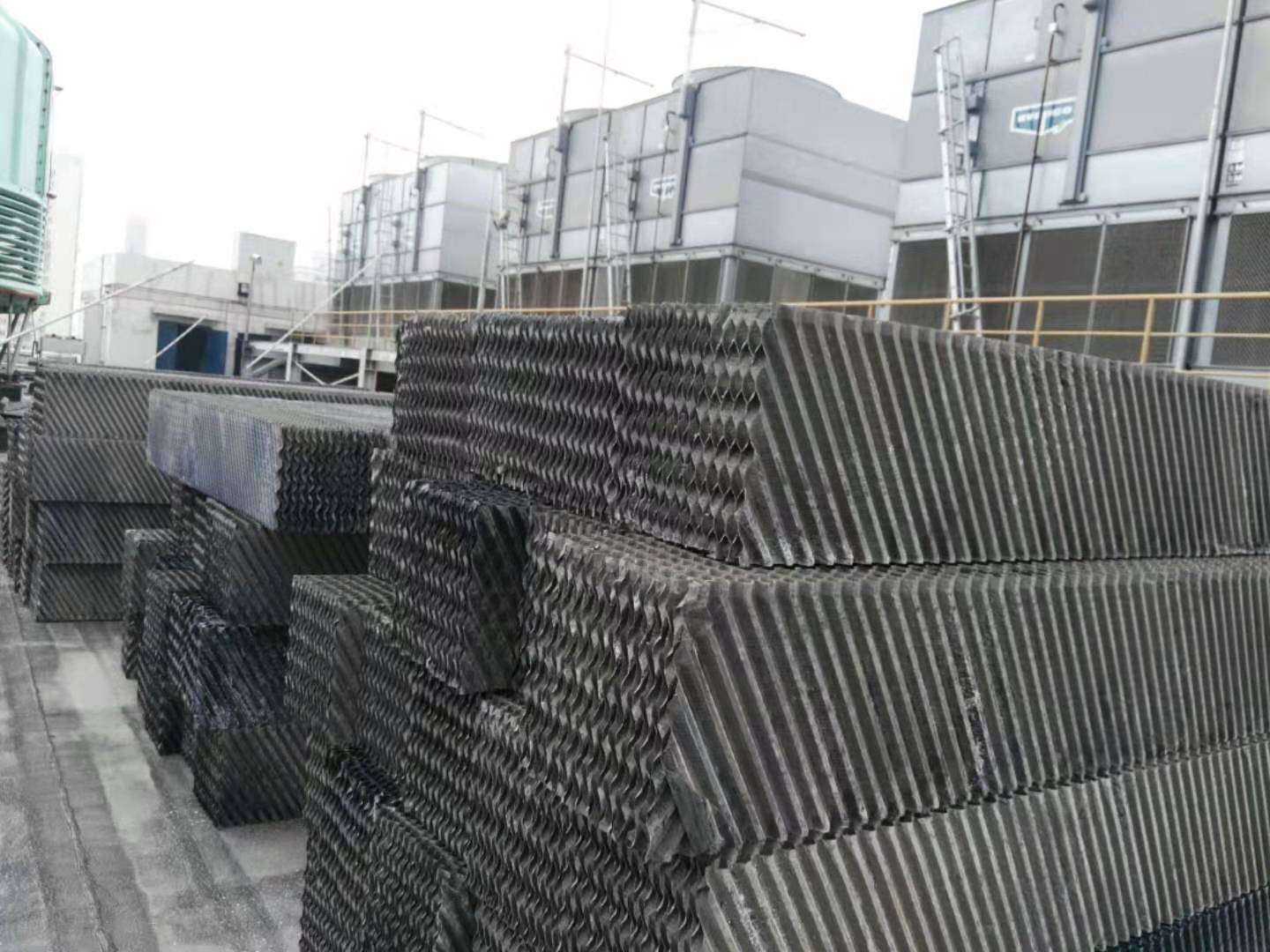
The fill is the active heat-exchange surface inside a cooling tower. Over years of service it degrades: scale builds up, algae and biological film accumulate, chemical corrosion thins the sheets, and structural fatigue causes warping or collapse. Each of these reduces the effective heat-transfer area and increases airflow resistance. The result is a widening approach temperature, higher fan and pump energy, and difficulty holding process temperatures.
Replacing the fill restores the tower's thermal capacity almost immediately. In many installations, a fill retrofit alone recovers 5–15% of energy efficiency and returns the cooling range and approach to design values. Because fill is also the least expensive major component to replace, it offers one of the best returns on investment of any retrofit measure.
When a Fill Retrofit Makes Sense
Consider a fill replacement retrofit when you see any of these signs:
Widening approach temperature despite normal water flow
Rising energy consumption by fan and pump motors
Visible collapse, warping or heavy scale on the fill sheets
Increased water drift, indicating degraded or missing sections
Difficulty holding process temperatures at peak load
Fill older than 10–15 years with unknown service history
If the tower's structure, fan, gearbox and distribution system are still sound, a fill retrofit is almost always more economical than a full tower replacement.
Planning a Fill Replacement Retrofit
A successful retrofit is planned, not improvised. Follow these steps:
1. Audit the Existing Tower
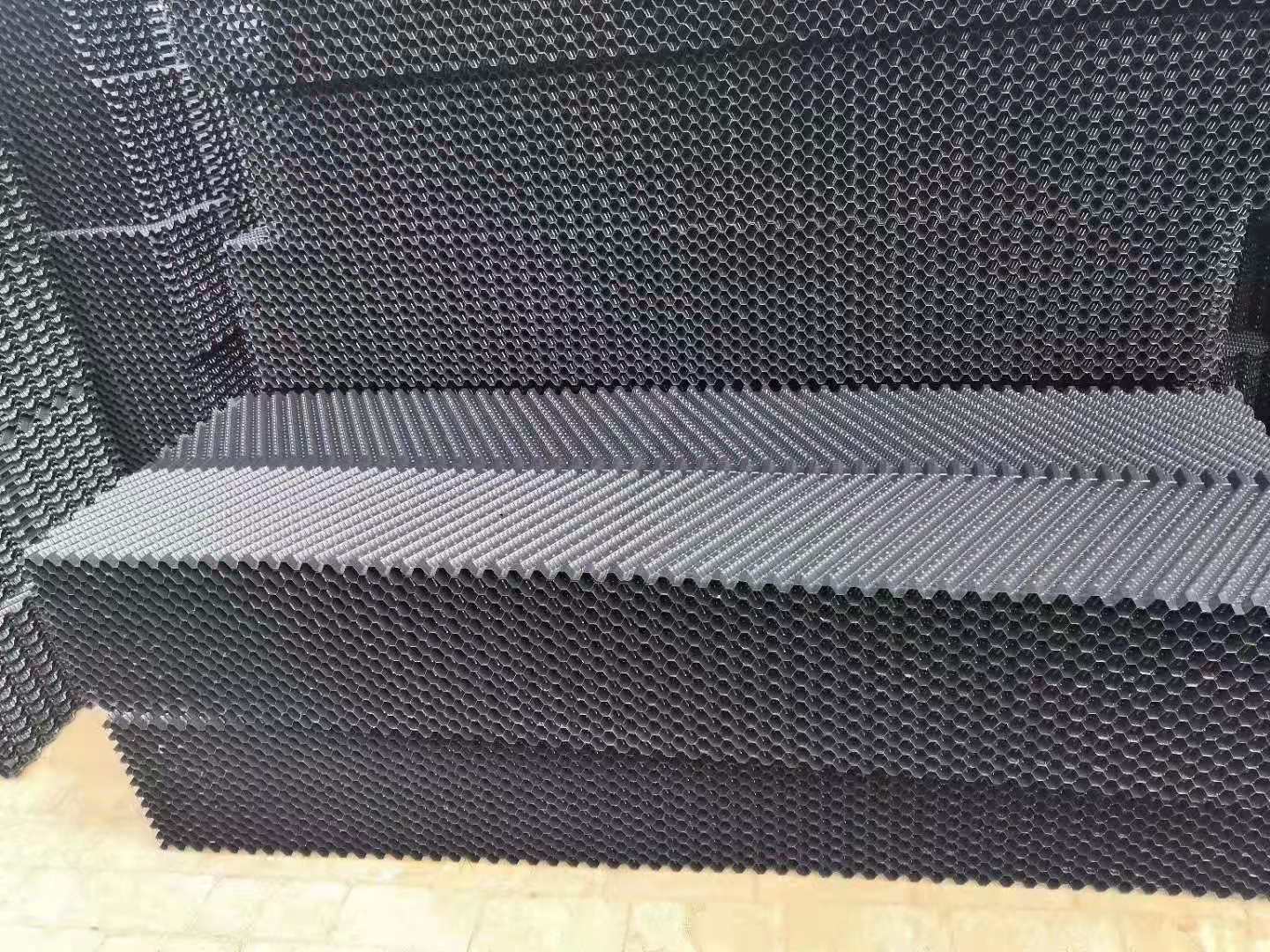
Inspect the current fill, measure internal dimensions, and document fouling, collapse and wear. Record the tower type (cross-flow or counter-flow), pack height and support layout. Photograph the flute profile for reference.
2. Define the Design Parameters
Provide the manufacturer with:
Tower type and model
Internal dimensions and existing pack height
Circulating water flow rate and cooling range / approach temperature
Water quality: suspended solids, pH, scaling tendency
Operating temperature range and ambient wet-bulb condition
Available fan capacity and static pressure
Fire-rating requirements, where applicable
Accurate data is the difference between fill that performs and fill that only fits.
3. Select the Right Fill Type
Choose based on water chemistry and duty:
PVC film fill: best efficiency for clean-water systems
Polypropylene (PP) fill: for high temperature, aggressive chemistry or fire-rated sites
Splash fill: for dirty, high-solids water
4. Budget the Full Retrofit
Include drift eliminators, spray nozzles and support grids in the plan. These components wear on the same cycle as the fill, and replacing them together delivers a coherent retrofit instead of a patchwork.
5. Schedule Around Your Shutdown Window
Coordinate delivery and installation with a planned maintenance shutdown. Confirm lead times early and build a buffer for transit and customs.
Executing the Retrofit
Installation should be managed as a structured project:
Prepare the tower. Drain the basin, isolate power and set up safe access.
Remove old fill. Strip out the degraded fill and dispose of it responsibly.
Inspect support and distribution. Repair or replace damaged grids, nozzles and eliminators while the tower is open.
Install new fill. Fit the modules per the manufacturer's lay-up pattern, ensuring full coverage and no gaps or air bypass.
Restore distribution. Confirm nozzles and eliminators are correctly positioned.
Commission. Run airflow and water-distribution checks and verify thermal performance against the design.
Common Mistakes in Fill Retrofit Projects
Skipping the audit. Installing fill without measuring the tower or understanding water chemistry leads to poor fit and under-performance.
Replacing fill but not accessories. New fill on damaged eliminators or worn nozzles still wastes water and loses efficiency.
Prioritizing price over design. The cheapest fill often lacks the correct flute profile, material grade or fire rating.
Ignoring airflow compatibility. A fill that increases pressure drop beyond fan capacity will under-perform even if it fits.
Under-buffering the schedule. Tight shutdown windows fail when delivery is late or installation takes longer than planned.
FAQ
How much does a fill replacement retrofit save?
Restoring worn or scaled fill to design performance typically recovers 5–15% of fan and pump energy, with payback often within a year or two.
Do I need to replace the whole tower to upgrade performance?
No. If the structure, fan and distribution system are sound, a fill retrofit restores thermal performance at a fraction of the cost of a new tower.
How long does a fill retrofit take?
The tower downtime for removal and installation is typically days, depending on tower size and crew. Order lead time adds weeks for production and transit, so plan ahead.
Can I retrofit a cross-flow tower with different fill?
Yes, but the fill type and flute profile must match your tower's architecture and airflow. A specialist will size the correct compatible fill.
What should I replace alongside the fill?
Drift eliminators, spray nozzles and support grids wear on the same cycle and should be replaced together for a coherent retrofit.
Conclusion
Cooling tower fill media replacement is the engine of a successful cooling tower retrofit. It restores thermal performance, cuts energy use and extends asset life at a fraction of the cost of full replacement. By auditing the existing tower, defining accurate design parameters, selecting the right fill type and executing installation as a structured project, you can turn a worn-out tower into an efficient, reliable one — with a return on investment that is hard to beat.
Recommended internal links for CoolingTowerPart.com: