Why Data Center Cooling Tower Fans Have Unique Requirements
Data center cooling is not the same as general HVAC or factory process cooling. Servers, GPUs and storage racks generate continuous, high-density heat loads, and even brief cooling interruptions can trigger overheating, automatic shutdowns, data corruption or costly downtime. Cooling tower fans are the core heat-rejection component for water-cooled chiller systems, and they must run reliably 24/7 under fluctuating ambient temperatures, high humidity and sometimes strict local noise limits.
The Cost of Fan Failure in Data Center Environments
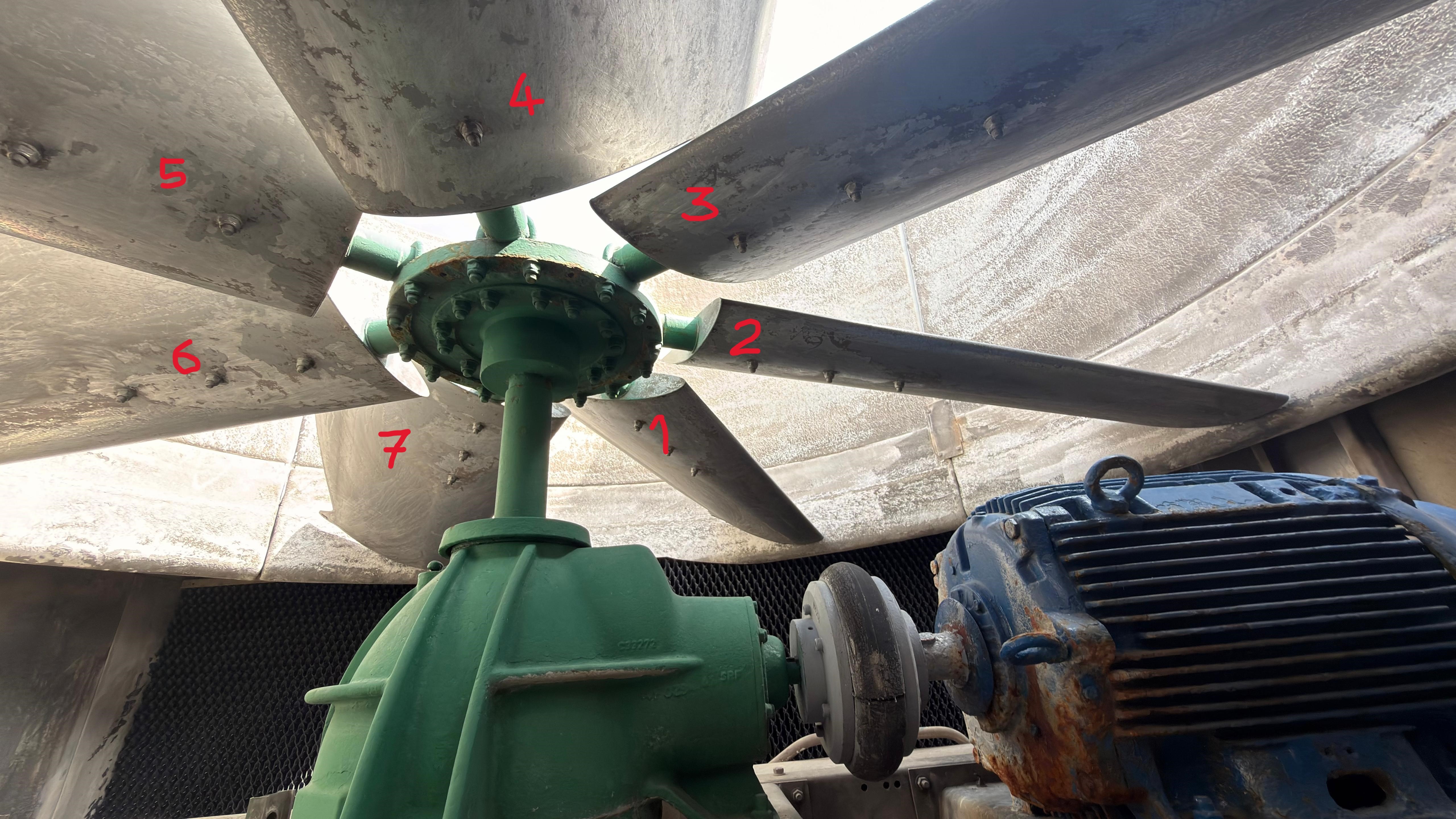
A single cooling tower fan fault can break the N+1 or 2N redundancy design that most colocation and hyperscale facilities follow. When fans cannot maintain the designed condenser water setpoint, chiller efficiency drops sharply, power usage effectiveness (PUE) rises, and operators face emergency maintenance windows. For AI and high-performance computing data centers, the financial impact of unplanned outages can be far higher than the fan equipment cost itself.
Key Performance Priorities for Data Center Grade Fans
Continuous-duty reliability and vibration stability
Unlike intermittent industrial fans, data center cooling tower fans run nonstop. Rotor balance grade, bearing selection, gearbox or direct-drive design and corrosion resistance directly determine mean time between failures (MTBF). Most qualified suppliers deliver fans balanced to G6.3 or higher standards to minimize long-term vibration and wear.
Part-load energy efficiency for PUE control
Modern data centers operate fans with VFD variable speed drives to match cooling output to real-time IT heat load. The fan must maintain high aerodynamic efficiency across a wide speed range, not just at full speed. Poor part-load performance keeps PUE elevated and adds thousands of dollars in annual electricity expense.
Low noise and vibration compliance
Many data center sites sit near urban or residential zones, with enforceable sound ordinances. Aerofoil blade shapes, optimized tip speed, damping hubs and matched drive packages reduce tonal noise and structure-borne vibration transmitted to the cooling tower steel structure.
Verify the Manufacturer’s Data Center Project Track Record
Many cooling tower fan makers produce standard industrial axial fans, but only a subset understands data center redundancy, commissioning sequences, BMS integration and after-hours service expectations. Before requesting quotations, validate project experience instead of only comparing unit prices.
Ask for Relevant Case Studies and Reference Sites
What to check in project references
Request facility type (hyperscale, colocation, enterprise data center), cooling tower configuration, fan diameter and quantity, operating climate, redundancy scheme and length of runtime. References in hot-humid or desert climates are especially valuable if your project shares similar ambient conditions. Generic factory cooling references are less relevant.
Watch for red flags
Suppliers who cannot provide data center-specific references often treat your order as a standard industrial fan sale. They may miss requirements such as remote monitoring, vibration sensors, spare-part stocking plans and coordinated shutdown procedures.
Certifications, Testing and Quality Control Documentation
Qualified manufacturers should offer performance test reports, sound test certificates, material test records and ISO quality management documentation. For export projects, confirm compliance with local electrical codes, IP ratings for motors and gear units, and CTI thermal performance alignment where applicable. Avoid manufacturers who only supply simple datasheets without independent or factory witness testing.
Evaluate Product Design Options for Data Center Cooling Towers
Once you shortlist experienced manufacturers, compare their fan system designs, not just blade material or price. The full assembly — blades, hub, drive, motor, sensors and controls — determines system behaviour.
Blade Material and Aerodynamic Design Choices
FRP fan blades for most data center cooling towers
FRP (fiberglass reinforced plastic) blades are widely preferred because they offer good corrosion resistance in wet cooling tower air streams, low damping for noise control and flexible aerofoil shaping. Premium designs use wide-chord, low-tip-speed profiles to cut noise while preserving airflow.
Alternatives and material tradeoffs
Aluminum alloy blades are rigid but more vulnerable to corrosion in chemically treated cooling water drift. Carbon fibre options deliver ultra-light weight and high balance stability but raise capital cost significantly. The manufacturer should justify material selection against your water treatment chemistry and site environment.
Drive System Selection: Gearbox vs Direct Drive
Geared fan assemblies
Traditional gearbox-driven cooling tower fans remain common for large diameters. The manufacturer’s gearbox quality, lubrication access and leak protection are critical maintenance points. Confirm oil change intervals, bearing warranties and local spare gear availability.
Permanent magnet direct-drive fans
PM direct-drive designs eliminate gearbox losses and leakage points, improving efficiency and reducing routine maintenance. They are growing popular in new-build hyperscale data centers, though upfront cost is higher. Your supplier must support matching VFD tuning and BMS communication.
Control, Monitoring and BMS Integration Support
Data center operators do not run fans manually. The fan package should support standard Modbus, BACnet or other building management protocols, with real-time readouts for speed, power, vibration, bearing temperature and fault alarms. The manufacturer’s engineering team should provide control logic guidance for lead-lag sequencing, fan staging and alarm thresholds.
Assess Technical Support, Commissioning and Aftermarket Service
In data center projects, post-delivery support is often more valuable than the fan hardware itself. Delayed commissioning or slow spare-part delivery can hold up whole cooling plant acceptance.
Pre-sale Engineering Support
Duty point validation and system curve analysis
A good manufacturer will review your cooling tower thermal design, static pressure budget, altitude, design wet-bulb temperature and redundancy strategy to validate fan selection. They will reject simple “same diameter replacement” requests if airflow and pressure do not match the system curve.
Customization capability
You may need modified mounting interfaces, special paint or coating, redundant sensor packages or site-specific noise tuning. Confirm whether the factory can adjust blade pitch, hub configuration and motor options within your project schedule.
Commissioning, Balancing and Field Service
On-site dynamic balancing
Even factory-balanced rotors can shift after transport and installation. Top suppliers offer on-site fan blade balancing to meet vibration limits before handover, which is a standard acceptance item for many data center MEP contractors.
Response time and service coverage
Clarify service territory, emergency support hours and technician availability. For global projects, confirm local stocking of critical spares: blades, hubs, bearings, seals and VFD components. Long lead times for spares create unacceptable operational risk.
Warranty and Long-Term Spare Parts Availability
Compare warranty terms on blades, motors and drive components separately. Also confirm how long the manufacturer will support spare parts for that fan model. Data center cooling infrastructure stays in service for 15–25 years; a supplier that discontinues models quickly creates future replacement headaches.
Commercial and Supply Chain Factors That Reduce Project Risk
Technical merit alone is not enough. Delivery schedule, inspection protocols, packaging and logistics directly impact your construction timeline.
Lead Time, Production Inspection and Shipment Control
Large cooling tower fan assemblies require careful packaging to avoid blade deformation and rotor damage in transit. Ask the manufacturer about in-process inspection, factory witness test options, export packaging standards and container loading plans. For phased data center builds, confirm their ability to stagger deliveries to match tower erection sequences.
Transparent Pricing and Change Order Management
The lowest quotation often excludes critical items: field balancing, commissioning support, sensor packages, BMS integration drawings and spare-part kits. Compare scope line by line. A reliable manufacturer clearly separates base equipment, optional services and spare parts so you avoid unexpected cost add-ons later.
Final Vendor Selection Checklist for Data Center Cooling Tower Fan Manufacturers
Before signing a purchase agreement, run through this practical validation list:
Proven data center cooling tower fan references with contactable operators
Aerodynamic performance, sound level and vibration test reports
Suitable material rated for your cooling water chemistry and ambient climate
Drive type matched to your maintenance budget and efficiency goals
Native BMS communication support and control documentation
Field balancing, commissioning and emergency service coverage
Multi-year warranty and guaranteed spare-part availability
Clear delivery schedule, export packaging and loading controls
How the Right Fan Manufacturer Supports Data Center Sustainability Goals
Most modern data center owners track PUE, water usage effectiveness (WUE) and carbon footprint. A well-selected fan system reduces parasitic fan power year-round, and the manufacturer’s design expertise helps you avoid over-sizing. Optimized fan staging, low-noise aerofoil blades and high-efficiency drive packages align cooling hardware with ESG and energy compliance targets. Many suppliers also provide fan upgrade paths for retrofitting older cooling towers to lower PUE without full tower replacement.
Common Mistakes to Avoid When Choosing Your Supplier
One frequent mistake is selecting a fan manufacturer based only on diameter and price while ignoring static pressure and part-load efficiency. Another is assuming all FRP blades deliver equal noise and balance performance. Some buyers overlook service geography and spare-part lead times, only discovering the risk after fan installation. Finally, skipping on-site balancing during commissioning often leads to rising vibration, bearing wear and premature failures in the first year of operation.
Conclusion
Selecting cooling tower fan manufacturers for data center cooling is a balance of reliability engineering, energy performance, noise compliance and lifecycle support. The best partners do not just ship fan assemblies; they act as extension of your MEP engineering team, validating the duty point, supporting BMS integration, delivering field balancing and securing long-term spare supply. By prioritizing data center project experience, verified test data and service response capacity, you protect your critical cooling path, control PUE and reduce the risk of costly IT downtime.


