1. Introduction
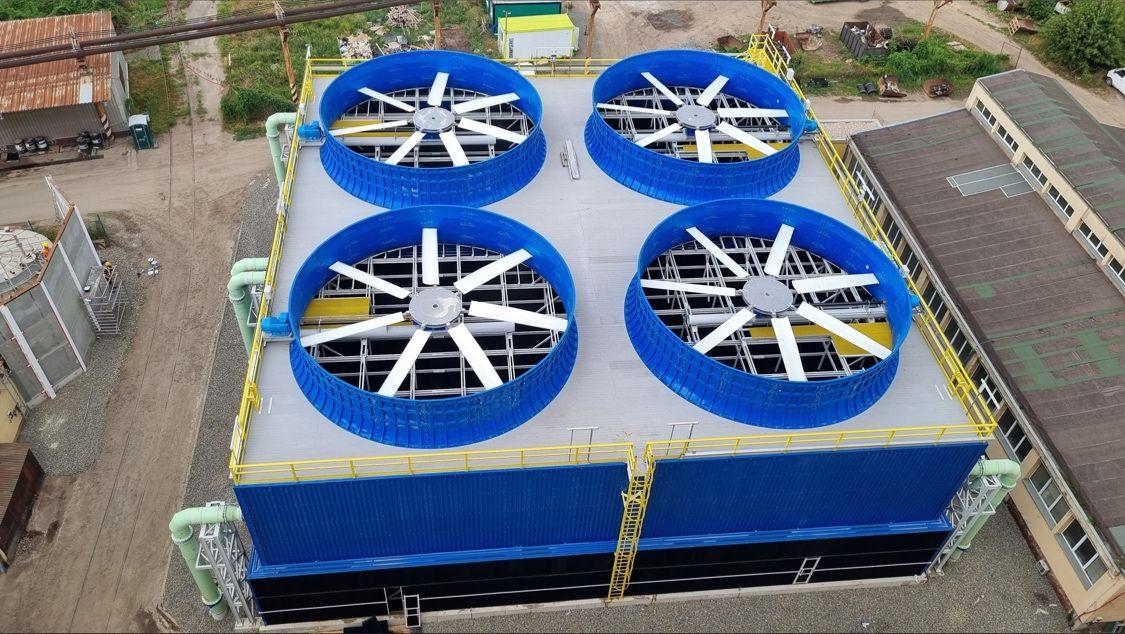
A cooling tower fan may look like a simple rotating component, but its performance depends on several carefully matched parts. One of the most important is the cooling tower fan hub. It connects the fan blades to the rotating drive assembly, transfers mechanical power, and helps keep the blades in their correct positions during operation.
Think of the fan hub as the central foundation of an axial fan. The blades extend outward from it, while the hub holds the assembly together and transfers the torque needed to move air through the cooling tower. If the hub is poorly selected, damaged, or incorrectly installed, the entire fan assembly can suffer.
For industrial cooling towers, a reliable fan hub is important for airflow performance, mechanical stability, operating safety, and long-term maintenance costs.
But how does a cooling tower fan hub work? What materials are available? How can you choose the correct model when replacing an existing assembly?
In this guide, we will explain the structure, function, types, materials, selection criteria, common problems, and maintenance requirements of cooling tower fan hubs. We will also introduce how Power Tower Cooling Technology (Shaoxing) Co.,Ltd. supports customers looking for cooling tower components and replacement solutions.
2. What Is a Cooling Tower Fan Hub?
2.1 The Basic Definition of a Fan Hub
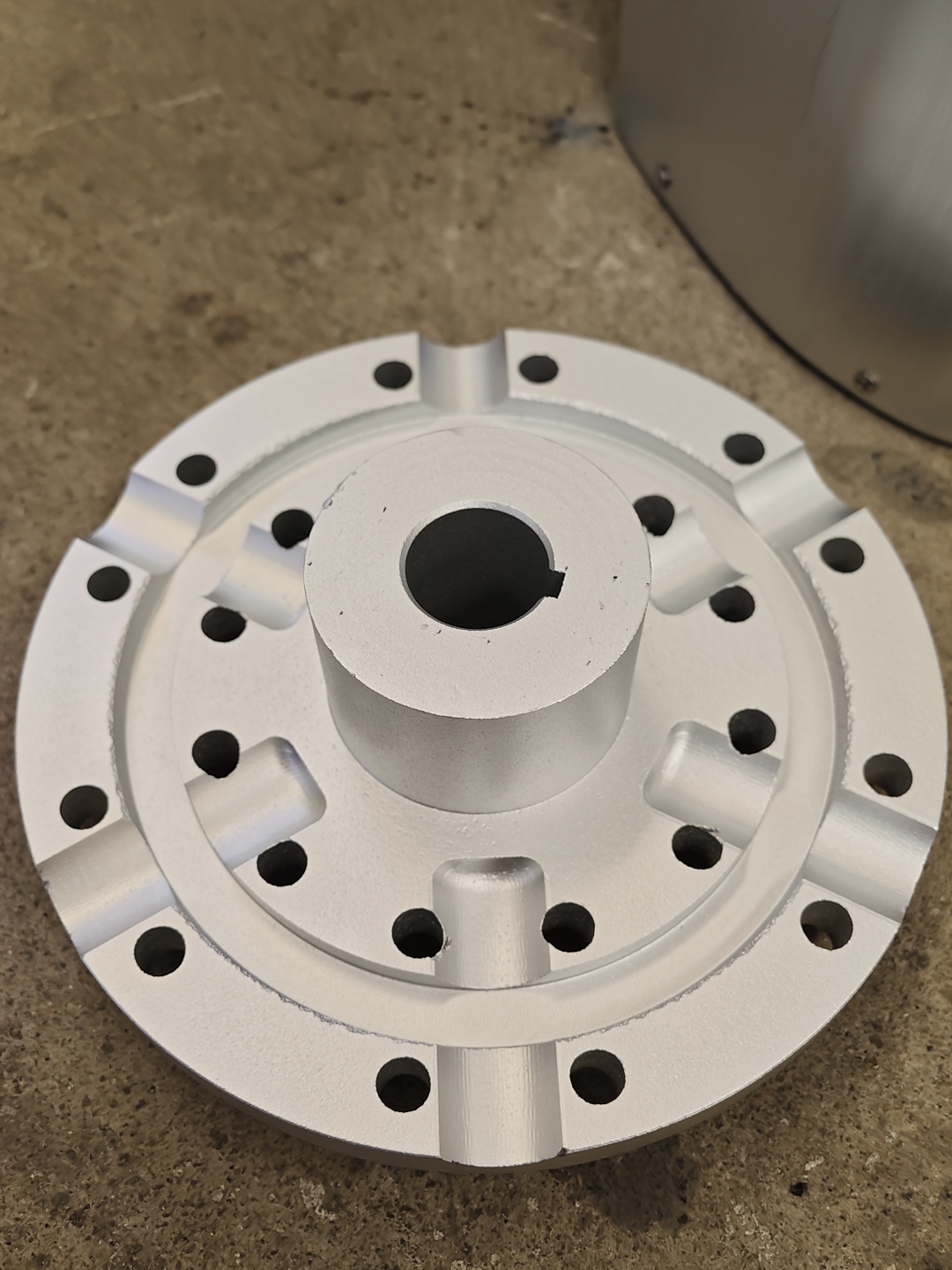
A cooling tower fan hub is the central mechanical component that connects the fan blades to the fan shaft or drive assembly. In many axial-flow cooling tower fans, the blades are mounted around the hub in a specific arrangement.
The hub provides the mounting structure for the blades and transfers rotational force from the drive system to the fan assembly. As the hub rotates, the blades rotate with it, moving air through the cooling tower.
Depending on the fan design, the hub may be manufactured as a single component or as part of a more complex assembly. Some designs allow blade pitch adjustment, while others use fixed blade positions.
The exact construction depends on the fan manufacturer, fan diameter, operating speed, blade design, and application requirements.
2.2 Why the Fan Hub Matters
The fan hub does much more than hold the blades in place. It affects several important aspects of cooling tower operation:
Power transmission: It transfers torque from the shaft or drive connection to the fan blades.
Blade support: It provides secure mounting points for the blades.
Mechanical stability: It helps maintain the correct relationship between the blades and the rotating assembly.
Operational reliability: Its structural condition influences the reliability of the complete fan.
Maintenance requirements: Its design affects inspection, adjustment, and replacement procedures.
A damaged hub can create serious problems even when the fan blades themselves appear to be in good condition. That is why the hub should never be treated as an unimportant accessory.
3. Main Components of a Cooling Tower Fan Hub
A cooling tower fan hub can have different configurations, but most assemblies include several basic structural elements.
3.1 Hub Body
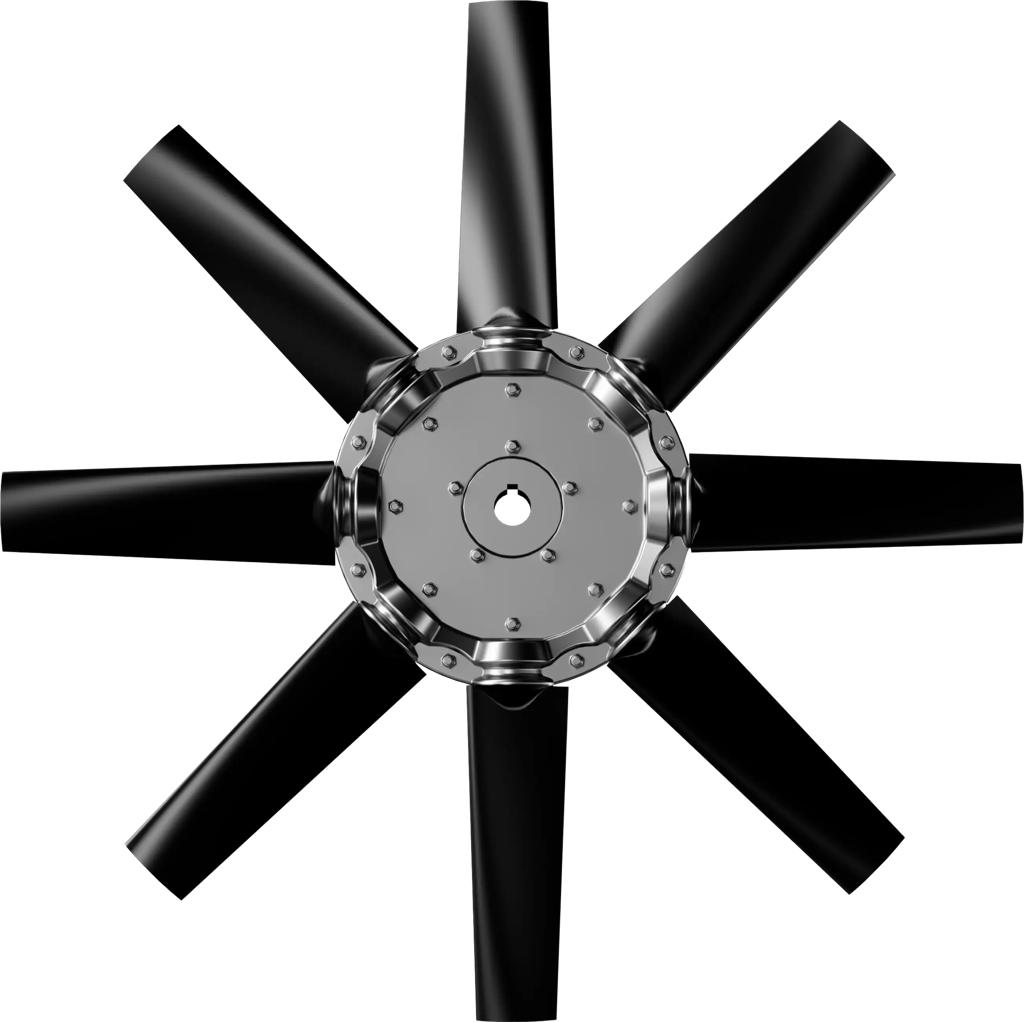
The hub body is the central structural section. It supports the blade mounting points and connects to the rotating shaft or drive component.
Its shape and dimensions depend on the fan design. Some hubs have a compact central body, while larger industrial fan assemblies may use more substantial structures to support multiple blades.
The hub body must withstand the mechanical loads generated during operation, including rotational forces, blade loads, and vibration.
3.2 Blade Mounting Points
Blade mounting points connect individual blades to the hub. They may include mounting flanges, threaded holes, clamps, brackets, or other manufacturer-specific structures.
The number and arrangement of these points depend on the number of blades and the design of the fan.
Accurate mounting is essential. Incorrect blade positioning can affect fan balance, airflow distribution, and mechanical loading.
3.3 Shaft Connection
The shaft connection transfers rotational power from the motor and drive system to the fan hub.
Depending on the cooling tower design, the connection may use a shaft, coupling, keyway, flange, or another engineered arrangement.
Before purchasing a replacement hub, always check the existing connection dimensions. A hub that looks similar may still be incompatible with the original shaft or drive assembly.
3.4 Fasteners and Locking Components
Bolts, nuts, washers, locking devices, and other fasteners secure the hub and blade assembly.
These components may seem small, but their role is critical. Incorrect fasteners, improper tightening, or damaged threads can reduce connection reliability.
Always use the fastener type, grade, tightening procedure, and locking method specified by the fan manufacturer.
4. How Does a Cooling Tower Fan Hub Work?
The working principle is straightforward: the hub receives rotational power and transfers it to the fan blades. However, each part of this process must work correctly.
4.1 Transmitting Rotational Power
When the cooling tower motor starts, mechanical power passes through the drive system. Depending on the tower design, this may involve a gearbox, belt drive, coupling, or direct-drive arrangement.
The rotating shaft turns the fan hub. Because the blades are attached to the hub, they rotate together and generate airflow.
The hub must therefore be suitable for the torque, rotational speed, and mechanical loads of the intended fan assembly.
4.2 Supporting Fan Blade Position
The hub keeps the blades in their designed positions as the fan rotates.
Blade position is important because it influences the fan's aerodynamic performance. The blade angle, orientation, spacing, and geometry all contribute to the airflow generated by the fan.
For adjustable-pitch designs, the hub may also provide a mechanism for setting or changing blade pitch. This adjustment must follow the manufacturer's specifications.
4.3 Maintaining Mechanical Stability
A cooling tower fan operates under continuous rotating loads. The hub must maintain a stable connection between the shaft and blades throughout normal operating conditions.
If the hub becomes loose, cracked, distorted, or incorrectly assembled, the fan may develop vibration or abnormal noise.
A stable hub helps the fan operate as a properly integrated assembly rather than a collection of separate parts.
5. Common Types of Cooling Tower Fan Hubs
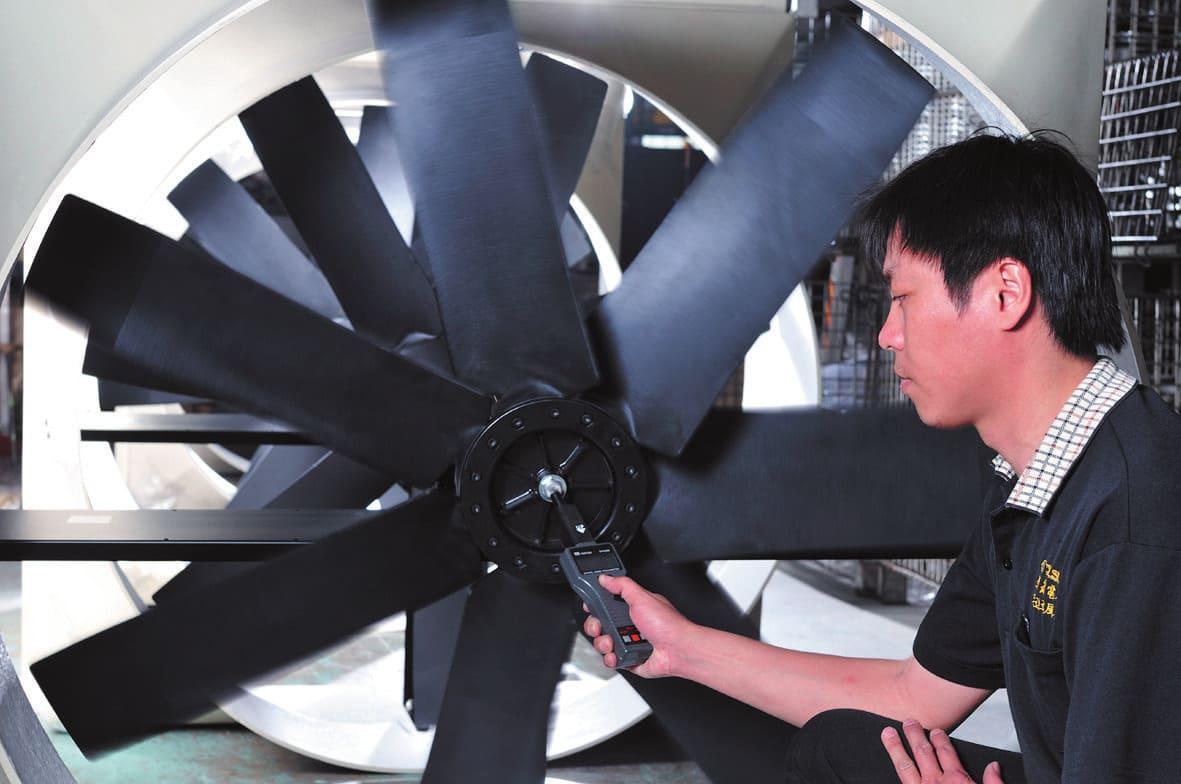
Different cooling tower fans require different hub designs. Understanding the main types can help buyers identify the right replacement.
5.1 Fixed-Pitch Fan Hubs
A fixed-pitch fan hub holds the blades at a predetermined angle.
This design is generally straightforward because the blade position is established during manufacturing or assembly. It is commonly used where the fan is designed to operate at a defined speed and operating condition.
When replacing a fixed-pitch hub, the replacement must match the original blade arrangement and design specifications.
5.2 Adjustable-Pitch Fan Hubs
An adjustable-pitch fan hub allows the blade angle to be changed within the limits of its design.
This can help technicians match fan performance to particular operating requirements. However, changing blade pitch can also change the power absorbed by the fan.
For example, increasing blade pitch may increase airflow, but it can also increase motor load. An adjustment that exceeds the motor or gearbox limits can cause overloading.
Never assume that a larger pitch angle automatically improves cooling tower efficiency. Adjustments should be based on the fan manufacturer's performance data and the actual system operating conditions.
5.3 Modular Fan Hub Assemblies
Some cooling tower fan designs use modular hub assemblies. These may contain separate mounting sections or replaceable components.
Modular designs can make certain maintenance or replacement tasks easier, but compatibility remains essential. Individual components must match the original assembly and approved replacement specifications.
Not every hub is modular, and not every hub allows individual parts to be replaced.
6. Materials Used in Cooling Tower Fan Hubs
Cooling towers operate in environments where moisture, chemicals, temperature changes, and continuous mechanical loading can affect component life.
Material selection is therefore an important part of fan hub design.
6.1 Aluminum Alloy
Aluminum alloy is used in some cooling tower fan hub designs because it offers a useful combination of relatively low weight, machinability, and corrosion resistance.
A lighter hub can help reduce the mass of the rotating assembly. However, not all aluminum alloys have the same mechanical properties or corrosion resistance.
The alloy grade, manufacturing process, surface treatment, and operating environment should all be considered.
6.2 Stainless Steel
Stainless steel may be used for selected hub components, fasteners, or structural elements where corrosion resistance is important.
Its performance depends on the specific stainless steel grade and the chemicals present in the cooling tower environment.
For example, chloride exposure and water treatment chemicals can affect corrosion behavior. Choosing stainless steel without considering the actual water chemistry may lead to unexpected deterioration.
6.3 Carbon Steel and Protective Coatings
Carbon steel is another possible material for certain hub designs. It offers good mechanical strength and can be suitable for applications where the design requires it.
However, carbon steel is vulnerable to corrosion in wet environments if it is not properly protected.
Protective coatings, galvanizing, painting, or other surface treatments may be used depending on the application. Coating selection should consider moisture, temperature, chemical exposure, and maintenance conditions.
6.4 FRP and Composite Components
Fiber-reinforced plastic (FRP) and other composite materials are widely associated with cooling tower fan blades because of their relatively low weight and corrosion-resistant properties.
Composite materials may also be used in selected fan assembly components, depending on the manufacturer's design.
However, do not assume that every FRP fan uses an FRP hub. Some assemblies combine composite blades with metallic hub structures.
When purchasing a replacement, confirm the actual material and construction rather than relying only on the general product description.
7. Key Factors When Selecting a Cooling Tower Fan Hub
Choosing the correct cooling tower fan hub is not simply a matter of finding one with a similar appearance. The hub must match the fan, shaft, drive system, and operating conditions.
Here are the main factors to check.
7.1 Fan Diameter and Blade Quantity
Start with the fan's basic configuration.
Important information includes:
Fan diameter and blade quantity help identify the general fan configuration, but they are not enough to confirm compatibility.
Two fans with the same diameter may use completely different hub structures.
7.2 Shaft and Mounting Dimensions
Shaft compatibility is one of the most important selection requirements.
Check the following dimensions:
Shaft diameter
Hub bore diameter
Keyway dimensions, if applicable
Mounting flange dimensions
Bolt-hole quantity and spacing
Hub height and overall dimensions
Connection type
If possible, provide the original technical drawing or clear photographs with measurements.
A small dimensional difference can prevent correct installation or create unsafe operating conditions.
7.3 Operating Speed and Mechanical Load
The hub must be designed for the fan's operating speed and mechanical loading.
Before selecting a replacement, confirm:
Normal fan rotational speed
Motor power
Gearbox output speed, if applicable
Fan operating conditions
Manufacturer's maximum permitted speed
Relevant mechanical load requirements
The replacement hub should be suitable for the original fan design. Do not select a hub based only on its physical dimensions.
7.4 Material and Corrosion Resistance
Consider the operating environment before choosing the material.
For example, a cooling tower operating with aggressive water chemistry may require different material and surface protection from a tower used in a relatively mild environment.
Review the expected exposure to moisture, chemicals, temperature changes, and outdoor conditions.
A suitable material can help reduce corrosion-related maintenance and extend component service life.
7.5 Compatibility with the Existing Fan Assembly
This is where many replacement purchases go wrong.
A hub must be compatible with the blades, shaft, mounting system, and other relevant fan components.
Before ordering, compare the replacement with the original assembly. Confirm the manufacturer's model number, drawing, connection details, and blade mounting specifications.
If the original hub is unavailable, a qualified supplier or fan engineer should review the measurements and operating data before approving an alternative.
8. Cooling Tower Fan Hub Problems and Failure Signs
A fan hub does not usually fail without warning. Regular inspection can help identify problems before they affect the entire fan assembly.
8.1 Cracks and Structural Damage
Cracks, deformation, or damaged mounting areas are serious warning signs.
They may result from fatigue, excessive loading, corrosion, impact, incorrect installation, or unsuitable operating conditions.
Do not continue operating a fan with suspected structural damage. The assembly should be inspected by qualified personnel and repaired or replaced according to the manufacturer's instructions.
8.2 Corrosion and Surface Deterioration
Corrosion can gradually reduce the condition of metallic hub components.
Look for:
Rust or pitting
Damaged protective coatings
Surface discoloration
Corrosion around fasteners
Deterioration near mounting interfaces
Surface corrosion does not always mean immediate failure, but advanced corrosion around load-bearing areas requires professional evaluation.
8.3 Loose Blade Connections
Loose bolts or blade connections can cause movement between components.
This may create abnormal vibration, noise, or changes in fan performance.
During inspection, check fasteners and mounting areas according to the manufacturer's maintenance procedure. Never tighten components while the fan is running.
8.4 Abnormal Vibration and Noise
Vibration is one of the most noticeable signs of a potential fan assembly problem.
However, it does not automatically mean the fan hub is damaged.
Other possible causes include:
A proper diagnosis should identify the actual source before any replacement work begins.
9. Cooling Tower Fan Hub Maintenance
Regular maintenance helps protect the fan hub and the complete rotating assembly.
The best maintenance program combines visual inspection, mechanical checks, vibration monitoring, and accurate maintenance records.
9.1 Routine Visual Inspections
Inspect the hub for cracks, corrosion, deformation, and visible damage.
Pay particular attention to blade mounting areas and shaft connection points. These locations are important because they transfer mechanical loads during operation.
Record any changes so that technicians can compare the component's condition over time.
9.2 Checking Bolts and Connections
Check fasteners for looseness, corrosion, damaged threads, and other visible problems.
Follow the manufacturer's specified tightening torque and locking procedures. Do not substitute random bolts or use an unapproved fastening method.
If a fastener has been damaged, identify the correct replacement specification before returning the fan to service.
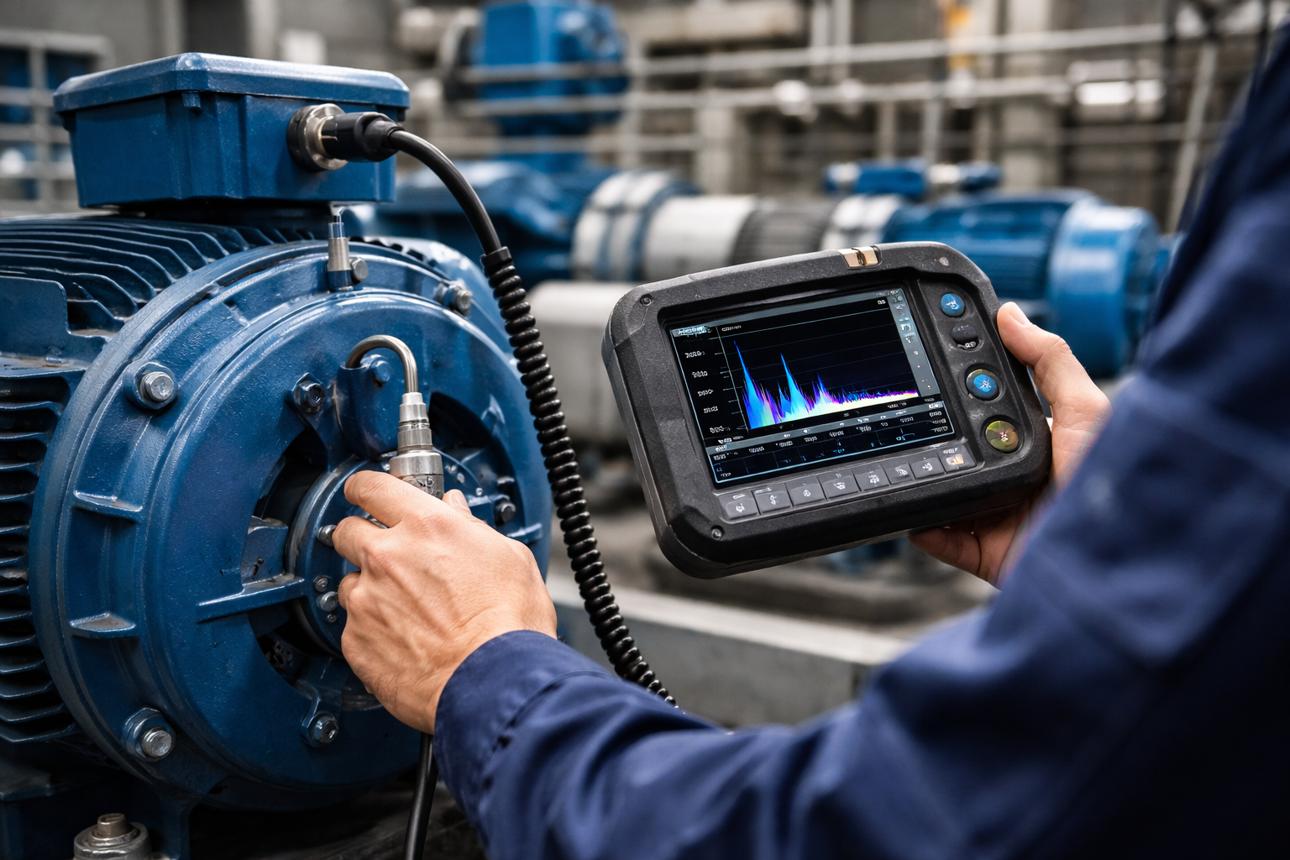
9.3 Monitoring Vibration
Vibration measurements can help identify changes in rotating equipment condition.
Establish baseline readings when the fan is operating normally, then compare future measurements under similar operating conditions.
If vibration increases, investigate the fan, hub, blades, shaft, bearings, drive system, and supporting structure.
Do not assume that balancing alone will solve every vibration problem.
Important safety note: Before any physical inspection, adjustment, or maintenance work, shut down and isolate the equipment, apply the site's lockout/tagout procedure, and verify that the fan has completely stopped. Follow the required fall-protection and confined-space procedures where applicable.
10. When Should You Replace a Cooling Tower Fan Hub?
There is no single replacement interval that applies to every cooling tower fan hub.
Service life depends on the hub material, design, manufacturing quality, operating speed, mechanical loading, corrosion exposure, installation, and maintenance history.
Replacement may be necessary when:
Structural cracks or deformation are found.
Corrosion has significantly affected load-bearing sections.
Blade mounting points are damaged.
The shaft connection is worn or no longer fits correctly.
The hub cannot maintain a secure blade connection.
The manufacturer identifies the component as unsuitable for continued operation.
The fan assembly is being upgraded and the original hub is incompatible.
A damaged hub should not be repaired through improvised welding, drilling, or modification. Any repair must be approved by the manufacturer or a qualified engineering professional.
When the hub's structural integrity is uncertain, stopping the fan and arranging a professional inspection is the safer choice.
11. Cooling Tower Fan Hub Replacement: Important Considerations
Replacing a fan hub requires more than removing the old component and installing a new one.
First, identify the original fan model and collect the available technical information. This may include drawings, equipment nameplates, hub dimensions, blade specifications, and drive-system details.
Next, confirm that the proposed replacement matches the original assembly.
Important checks include:
Hub bore and shaft connection
Keyway or flange arrangement
Blade mounting dimensions
Number of blades and mounting positions
Material and surface protection
Permitted rotational speed
Manufacturer-approved assembly procedure
During installation, qualified technicians should inspect related components, including the shaft, fasteners, blades, and drive system.
After assembly, verify the blade installation, fastening, alignment, and balance according to the manufacturer's procedures. Perform the required commissioning checks before returning the fan to normal operation.
Never operate a fan with incomplete fasteners, damaged blades, or an unverified hub connection.
12. Common Mistakes When Buying a Fan Hub
Even experienced maintenance teams can make avoidable purchasing mistakes. Here are some common examples.
Mistake 1: Choosing by Appearance Only
Two hubs may look almost identical but have different shaft connections, mounting dimensions, or load ratings.
Always verify the technical details.
Mistake 2: Ignoring Blade Compatibility
The hub and blades are designed to work together. A replacement hub must match the blade mounting arrangement and the manufacturer's specifications.
Mistake 3: Selecting the Wrong Material
A material that works well in one cooling tower environment may not perform as expected in another.
Consider corrosion exposure, mechanical loads, and operating conditions before making a decision.
Mistake 4: Focusing Only on Purchase Price
A low initial price does not always mean a lower total cost.
An unsuitable hub can lead to installation delays, additional modification, repeated maintenance, or premature replacement.
Compare technical compatibility, material quality, manufacturing consistency, delivery, and supplier support—not just the quotation.
Mistake 5: Providing Incomplete Information
If you want a supplier to recommend a suitable replacement, provide enough information to identify the original configuration.
A photograph alone may not be sufficient. Drawings, measurements, model numbers, and operating data can make the selection process much more accurate.
13. Why Choose a Reliable Cooling Tower Fan Hub Supplier?
A reliable supplier helps reduce the risk of purchasing incompatible components.
When evaluating a cooling tower fan hub supplier, consider the following points:
Technical understanding: The supplier should understand fan hub structures, shaft connections, blade mounting arrangements, and cooling tower applications.
Product information: Clear specifications, drawings, material details, and dimensional information make it easier to evaluate compatibility.
Quality control: Ask about dimensional inspection, material verification, manufacturing controls, and final product checks.
Customization support: Some replacement projects require components that match existing equipment dimensions or special operating conditions. Confirm whether the supplier can review drawings and discuss suitable solutions.
Communication and delivery: Clear technical communication and realistic lead times help maintenance teams plan replacement work.
A good supplier should not simply tell you that a hub will fit. It should help you verify why the proposed component is suitable.
14. Cooling Tower Fan Hub Solutions from Power Tower
Power Tower Cooling Technology (Shaoxing) Co.,Ltd. focuses on cooling tower components and replacement parts for industrial cooling tower maintenance and refurbishment.
Through our website, https://www.coolingtowerpart.com, customers can explore cooling tower component solutions and discuss their equipment requirements.
When sourcing a cooling tower fan hub or related replacement components, accurate technical information is essential. Different cooling tower brands and fan models may use different hub structures, blade connections, and shaft dimensions.
To help evaluate a replacement requirement, customers can prepare the following information:
Cooling tower brand and model
Fan diameter and number of blades
Existing hub photographs
Shaft diameter and connection dimensions
Hub mounting and bolt-hole measurements
Fan rotational speed
Motor power and gearbox information, if applicable
Original drawings or part numbers, if available
Our team can use the supplied information to understand the application and discuss suitable component options.
We also recognize that a fan hub is only one part of the complete cooling tower system. The fan blades, motor, gearbox, fill, drift eliminators, and other components all contribute to reliable operation.
For industrial maintenance teams, sourcing compatible components from a supplier familiar with cooling tower equipment can make replacement planning more straightforward.
Visit Power Tower Cooling Technology (Shaoxing) Co.,Ltd. at www.coolingtowerpart.com to explore cooling tower parts and discuss your replacement requirements.
15. Frequently Asked Questions
15.1 What Is the Main Function of a Cooling Tower Fan Hub?
The main function is to connect the fan blades to the rotating shaft or drive assembly. It transfers rotational power, supports the blades, and helps maintain the mechanical stability of the fan.
15.2 Can I Replace Only the Fan Hub?
In some cases, yes. However, the replacement must be compatible with the existing blades, shaft, and mounting arrangement.
Before replacing only the hub, inspect the other fan components. If the blades, fasteners, or shaft are also damaged, additional replacement work may be necessary.
Always follow the fan manufacturer's approved replacement procedure.
15.3 Which Material Is Best for a Cooling Tower Fan Hub?
There is no single best material for every application.
Aluminum alloy, stainless steel, carbon steel with protective coatings, and other engineered materials may be suitable depending on the fan design and operating environment.
The correct choice depends on mechanical strength, corrosion resistance, weight, manufacturing requirements, and compatibility with the original fan.
15.4 How Do I Select the Correct Fan Hub Size?
Start with the original fan model and technical drawing. Check the hub bore, shaft connection, mounting flange, bolt-hole arrangement, blade mounting points, and overall dimensions.
Also confirm fan speed and the intended mechanical operating conditions.
Do not select a hub based on fan diameter alone.
15.5 How Long Does a Cooling Tower Fan Hub Last?
Its service life varies with material, design, operating conditions, installation quality, corrosion exposure, and maintenance.
Regular inspections can help identify deterioration early. Follow the manufacturer's maintenance and replacement recommendations rather than relying on a universal service-life estimate.
15.6 Does a Damaged Fan Hub Cause Cooling Tower Vibration?
It can. A cracked, loose, distorted, or incorrectly installed hub may contribute to fan vibration.
However, vibration can also come from blade imbalance, bearing wear, shaft misalignment, loose fasteners, gearbox problems, or structural resonance. Proper diagnosis is necessary before replacing parts.
16. Conclusion
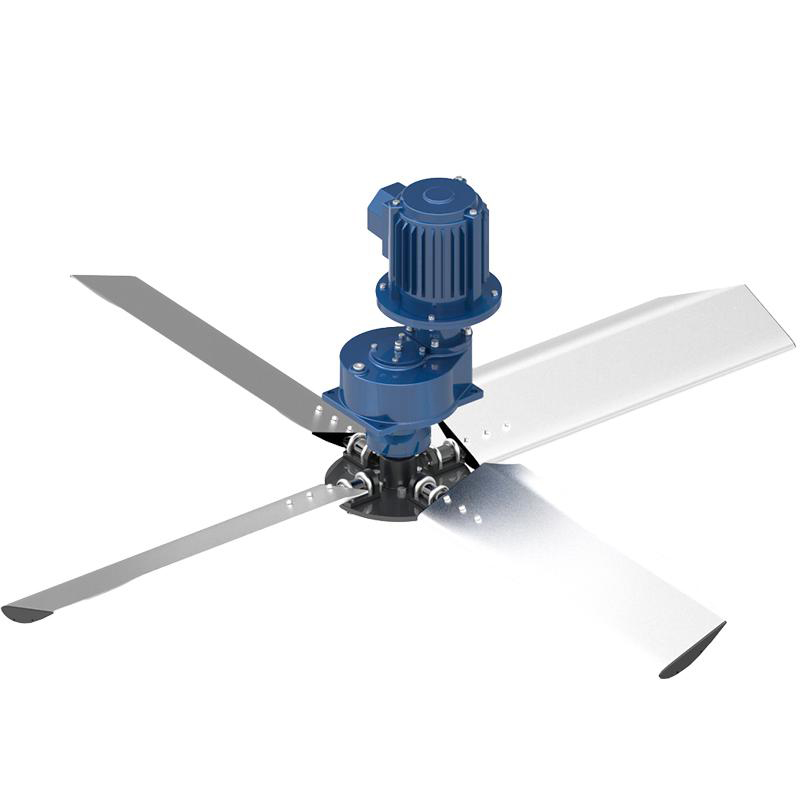
The cooling tower fan hub is a central component of the fan assembly, but its importance goes far beyond simply connecting the blades. It transfers rotational power, supports blade positioning, and contributes to the mechanical stability of the entire fan.
When selecting a replacement, pay close attention to shaft dimensions, blade mounting arrangements, material, operating speed, and compatibility with the original fan design. Regular inspections and correct maintenance procedures can also help identify problems before they develop into more serious equipment failures.
Whether you are maintaining an existing cooling tower or planning a fan assembly replacement, choosing the right hub is an important step toward reliable operation.
For cooling tower fan hubs and related component requirements, contact Power Tower Cooling Technology (Shaoxing) Co.,Ltd. through www.coolingtowerpart.com. Provide your equipment model, dimensions, photographs, and technical drawings where available, so your replacement requirements can be evaluated more accurately.


