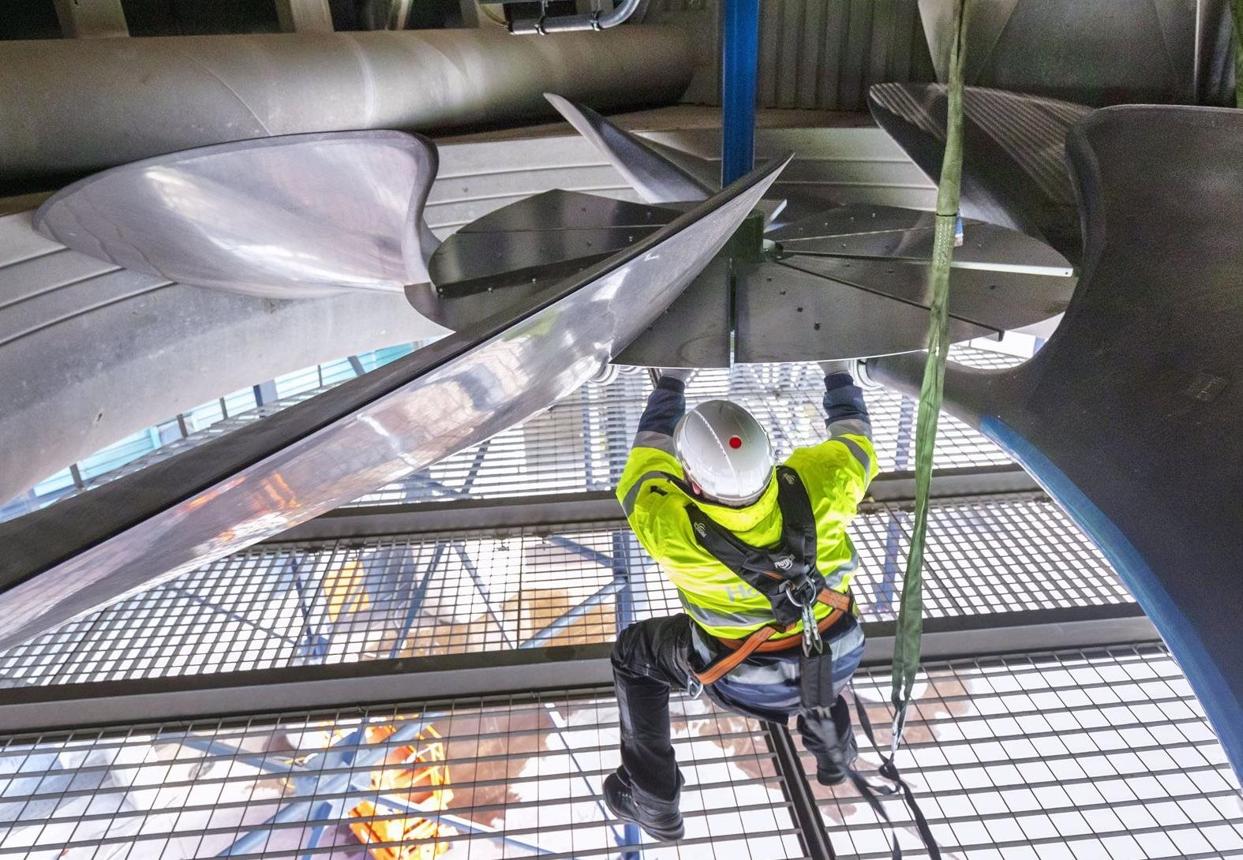
Industrial Cooling Tower Fan Blades Manufacturer and Supplier: Complete Buyer’s Guide
Cooling tower fan blades directly determine airflow, heat rejection efficiency, noise level and long-term reliability of your evaporative cooling system. Whether you are sourcing for new cooling tower construction, scheduled maintenance, emergency spare parts or energy-saving retrofits, picking the right manufacturer or supplier is far more than comparing unit prices. Plant managers, EPC contractors, maintenance teams and cooling tower distributors must evaluate material options, aerodynamic design, drive compatibility, quality testing, engineering support and global delivery terms. This complete buyer’s guide walks you through every critical step to source qualified industrial cooling tower axial fan blades.
1. Define Your Application Requirements First
Before contacting any manufacturer or supplier, clarify your site and equipment parameters to avoid mismatched blades. Collect these core details:
Tower brand and model: Marley, BAC, EVAPCO, Hamon, or local custom cooling towers
Fan diameter, number of blades, fixed pitch or adjustable pitch
Drive system: gearbox brand (Hamon B2NV, Siemens etc.), rated speed, motor power
Operating environment: inland fresh water, coastal salt spray, chemical vapor, chlorine-rich atmosphere
Noise limits: urban sites, data centers and hospitals often require low-noise serrated trailing-edge blades
Project type: OEM new build, direct replacement, performance retrofit or bulk spare stock
Environment is the top priority for material selection. Standard polyester FRP works for normal inland HVAC towers; vinyl ester FRP is required for coastal and chemical plants. Aluminum blades are common for medium-duty clean environments but vulnerable to chloride pitting.
2. Compare Main Blade Materials & Their Tradeoffs
Reputable manufacturers offer three mainstream material options for industrial cooling tower fan blades:
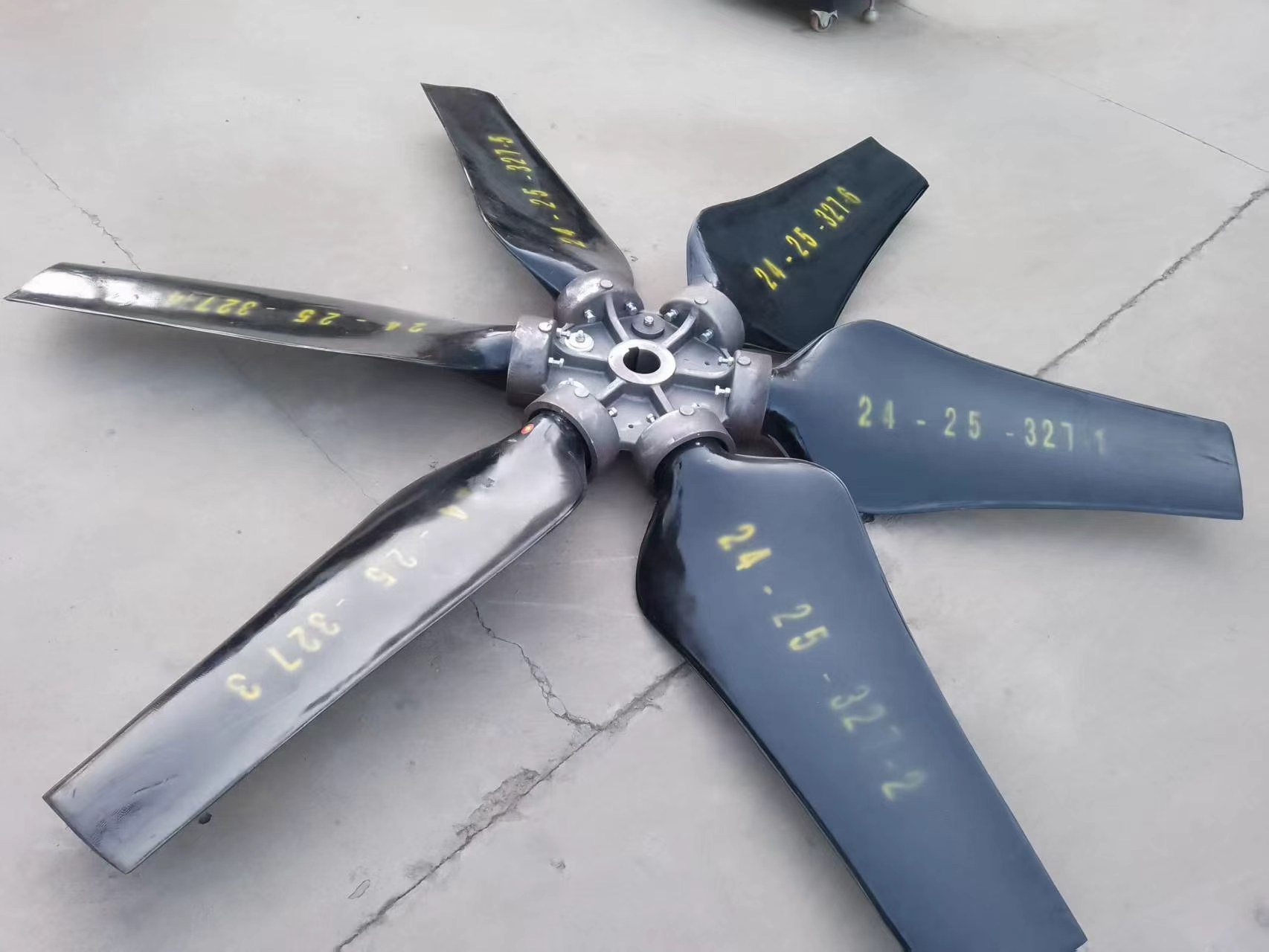
FRP (Fiberglass Reinforced Plastic) The most popular option for heavy-duty industrial towers. Lightweight, corrosion-resistant, low vibration, supports complex twisted airfoils. Available in orthophthalic, isophthalic and vinyl ester resin grades. The main risk is gel coat damage leading to water penetration and delamination without proper maintenance.
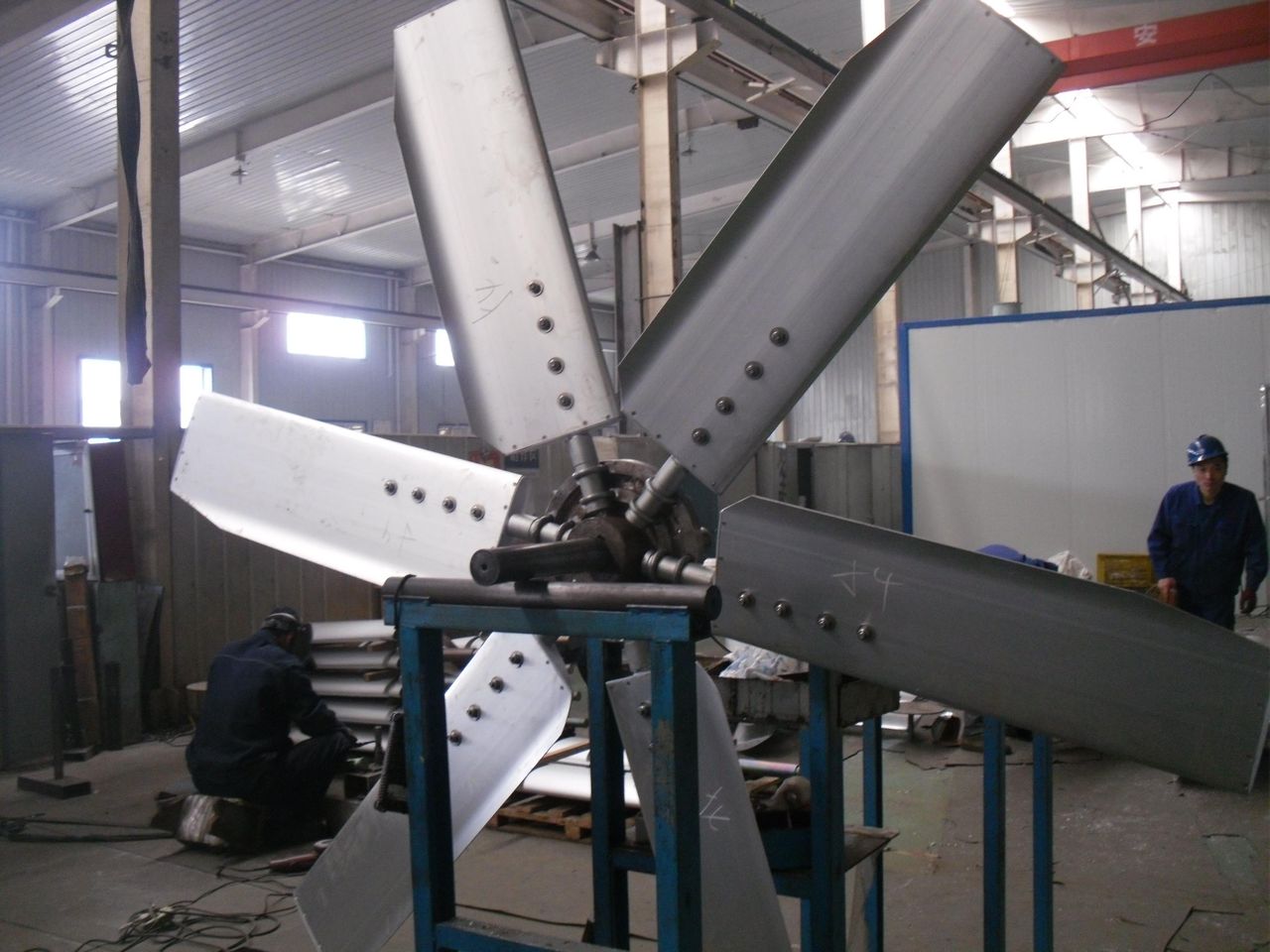
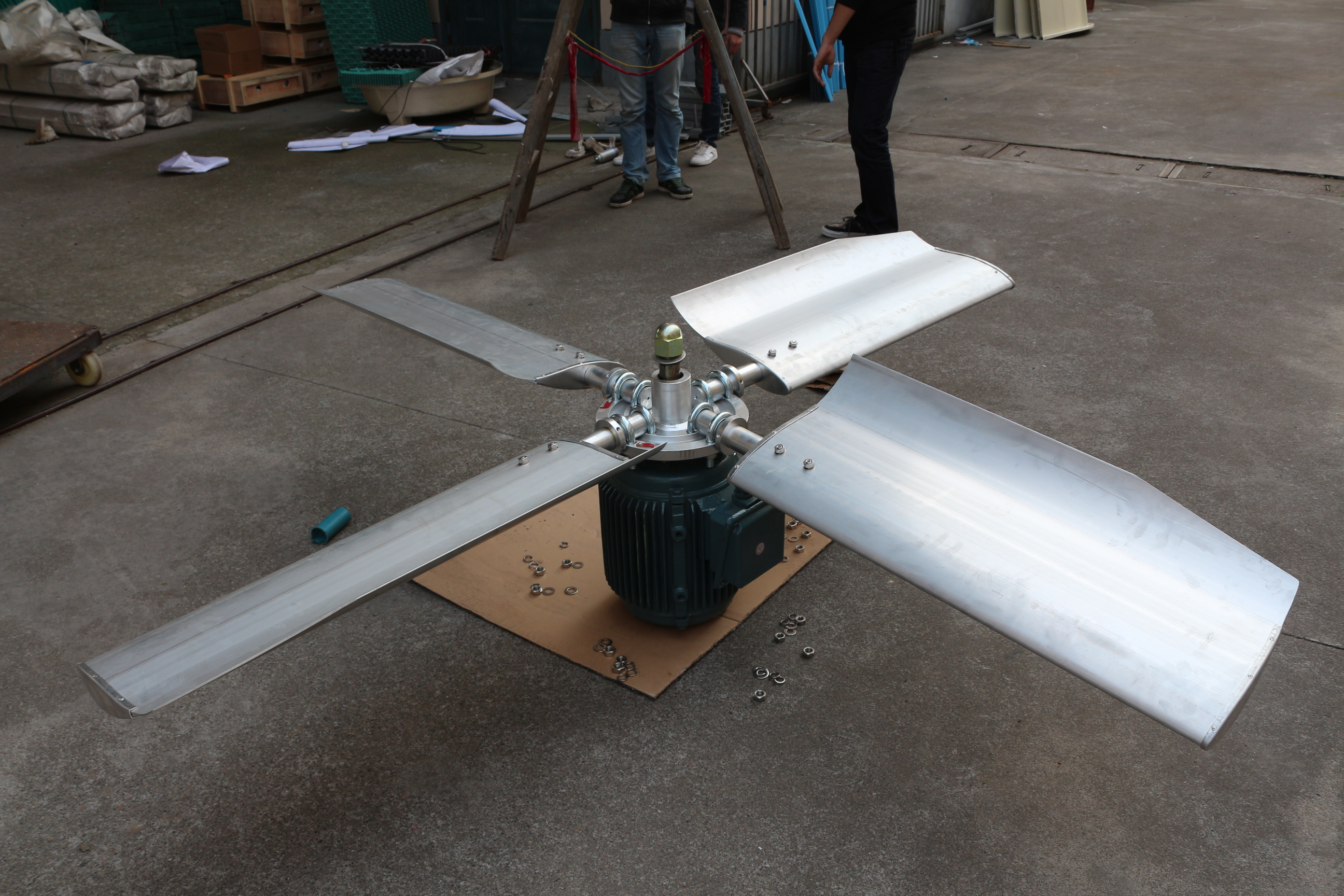
Aluminum Alloy High rigidity, good impact resistance, stable under high tip speed. Lower cost for small and medium towers. Not suitable for coastal or chemical sites; salt and chlorine cause pitting corrosion.
Carbon Fiber Composite Premium high-strength, low-weight option for ultra-large diameter fans. Delivers high efficiency and fatigue resistance, but carries a much higher price tag, mainly used for power station and desalination flagship projects.
3. Understand Manufacturer vs. Supplier Differences
Many buyers confuse manufacturers and suppliers, and this distinction affects quality control and technical accountability.
Manufacturer: Owns molds, aerodynamic design capability, molding or casting workshop, in-house testing lab. They can customize airfoil, resin formula and hub dimensions, and provide calculation reports. Examples include Howden, Hamon, SPX Marley, Cofimco and specialized FRP blade factories.
Supplier / Distributor: May stock OEM genuine blades, third-party aftermarket compatible blades, or source blades from multiple factories. Good suppliers focus on inventory, fast shipping, documentation and local after-sales support. A supplier may not have independent aerodynamic design capacity.
For critical power and chemical retrofits, work directly with manufacturers. For routine replacement spares, trusted aftermarket suppliers with verified compatibility records are a cost-effective choice.
4. Key Technical Specifications to Verify From Your Vendor
Ask the manufacturer or supplier to provide these documents before confirming orders:
Airfoil profile drawing and pitch performance curve
Hub mounting drawing: bolt circle, hole size, keyway or clamping interface
Tip speed limit, blade root load and shaft power calculation sheet
Material certificate: resin type, gel coat UV stabilizer, fiber content
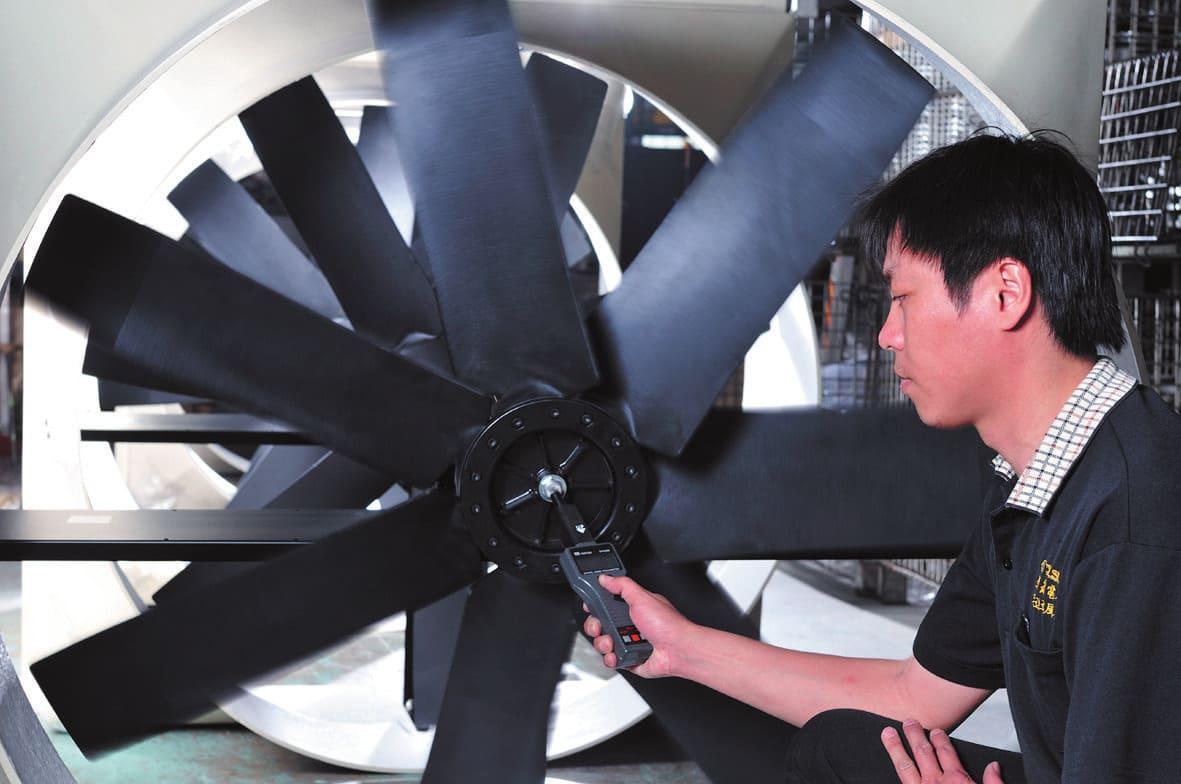
Dynamic balancing certificate, following ISO vibration standards
Fatigue test report and corrosion resistance data matching your site atmosphere
Weight record for each blade in the set
Never accept single loose blades. Qualified vendors sell matched full blade sets. Mixing old and new blades creates aerodynamic imbalance, severe vibration and gearbox overload.
5. Essential Quality Checks & Production Standards
A reliable manufacturer follows strict quality control at every production stage:
FRP blades: Gel coat inspection, laminate thickness check, void detection, post-curing treatment
Aluminum blades: CNC machining, surface anodization or coating, dimensional sorting
Assembly test: All blades in one set are weight-matched before dynamic balancing
Third-party testing: CE, ISO, CTI or local industrial certification for export shipments
Avoid low-cost blades without balancing certificates. Poor balancing will damage bearings, gearboxes and fan stacks within months, resulting in much higher downtime cost than blade savings.
6. Evaluate Engineering & After-Sales Support
The best suppliers do not only ship products; they provide technical support throughout the project lifecycle:
Pre-sales: Help confirm pitch setting, recalculate power and torque if you switch blade material
Installation guidance: Pitch adjustment procedure, tip clearance control, safety warnings
On-site troubleshooting: Vibration diagnosis, imbalance correction, FRP surface repair guidance
Warranty policy: Clear coverage on manufacturing defects, excluding damage from improper installation or over-pitching
For overseas buyers, confirm bilingual technical manuals, inspection photos before shipment and shipping terms (FOB, CIF, DDP) and lead time. Emergency spare parts require local stocking or air freight options.
7. Pricing & Budget Factors
Blade pricing depends on multiple factors:
Material grade: Vinyl ester FRP > isophthalic FRP > aluminum
Diameter and airfoil complexity: Large-diameter twisted blades cost more
Certification and test reports for export
Order quantity: Bulk spare orders enjoy lower unit prices
Customization: Special hub pattern, serrated noise reduction design, custom resin formula add cost
A low upfront price often hides risks: poor resin, unbalanced blades, mismatched aerodynamic curve and short service life. Total cost of ownership should include energy consumption, maintenance frequency and downtime risk.
8. Common Red Flags to Avoid When Sourcing
❌ Suppliers who cannot provide hub drawings, load calculations or balancing certificates
❌ Vendors selling single replacement blades instead of matched sets
❌ Claiming “one blade fits all” without checking your tower’s fan curve and gearbox torque limit
❌ Vinyl ester FRP quoted at standard polyester prices (a frequent quality trap)
❌ No warranty, no technical support after delivery
❌ Manufacturer unable to adjust pitch curve or provide retrofit calculation for existing drive systems
9. Final Sourcing Checklist for Buyers
✅ Confirm tower model, fan diameter, rpm, pitch type and gearbox torque rating
✅ Match resin / material grade to site corrosive conditions
✅ Request aerodynamic, tip speed and root stress calculation reports
✅ Verify hub mounting dimensions and blade weight matching
✅ Check dynamic balancing certificate and material test report
✅ Confirm lead time, shipping terms, warranty and after-sales support
✅ Order full matched blade sets only
Frequently Asked Questions
Q: Should I buy OEM original blades or aftermarket compatible blades?
A: OEM blades guarantee perfect aerodynamic matching. Qualified aftermarket blades with full engineering verification can reduce cost safely, ideal for non-critical towers. For power plant and continuous chemical process towers, OEM or high-grade manufacturer blades are recommended.
Q: Can I replace aluminum blades with FRP blades directly?
A: Not without recalculation. FRP has different density and weight. The manufacturer must recheck centrifugal load, torque and motor power to prevent overload.
Q: What is the typical warranty for industrial cooling tower fan blades?
A: Standard warranty ranges from 12–24 months against manufacturing defects. FRP blades usually have longer service life than aluminum in corrosive environments, but gel coat damage is not covered by most warranties.
Q: What is the difference between static balance and dynamic balance?
A: Static balance only checks weight distribution. Dynamic balance is required for large cooling tower fans, testing blades under rotating conditions to eliminate vibration at operating speed.
Conclusion
Sourcing industrial cooling tower fan blades from the right manufacturer or supplier balances performance, durability, safety and cost. Start by documenting your tower specs and site environment, then select material, verify technical documents and confirm engineering support. Premium manufacturers deliver aerodynamic design, load calculation and factory testing; reliable suppliers offer inventory, fast delivery and global logistics. Whether you are replacing Marley, BAC, EVAPCO or Hamon fan blades, always prioritize compatibility, balancing and corrosion grade over the lowest price to avoid vibration, overload and unexpected production downtime.
Recommended internal links for CoolingTowerPart.com: