Industrial Cooling Tower Fan | FRP Axial Fan Blades for Cooling Tower
Meta Description: High-performance FRP axial cooling tower fan blades, corrosion-resistant, low noise, dynamically balanced. Ideal replacement fan for open, closed, counterflow & crossflow industrial cooling towers.
Introduction
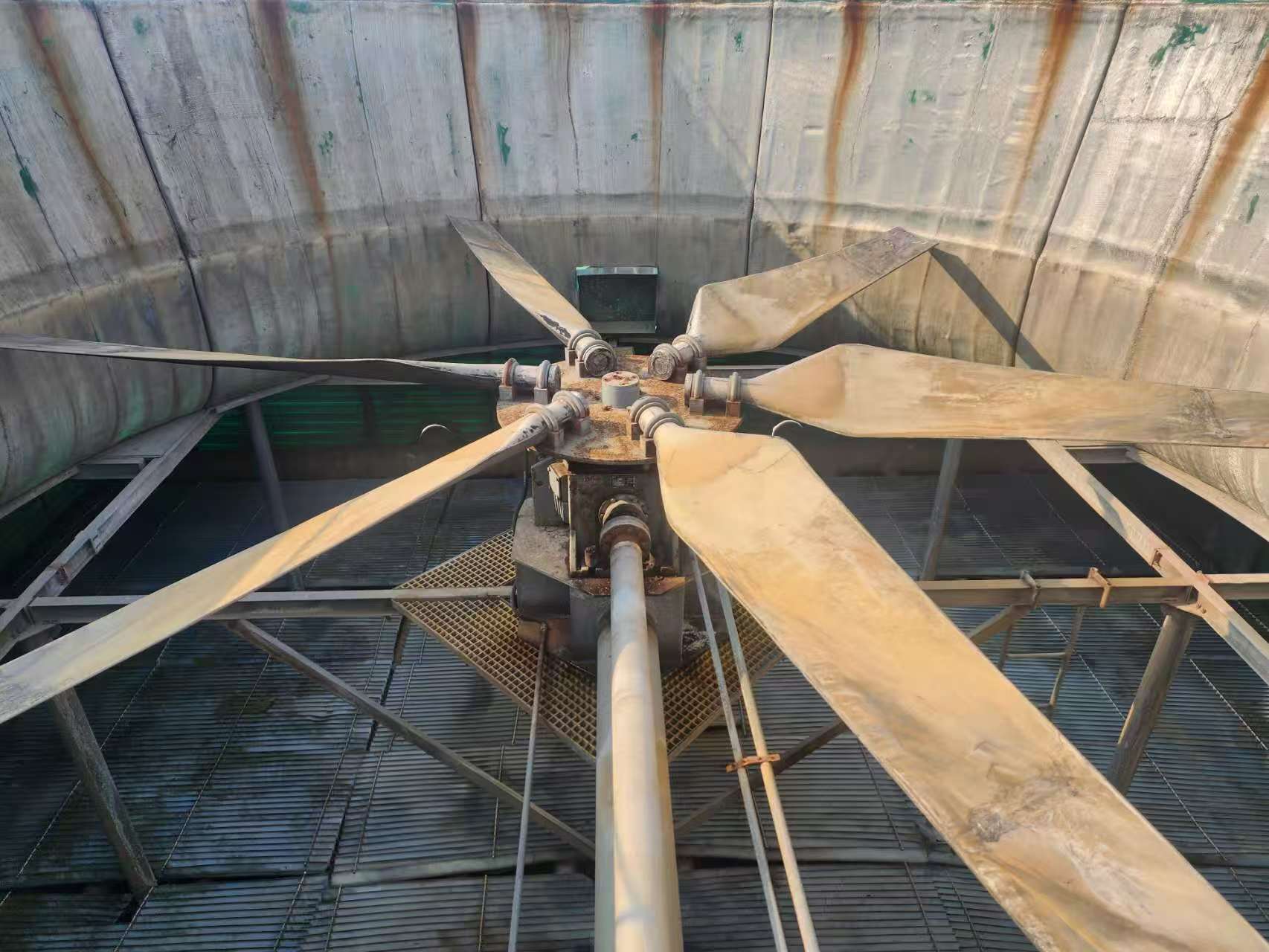
Industrial cooling towers are essential heat-rejection equipment for process manufacturing, power generation, chemical plants, food & beverage factories, data center HVAC systems and metallurgical facilities. Inside every induced-draft or forced-draft cooling tower, the axial fan assembly drives large volumes of ambient air across wet fill media to enable evaporative heat transfer. Among all fan components, the fan blade directly determines airflow volume, energy consumption, noise level and long-term operational stability.
FRP axial fan blades have become the mainstream choice for modern cooling tower retrofits and new builds, gradually replacing traditional aluminum blades in most harsh industrial environments. Molded fiberglass reinforced plastic allows designers to create twisted, optimized airfoil profiles that cannot be easily achieved with extruded metal blades. These composite blades deliver consistent airflow, resist chemical and salt corrosion, and reduce rotating load on hubs, gearboxes and drive motors.
This comprehensive guide covers FRP axial cooling tower fan fundamentals, aerodynamic design principles, material benefits, selection criteria, installation standards, dynamic balancing requirements, troubleshooting and maintenance routines. It serves maintenance supervisors, plant engineers, cooling tower contractors, EPC project buyers and procurement managers who are sourcing reliable industrial cooling tower fan assemblies or replacement FRP fan blades.
What Is an FRP Axial Fan for Industrial Cooling Towers?
An axial fan moves air parallel to the rotation axis of the fan shaft, which perfectly matches the airflow path inside vertical cooling tower stacks. Unlike centrifugal fans built for high static pressure duct systems, axial cooling tower fans prioritize high volumetric airflow at relatively low resistance, the exact working condition required for evaporative cooling towers.
Difference Between Induced Draft and Forced Draft Axial Fan Arrangements
Cooling tower fan layout changes the environmental stress applied to FRP blades and impacts blade specification selection.
Induced Draft FRP Axial Fans
Induced draft fans mount at the top exhaust of counterflow cooling towers. Blades continuously operate inside warm, moisture-saturated exhaust air mixed with treatment chemicals, chlorine vapors and dissolved mineral mist. This is the most common configuration for large industrial cooling towers and the biggest market for FRP replacement fan blades.
Forced Draft FRP Axial Fans
Forced draft fans sit at the air inlet of crossflow cooling towers. Blades ingest cool ambient air but face higher exposure to dust, sand, debris and airborne particulate erosion. Blade leading-edge protection and anti-abrasion coatings are strongly recommended for dusty sites.
Why FRP Is Preferred Over Metal for Cooling Tower Axial Fan Blades
Cooling tower air contains humidity, water treatment chemicals, salt spray and UV radiation — a combination that accelerates rust, fatigue cracking and surface degradation on aluminum and steel fan blades. FRP composite material solves most of these environmental weaknesses while retaining sufficient structural rigidity for continuous rotation.
Core Advantages of FRP Axial Fan Blades for Cooling Towers
FRP axial fan blades deliver multi-year operational savings when compared to conventional metal alternatives. The benefits span corrosion resistance, aerodynamic performance, noise control and drive-train protection.
Outstanding Corrosion and Chemical Resistance
Resistance to Salt, Chlorine and Mild Acidic Vapors
Standard polyester and vinyl ester FRP resin formulations withstand coastal salt fog, circulating water chlorine, sulfate compounds and many common industrial chemical fumes. Unlike aluminum, FRP will not develop pitting corrosion or electrochemical oxidation when exposed to moist treated air.
UV Stabilized Surface Protection
High-quality FRP blades add UV inhibitors into the resin matrix or topcoat. This prevents resin chalking, fiber exposure and surface degradation for towers installed outdoors under direct sunlight.
Lightweight, High Strength-to-Weight Ratio
FRP blades weigh significantly less than equivalent-size aluminum blades. Lower rotating mass reduces startup torque and cyclic load transmitted to the hub, gear reducer, bearings and motor. Less mechanical stress directly extends the service life of the entire fan drive assembly and cuts the risk of catastrophic fatigue failure.
Optimized Aerodynamic Airfoil Profile for Energy Saving
FRP molding technology supports complex twisted, variable-chord blade geometry. Engineers can tune the twist angle along the blade span to equalize lift distribution, reduce turbulence and vortex shedding at the blade tip. Upgrading old flat-profile metal blades with modern FRP axial blades commonly reduces fan power draw by 15%–30% while maintaining the same required airflow and cooling capacity.
Low Noise and Stable Vibration Performance
Aerodynamically refined FRP blade shapes break up turbulent airflow vortices, the primary source of tonal fan noise. When combined with factory dynamic balancing, FRP axial fans run smoothly and meet strict site noise limits for urban factories, residential-adjacent plants and data center cooling systems.
Long Fatigue Life Under Continuous Cyclic Operation
Cooling tower fans run thousands of hours annually, with blades repeatedly bending under centrifugal and aerodynamic loads. Metal blades develop fatigue cracks starting at bolt holes and blade roots after long-term cycling. Properly manufactured FRP composite blades distribute stress across fiber layers, resisting fatigue cracking far better in continuous-duty cooling tower applications.
Key Technical Specifications to Verify When Ordering FRP Axial Cooling Tower Fan
Compatibility is the top risk when purchasing replacement industrial cooling tower fans. Visually similar blades may fail to fit the hub, overload the motor or deliver insufficient airflow. Collect and confirm all parameters before sending an inquiry.
Dimensional and Mounting Parameters
Sweep diameter of the fan assembly
Number of blades per set: 3, 4, 5, 6 or 8-blade configurations
Hub bolt circle diameter, bolt quantity and hole layout
Blade root design and mounting interface
Rotation direction, viewed from the air outlet side (clockwise or counter-clockwise)
Adjustable or fixed blade pitch angle
Performance and Operating Data
Design operating RPM, target airflow volume, motor rated power and allowable noise decibel level are essential. Blade pitch angle is critical: increasing pitch boosts airflow but raises power consumption, and incorrect pitch can trip motor overload protection or burn out the drive motor.
Site Environmental Conditions
Inform your supplier whether the cooling tower operates inland, on the coastline, near chemical discharge, in high-dust zones or cold winter freeze zones. This information guides resin selection, surface coating and leading-edge erosion protection.
OEM Compatibility Check
Our FRP axial cooling tower fan blades support direct replacement for most mainstream cooling tower brands including BAC, Evapco, Marley and many domestic custom tower models. Provide tower model photos, hub photos or original technical drawings so our engineering team can cross-verify fitment without on-site modification.
Manufacturing and Quality Control Process for FRP Axial Fan Blades
Consistent quality control directly determines balance accuracy and service life. Reliable FRP cooling tower fan manufacturers follow standardized composite molding and testing workflows.
Raw Material Selection and Molded Production
High-grade fiberglass roving and woven mat are saturated with selected resin (general polyester, flame-retardant polyester or vinyl ester for aggressive chemical service). Blades are molded as one-piece components to eliminate welds, rivets and bonded joints — common failure points on metal fan blades.
Surface Finishing and Protective Coating
After demolding and curing, blades are sanded and inspected for voids, air bubbles, resin shortages or fiber exposure. A topcoat with UV stabilizer seals the composite surface against moisture penetration and outdoor weathering. Optional erosion-resistant leading-edge treatment is available for dusty environments.
Dynamic Balancing Testing Before Shipment
Every complete FRP fan blade set undergoes professional dynamic balance testing per ISO 1940 standards. Balancing corrects weight unevenness across the rotating assembly, which eliminates destructive vibration. Factory-balanced fan sets minimize on-site commissioning work and reduce field balancing costs for maintenance crewsJitramitra....
Final Visual and Dimension Inspection
Before packing, each blade set is rechecked for profile consistency, pitch marking accuracy and dimensional tolerance. Inspection reports can be supplied for EPC project documentation and site quality acceptance.
Installation, Commissioning and Safety Guidelines for FRP Axial Cooling Tower Fan
Even premium FRP axial fan blades will develop early failure if installed incorrectly. Cooling tower fan replacement counts as high-altitude rotating equipment work and must follow industrial safety protocols.
Pre-Installation Checklist
Inspect Existing Drive Components
Examine the hub for corrosion, flange deformation, damaged threads or cracking. Inspect gearbox oil level, bearing noise and shaft runout. A worn gearbox or bent shaft will create vibration even with brand-new perfectly balanced FRP blades.
Prepare New Fasteners
Replace old bolts, lock washers and locking hardware instead of reusing rusted, stretched fasteners. Confirm all blades in one set are set to identical pitch angle according to factory markings.
Assembly and Startup Commissioning Steps
Mount blades evenly around the hub following supplier torque specifications. After assembly, manually rotate the fan to confirm no blade touches fill, drift eliminators, guards or tower structural components. Complete a supervised low-speed test run, then record vibration, current draw and noise data at full operating speed. If vibration remains high after installation, perform on-site trim balancing.
Mandatory LOTO Safety Procedure
Lockout-tagout electrical isolation must be applied before entering the fan stack or handling blades. Accidental startup during installation or inspection is a severe safety hazard. Only trained, certified technicians should perform fan blade replacement work.
Routine Maintenance and Inspection Schedule for FRP Axial Cooling Tower Fan
FRP blades are low-maintenance but not maintenance-free. Regular inspection detects degradation early and avoids unplanned production shutdowns.
Monthly Visual Inspection
Check blade surfaces for cracks, delamination, chipped leading edges, resin bubbling, dust buildup and loose hub bolts. Clean accumulated mineral deposits and biological slime from blade surfaces; heavy fouling changes blade aerodynamics and creates imbalance.
Quarterly Monitoring
Log fan vibration levels, operating noise and motor current. A gradual rise in vibration or noise is usually the first warning sign of blade damage, pitch shift or drive-train wear.
Annual Major Inspection During Tower Shutdown
Disassemble fan guards for full examination of blade roots, hub connections and balance condition. Clean fan stack and inspect for recirculation issues. Retorque all fasteners and verify pitch angles.
Common Early Warning Signs That Require Blade Replacement
Visible delamination, deep cracks, fiber exposure, permanent twisting, severe leading-edge erosion or repeated imbalance after cleaning all indicate the blade set should be replaced immediately.
FRP Axial Fan Blades vs Aluminum Cooling Tower Fan Blades
Many buyers compare FRP and aluminum when selecting industrial cooling tower fan blades. The table below summarizes performance tradeoffs for quick decision-making.
Corrosion Performance
FRP: Excellent; suitable for coastal, chemical, wastewater and chlorinated water cooling towers.
Aluminum: Moderate; vulnerable to salt and chlorine corrosion, best reserved for dry inland low-chemical sites.
Aerodynamic Flexibility
FRP: Highly flexible; supports twisted, variable-chord high-efficiency airfoils.
Aluminum: Limited; most aluminum blades use simple extruded profiles with lower aerodynamic efficiency.
Weight and Drive Load
FRP: Lightweight, reduces stress on gearbox and motor.
Aluminum: Heavier, increases rotating inertia and cyclic loading.
Service Life Expectancy
FRP: 12–20 years with proper maintenance, depending on environment.
Aluminum: 6–10 years, limited by corrosion and metal fatigue.
FAQ About FRP Axial Cooling Tower Fan Blades
Can I replace only one damaged FRP blade instead of the whole set?
We generally recommend replacing the full set. Old blades have different surface roughness, weight distribution and aging characteristics. Mixing new and old blades creates persistent imbalance that damages the gearbox and motor. In rare cases with factory-matched interchangeable blade batches, single replacement may be possible after rebalancing.
Are FRP axial cooling tower fan blades fire retardant?
Standard FRP blades use ordinary polyester resin. For facilities handling flammable materials or subject to strict fire codes, we manufacture blades with flame-retardant resin systems that meet required fire safety standards.
What diameter sizes are available for FRP axial cooling tower fans?
We supply standard and custom FRP axial fan blades for small HVAC cooling towers up to large-diameter fans for heavy industrial process cooling towers. Custom pitch, custom resin and special hub interfaces are supported for non-standard tower skids.
What is the lead time for FRP axial cooling tower fan blade orders?
Common standard diameters are stocked for fast shipment. Custom-molded blades, special vinyl ester resin formulations or non-standard hub connections normally require 15–25 working days after drawing confirmation.
Get a Quote for Your Industrial Cooling Tower FRP Axial Fan Blades
If you need a new FRP axial cooling tower fan assembly or replacement fan blades for your cooling system, send us your cooling tower model, fan diameter, blade quantity, preferred resin grade, operating RPM, hub photos and site environment details.
Our engineering team will verify compatibility, calculate performance parameters and provide a detailed quotation with specifications, packing plan and delivery timeline. We support bulk orders for cooling tower maintenance contractors, EPC companies and cooling tower OEM manufacturers. Multiple cooling tower spare parts including hubs, gearboxes and spray nozzles can be consolidated in one shipment to reduce ocean freight cost for overseas industrial projects.
Whether you need an urgent replacement fan for a failed tower or an efficiency upgrade project for your aging cooling infrastructure, our dynamically balanced, corrosion-resistant FRP axial fan blades deliver reliable airflow and long service life for industrial cooling towers.


