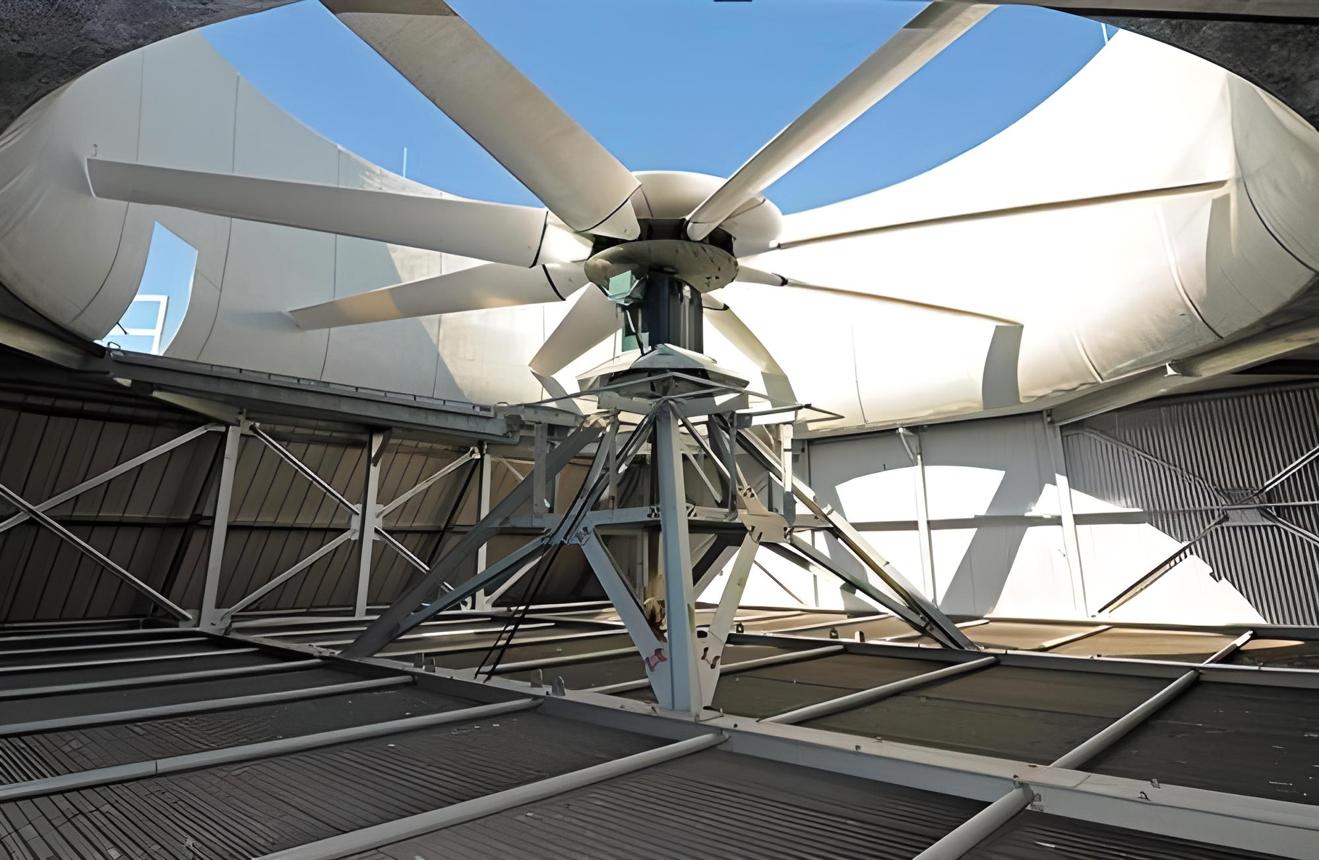
Choosing a reliable fiberglass cooling tower fan stack manufacturer and supplier is essential for industrial cooling tower projects, equipment replacement, and system upgrades. A fiberglass-reinforced plastic (FRP) fan stack directs exhaust airflow through the cooling tower while providing corrosion resistance, lightweight construction, and flexible design options.
Compared with conventional metal structures, fiberglass cooling tower fan stacks can reduce corrosion-related maintenance and simplify installation in demanding industrial environments. However, product quality depends on material selection, structural design, manufacturing processes, and dimensional accuracy.
This guide explains how to evaluate FRP fan stack manufacturers, compare suppliers, select the right product, and source customized or replacement fan stacks for industrial applications.
1. What Is a Fiberglass Cooling Tower Fan Stack?
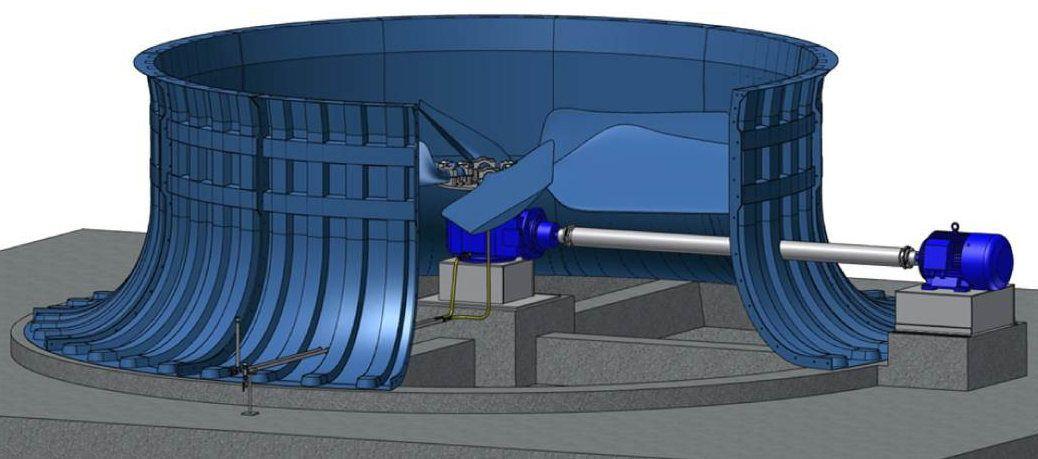
A fiberglass cooling tower fan stack is a cylindrical or tapered enclosure installed around the cooling tower fan. It guides discharged air upward and helps establish a defined airflow passage.
Most FRP fan stacks combine glass-fiber reinforcement with a resin matrix, commonly polyester or vinyl ester. The appropriate resin depends on operating temperature, chemical exposure, and environmental conditions.
Fiberglass fan stacks are commonly used in induced-draft cooling towers, where the fan draws air through the tower and discharges warm, moisture-laden air through the upper stack.
A properly designed fan stack must match the cooling tower's airflow requirements, fan dimensions, mounting arrangement, and structural conditions.
2. Benefits of Buying from an Experienced FRP Fan Stack Manufacturer
Corrosion-Resistant Materials
Cooling towers operate in humid environments and may be exposed to water treatment chemicals, salt-laden air, and industrial contaminants. A suitable FRP laminate can resist many forms of corrosion that affect conventional steel.
Buyers should confirm that the selected resin and surface protection are appropriate for the actual operating environment.
Lightweight Construction
Fiberglass is generally lighter than comparable steel structures. This can simplify transportation, lifting, handling, and installation while reducing the load placed on supporting structures.
Customized Dimensions
A professional manufacturer may offer customized diameters, heights, profiles, flange designs, reinforcement, and mounting details. Custom manufacturing is particularly useful for cooling tower retrofits and replacement projects.
Reduced Corrosion-Related Maintenance
FRP does not rust like unprotected steel. Although routine inspections remain necessary, fiberglass can reduce the need for corrosion-related repainting and coating repairs.
Consistent Manufacturing Quality
Experienced manufacturers should maintain dimensional controls and quality checks for laminate construction, surface finish, flange accuracy, and structural requirements. Buyers should request relevant quality documentation before placing an order.
3. Products Offered by Fiberglass Cooling Tower Fan Stack Suppliers
Depending on their capabilities, manufacturers and suppliers may provide several product options.
| Product Type | Typical Application |
| Standard FRP fan stack | New cooling tower installations |
| Customized fiberglass fan stack | Projects with special dimensions or mounting requirements |
| Replacement fan stack | Damaged or aging cooling tower equipment |
| Retrofit FRP fan stack | Cooling tower upgrades and refurbishment |
| FRP fan stack sections | Projects requiring sectional transport or installation |
| Fan stack with reinforced flanges | Installations requiring specific mounting and structural support |
Availability varies by supplier. Confirm dimensions, construction method, and engineering requirements before selecting a product.
4. Materials and Manufacturing Processes
Material quality directly affects the service life and structural performance of a fiberglass fan stack.
Fiberglass Reinforcement
Glass fibers provide strength and stiffness. The reinforcement arrangement and laminate thickness should be designed for the expected loads and operating conditions.
Resin Selection
Polyester resin is commonly used for general-purpose FRP products. Vinyl ester may be appropriate where greater chemical resistance is required. The final choice should reflect the actual chemical environment and temperature.
Surface Protection
A suitable gelcoat or protective surface layer can help resist moisture, UV exposure, and weathering. Outdoor installations should use a surface system designed for the expected exposure.
Manufacturing Methods
Depending on the design and production volume, manufacturing may use hand lay-up, spray-up, or other suitable FRP molding processes. Buyers should focus on whether the manufacturer can consistently meet the required dimensions, laminate specifications, and structural performance.
5. How to Choose a Reliable Fiberglass Fan Stack Manufacturer
Selecting a manufacturer requires more than comparing quoted prices.
Evaluate Manufacturing Capability
Ask whether the company manufactures FRP fan stacks in-house or sources them from another factory. Confirm its capabilities for custom tooling, dimensional control, reinforcement design, and production inspection.
Check Technical Support
A reliable supplier should be able to review cooling tower drawings, fan dimensions, mounting details, and environmental conditions. Technical support is especially important for replacement projects where dimensional errors can delay installation.
Request Product Documentation
Depending on project requirements, request:
Technical drawings and dimensional specifications.
Material and resin information.
Laminate thickness and reinforcement details.
Inspection and quality-control records.
Installation and handling instructions.
Warranty terms and applicable compliance documents.
Avoid assuming that a product meets a particular certification or standard unless the supplier provides supporting documentation.
Review Experience and References
Ask about previous industrial cooling tower projects, customized products, export experience, and similar replacement applications. References and project records can help verify the supplier's practical experience.
Compare Total Cost
The lowest purchase price does not necessarily represent the best value. Consider product quality, packaging, shipping, installation requirements, lead time, warranty, and expected maintenance costs.
6. OEM and Aftermarket Fiberglass Fan Stack Replacement
Industrial buyers may need a replacement fan stack because of cracking, weathering, structural damage, or cooling tower refurbishment.
An OEM-supplied component may be available for the original equipment model. An aftermarket manufacturer may offer a compatible replacement based on drawings, measurements, and operating requirements.
Before ordering an aftermarket FRP fan stack, verify:
Overall height and diameter.
Fan diameter and blade clearance.
Mounting flange dimensions and bolt-hole pattern.
Support arrangement and structural requirements.
Operating temperature and environmental exposure.
Any applicable airflow or performance requirements.
Do not assume that a visually similar fan stack is a direct replacement. Confirm dimensional and engineering compatibility before production.
7. Industries That Use Fiberglass Cooling Tower Fan Stacks
FRP fan stacks are used in cooling systems across multiple industries.
Power generation: Cooling systems supporting heat rejection in power plants.
Chemical and petrochemical processing: Facilities requiring corrosion-resistant cooling tower components.
HVAC and commercial buildings: Cooling towers serving hospitals, hotels, offices, and large facilities.
Manufacturing: Steel, paper, textile, and other industrial production facilities.
Water treatment: Suitable industrial cooling applications where moisture and environmental exposure are concerns.
The appropriate material system and structural design depend on each site's operating conditions.
8. Questions to Ask Before Ordering
Before requesting a quotation from a fiberglass cooling tower fan stack supplier, prepare the following information:
| Information | Why It Matters |
| Cooling tower model | Helps identify the existing configuration |
| Fan diameter and specifications | Confirms compatibility and clearance |
| Stack height and diameter | Establishes the required dimensions |
| Flange and bolt-hole details | Helps ensure correct installation |
| Operating environment | Guides resin and surface protection selection |
| Required quantity | Supports production and pricing estimates |
| Delivery destination | Helps determine packaging and shipping costs |
| Drawings or photographs | Reduces uncertainty during quotation |
Providing complete technical information helps manufacturers prepare more accurate quotations and reduces the risk of ordering an incompatible component.
9. Installation and Maintenance Considerations
Correct installation is essential for safe and reliable operation.
Inspect the support structure and mounting surfaces before installation.
Confirm stack dimensions, flange alignment, and fan clearance.
Use suitable fasteners and follow the manufacturer's installation instructions.
Check all connections before starting the cooling tower.
Inspect periodically for cracking, delamination, UV deterioration, loose fasteners, and structural movement.
Investigate abnormal vibration and correct its underlying cause.
Always isolate rotating equipment and follow site lockout/tagout procedures before maintenance.
Frequently Asked Questions
How do I find a reliable fiberglass cooling tower fan stack manufacturer?
Evaluate manufacturing capabilities, technical support, material specifications, quality-control procedures, project experience, and warranty terms. Request drawings and documentation relevant to your application.
Can a manufacturer produce a customized FRP fan stack?
Yes. Many manufacturers can customize stack height, diameter, profile, flange configuration, and reinforcement according to project drawings and engineering requirements.
What information is needed for a quotation?
Provide the cooling tower model, fan dimensions, stack measurements, mounting details, operating environment, quantity, and delivery destination. Drawings and photographs are also helpful.
Is fiberglass better than steel for a cooling tower fan stack?
Fiberglass offers low weight and strong corrosion resistance with an appropriate resin system. Steel may suit other structural or operating requirements. Compare the materials based on the project environment and total lifecycle cost.
Can an aftermarket supplier provide a replacement fan stack?
Yes, provided the supplier can verify dimensional, structural, and operational compatibility. Confirm the proposed design before manufacturing.
Conclusion
A reliable fiberglass cooling tower fan stack manufacturer and supplier can help industrial buyers source durable FRP components for new installations, replacement projects, and cooling tower retrofits.
When comparing suppliers, prioritize material suitability, dimensional accuracy, structural design, manufacturing quality, and technical support rather than price alone. Providing complete project specifications and confirming compatibility before production can reduce installation risks and support long-term cooling tower reliability.
For customized or replacement FRP fan stacks, request a technical review and detailed quotation based on your cooling tower model, fan specifications, mounting dimensions, and operating environment.
Recommended internal links for CoolingTowerPart.com:


