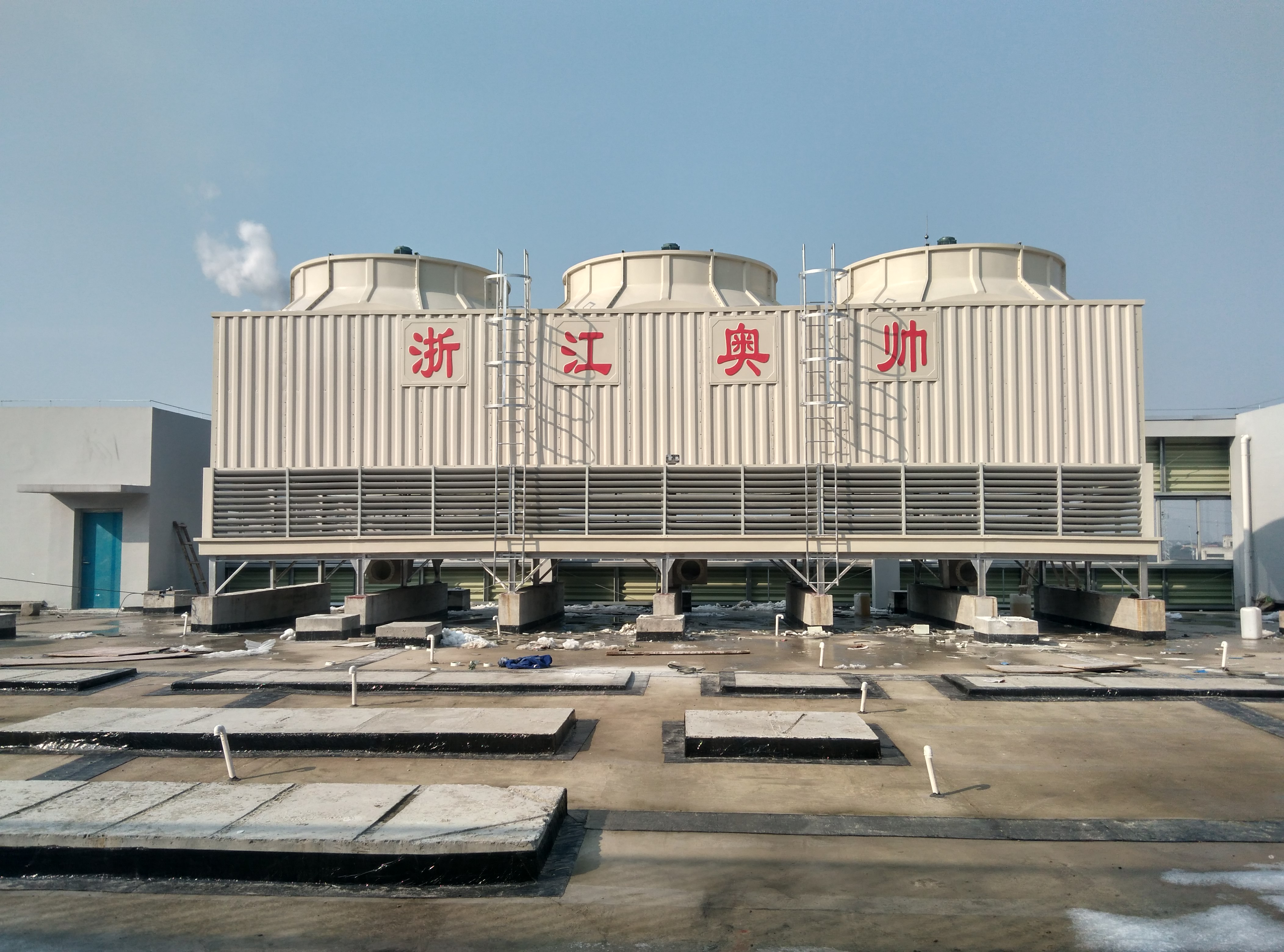
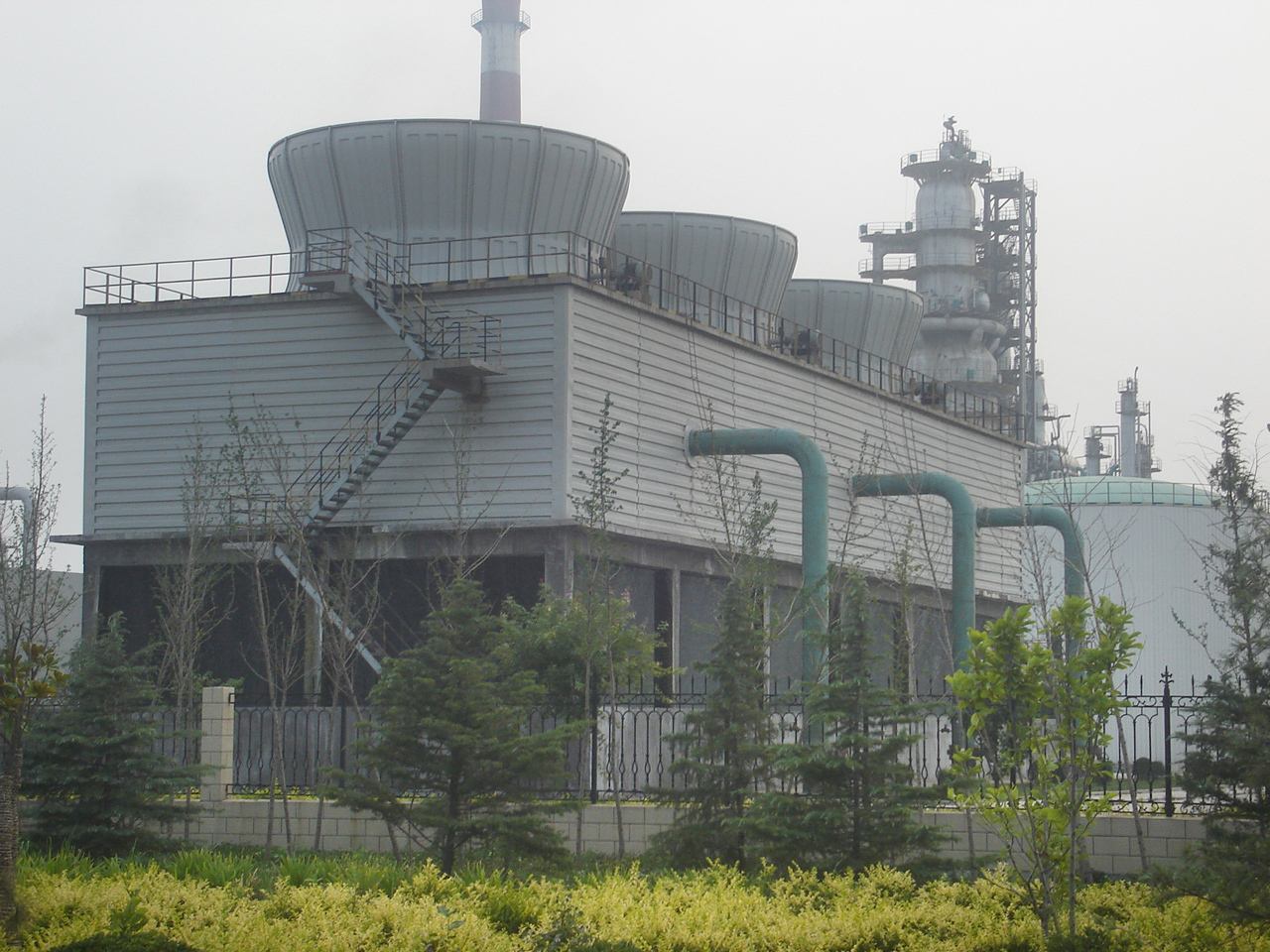
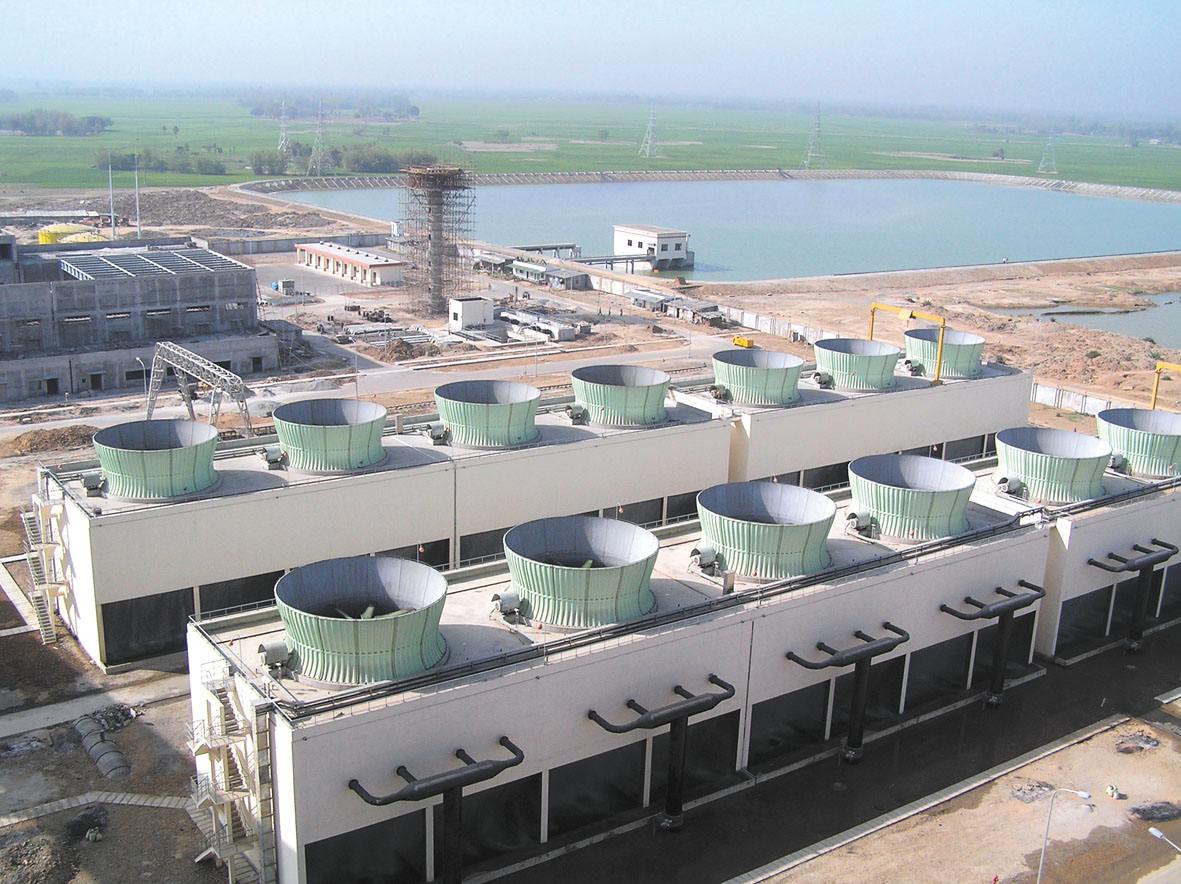
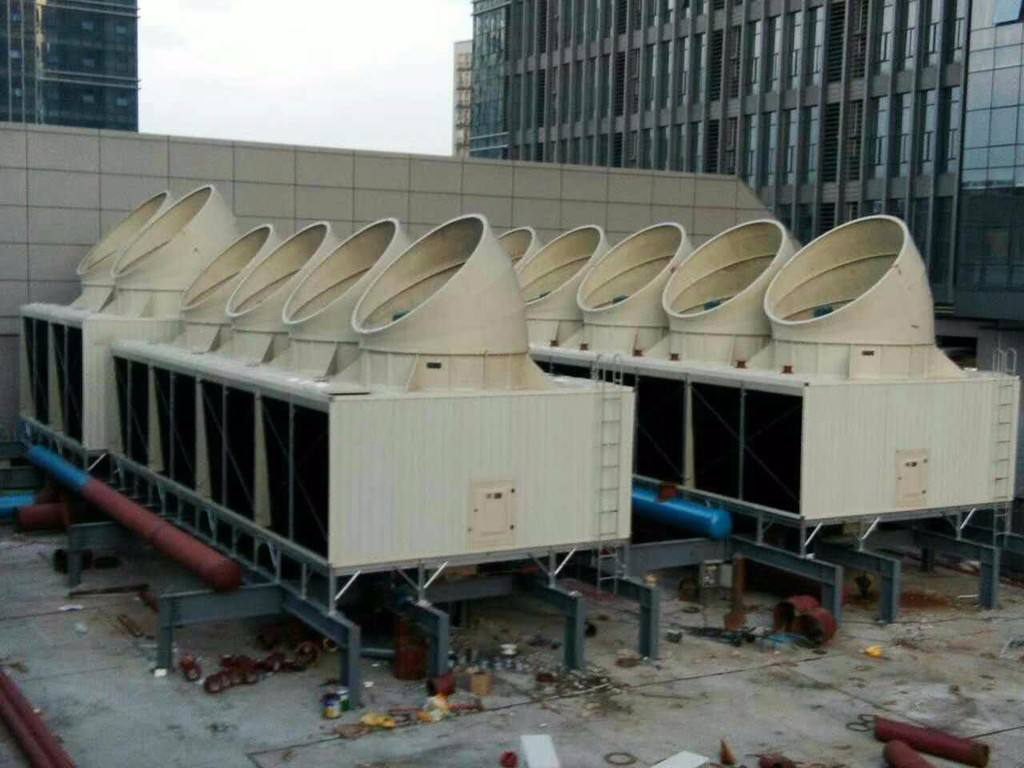
Cooling tower fan stacks operate in demanding industrial environments characterized by high humidity, continuous water exposure, temperature changes, and airborne chemicals. Over time, these conditions can cause corrosion, material deterioration, and structural damage, affecting cooling tower reliability and maintenance costs.
A fiberglass cooling tower fan stack, also known as an FRP cooling tower fan stack, is an effective alternative to traditional steel structures. Manufactured from fiberglass reinforcement and resin, FRP fan stacks offer excellent corrosion resistance, lightweight construction, and long-term durability.
Understanding the corrosion resistance and service life of fiberglass fan stacks helps industrial buyers select suitable materials, reduce maintenance expenses, and improve cooling tower operating reliability.
1. Why Corrosion Resistance Matters for Cooling Tower Fan Stacks
Cooling tower fan stacks are continuously exposed to moisture and outdoor environmental conditions.
Common factors that contribute to material deterioration include:
High humidity and water vapor.
Chemical exposure from industrial processes.
Chlorides and salt spray in coastal environments.
UV radiation from sunlight.
Temperature fluctuations.
Airborne dust and industrial pollutants.
Traditional carbon steel fan stacks may develop rust when protective coatings deteriorate. Corrosion can gradually reduce wall thickness, weaken connections, and increase maintenance requirements.
For industrial cooling towers, corrosion-resistant materials help maintain structural integrity and reduce unexpected repair costs.
2. Why Fiberglass Cooling Tower Fan Stacks Resist Corrosion
FRP combines fiberglass reinforcement with a polymer resin matrix. Unlike carbon steel, fiberglass does not undergo conventional iron oxidation or rust formation.
Several material characteristics contribute to its corrosion resistance.
2.1 Non-Metallic Construction
The most important advantage of FRP is that it is non-metallic.
It does not develop red rust like carbon steel when exposed to water and humid air. This makes fiberglass fan stacks suitable for cooling towers operating in wet and corrosive environments.
2.2 Chemical-Resistant Resin Systems
The resin matrix protects the fiberglass reinforcement and contributes to chemical resistance.
Common resin options include:
| Resin Type | Main Characteristics | Typical Applications |
| Polyester | Economical and suitable for general environments | Standard industrial cooling towers |
| Vinyl ester | Improved chemical and corrosion resistance | Chemical and petrochemical plants |
| Epoxy | Strong mechanical and bonding properties | Specialized industrial applications |
The correct resin should be selected according to chemical concentration, operating temperature, exposure time, and environmental conditions.
2.3 Moisture Resistance
Cooling tower fan stacks are exposed to continuous humid airflow and occasional water splashing.
Properly manufactured FRP structures provide good moisture resistance and do not suffer from the same water-induced rust problems as unprotected steel.
2.4 Resistance to Coastal Environments
Coastal industrial facilities often experience salt-laden air that accelerates the corrosion of conventional metal structures.
FRP fan stacks can provide a significant advantage because they do not rust like carbon steel. However, resin selection, surface protection, and connection hardware must still be considered for marine environments.
3. Factors Affecting the Service Life of FRP Cooling Tower Fan Stacks
Although fiberglass fan stacks offer excellent durability, their actual service life depends on several factors.
3.1 Fiberglass Reinforcement Quality
Fiberglass reinforcement provides the structural strength of the fan stack.
The fiber type, layer arrangement, fiber content, and manufacturing quality influence mechanical performance.
Insufficient reinforcement may lead to cracking, deformation, or reduced resistance to wind and vibration loads.
3.2 Resin Quality
Resin protects the reinforcement and determines many of the material's chemical and environmental resistance properties.
Using an unsuitable resin can result in surface degradation, chemical attack, or loss of mechanical properties.
For demanding environments, buyers should confirm resin specifications with the manufacturer.
3.3 UV Radiation and Weather Exposure
Outdoor cooling tower fan stacks are exposed to direct sunlight.
Long-term UV exposure can cause surface fading, chalking, and resin degradation.
To improve outdoor durability, manufacturers may use:
UV-resistant gelcoat.
Protective surface coatings.
Suitable weather-resistant resin systems.
Properly designed exterior finishes.
3.4 Operating Temperature
FRP materials have temperature limitations that depend on the resin system.
Continuous operation above the recommended temperature may accelerate resin aging and reduce mechanical strength.
The selected material should match the cooling tower's actual operating temperature.
3.5 Structural Loading and Vibration
Fan stacks must withstand wind pressure, fan-induced vibration, and mechanical loads.
Poor structural design or incorrect installation can create stress concentrations around flanges and connection points.
Proper wall thickness, reinforcement ribs, and mounting design help maintain long-term structural stability.
4. Common Corrosion and Aging Problems
FRP does not rust like steel, but it can still deteriorate under unsuitable operating conditions.
| Potential Problem | Possible Cause | Recommended Solution |
| Surface chalking | UV exposure | Apply suitable UV-resistant protection |
| Surface cracking | Aging or excessive stress | Inspect and repair according to FRP procedures |
| Delamination | Poor bonding or material degradation | Evaluate and repair damaged layers |
| Fiber exposure | Surface coating damage | Restore the protective surface |
| Flange cracking | Excessive bolt stress or vibration | Inspect connections and reinforce if required |
| Deformation | Excessive loading or insufficient stiffness | Evaluate structural design |
Regular inspections help identify these problems before they develop into major structural failures.
5. FRP Fan Stack vs. Steel Fan Stack: Service Life Comparison
When evaluating cooling tower fan stack materials, industrial buyers should consider the entire operating lifecycle rather than initial purchase price alone.
| Comparison | FRP Fan Stack | Carbon Steel Fan Stack |
| Rust resistance | Does not rust like carbon steel | Susceptible to rust |
| Chemical resistance | Depends on resin selection | Depends on steel grade and coating |
| Moisture resistance | Generally excellent | Requires corrosion protection |
| UV resistance | Requires suitable protection | Coating condition affects durability |
| Maintenance | Relatively low | Requires coating and rust inspections |
| Structural weight | Lightweight | Generally heavier |
| Lifecycle cost | Can be favorable in corrosive environments | May increase with corrosion maintenance |
FRP can provide lower maintenance requirements in corrosive environments, although actual lifecycle costs depend on design, manufacturing quality, installation, and operating conditions.
6. How to Extend the Service Life of a Fiberglass Cooling Tower Fan Stack
Proper maintenance helps preserve the mechanical strength and surface condition of FRP fan stacks.
Recommended practices include:
1. Conduct Regular Visual Inspections
Check the internal and external surfaces for cracks, discoloration, exposed fibers, and delamination.
2. Inspect Flange Connections
Check bolts, mounting points, and connection areas for loosening, cracking, or excessive vibration.
3. Maintain UV Protection
Inspect gelcoat and protective coatings for surface deterioration, especially in outdoor installations.
4. Control Chemical Exposure
Verify that the selected resin system is compatible with chemicals present in the operating environment.
5. Monitor Fan Vibration
Excessive vibration can accelerate fatigue and damage around structural connections.
6. Repair Damage Promptly
Use suitable FRP repair materials and qualified repair procedures. Extensive structural damage should be evaluated by an experienced engineer.
7. How to Choose a Long-Life FRP Cooling Tower Fan Stack
Before purchasing a fiberglass cooling tower fan stack, buyers should evaluate the following technical specifications:
Material: Confirm fiberglass reinforcement and resin type.
Wall thickness: Verify that it meets structural requirements.
Stack dimensions: Check height, diameter, and outlet geometry.
Flange design: Confirm mounting dimensions and connection strength.
UV protection: Ensure suitable outdoor surface protection.
Operating conditions: Consider temperature, humidity, chemicals, and wind loads.
Manufacturing quality: Evaluate fabrication processes and quality inspection procedures.
For replacement projects, providing existing fan stack drawings, dimensions, and installation photographs helps manufacturers develop compatible products.
8. Custom Fiberglass Cooling Tower Fan Stack Manufacturer
For industrial cooling tower replacement and retrofit projects, customized FRP fan stacks offer flexibility in material selection, dimensions, and structural design.
CoolingTowerPart.com provides cooling tower components and replacement solutions for international industrial buyers.
Our fiberglass cooling tower fan stack solutions can be customized according to:
Existing fan stack dimensions.
Required diameter and overall height.
FRP wall thickness and reinforcement.
Polyester, vinyl ester, or other suitable resin systems.
Flange and mounting specifications.
Chemical exposure and outdoor operating conditions.
When requesting a quotation, buyers should provide technical drawings, operating temperatures, environmental conditions, and existing equipment photographs.
Selecting the correct material and structural configuration helps improve durability and reduce long-term maintenance requirements.
9. Frequently Asked Questions
Q1: Do fiberglass cooling tower fan stacks rust?
No. FRP is a non-metallic material and does not develop conventional iron rust. However, it can experience surface degradation, cracking, or delamination under unsuitable conditions.
Q2: How long does an FRP cooling tower fan stack last?
Its service life depends on resin quality, fiberglass reinforcement, UV exposure, operating temperature, structural loading, and maintenance. There is no universal service-life figure applicable to every installation.
Q3: Is FRP suitable for coastal cooling tower applications?
Yes. FRP is generally well suited to coastal environments because it does not rust like carbon steel. Suitable resin systems and corrosion-resistant connection hardware should still be selected.
Q4: Can FRP fan stacks withstand industrial chemicals?
Yes, when the correct resin system is selected. Chemical compatibility should be verified against the actual chemical type, concentration, temperature, and exposure conditions.
Q5: Does a fiberglass fan stack require regular maintenance?
Yes. Although maintenance requirements are relatively low, regular inspections of the surface, flanges, mounting bolts, and structural condition are necessary.
Conclusion
Fiberglass cooling tower fan stacks offer excellent corrosion resistance, lightweight construction, and flexible structural design. Their non-metallic composition eliminates conventional rust problems, making them suitable for humid, coastal, and many chemically demanding industrial environments.
However, long-term service life depends on resin selection, fiberglass reinforcement, UV protection, structural design, and regular maintenance.
For industrial buyers planning new installations or replacement projects, choosing a high-quality FRP cooling tower fan stack from an experienced manufacturer can help reduce corrosion-related maintenance and improve long-term cooling tower reliability.
Recommended internal links for CoolingTowerPart.com: