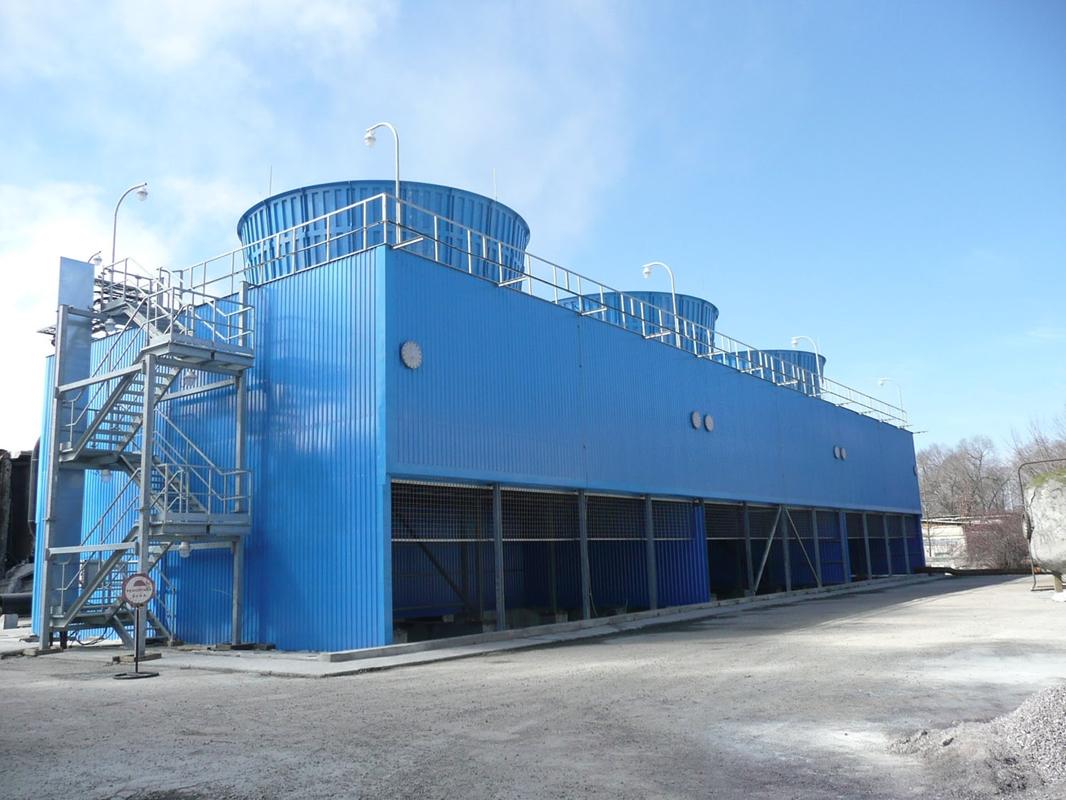
A fiberglass cooling tower fan stack is an important component of industrial cooling tower ventilation systems. Installed around the fan discharge area, it directs warm, moisture-laden air upward and helps maintain the intended airflow path. Manufactured from fiberglass-reinforced plastic (FRP), it offers a combination of corrosion resistance, lightweight construction, and flexible design options.
Compared with conventional metal fan stacks, fiberglass fan stacks can reduce corrosion-related maintenance and simplify installation in many industrial environments. They are widely used in power plants, chemical processing facilities, manufacturing plants, and commercial HVAC systems.
This guide explores the main benefits, materials, applications, and selection factors of FRP cooling tower fan stacks to help engineers, maintenance teams, contractors, and industrial buyers make informed decisions.
1. What Is a Fiberglass Cooling Tower Fan Stack?
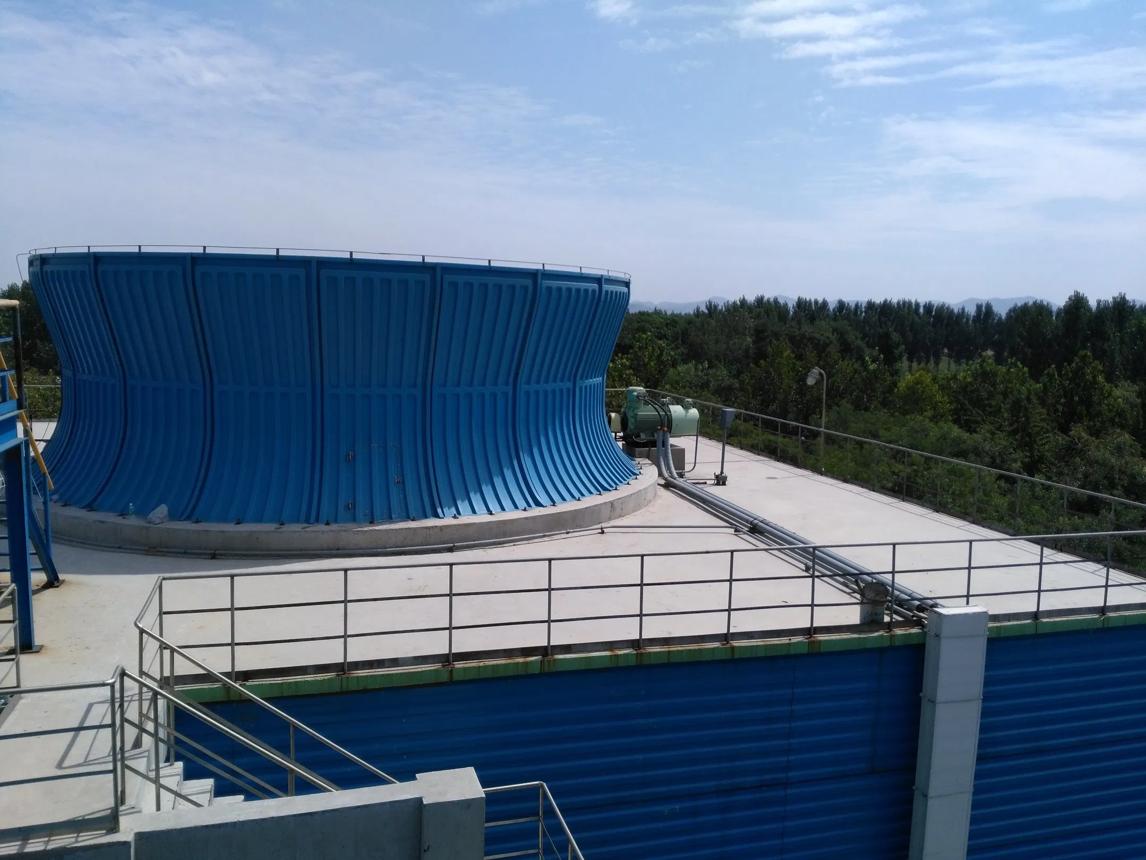
A fiberglass cooling tower fan stack is a cylindrical or tapered enclosure installed around a cooling tower fan. It guides exhaust air away from the fan and helps direct the discharge into the surrounding atmosphere.
Most FRP fan stacks consist of glass-fiber reinforcement embedded in a resin matrix. The combination provides structural strength while resisting moisture and many corrosive environments.
Fiberglass fan stacks are commonly used in induced-draft cooling towers, where fans draw air through the tower and discharge warm air through the upper fan stack.
The stack's dimensions, profile, mounting arrangement, and structural design must be compatible with the cooling tower fan and the system's operating requirements.
2. Key Benefits of Fiberglass Cooling Tower Fan Stacks
2.1 Excellent Corrosion Resistance
Cooling towers operate in humid environments and may be exposed to water treatment chemicals, airborne contaminants, and industrial pollutants. These conditions can accelerate corrosion in unprotected steel components.
FRP resists many forms of corrosion, making it suitable for a wide range of cooling tower applications. The resin system must be selected according to the actual chemicals, temperatures, and exposure conditions.
2.2 Lightweight Construction
Fiberglass is generally lighter than comparable metal structures. A lightweight fan stack can simplify transportation, lifting, handling, and installation.
Reduced component weight may also lower the load imposed on supporting structures, although the complete installation must still meet applicable structural requirements.
2.3 Reduced Maintenance Requirements
Unlike unprotected steel, fiberglass does not rust. It can reduce the need for corrosion-related repainting and coating repairs.
However, FRP is not maintenance-free. Regular inspections should check for cracking, delamination, impact damage, loose fasteners, and deterioration caused by weather exposure.
2.4 Flexible Customization
Fiberglass manufacturing allows fan stacks to be produced in different diameters, heights, profiles, and mounting configurations.
Customized FRP fan stacks are useful for new cooling tower installations, retrofit projects, and replacement applications where standard dimensions may not fit the existing equipment.
2.5 Long-Term Durability
A properly designed and manufactured fiberglass fan stack can provide reliable service over an extended period. Durability depends on laminate quality, resin selection, UV protection, structural loading, installation, and maintenance.
2.6 Potential Lifecycle Cost Savings
Although initial prices vary, FRP fan stacks may reduce total ownership costs through lower weight, reduced corrosion-related maintenance, and simpler handling.
Buyers should compare the complete lifecycle cost, including purchase price, transportation, installation, inspection, repair, and replacement.
3. Materials Used in FRP Cooling Tower Fan Stacks
Material selection directly affects a fan stack's strength, corrosion resistance, and service life.
Fiberglass Reinforcement
Glass fibers provide structural strength and stiffness. The fiber arrangement and laminate thickness should be designed to withstand the expected mechanical and environmental loads.
Polyester Resin
Polyester resin is commonly used for general-purpose FRP components. It can be suitable for many standard cooling tower environments when properly specified.
Vinyl Ester Resin
Vinyl ester resin may be selected when greater resistance to certain chemicals or more demanding operating conditions is required. Suitability depends on the specific chemical exposure and temperature.
Protective Surface Layer
A suitable gelcoat or protective coating helps limit moisture penetration, UV-related deterioration, and weathering. Outdoor fan stacks should use a surface system appropriate for the local climate.
Reinforcement Ribs and Mounting Flanges
Ribs and flanges improve rigidity and provide mounting points. Their design must accommodate the required support conditions, connection loads, and installation arrangement.
Fasteners should also be selected for compatibility with the operating environment and the FRP structure.
4. Applications of Fiberglass Cooling Tower Fan Stacks
FRP fan stacks are used across several industries.
Power Generation
Power plants use cooling towers to reject waste heat from industrial and power generation processes. Corrosion-resistant fan stacks can support reliable ventilation in these environments.
Chemical and Petrochemical Plants
Chemical facilities may expose cooling tower components to corrosive atmospheres and chemical contaminants. The resin and laminate system should be selected for the specific exposure conditions.
Commercial HVAC Systems
Hospitals, hotels, office buildings, shopping centers, and other large facilities use cooling towers for air-conditioning systems. FRP fan stacks provide a lightweight option for suitable installations.
Manufacturing Facilities
Steel mills, paper mills, textile factories, and other industrial plants rely on cooling towers to remove process heat. Fiberglass stacks can be appropriate where corrosion resistance and low maintenance are priorities.
Water Treatment and Industrial Utilities
Industrial utility systems may use cooling towers in humid or chemically demanding environments. Proper material selection helps ensure compatibility with site conditions.
5. Fiberglass vs. Metal Cooling Tower Fan Stacks
| Feature | Fiberglass (FRP) | Steel or Other Metals |
| Weight | Generally lightweight | Depends on material and thickness |
| Corrosion resistance | High with suitable resin | Depends on alloy and coating |
| Maintenance | Reduced corrosion-related maintenance | Coatings may require inspection and repair |
| Customization | Flexible molding options | Depends on fabrication method |
| Initial cost | Varies by design and quantity | Varies by material and fabrication |
| Service life | Depends on design and exposure | Depends on material, coating, and maintenance |
Fiberglass is often attractive for corrosive environments and weight-sensitive installations. Metal may be more suitable for certain structural, temperature, or project-specific requirements. The final choice should be based on engineering needs and lifecycle costs rather than material price alone.
6. How to Choose the Right Fiberglass Fan Stack
Before purchasing an FRP cooling tower fan stack, evaluate the following factors.
Dimensions and compatibility: Confirm stack height, diameter, flange dimensions, bolt-hole pattern, and mounting arrangement.
Fan specifications: Check fan diameter, blade configuration, operating speed, and required clearance between the blades and stack.
Operating environment: Consider chemical exposure, temperature, humidity, sunlight, and weather conditions.
Structural requirements: Verify that the stack is designed for applicable wind loads, vibration, and support conditions.
Manufacturing quality: Request technical drawings, material specifications, and relevant quality documentation.
Supplier experience: Choose a manufacturer that can support customized dimensions, replacement projects, and technical questions.
For replacement applications, provide existing equipment drawings, photographs, and measurements. Confirm compatibility before manufacturing begins.
7. Installation and Maintenance Best Practices
Proper installation helps protect the fan stack and supports reliable operation.
Inspect the support structure and mounting surface before installation.
Confirm the stack dimensions, flange alignment, and fan clearance.
Use suitable fasteners and follow the manufacturer's installation instructions.
Verify that all mounting connections are secure before startup.
Inspect periodically for cracks, delamination, loose fasteners, impact damage, and UV deterioration.
Investigate abnormal vibration and correct the underlying cause.
Before working near rotating equipment, follow site lockout/tagout procedures and the manufacturer's safety requirements. Significant structural damage should be assessed by qualified personnel.
Frequently Asked Questions
What is a fiberglass cooling tower fan stack made of?
It typically consists of glass-fiber reinforcement and a resin matrix, such as polyester or vinyl ester. Protective surface layers and structural reinforcement may also be included.
What are the main advantages of FRP fan stacks?
Key benefits include corrosion resistance, lightweight construction, flexible customization, reduced corrosion-related maintenance, and potential lifecycle cost savings.
Can fiberglass fan stacks be customized?
Yes. Manufacturers can often customize the height, diameter, profile, mounting flange, and reinforcement according to project specifications.
Are fiberglass fan stacks suitable for industrial cooling towers?
Yes, provided the materials and structural design are appropriate for the operating temperature, chemical exposure, mechanical loads, and environmental conditions.
When should a fiberglass cooling tower fan stack be replaced?
Replacement may be necessary when significant cracking, delamination, structural deformation, damaged mounting flanges, or other defects compromise safe operation.
Conclusion
A fiberglass cooling tower fan stack offers a lightweight, corrosion-resistant solution for directing exhaust airflow in industrial and commercial cooling towers. Its benefits include flexible customization, reduced corrosion-related maintenance, and suitability for many demanding environments.
To achieve reliable performance, choose appropriate FRP materials, verify dimensional and structural compatibility, and follow proper installation and inspection procedures. Working with an experienced manufacturer can help ensure that the fan stack meets the cooling tower's operating requirements and delivers long-term value.
Recommended internal links for CoolingTowerPart.com:


