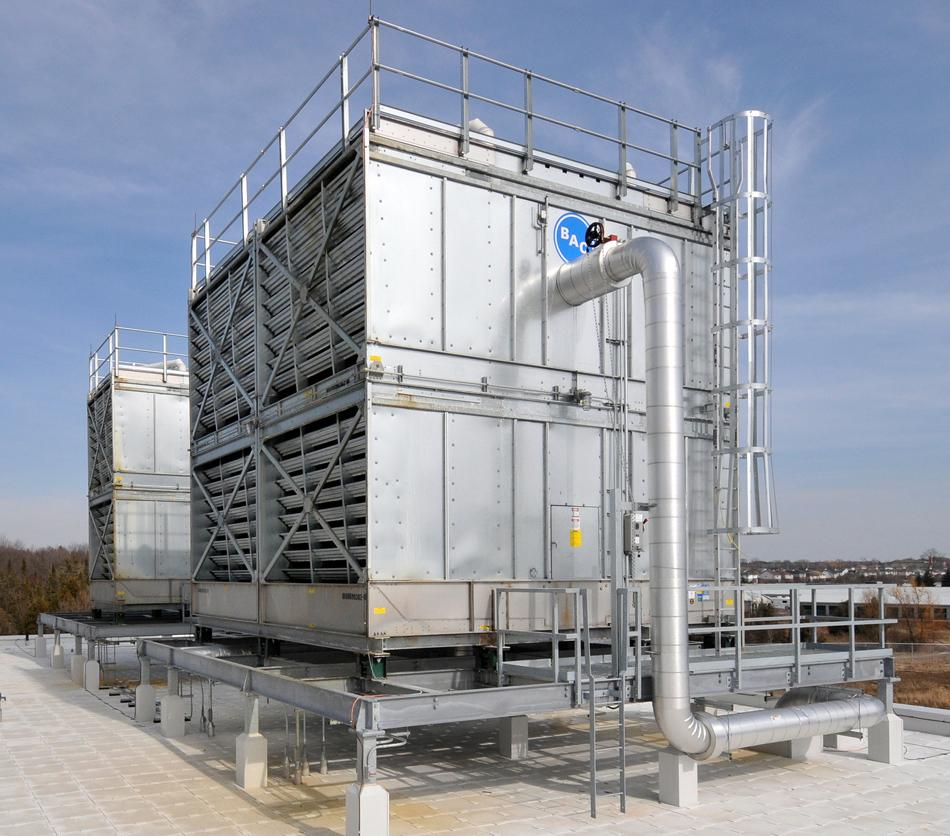
Baltimore Aircoil Company (BAC) cooling towers are widely used in industrial facilities, power generation plants, manufacturing operations, and commercial HVAC systems. These cooling towers contain multiple mechanical, structural, and water distribution components that work together to provide reliable heat rejection.
Understanding the different BAC cooling tower parts is important for equipment maintenance, troubleshooting, repair, and replacement projects.
Whether you operate a BAC Series 1500, Series 3000, FXV, CXV, PT2, or another cooling tower configuration, identifying the correct components can help reduce equipment downtime and maintain cooling performance.
This guide provides a detailed breakdown of the main BAC cooling tower components, their functions, materials, and replacement considerations.
1. BAC Cooling Tower Fan and Air Movement System
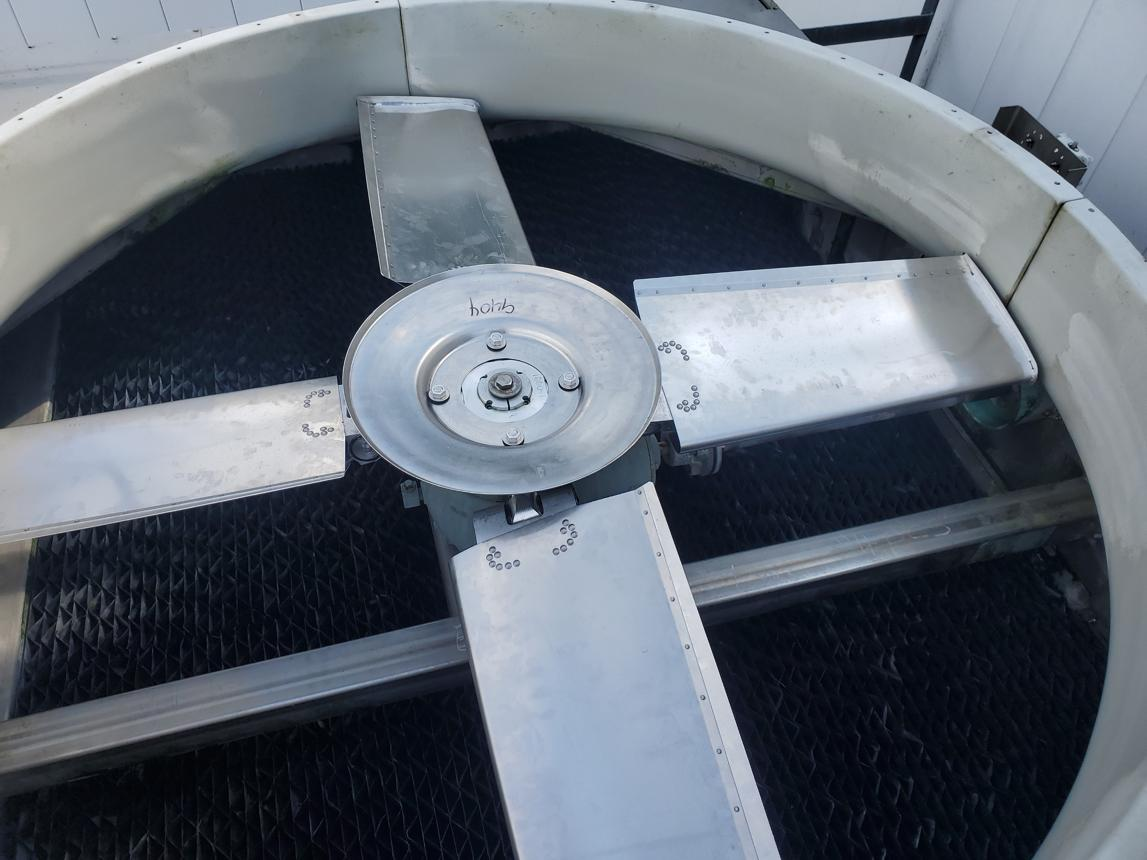
The fan system is responsible for moving air through the cooling tower. It creates the airflow required for heat and mass transfer between circulating water and ambient air.
Common BAC cooling tower fan components include:
Component | Main Function |
Axial fan blades | Generate airflow through the tower |
Fan hub | Connects and supports fan blades |
Fan cylinder / fan stack | Directs airflow |
Fan guard | Protects rotating equipment |
Fan shaft | Transfers mechanical power |
Bearing assemblies | Support shaft rotation |
Lubrication lines | Supply lubricant to bearings |
Vibration switch | Detects abnormal vibration |
BAC Cooling Tower Fan Drive Options
BAC cooling towers may use different fan drive configurations.
Geareducer Drive System
A gear-driven system typically includes:
Belt Drive System
Some configurations use:
Motor sheave
Fan sheave
V-belts
Belt guards
Adjustable motor base
Direct Drive System
Selected configurations use direct-drive motors to operate the fan without a traditional belt or separate gearbox arrangement.
When purchasing replacement fan blades, check fan diameter, blade pitch, material, hub configuration, rotation direction, RPM, and dynamic balance requirements.
2. BAC Cooling Tower Motor Assembly
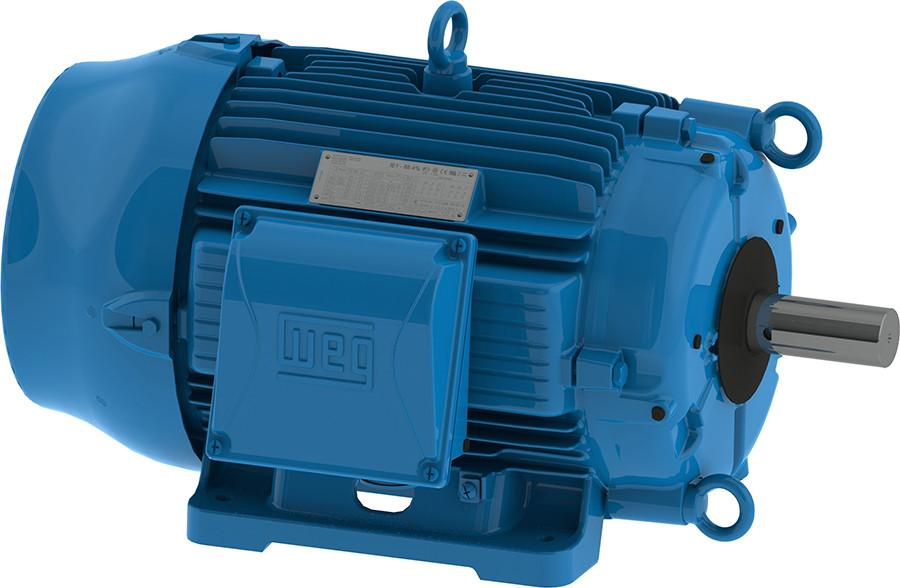
The motor supplies the mechanical power required to operate the cooling tower fan.
Common motor components include:
TEFC (Totally Enclosed Fan Cooled) motors
TEAO (Totally Enclosed Air Over) motors
Motor base and slide rails
Motor weather hood
Coupling for applicable gear-driven systems
Variable frequency drive (VFD)
Motor starter and electrical connections
When replacing a BAC cooling tower motor, buyers should confirm:
A properly matched replacement motor helps maintain airflow and prevent overheating, excessive vibration, and premature equipment failure.
3. BAC Water Distribution System
The water distribution system spreads hot circulating water across the fill media to maximize the contact area between water and air.
The configuration depends on the cooling tower design.
Counterflow Water Distribution
Counterflow BAC cooling towers commonly use pressurized water distribution systems.
Main components include:
Spray nozzles
Spray branches and manifolds
Hot water distribution piping
Distribution basin covers where applicable
Spray nozzles distribute water evenly over the fill surface. Blocked or damaged nozzles can cause uneven water coverage and reduce heat transfer efficiency.
Crossflow Water Distribution
Crossflow configurations commonly use gravity-fed hot water basins.
Typical components include:
When replacing water distribution components, confirm the original dimensions, water flow requirements, nozzle arrangement, and installation configuration.
4. BAC Cooling Tower Fill Media
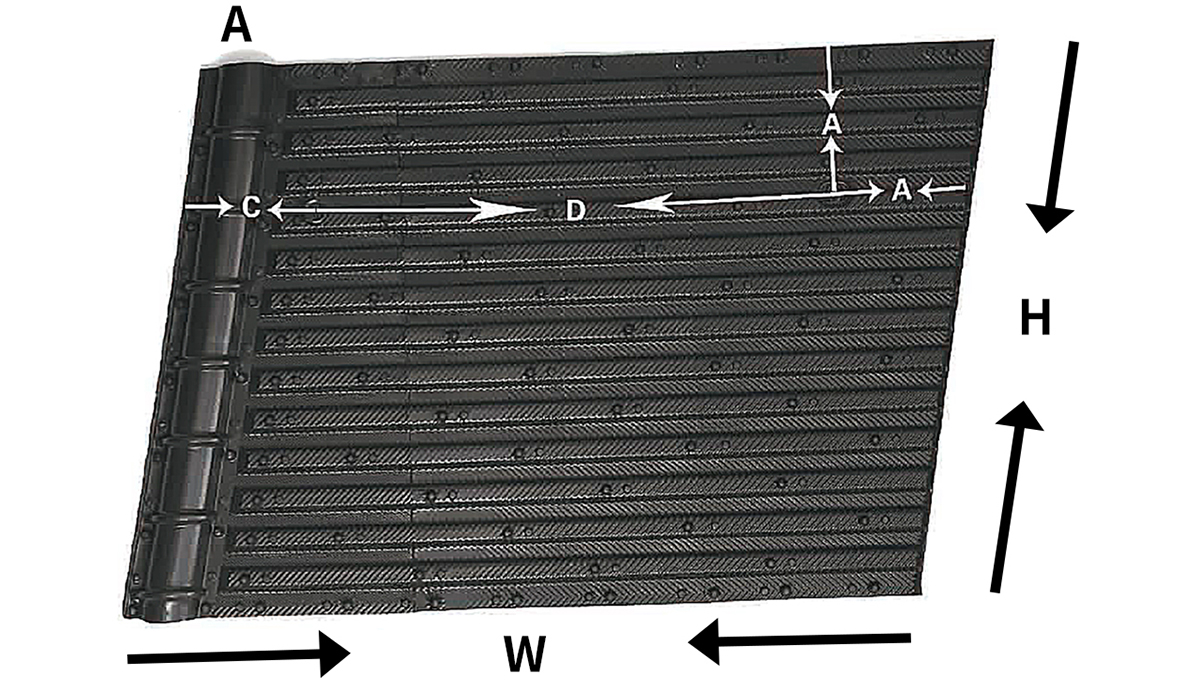
Fill media is one of the most important components of a cooling tower. It increases the contact area between water and air, improving heat transfer and cooling performance.
BAC cooling towers may use different fill configurations depending on the model and operating conditions.
Film Fill
Film fill spreads water into thin films across closely spaced surfaces. It provides a large heat-transfer area and is commonly used where water quality is suitable.
Splash Fill
Splash fill breaks falling water into smaller droplets. It may be preferred in applications where suspended solids or fouling make conventional film fill less practical.
Important replacement specifications include:
PVC or PP material
Sheet thickness
Flute geometry
Sheet spacing
Fill block dimensions
Temperature resistance
Chemical compatibility
Fill supports and grids must also be inspected to ensure the fill packs remain correctly positioned.
5. BAC Drift Eliminators
Drift eliminators reduce the amount of water droplets carried out of the cooling tower with exhaust air.
Common components include:
Properly installed drift eliminators help reduce water loss and minimize water droplets escaping into the surrounding environment.
When sourcing replacement drift eliminators, check the tower model, pack dimensions, airflow direction, material, and mounting arrangement.
6. BAC Air Inlet Section
The air inlet section allows ambient air to enter the cooling tower while helping prevent water splash-out and debris entry.
Common components include:
PVC air inlet louvers
Louver frames
Debris screens
Support brackets
Damaged louvers can affect airflow and increase water loss. Replacement louvers should match the original dimensions, material, spacing, and mounting arrangement.
7. BAC Cold Water Basin
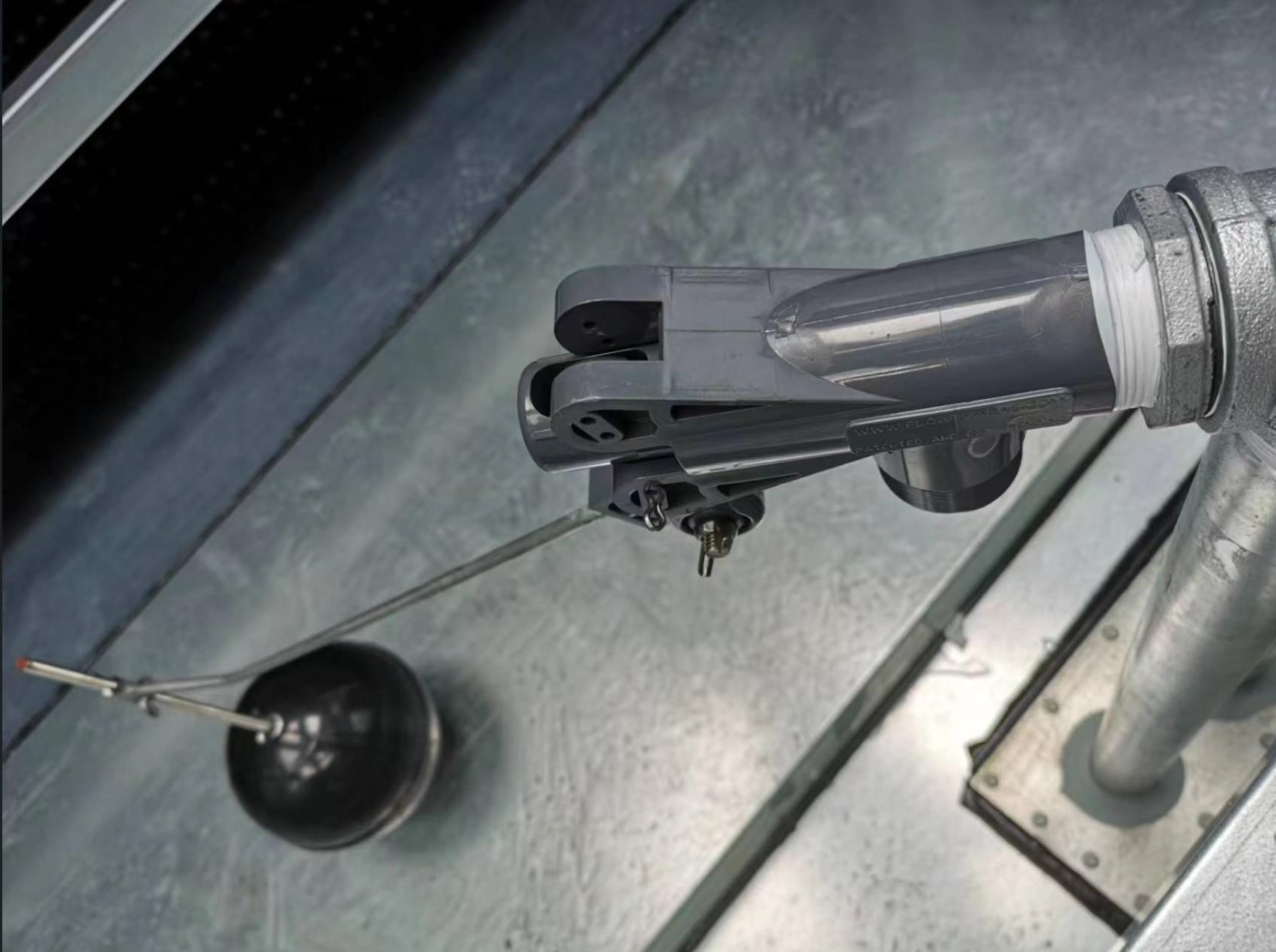
The cold water basin collects cooled water before it returns to the circulating water system.
Typical components include:
Regular inspections help identify corrosion, leakage, sediment accumulation, damaged screens, and water-level control problems.
8. BAC Casing and Structural Components
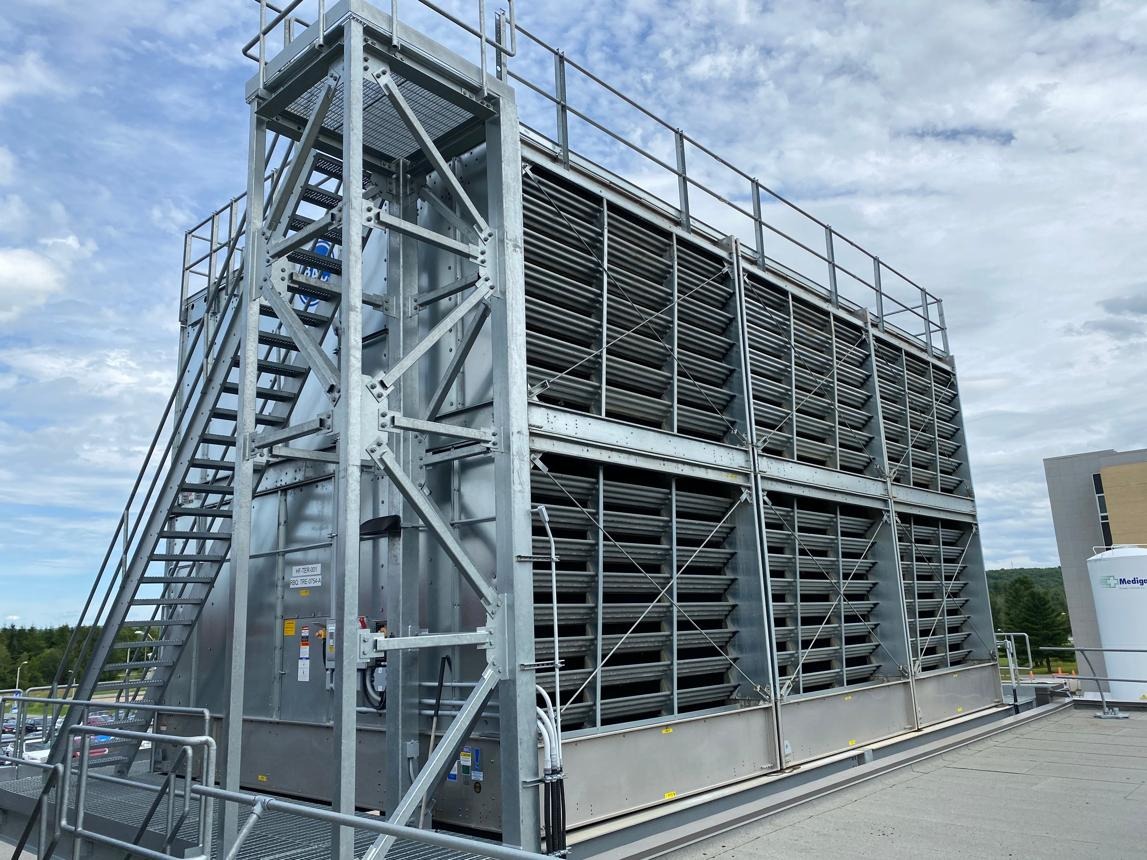
The casing and structural assembly provide mechanical support and protect internal cooling tower equipment.
Common components include:
Replacement structural components should meet the original dimensional, corrosion-resistance, and load requirements.
9. BAC Heat Exchanger Coil Assembly
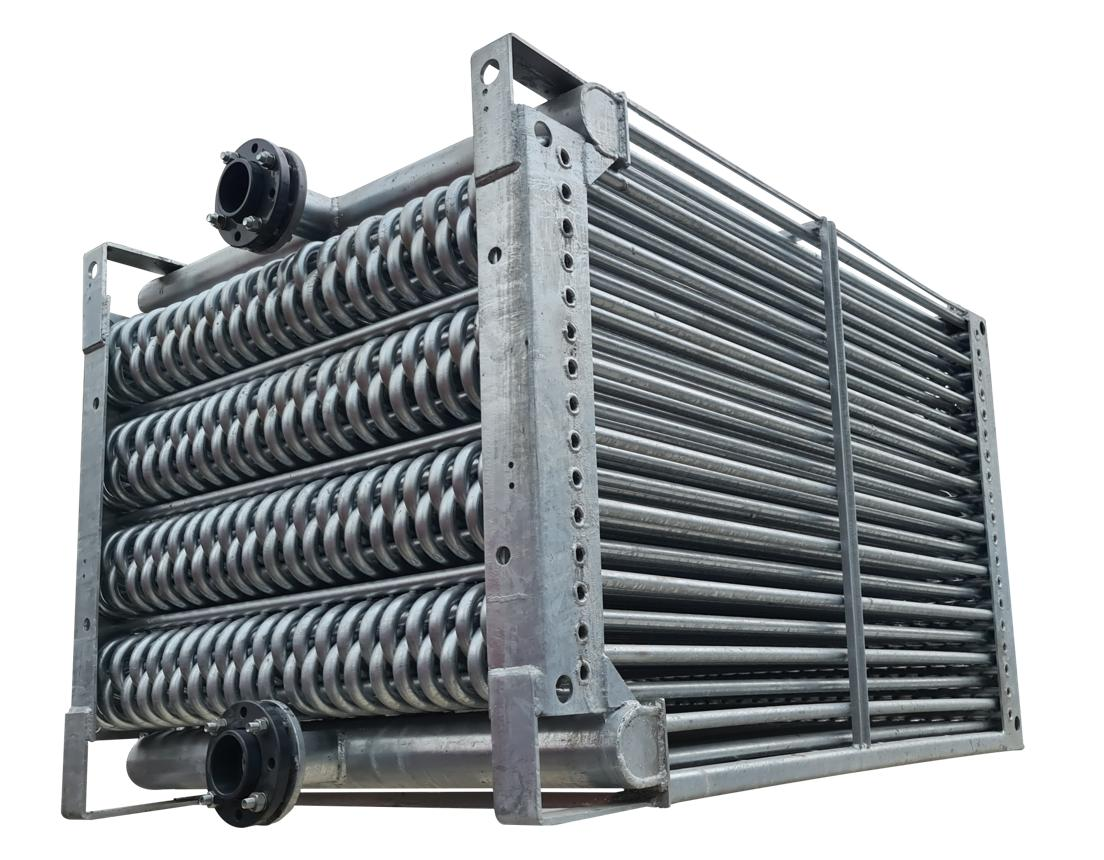
Closed-circuit cooling towers, including applicable FXV and CXV configurations, use heat exchanger coils to keep process fluid separated from external spray water.
Typical components include:
When replacing heat exchanger coils, confirm tube material, dimensions, circuit arrangement, design pressure, fluid compatibility, and connection specifications.
10. BAC Controls and Electrical Components
Control systems help maintain stable cooling tower operation and protect equipment.
Common components include:
These devices help manage fan operation, water level, freeze protection, vibration, and circulating water quality.
Electrical replacement components must match the original voltage, control logic, sensor range, and wiring configuration.
11. BAC Cooling Tower Accessories and Optional Components
Depending on operating conditions, BAC towers may also use optional accessories, including:
These accessories can improve accessibility, noise management, cold-weather operation, and water treatment.
Not every accessory is available or applicable to every BAC cooling tower model.
12. How to Choose the Right BAC Cooling Tower Replacement Parts
Selecting suitable replacement components is essential for equipment reliability and long-term performance.
Before purchasing BAC cooling tower replacement parts, prepare the following information:
Cooling tower model: Identify Series 1500, Series 3000, FXV, CXV, PT2, or another model.
Serial number: Check the equipment nameplate.
Original part number: Record it whenever available.
Dimensions: Measure the component and connection positions.
Material: Confirm PVC, PP, FRP, stainless steel, aluminum, or other specified materials.
Operating conditions: Check water temperature, airflow, motor power, and environmental conditions.
Installation requirements: Confirm mounting dimensions and connection arrangements.
Photographs, original drawings, and equipment documentation can help suppliers identify appropriate replacement components.
13. BAC Cooling Tower Parts Manufacturer and Supplier
Finding a reliable cooling tower replacement parts supplier is important for industrial maintenance, retrofit, and replacement projects.
CoolingTowerPart.com supplies industrial cooling tower replacement components and aftermarket solutions for international customers.
Our product range includes:
Cooling tower fan blades and fan assemblies
Cooling tower motors and gear reducers
PVC and PP cooling tower fill media
Spray nozzles and water distribution components
Drift eliminators
Air inlet louvers
FRP fan stacks and structural components
Cooling tower mechanical accessories
For BAC-compatible replacement projects, buyers can provide tower model information, photographs, original part numbers, technical drawings, dimensions, and required quantities.
Our team can help evaluate suitable replacement solutions according to supplied equipment specifications and project requirements.
Contact CoolingTowerPart.com for BAC-compatible cooling tower replacement parts, customized manufacturing, aftermarket components, and bulk supply inquiries.
14. Frequently Asked Questions About BAC Cooling Tower Parts
Q1. What are the main parts of a BAC cooling tower?
The main components include fan blades, motors, gear reducers, water distribution systems, fill media, drift eliminators, air inlet louvers, cold water basins, casing panels, coils, and control systems.
Q2. Where can I buy BAC cooling tower replacement parts?
Replacement components can be sourced through BAC and qualified aftermarket cooling tower parts suppliers. Always verify technical compatibility before purchasing.
Q3. Are aftermarket BAC cooling tower parts available?
Yes. Selected components can be manufactured or supplied as compatible aftermarket replacements. Dimensions, materials, performance, and installation requirements must be checked.
Q4. How often should BAC cooling tower fill be replaced?
There is no universal replacement interval. Inspect fill media for scaling, blockage, deformation, biological growth, and structural damage. Replacement frequency depends on water quality and operating conditions.
Q5. Can aftermarket fan blades replace BAC original fan blades?
Potentially, yes. Replacement blades must match the required diameter, pitch, hub configuration, rotational speed, aerodynamic performance, and balance specifications. Engineering verification is essential.
Q6. What information should I provide when ordering BAC parts?
Provide the tower model, serial number, component name, original part number if available, photographs, dimensions, material requirements, and purchase quantity.
Q7. What is the difference between BAC film fill and splash fill?
Film fill spreads water over a large surface area to improve heat transfer. Splash fill breaks falling water into droplets. The appropriate option depends on water quality, fouling conditions, and tower design.
Conclusion
BAC cooling towers contain many interconnected components, from fan blades and motors to fill media, spray nozzles, drift eliminators, coils, and structural assemblies.
Understanding these components makes it easier to identify maintenance requirements, troubleshoot problems, and purchase suitable replacement parts.
For industrial cooling tower maintenance, repair, and retrofit projects, choosing the right replacement components is essential.
CoolingTowerPart.com supports international buyers with cooling tower replacement parts, aftermarket solutions, and customized industrial cooling tower components.


