Cooling tower fill media replacement is an important maintenance task for restoring heat transfer efficiency, improving water distribution, and maintaining reliable cooling tower performance. Over time, cooling tower fill can become clogged with scale, algae, dirt, and biological deposits. Plastic fill sheets may also deform, crack, or deteriorate because of high temperatures, chemical exposure, and long-term operation.
Proper installation is essential when replacing cooling tower fill media. Incorrect dimensions, poor alignment, unsupported sections, or unsuitable materials can reduce cooling performance and create additional maintenance problems.
This guide explains the main steps for cooling tower fill media replacement, from inspection and material selection to installation, commissioning, and long-term maintenance.
1. When Should Cooling Tower Fill Media Be Replaced?
Before starting a replacement project, inspect the existing fill to determine whether cleaning or complete replacement is the better option.
Common warning signs include:
Reduced cooling performance: Cold-water temperatures remain above the target despite appropriate operating conditions.
Blocked fill passages: Scale, dirt, algae, or biological growth restricts airflow and water movement.
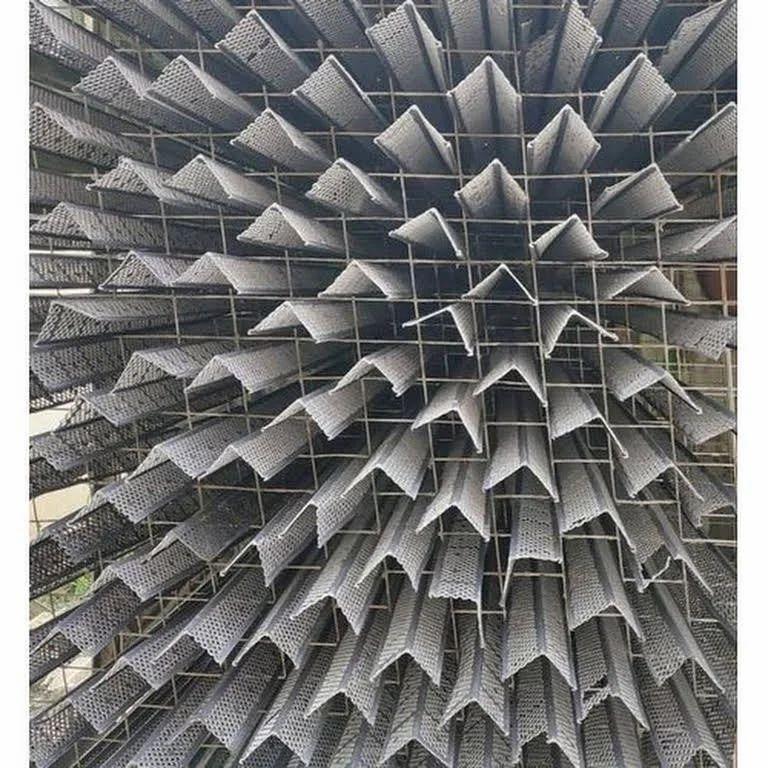
Damaged fill sheets: PVC or PP sheets become cracked, brittle, warped, or collapsed.
Uneven water distribution: Water channels through certain areas instead of spreading uniformly.
Frequent maintenance: Repeated cleaning fails to restore acceptable performance.
Structural problems: Fill blocks sag, separate, or lose support.
Not every cooling problem originates in the fill. Inspect the fan, motor, water distribution nozzles, drift eliminators, and other components before deciding on replacement.
2. Select the Right Cooling Tower Replacement Fill
Choosing compatible fill media is one of the most important steps in the replacement process.
PVC Film Fill
PVC film fill is widely used in commercial and industrial cooling towers. Its closely spaced sheets provide a large surface area for water-air contact.
It is suitable for many conventional applications where water quality is controlled and operating temperatures remain within the material's specified limits.
PP Film Fill
Polypropylene (PP) film fill may be suitable for applications requiring particular temperature resistance or chemical compatibility. Confirm the specific material grade and operating limits with the manufacturer.
Splash Fill
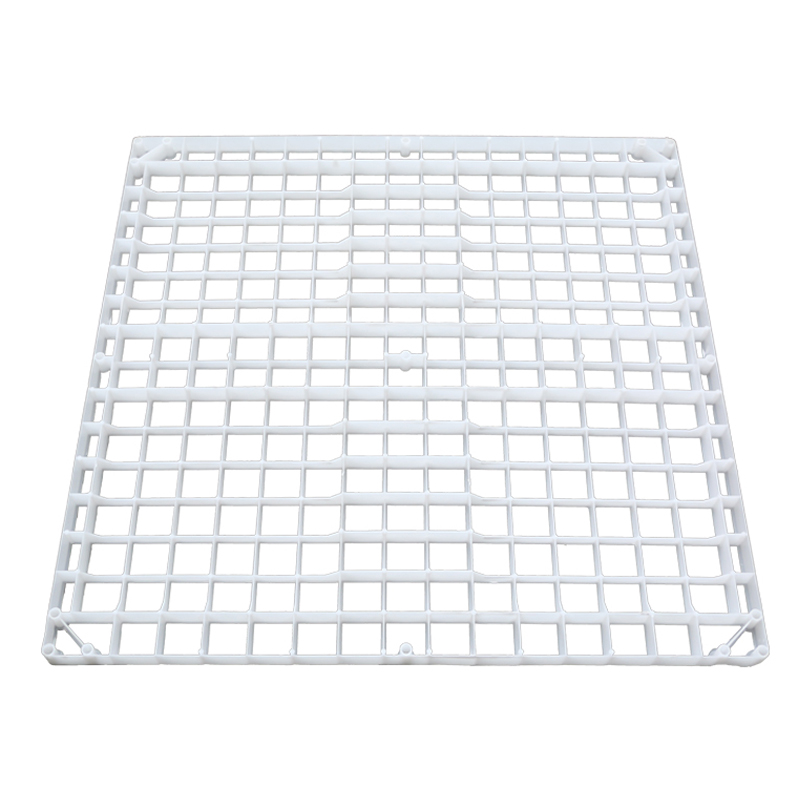
Splash fill uses bars, grids, or other structures to break water into droplets. Its open configuration can be advantageous in selected applications with higher suspended-solids levels or greater fouling risks.
However, splash fill and film fill have different thermal characteristics. Switching between them requires an assessment of cooling capacity, airflow resistance, and tower design.
Before ordering replacement fill, verify:
Cooling tower model and crossflow or counterflow configuration.
Existing fill block length, width, and height.
Material type and sheet thickness.
Flute pattern and sheet spacing.
Operating water temperature and water quality.
Required quantity and installation arrangement.
3. Step-by-Step Cooling Tower Fill Media Replacement
Step 1: Shut Down and Isolate the Cooling Tower
Follow the site's approved maintenance procedures before beginning work. Shut down the cooling tower and isolate electrical equipment, fans, pumps, and other relevant systems.
Apply lockout/tagout procedures where required. Confirm that the equipment cannot start unexpectedly and that water flow has been safely stopped.
Workers should use suitable personal protective equipment and follow site requirements for working at height, confined spaces, chemical exposure, and biological hazards.
Step 2: Inspect the Existing Fill and Support Structure
Remove access panels or other components as necessary to inspect the fill section.
Check for:
Scale and biological deposits.
Cracked, brittle, or deformed fill sheets.
Collapsed or separated fill blocks.
Damaged support beams or retaining components.
Clogged nozzles and distribution pipes.
Corrosion, sediment, or debris in the basin.
Record the existing arrangement and take photographs before removing the fill. These records help guide installation and identify problems that need correction.
Step 3: Remove the Old Fill Media
Remove the deteriorated fill according to the manufacturer's instructions and site safety procedures.
Avoid damaging the tower casing, support structure, piping, and nearby components. Dispose of contaminated or deteriorated materials according to applicable local requirements.
Once the old fill is removed, clean accumulated debris from the installation area and inspect the support structure again.
Best practice: Do not install new fill over damaged supports or leave debris in the tower. These conditions can cause uneven loading, blockage, or premature failure.
Step 4: Clean and Prepare the Installation Area
Clean the fill support surfaces, water distribution components, and accessible internal areas.
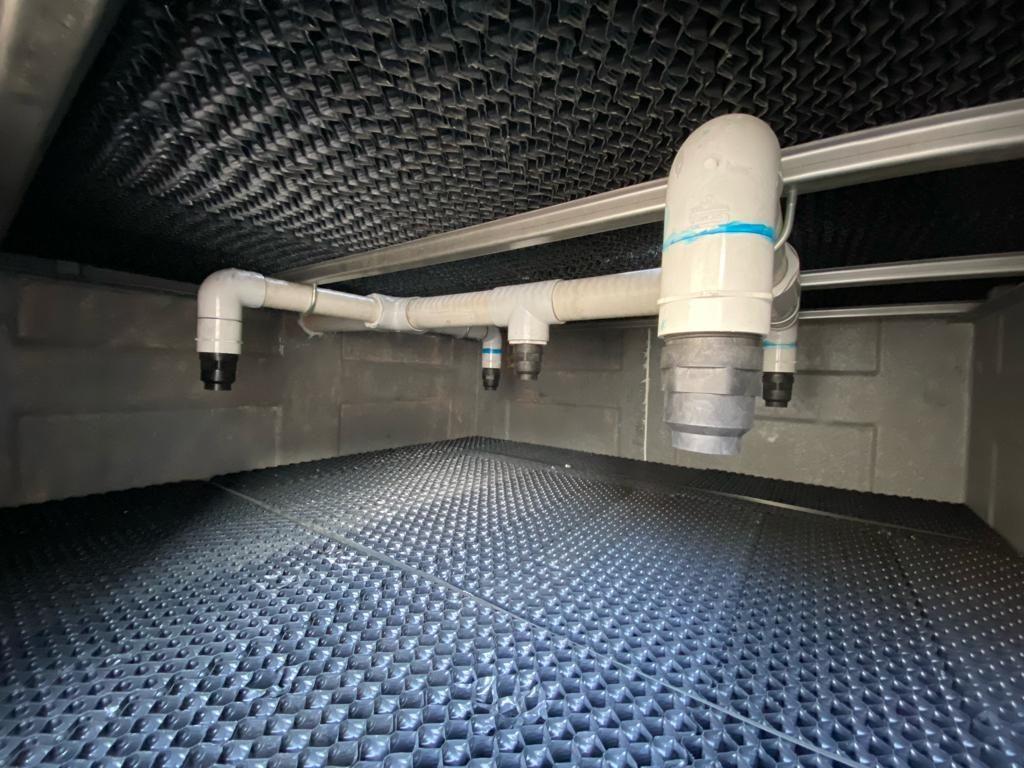
Inspect spray nozzles and distribution headers for blockage or damage. Correct water distribution problems before installing the new fill, because even high-quality fill cannot compensate for poorly functioning nozzles.
Repair or replace damaged support components and confirm that the installation area is ready for the new fill blocks.
Step 5: Verify the Replacement Fill Specifications
Before installation, check the delivered fill against the approved drawings and purchase specifications.
Confirm:
Block dimensions and quantity.
PVC, PP, or splash-fill configuration.
Sheet thickness and spacing, where applicable.
Fill orientation and flute pattern.
Material suitability for the operating temperature.
Compatibility with the tower's support structure.
For custom cooling tower fill media, verify dimensions carefully before installing the entire order.
Step 6: Install the New Cooling Tower Fill
Position the replacement fill blocks according to the manufacturer's installation instructions.
Maintain the specified orientation, alignment, spacing, and support. Ensure that the blocks fit securely without unintended gaps that could allow air or water to bypass the effective fill area.
For film fill, preserve the designed sheet arrangement and water-flow paths. For splash fill, install the bars or grids in the specified pattern and maintain the required spacing.
Do not force oversized blocks into position or cut fill without confirming the manufacturer's requirements. Improper modifications can affect structural stability and thermal performance.
Step 7: Reinstall Other Components
After the fill is installed, inspect and reinstall any removed drift eliminators, access panels, distribution components, and related parts.
Check that all components are properly secured and that no tools, packaging, or debris remain inside the tower.
Verify that the fill does not obstruct water distribution equipment or interfere with other internal components.
Step 8: Start Up and Check Performance
Follow the manufacturer's startup procedure and the site's commissioning requirements.
Inspect the system for:
Uniform water distribution across the fill.
Unusual airflow restrictions or vibration.
Leaks or abnormal water accumulation.
Proper fan, motor, and pump operation.
Correct installation of drift eliminators and access panels.
Record hot-water and cold-water temperatures, circulating water flow, ambient wet-bulb temperature, and other available operating data.
Compare results with design expectations or a reliable baseline under comparable conditions. This helps determine whether the fill replacement has restored the intended performance.
4. Best Practices for Longer Fill Service Life
Correct installation is only the beginning. Regular maintenance helps protect the investment.
Maintain Proper Water Treatment
Control scale formation, suspended solids, and biological growth through an appropriate water treatment program. Follow professional guidance and applicable regulations for chemical treatment and microbial control.
Inspect Fill Regularly
Establish inspection intervals based on water quality, operating conditions, and the manufacturer's recommendations. Look for blocked passages, deformation, deposits, and loose fill blocks.
Keep Water Distribution Uniform
Inspect nozzles and headers for clogging or uneven spray patterns. Proper distribution helps the fill use its available heat-transfer surface effectively.
Monitor Operating Performance
Track cooling water temperatures, water flow, fan energy consumption, and other relevant indicators. Changes over time can help identify developing problems before they become serious.
Use Compatible Replacement Materials
Choose fill based on actual operating temperature, chemical exposure, water quality, and tower design. Avoid selecting products based only on the lowest purchase price.
5. Common Cooling Tower Fill Installation Mistakes
| Common mistake | Potential consequence | Best practice |
| Incorrect block dimensions | Gaps or poor fit | Measure and verify before ordering |
| Wrong fill orientation | Reduced thermal performance | Follow installation drawings |
| Damaged support structure | Sagging or collapse | Inspect and repair supports |
| Blocked distribution nozzles | Uneven water flow | Clean and test the distribution system |
| Incompatible material | Premature deterioration | Confirm temperature and chemical limits |
| Inadequate commissioning | Undetected installation problems | Verify flow, airflow, and operating temperatures |
6. Frequently Asked Questions
How long does cooling tower fill media replacement take?
The duration depends on tower size, access conditions, the amount of fill, support repairs, and labor availability. A site inspection is needed to estimate downtime accurately.
Can cooling tower fill be replaced without replacing the entire tower?
Yes. Many cooling towers can be refurbished by replacing the fill while retaining suitable structural components. The tower's condition and original design should be evaluated first.
Should I clean or replace cooling tower fill?
Cleaning may be sufficient when the fill remains structurally sound and deposits can be removed safely. Replacement is often more appropriate when the fill is brittle, deformed, severely damaged, or persistently blocked.
Does new fill automatically improve cooling efficiency?
No. Replacement can restore lost performance when the fill is a significant cause of poor cooling. Fan performance, water distribution, water flow, and ambient conditions also affect results.
How do I order compatible cooling tower replacement fill?
Provide the tower model, fill dimensions, existing material, operating temperature, water quality, fill configuration, and required quantity to the supplier.
Conclusion
Cooling tower fill media replacement can restore heat transfer performance, improve water-air contact, and support reliable industrial cooling tower operation. Successful results depend on selecting suitable replacement materials, preparing the tower correctly, installing the fill according to specifications, and verifying performance during startup.
For industrial facilities, maintenance contractors, and distributors, careful planning can reduce installation errors and help extend the service life of replacement fill.
Looking for cooling tower fill media replacement? Contact Power Tower Cooling Technology (Shaoxing) Co.,Ltd with your tower specifications and project requirements to discuss PVC film fill, PP film fill, and splash fill options for industrial maintenance and retrofit projects.
Recommended internal links for CoolingTowerPart.com: