1. Introduction to Cooling Tower Components
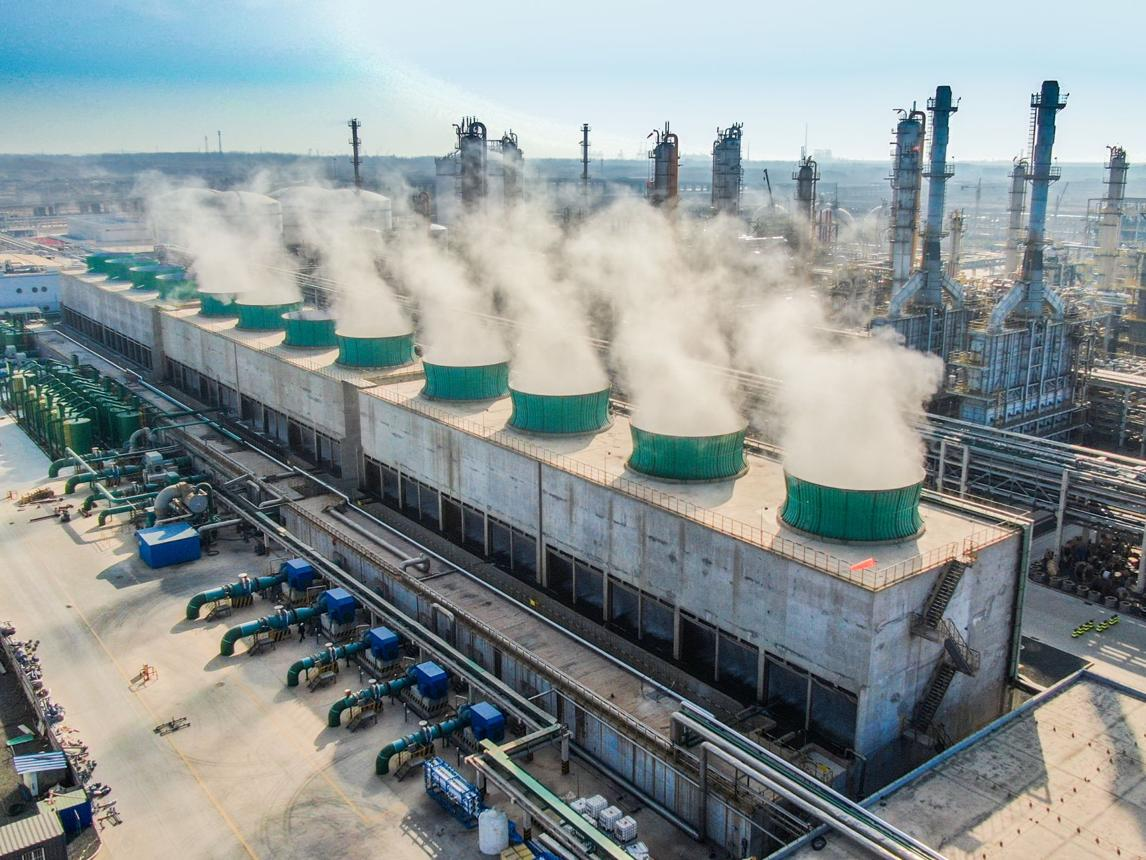
A cooling tower is much more than a large structure that removes heat from industrial water. Behind its cooling performance is a complete system of carefully designed components working together to transfer heat, distribute water, control airflow, and maintain stable operation.
Whether you operate a power plant, chemical factory, steel mill, HVAC system, or manufacturing facility, the quality of your cooling tower components directly affects operating efficiency and maintenance costs.
But what happens when cooling tower fill becomes clogged, drift eliminators lose their effectiveness, or fan blades become damaged? Even a well-designed cooling tower can experience declining performance when individual components stop working properly.
That is why choosing a professional cooling tower components manufacturer and supplier is so important.
In this guide, we will explore the main types of cooling tower components, leading manufacturers and suppliers, material selection, replacement considerations, and maintenance strategies.
We will also introduce Power Tower Cooling Technology (Shaoxing) Co.,Ltd, a cooling tower components supplier providing solutions for industrial cooling tower maintenance, replacement, and equipment projects.
2. Why Cooling Tower Components Matter
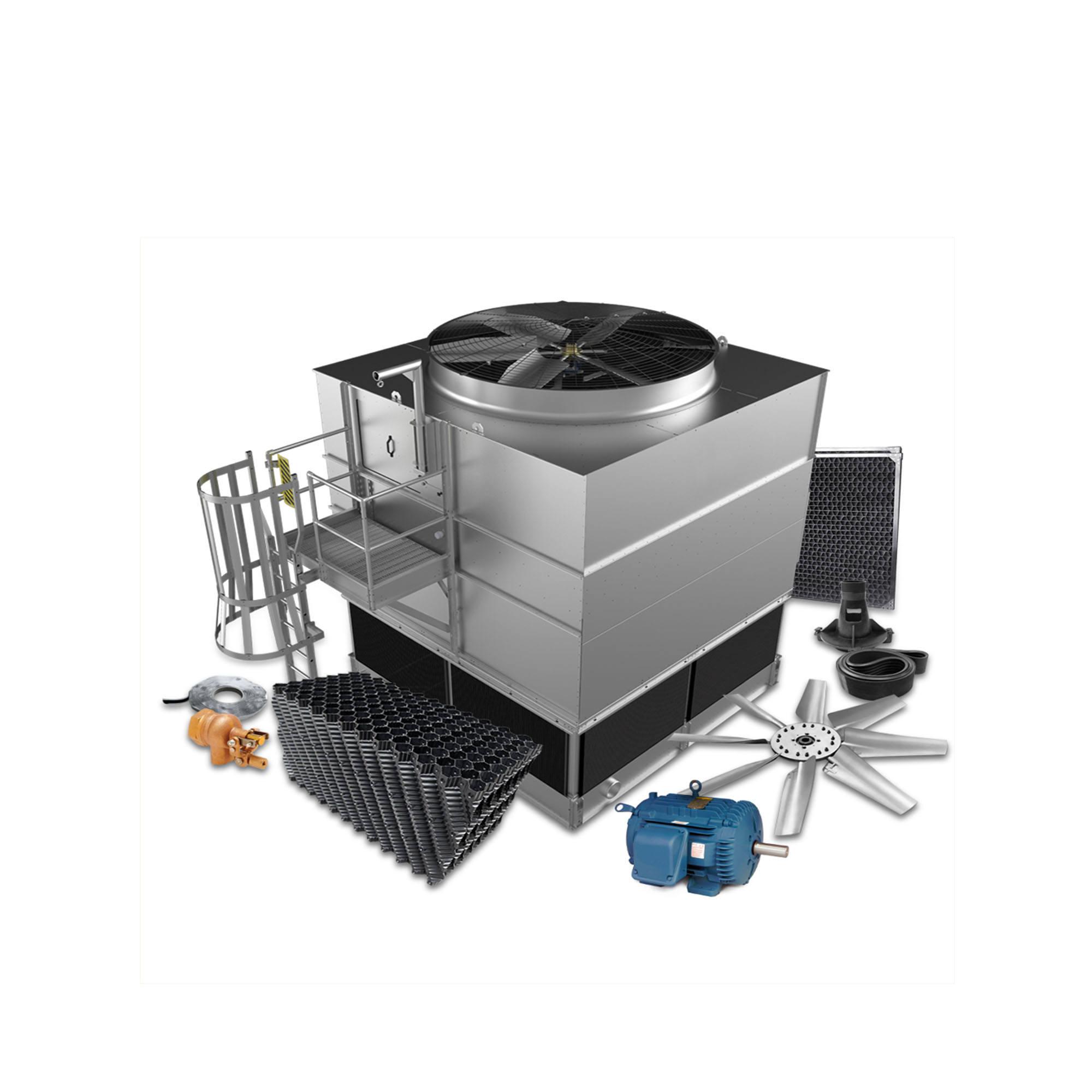
Cooling tower components are the working parts that determine how efficiently a cooling tower performs. Each component has a specific function, but they must work together to achieve the required cooling capacity.
2.1 Improving Heat Exchange Efficiency
Heat exchange is the primary purpose of a cooling tower.
Inside the tower, hot circulating water comes into contact with air. A small portion of the water evaporates, removing heat from the remaining water.
Cooling tower fill plays a particularly important role in this process.
It increases the contact area between water and air, allowing heat transfer to occur more effectively. Properly selected fill can improve cooling performance without requiring a larger cooling tower structure.
2.2 Reducing Energy Consumption
Energy consumption is a major operating expense for industrial cooling systems.
Poor-quality components can increase resistance to airflow, restrict water distribution, and force fans and pumps to work harder.
For example, improperly designed drift eliminators may create unnecessary air pressure losses. Meanwhile, damaged fan blades can reduce airflow and increase motor energy consumption.
Choosing suitable components helps maintain the balance between cooling performance and operating energy.
2.3 Extending Cooling Tower Service Life
Cooling towers operate under demanding conditions.
Constant exposure to water, moisture, temperature changes, chemicals, and outdoor environments can gradually damage internal components.
High-quality replacement parts help reduce unexpected failures and extend equipment service life.
Rather than waiting until an entire cooling tower requires major repairs, operators can replace individual components when necessary.
3. Main Types of Cooling Tower Components
A complete cooling tower contains several important mechanical, structural, and heat-transfer components.
Understanding their functions makes it easier to select suitable replacement products.
3.1 Cooling Tower Fill Media
Cooling tower fill is one of the most important heat-transfer components.
Its primary function is to increase the surface area and contact time between water and air. This allows the cooling process to become more efficient.
There are two major types of cooling tower fill.
Film Fill
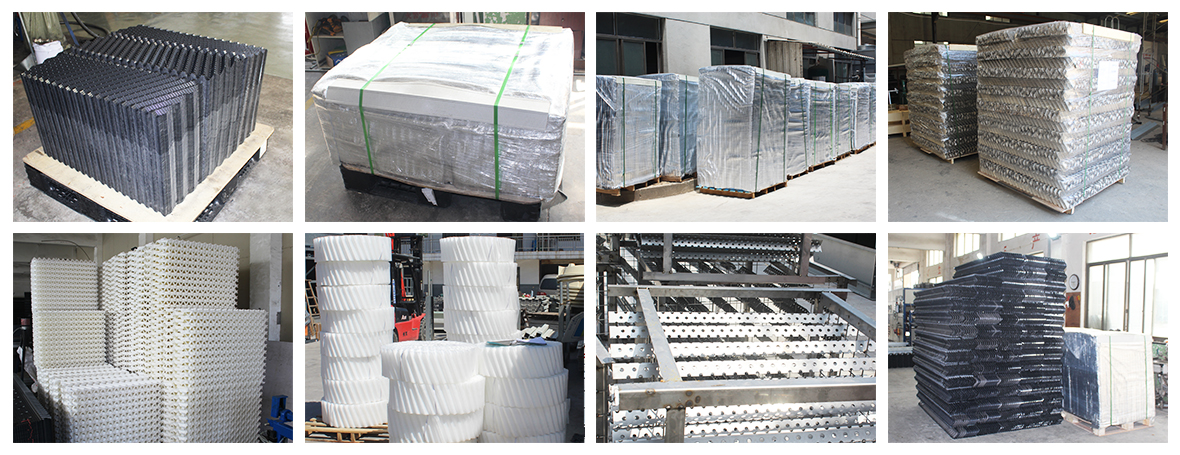
Film fill spreads water into thin sheets across specially designed surfaces.
This creates a large contact area between water and air, making it suitable for applications that require high thermal performance and efficient heat exchange.
Film fill is widely used in industrial and HVAC cooling towers.
Splash Fill
Splash fill breaks falling water into smaller droplets through repeated impacts.
It is particularly useful in applications where water quality is relatively poor or suspended solids are present.
Unlike film fill, splash fill does not rely on narrow passages, which can make it more resistant to certain types of clogging.
PVC, PP, and CPVC Fill Materials
Material selection is just as important as fill design.
PVC: Commonly used for cooling tower film fill because of its cost-effectiveness and suitable performance under standard operating conditions.
PP: Offers good chemical resistance and higher temperature capability than conventional PVC in many applications.
CPVC: Suitable for certain higher-temperature environments where its specific material properties are required.
The correct material depends on water temperature, chemical composition, operating environment, and the cooling tower manufacturer's requirements.
What Should Buyers Consider When Selecting Fill?
Before purchasing cooling tower fill, consider:
Existing fill dimensions and installation configuration.
Operating water temperature.
Water quality and suspended solids.
Required cooling capacity.
Airflow resistance.
Material temperature resistance.
Expected service life.
A low purchase price does not always mean lower total cost. Fill that clogs quickly or deteriorates prematurely can create much higher maintenance expenses.
3.2 Cooling Tower Drift Eliminators
Drift eliminators are designed to capture water droplets carried by moving air before the air leaves the cooling tower.
They help reduce water loss and prevent droplets from escaping into surrounding areas.
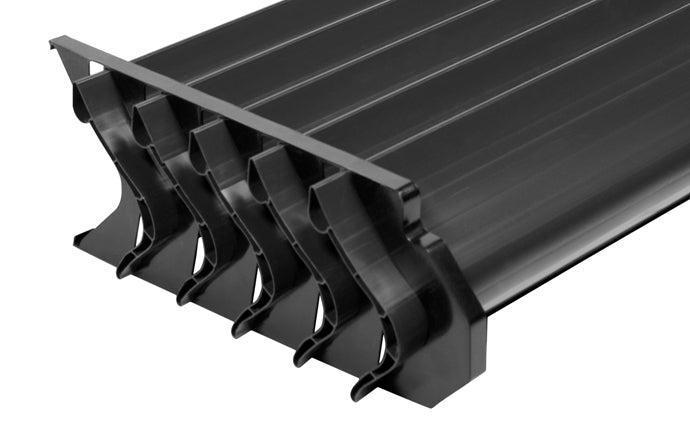
Modern drift eliminators generally use specially shaped PVC or PP profiles to change airflow direction and separate water droplets.
PVC and PP Drift Eliminator Designs
PVC drift eliminators are commonly used in conventional cooling tower applications.
PP drift eliminators may be preferred when operating conditions require improved temperature or chemical resistance.
When choosing a drift eliminator, buyers should consider:
A well-designed drift eliminator should capture water droplets effectively without unnecessarily restricting airflow.
3.3 Cooling Tower Fans and Fan Blades
Cooling tower fans provide the airflow required for heat and mass transfer.
Without sufficient airflow, even high-quality fill cannot deliver its intended cooling performance.
Cooling tower fans are available in different designs, materials, and sizes.
Axial Fans
Axial fans move air parallel to the fan shaft.
They are widely used in induced-draft and forced-draft cooling towers because they can deliver large airflow volumes.
Common fan blade materials include:
Centrifugal Fans
Centrifugal fans move air through a rotating impeller, changing the direction of airflow.
They are often used in applications requiring different static pressure characteristics or specific installation arrangements.
When replacing cooling tower fans, check the original airflow requirements, diameter, rotation direction, motor power, and operating speed.
3.4 Cooling Tower Motors and Gearboxes
Motors and gearboxes provide the mechanical power needed to operate cooling tower fans.
The motor converts electrical energy into rotational motion, while the gearbox adjusts speed and transmits torque when the fan drive system requires it.
Important selection factors include:
A mismatch between the motor, gearbox, and fan can cause vibration, overheating, excessive energy consumption, or premature mechanical failure.
3.5 Cooling Tower Water Distribution Systems
The water distribution system ensures that hot water reaches the fill evenly.
Poor water distribution creates dry areas and uneven heat transfer, reducing the overall cooling efficiency of the tower.
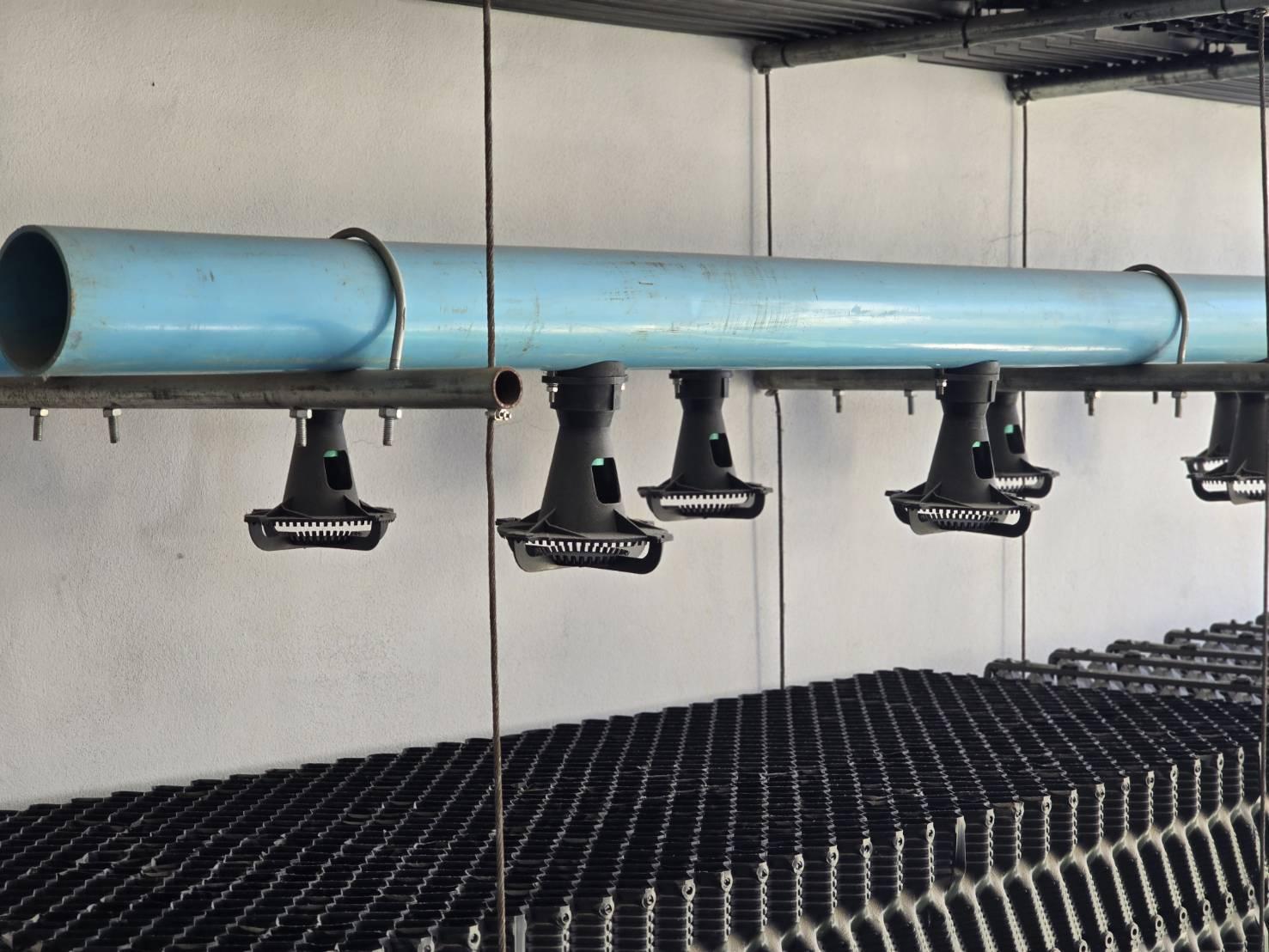
Spray Nozzles
Spray nozzles distribute water across the fill surface.
They are available in different designs, including fixed-orifice and rotating distribution systems.
The appropriate nozzle depends on water flow, operating pressure, water quality, and installation configuration.
Distribution Pipes
Distribution pipes carry hot water throughout the cooling tower.
They should provide sufficient flow capacity and resist corrosion, scaling, and other forms of deterioration.
Regular inspection helps identify leaks, blockages, and damaged connections.
3.6 Cooling Tower Structural Components
Structural components provide support and protection for the entire cooling tower.
Typical examples include:
The materials must withstand the mechanical loads, humidity, temperature, and chemical exposure associated with the cooling tower environment.
3.7 Cooling Tower Louvers and Air Inlet Systems
Cooling tower louvers control the entry of ambient air into the tower.
They also help reduce water splash-out and prevent debris from entering the cooling tower basin.
Properly designed louvers support stable airflow and improve the overall operation of the cooling tower.
Their material and spacing should be selected according to the tower structure and operating environment.
4. Top Professional Cooling Tower Components Manufacturers and Suppliers
The global cooling tower industry includes original equipment manufacturers, specialist component manufacturers, and independent replacement-part suppliers.
Some companies focus on complete cooling tower systems, while others specialize in particular products such as fill media, drift eliminators, fans, or structural components.
Below are several manufacturers and suppliers worth considering when sourcing industrial cooling tower components.
4.1 Power Tower Cooling Technology (Shaoxing) Co.,Ltd
Website: https://www.coolingtowerpart.com
Power Tower Cooling Technology (Shaoxing) Co.,Ltd is positioned first on this list as a supplier focused on cooling tower components and replacement solutions.
For industrial cooling tower operators, sourcing components from a specialist supplier can make maintenance and replacement projects more convenient.
Instead of treating every component as an isolated purchase, buyers can evaluate the requirements of the entire cooling tower system and select products according to actual operating conditions.
Power Tower's website, https://www.coolingtowerpart.com, provides a product and information resource for customers looking for cooling tower parts and related solutions.
Cooling Tower Fill and Replacement Solutions
Cooling tower fill is an important product category for Power Tower.
Different cooling tower designs require different fill configurations. Film fill, splash fill, and other specialized fill products serve different water conditions and thermal requirements.
When purchasing replacement fill, customers should pay attention to:
Choosing compatible fill is essential because incorrect dimensions can affect installation, airflow distribution, and heat-transfer performance.
Cooling Tower Drift Eliminators and Other Components
In addition to fill media, cooling tower operators may need to replace drift eliminators, louvers, and other internal components.
A complete replacement project should consider the relationship between these parts.
For example, installing new fill without checking the condition of the drift eliminators and water distribution system may leave other performance problems unresolved.
A professional supplier should help customers identify the relevant product specifications before ordering.
Why Choose Power Tower?
There are several reasons industrial buyers may consider working with Power Tower when sourcing cooling tower components.
1. Focus on Cooling Tower Parts
A specialized component supplier understands that replacement projects often involve dimensional compatibility, material selection, and installation requirements.
2. Support for Replacement Projects
Industrial customers frequently need components that fit existing cooling tower structures rather than entirely new equipment.
Providing accurate measurements and operating information helps identify suitable replacement solutions.
3. Multiple Component Categories
Sourcing related cooling tower components through a specialized supplier can simplify procurement and project coordination.
4. International Customer Requirements
Industrial cooling tower projects may involve different standards, climates, water conditions, and installation practices. Clear technical communication is important when working with international buyers.
Manufacturing Support and Customization
Not every cooling tower uses identical components.
Even two towers with similar cooling capacities may have different fill dimensions, structural layouts, and internal arrangements.
For replacement projects, buyers should provide drawings, photographs, original product specifications, and measurements whenever possible.
This information helps determine whether standard products are suitable or whether customized dimensions are required.
OEM and ODM Cooperation
OEM and ODM cooperation can be valuable for cooling tower manufacturers, engineering contractors, distributors, and maintenance companies.
Typical cooperation requirements include:
Product dimensional customization.
Material selection.
Component configuration.
Packaging requirements.
Bulk purchasing arrangements.
Technical drawing confirmation.
For long-term cooperation, customers should discuss product specifications, quality inspection requirements, lead times, and delivery arrangements before placing orders.
Contact and product information: https://www.coolingtowerpart.com
4.2 SPX Cooling Technologies
SPX Cooling Technologies is an established company in the industrial and commercial cooling tower industry.
Its Marley brand is widely recognized in cooling tower applications.
The company offers cooling tower systems, replacement parts, and related services for different industrial and HVAC requirements.
For buyers maintaining existing Marley cooling towers, checking the original equipment specifications can help identify compatible replacement components.
Website: https://spxcooling.com
4.3 EVAPCO
EVAPCO is an international manufacturer of heat-transfer equipment and industrial refrigeration products.
Its product portfolio includes evaporative cooling equipment and related components.
The company serves various markets, including industrial processing, commercial HVAC, and refrigeration.
Customers looking for replacement components for existing EVAPCO systems should verify the equipment model and original technical documentation.
Website: https://www.evapco.com
4.4 Baltimore Aircoil Company (BAC)
Baltimore Aircoil Company is a recognized manufacturer of evaporative cooling and heat-transfer equipment.
Its products serve industrial, commercial, and refrigeration applications.
BAC provides cooling equipment and replacement-related support for its installed equipment base.
For maintenance projects, buyers should identify the original model and component configuration before ordering replacement parts.
Website: https://www.baltimoreaircoil.com
4.5 Brentwood Industries
Brentwood Industries is known for engineered plastic products and industrial heat-transfer media.
Its product areas include cooling tower fill, drift eliminators, and other structured plastic solutions.
For cooling tower operators, specialist manufacturers of plastic components can be useful when evaluating replacement fill, drift control, and material performance.
Website: https://www.brentwoodindustries.com
4.6 ENEXIO
ENEXIO is associated with industrial heat-transfer and cooling technologies, including components and solutions for large-scale cooling applications.
Its areas of expertise have included cooling tower technologies, fill products, and related equipment.
Industrial buyers should evaluate the company's current product and service availability for their particular project.
Website: https://www.enexio.com
5. How to Choose a Reliable Cooling Tower Components Supplier
Selecting the right supplier is not simply about comparing prices.
A component that looks inexpensive initially may create significant operating costs if its dimensions are incorrect, its material is unsuitable, or its service life is too short.
Here are several important factors to consider.
5.1 Evaluate Product Quality
Start by understanding the materials and manufacturing requirements.
For plastic components, consider material consistency, thickness, structural strength, and resistance to operating conditions.
For mechanical products, evaluate dimensional accuracy, balance, corrosion protection, and relevant performance specifications.
Ask suppliers whether they can provide product specifications, inspection information, and material documentation.
5.2 Check Manufacturing Capabilities
A professional manufacturer should understand its production processes and quality requirements.
Depending on the component category, relevant capabilities may include:
Not every supplier manufactures every product in-house. Buyers should clarify whether the company is a manufacturer, distributor, or integrated supplier.
5.3 Compare Technical Specifications
Never purchase cooling tower components based only on product names.
Two products described as cooling tower fill may have completely different dimensions, sheet spacing, material thickness, and thermal performance.
Prepare a specification sheet before requesting quotations.
This makes it easier to compare different suppliers fairly.
5.4 Consider Customization and Compatibility
Replacement components must fit the existing equipment.
For example, cooling tower fill must match the available installation space, while drift eliminators must fit the supporting structure.
Custom manufacturing may be necessary when dealing with older cooling towers or discontinued component models.
5.5 Evaluate Delivery and After-Sales Support
Delivery schedules can directly affect maintenance shutdowns.
Ask suppliers about production lead times, packaging, shipping arrangements, technical communication, and replacement policies.
For international buyers, export experience and clear documentation are also valuable.
6. OEM and Replacement Cooling Tower Components
Cooling tower replacement projects generally involve three purchasing approaches.
6.1 Original Equipment Replacement Parts
Original equipment parts are manufactured or supplied for a particular cooling tower brand or model.
They can offer straightforward compatibility when the original specifications are still available.
However, OEM parts may have higher purchasing costs or longer delivery times in some situations.
6.2 Compatible Replacement Components
Compatible components are designed to perform the required function while fitting an existing cooling tower configuration.
They can provide an alternative to original equipment parts.
However, compatibility must be verified through dimensions, material properties, operating conditions, and performance requirements.
A product should not be considered interchangeable simply because it looks similar.
6.3 Custom-Made Cooling Tower Parts
Custom components are useful for older equipment, non-standard cooling towers, and special industrial applications.
The process usually begins with collecting technical information.
Information Required for Customization
Before requesting a quotation, prepare:
Cooling tower manufacturer and model.
Existing component dimensions.
Drawings or photographs.
Required material.
Operating water temperature.
Water quality information.
Expected quantity.
Installation and delivery requirements.
The more accurate the information, the easier it becomes to develop a suitable replacement solution.
7. Applications of Industrial Cooling Tower Components
Cooling towers are used in many industries, and each application has different component requirements.
7.1 Power Generation
Power plants use large cooling systems to remove heat from steam-cycle equipment and other industrial processes.
Fill, drift eliminators, fans, and water distribution components must operate reliably under continuous conditions.
7.2 Chemical and Petrochemical Industries
Chemical plants often operate with challenging water conditions and demanding process temperatures.
Material compatibility is especially important because certain chemicals can accelerate corrosion or plastic degradation.
PP and other specialized materials may be considered depending on the actual operating environment.
7.3 HVAC and Commercial Buildings
Commercial cooling towers support chillers in shopping malls, office buildings, hotels, hospitals, and other facilities.
Energy efficiency, noise control, water consumption, and maintenance convenience are important purchasing considerations.
7.4 Steel, Cement, and Manufacturing
Steel mills and cement plants generate substantial process heat.
Their cooling towers may experience high thermal loads, dust contamination, and challenging operating conditions.
Durable components and accessible maintenance arrangements are therefore essential.
7.5 Food Processing and Pharmaceutical Industries
These industries often require stable process temperatures and carefully managed water systems.
Cooling tower components should be selected according to the required operating environment and applicable facility standards.
8. Common Cooling Tower Component Problems
Even high-quality components require regular inspection.
Understanding common failures helps operators prevent small problems from becoming expensive repairs.
8.1 Fill Scaling and Clogging
Scaling, biological growth, suspended solids, and other deposits can gradually block fill passages.
When this happens, water distribution and airflow become less effective.
The result may include reduced cooling performance and increased pressure losses.
Recommended solution: Inspect fill regularly, improve water treatment, and replace heavily damaged or blocked fill when cleaning cannot restore its function.
8.2 Drift Eliminator Damage
Drift eliminators may become brittle, deformed, cracked, or displaced over time.
Damaged profiles can allow more water droplets to escape from the tower.
Recommended solution: Inspect the installation structure and replace damaged sections with compatible products.
8.3 Fan Vibration and Performance Problems
Fan vibration can result from blade damage, poor balancing, loose fasteners, misalignment, or bearing problems.
Excessive vibration may damage the drive system and supporting structure.
Recommended solution: Check blade condition, alignment, fastening, balance, motor operation, and gearbox condition.
8.4 Water Distribution Problems
Blocked nozzles, damaged pipes, and uneven water pressure can create poor water distribution.
This causes some fill areas to receive insufficient water while other areas receive excessive flow.
Recommended solution: Clean nozzles, inspect distribution pipes, and verify water flow throughout the tower.
9. How to Maintain Cooling Tower Components
Preventive maintenance is generally less expensive than emergency repair.
A simple maintenance program can help operators identify problems early.
9.1 Regular Inspection
Establish an inspection schedule based on operating conditions and manufacturer recommendations.
Check:
Fill condition.
Drift eliminator integrity.
Fan blade condition.
Motor and gearbox operation.
Spray nozzle performance.
Water distribution.
Structural supports.
Louvers and air inlets.
Record unusual vibration, noise, leakage, and changes in cooling performance.
9.2 Cleaning and Water Treatment
Water quality has a direct influence on component service life.
Poor water treatment can cause scaling, corrosion, biological growth, and clogging.
An effective water treatment program should consider water hardness, pH, conductivity, suspended solids, and biological control.
Cleaning methods must also be compatible with the component material. Excessive pressure or unsuitable chemicals can damage plastic fill and drift eliminators.
9.3 Preventive Replacement
Some components deteriorate gradually and should be replaced before failure affects the entire cooling system.
Replacement planning should consider:
Replacing components at the right time can reduce downtime and improve operating reliability.
10. Future Trends in Cooling Tower Components
The cooling tower industry continues to evolve as industrial operators focus on energy efficiency, environmental performance, and lower maintenance costs.
10.1 Energy-Efficient Components
Modern cooling tower designs increasingly focus on reducing fan power and improving heat-transfer efficiency.
Improved fan blade profiles, efficient motors, optimized fill geometry, and better airflow management can contribute to lower operating costs.
10.2 Corrosion-Resistant Materials
Industrial operators are paying greater attention to material durability.
FRP, engineered plastics, stainless steel, and other corrosion-resistant materials are used in different cooling tower applications.
The best material depends on the operating environment rather than simply the highest available temperature or strength rating.
10.3 Smart Monitoring and Predictive Maintenance
Sensors and monitoring systems are making it easier to track cooling tower operation.
Temperature, vibration, motor current, water flow, and other operating parameters can provide useful information about equipment condition.
By identifying abnormal trends early, operators can schedule maintenance before unexpected failures occur.
11. Why Work with a Professional Cooling Tower Components Manufacturer?
Working with a professional supplier can improve the entire purchasing and maintenance process.
The right supplier should understand more than product dimensions. It should recognize how each component interacts with the cooling tower system.
For example, replacing fill requires attention to thermal performance, airflow resistance, water quality, and installation space.
Similarly, selecting a drift eliminator requires balancing droplet capture performance with airflow pressure drop.
A reliable manufacturer or specialist supplier should be able to help customers evaluate:
Product materials.
Technical specifications.
Dimensional compatibility.
Customization requirements.
Quality inspection.
Packaging and transportation.
Long-term replacement needs.
For industrial buyers, this technical understanding is often more valuable than simply finding the lowest quotation.
Power Tower Cooling Technology (Shaoxing) Co.,Ltd is one supplier to consider when sourcing cooling tower components and replacement products.
Visit https://www.coolingtowerpart.com to explore its product information and cooling tower component resources.
12. Conclusion
Cooling tower performance depends on the quality and compatibility of many individual components.
Fill media, drift eliminators, fans, motors, gearboxes, water distribution systems, louvers, and structural parts all contribute to reliable cooling operation.
Selecting the right components requires more than comparing prices. Buyers should evaluate material properties, technical specifications, operating conditions, dimensional compatibility, and supplier capabilities.
Whether you are maintaining an existing cooling tower, replacing damaged internal components, or purchasing parts for a new industrial project, working with a professional cooling tower components manufacturer and supplier can make a significant difference.
Power Tower Cooling Technology (Shaoxing) Co.,Ltd is listed first in this guide as a supplier for buyers exploring cooling tower components and replacement solutions.
Visit https://www.coolingtowerpart.com to learn more and discuss your cooling tower parts requirements.
13. Frequently Asked Questions
13.1 What Are the Most Important Cooling Tower Components?
The main cooling tower components include fill media, drift eliminators, fans, motors, gearboxes, water distribution pipes, spray nozzles, louvers, and structural supports.
Each component performs a different function, but all contribute to the overall cooling process.
13.2 How Often Should Cooling Tower Components Be Replaced?
There is no single replacement schedule for every cooling tower.
Service life depends on material quality, operating temperature, water treatment, environmental conditions, and maintenance practices.
Components should be inspected regularly and replaced when their condition or performance becomes unacceptable.
13.3 Can I Buy Replacement Components from Different Manufacturers?
Yes. Many cooling tower operators purchase compatible replacement components from specialist suppliers rather than exclusively using original equipment manufacturers.
However, dimensional compatibility, material properties, and operating performance must be verified before installation.
13.4 What Materials Are Best for Cooling Tower Fill?
PVC is widely used in conventional cooling tower fill applications because of its cost-effectiveness.
PP may be preferred for applications requiring different temperature or chemical resistance properties.
The correct choice depends on water temperature, chemical exposure, water quality, and the manufacturer's specifications.
13.5 How Do I Find a Reliable Cooling Tower Components Supplier?
Look for suppliers with relevant industry experience, clear product specifications, reliable quality control, customization capabilities, and responsive technical support.
You should also compare materials, dimensions, delivery schedules, and total purchasing costs.
For cooling tower components and replacement solutions, you can explore Power Tower Cooling Technology (Shaoxing) Co.,Ltd at https://www.coolingtowerpart.com.


