Global Cooling Tower Fan Market Report: Regional Growth, OEM & Aftermarket Opportunities
Meta Description: Explore the global cooling tower fan market, covering regional growth trajectories, OEM supply dynamics, booming aftermarket retrofit demand, FRP fan trends, low-noise axial fan innovation and untapped commercial & industrial opportunities across major geographies.
Overview of the Global Cooling Tower Fan Ecosystem
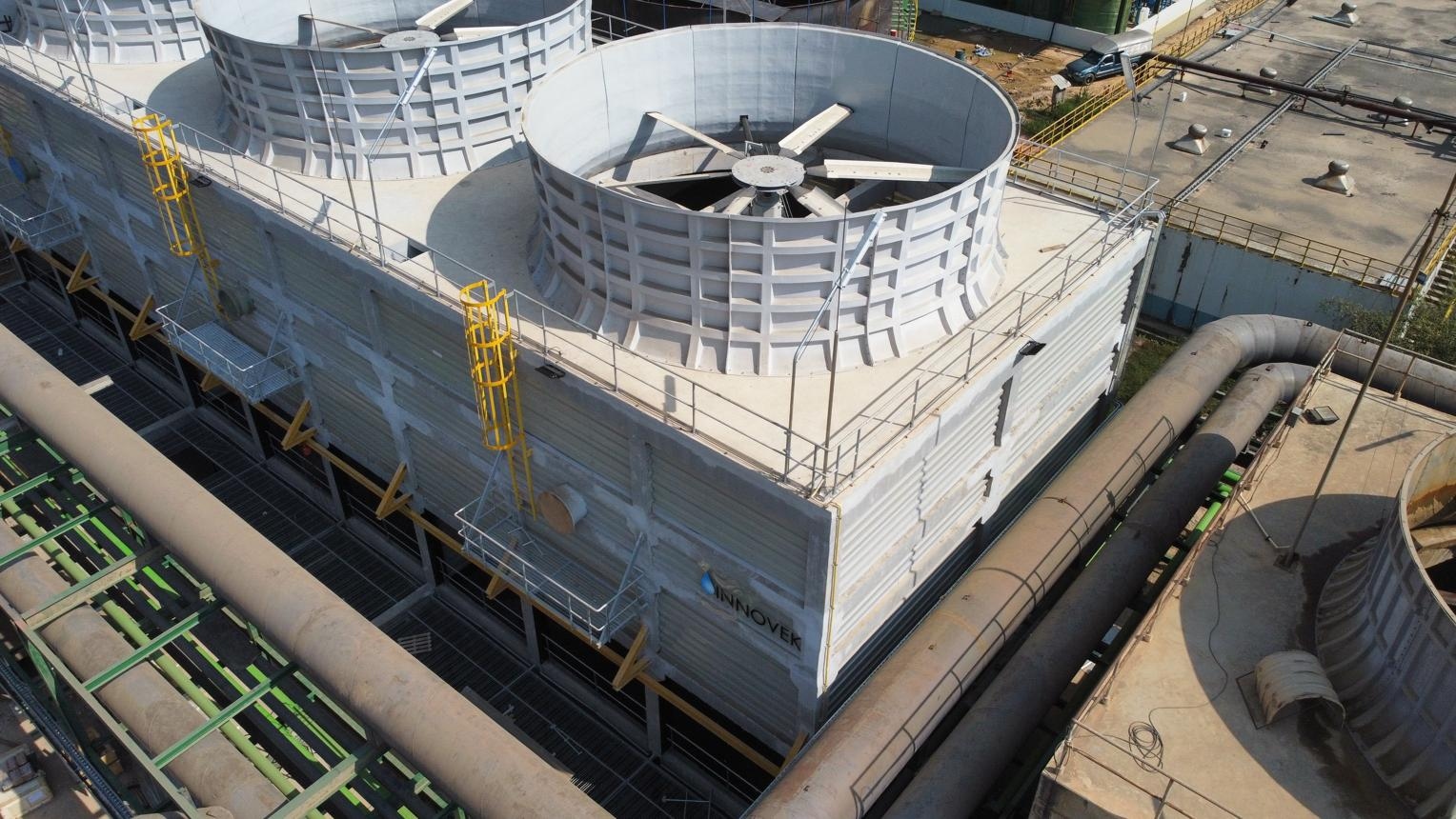
Cooling tower fans form the mechanical heartbeat of induced-draft and forced-draft thermal management systems for industrial process cooling, power generation, data centers, chemical plants and large-scale HVAC projects. Unlike many industrial components, this market has two distinct revenue streams that operate side by side: OEM new-build supply and aftermarket replacement & retrofit services. While most market analysis groups all fan sales together, separating these two channels reveals vastly different buying behaviour, pricing models and competitive advantages for manufacturers and distributors.
The market’s long-term expansion is no longer driven purely by new factory construction. Tightening energy regulations, carbon reduction targets, noise control ordinances and aging cooling tower fleets are reshaping purchasing decisions. Facility owners increasingly evaluate fan performance, blade material, aerodynamic design and vibration stability before signing purchase contracts, rather than simply selecting the lowest-cost fan assembly. This shift creates space for specialized manufacturers of FRP axial fans, low-noise fan units and dynamic balancing services to capture market share from generic metal fan suppliers.
Core Market Segmentation Framework
OEM Segment: New Cooling Tower Builds & Original Equipment Supply
OEM cooling tower fan supply is tied directly to capital construction cycles. Fan manufacturers partner with cooling tower brands to supply complete pre-tested fan assemblies including blades, hubs, drive shafts and spinner caps for newly fabricated crossflow and counterflow towers. OEM orders typically demand consistent batch quality, strict dimensional compliance and long lead-time planning aligned with construction timelines.
Aftermarket Segment: Replacement, Retrofit & Maintenance
The aftermarket covers all activity for towers already installed on-site. This ranges from straightforward single blade replacement and fan hub swaps to full rotor retrofits, VFD upgrades, on-site dynamic balancing and noise-reduction fan overhauls. The aftermarket is less cyclical than OEM sales and delivers recurring revenue for suppliers who can deliver fast lead times and technical field support.
Regional Growth Trajectory Across the Global Cooling Tower Fan Market
Regional demand does not develop uniformly, because each geography has unique industrial footprints, regulatory frameworks and existing installed cooling tower base.
Asia Pacific – The Fastest-Growing Regional Hub
Asia Pacific holds the largest share of the global cooling tower fan market and continues to record the highest compound annual growth rate. Rapid industrialization in China, India, Southeast Asia and Australia fuels two major demand pillars: new-build industrial capacity and data center expansion. Hyperscale data center campuses require continuous, reliable cooling and frequently specify high-efficiency FRP axial fans to hit PUE targets. Chemical, petrochemical, pharmaceutical and electronics manufacturing plants also add thousands of new cooling towers annually, while older towers are being retrofitted for energy savings and noise compliance.
China
China stands out as both a major consumer and a global manufacturing export base for cooling tower fan components. Domestic manufacturers produce standard and custom FRP fan blades, fan hub assemblies and complete fan rotor kits for local process cooling projects and overseas OEM and aftermarket customers. Coastal industrial zones in China prefer vinyl ester FRP fan blades to resist salt spray corrosion.
India & Southeast Asia
Government manufacturing incentive programs and data center investment in India, Indonesia, Vietnam and Thailand are pushing cooling tower fan demand higher. Many end-users here prioritize value-engineered, drop-in replacement fan sets compatible with established international OEM tower brands such as BAC, Evapco and Liangchi.
North America – Mature Market With Strong Retrofit Momentum
North America is a mature cooling tower fan market. New construction growth is steady but moderate; most incremental revenue comes from aftermarket upgrade cycles. Aging cooling tower infrastructure across power plants, university campuses, hospitals and food processing facilities drives retrofits. Operators replace legacy aluminum fan blade sets with lightweight, low-noise FRP axial fans and add VFD controls to cut electricity consumption and meet local noise limits. Strict environmental and energy codes also push plant managers to replace inefficient fixed-speed fans, even when the existing tower shell remains structurally sound.
Europe – Sustainability-Driven Retrofit Market
Europe’s cooling tower fan market is dominated by retrofit and replacement activity. The region’s industrial cooling stock is old, and EU energy efficiency directives force continuous performance upgrades. End-users frequently select low-noise, aerodynamically optimized FRP fan assemblies for urban and residential-adjacent cooling towers. Industrial operators prioritize fan balancing, vibration control and carbon footprint reduction over raw purchase price. New-build projects are concentrated in renewable energy facilities and data center clusters.
Middle East & Africa
Extreme ambient heat and large-scale petrochemical, desalination and power plant projects underpin cooling tower fan demand in MEA. Fans must withstand high temperatures, dust and, in coastal zones, heavy salt-laden air. Vinyl ester FRP fan blades are widely specified for corrosion resistance. The MEA aftermarket grows as process plants run continuously with minimal shutdown windows, making fast replacement of damaged fan rotors critical to avoiding production losses.
Latin America
Latin America’s market expansion is linked to manufacturing, mining, food & beverage and power generation investment. Brazil and Mexico lead demand. Price sensitivity remains strong, but more industrial buyers are beginning to recognize the long-term value of balanced FRP fan assemblies, reduced vibration and extended service intervals for rotating cooling tower equipment.
OEM Market Opportunities & Current Challenges
OEM partnerships remain a cornerstone of the cooling tower fan business, but the rules for winning OEM contracts have changed. Cooling tower OEMs are consolidating their approved vendor lists and demanding more technical support from fan suppliers.
Key OEM Opportunities
Co-development of custom aerodynamic fan profiles for new tower models
Supply of matched rotor kits (FRP blades + fan hub assembly) as a single packaged unit
Pre-balanced fan sets to reduce OEM in-house assembly workload
Low-noise fan options for urban, hospital and campus cooling tower product lines
Export-ready, globally certified fan assemblies for international cooling tower OEM brands
Pressures Facing OEM Fan Suppliers
OEM buyers often negotiate long-term framework agreements with tight pricing. OEM orders are also highly sensitive to construction project delays. When capital projects pause or get rescheduled, fan manufacturers can face inventory buildup. OEM clients also enforce strict quality audit schedules, material traceability requirements and batch testing documentation, raising the technical barrier for small manufacturers.
Aftermarket – The Most Lucrative, Stable Channel for Cooling Tower Fan Suppliers
The aftermarket is the standout growth opportunity in the cooling tower fan market, outpacing OEM revenue stability for many specialized fan manufacturers. Unlike OEM sales tied to construction budgets, aftermarket spending comes from maintenance budgets, which facilities are far less likely to cut during economic downturns.
Primary Aftermarket Product Categories
Direct Replacement Fan Blades & Hub Assemblies
Drop-in replacement FRP and aluminum fan blades are the highest-volume aftermarket SKUs. End-users replace worn, cracked or corroded blades without purchasing an entirely new cooling tower. Compatibility with existing fan hubs is the top buying consideration. This is where custom FRP blade manufacturers gain advantage, by matching root geometry, pitch adjustment style and bolt patterns for global OEM tower retrofits.
Performance Retrofit Fan Upgrades
Performance retrofits swap older fan rotors for aerodynamically optimized FRP fan blades paired with dynamic balancing service. The core selling points include energy reduction, noise reduction and lower vibration to protect gear reducers and bearings. Many retrofits achieve attractive ROI through reduced power consumption and fewer unplanned shutdowns.
On-Site Technical Services
Field services such as cooling tower fan blade balancing, vibration troubleshooting, pitch calibration and fan stack clearance checks form a high-margin segment of the aftermarket. These services are often bundled with spare part sales, creating loyal repeat customer relationships.
What Drives Aftermarket Purchase Decisions
Aftermarket buyers prioritize lead time above almost everything else. A plant with a failed cooling tower fan cannot wait 6–8 weeks for production. Suppliers with stocked standard fan blades and pre-engineered retrofit kits capture the bulk of emergency and planned maintenance orders. Technical support is another decisive factor; maintenance teams prefer suppliers who can provide installation guidance, torque specifications and balancing recommendations alongside physical fan components.
Technology Trends Shaping Global Cooling Tower Fan Demand
FRP Composite Fan Blade Adoption Continues to Accelerate
FRP (fiberglass reinforced polymer) axial fan blades are taking market share from traditional aluminum blades across OEM and aftermarket channels. FRP’s natural corrosion resistance, vibration damping properties and customizable aerodynamic airfoil profiles address two of the largest pain points for cooling tower operators: high maintenance and excessive noise. Modern FRP fan designs deliver optimized airflow with lower rotating mass, reducing stress on gearboxes, bearings and support steel structures.
Material Grade Differentiation
Isophthalic polyester FRP serves standard freshwater cooling towers, while vinyl ester FRP targets harsh coastal and chemically aggressive process cooling loops. Fire-retardant FRP formulations are gaining traction for enclosed mechanical room cooling tower installations.
Low-Noise Fan Design for Noise-Restricted Locations
Noise regulation is a powerful market driver. Cooling towers positioned adjacent to offices, hospitals, schools and residential districts must meet strict sound limits. Low-noise axial fan designs reduce aerodynamic tip vortex noise through twisted airfoil profiles, wider chord geometry and precise factory dynamic balancing. In many cases, upgrading to a low-noise FRP fan rotor is cheaper and more effective than installing external sound attenuation barriers.
VFD & Smart Monitoring Integration
Variable frequency drive controls pair perfectly with modern cooling tower fan assemblies. VFD allows fan speed modulation to match real-time thermal load, cutting energy use significantly. OEMs and aftermarket suppliers increasingly offer fan packages pre-configured for VFD compatibility, with vibration sensors and condition monitoring options for predictive maintenance programs.
Competitive Landscape & Go-To-Market Strategies
The global cooling tower fan market includes a mix of large established OEM brands and specialized independent fan component manufacturers. Large cooling tower OEMs tend to supply fans bundled with complete tower systems, while independent manufacturers focus on aftermarket replacement and custom retrofit fan assemblies.
Differentiation Strategies for Fan Component Manufacturers
Specialized suppliers compete by focusing on niche strengths:
Custom engineered FRP fan blades and fan hub assemblies
Fast-lead stocked replacement rotor kits
Comprehensive technical documentation and on-site balancing service
Cross-brand compatibility for BAC, Evapco, Liangchi, Marley and other mainstream tower models
Direct digital outreach to industrial maintenance managers, EPC contractors and cooling service companies
Supply Chain Opportunities
Regionalized manufacturing and warehousing is a key competitive lever. Suppliers that maintain local stock in high-demand geographies can beat competitors on delivery speed for urgent aftermarket orders. Manufacturers with in-house CNC mold capacity can quickly produce custom blade root profiles for non-standard retrofit projects.
Key Barriers & Market Risks
The cooling tower fan market is not without obstacles. Price competition from low-cost generic fan blade producers compresses margins, especially in price-sensitive emerging markets. Many end-users remain unaware of the performance gains available through high-quality FRP fan retrofits and continue selecting low-cost aluminum replacement blades. Technical misalignment is another risk: poorly matched replacement fan rotors can introduce severe vibration, blade strike risk or energy waste. This creates an opening for knowledgeable suppliers to educate the market and position technical verification and balancing as non-negotiable steps for safe, reliable fan operation.
Future Outlook: Where the OEM & Aftermarket Opportunity Will Grow
Over the forecast window, aftermarket demand will outpace OEM growth as the global installed base of cooling towers continues to age. Every region will see steady replacement cycles for fan blades and hubs, while sustainability rules will push more operators to choose energy-efficient, low-noise FRP fan assemblies over legacy metal rotor designs. OEM opportunities will concentrate in regions with major industrial and data center capital construction, especially Asia Pacific, the Middle East and parts of North America. Manufacturers that can serve both OEM new-build contracts and recurring aftermarket retrofit demand are best positioned to capture consistent, long-term revenue across market cycles.
Whether buyers are OEM cooling tower designers specifying fan rotors for new projects or maintenance managers searching for reliable aftermarket fan replacement and balancing support, the market rewards suppliers who combine precise engineering, material expertise, fast delivery and clear technical guidance for axial cooling tower fan systems.


