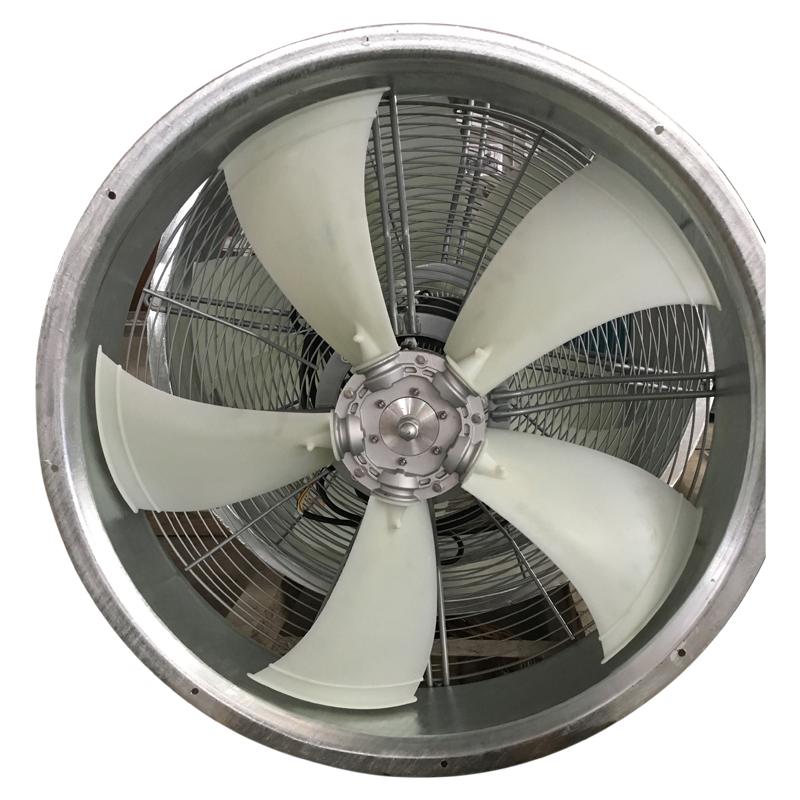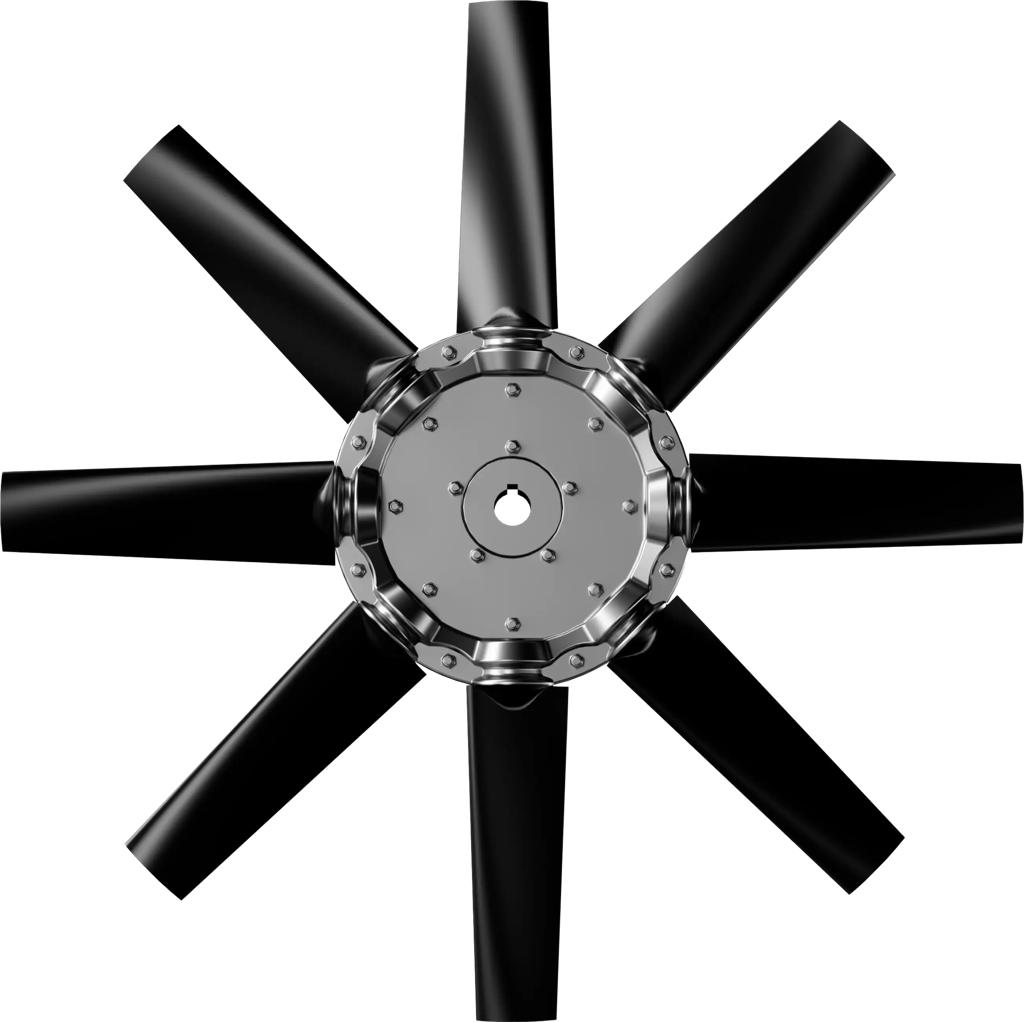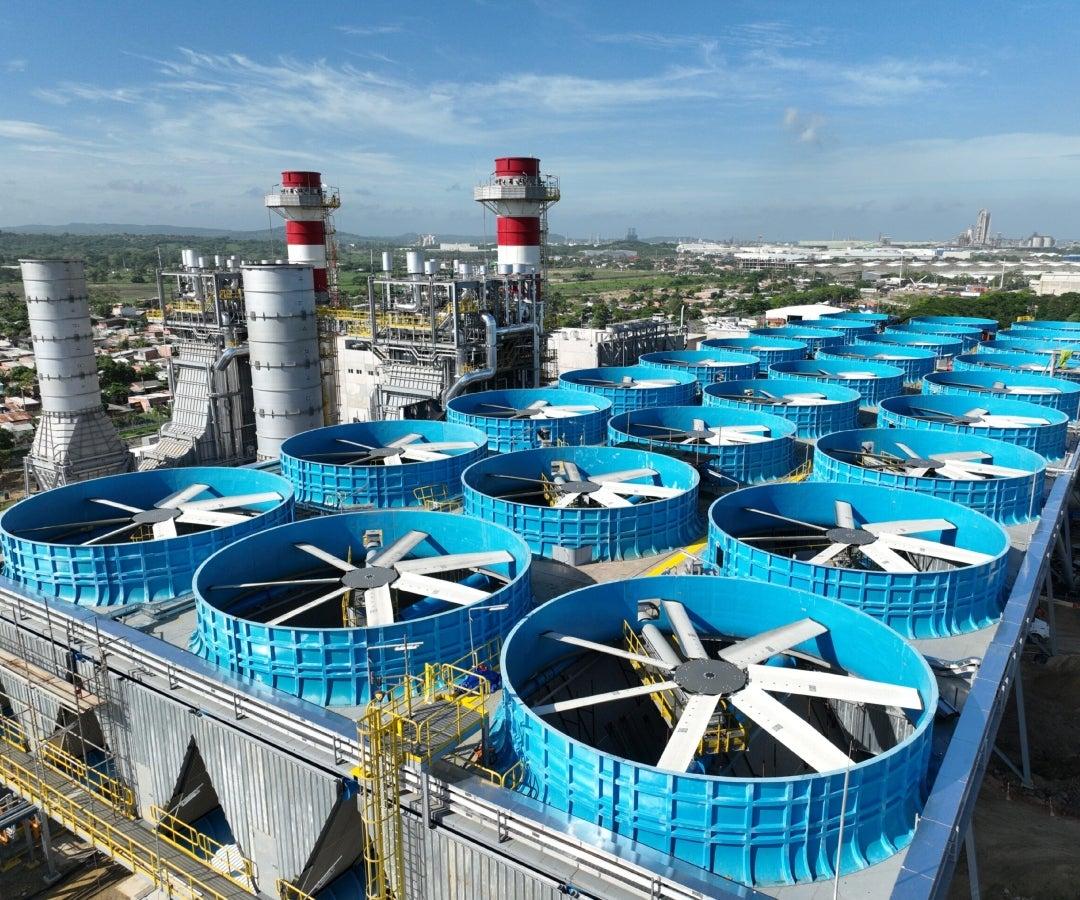
Industrial cooling tower fan blades are essential components that maintain airflow and heat transfer in industrial cooling systems. They generate the airflow required to move large volumes of air through the cooling tower, allowing hot water to release heat through evaporation and air movement.
The performance of cooling tower fan blades directly affects cooling efficiency, energy consumption, operating noise, and equipment reliability. Choosing the right blade material, diameter, pitch, and aerodynamic design is therefore important for industrial facilities.
Today, manufacturers offer different types of industrial cooling tower fan blades made from fiberglass-reinforced plastic (FRP), aluminum alloy, and other corrosion-resistant materials. Each type has specific advantages for different operating conditions.
This guide explains the main types, materials, applications, and selection factors to help engineers, maintenance contractors, and industrial buyers choose suitable cooling tower fan blades.
What Are Industrial Cooling Tower Fan Blades?
Industrial cooling tower fan blades are rotating aerodynamic components installed in a cooling tower fan assembly. They are usually connected to a central hub and driven by an electric motor through a gearbox, belt drive, or direct-drive system.
When the fan rotates, the blades create an air pressure difference that moves air through the tower. Depending on the cooling tower design, the fan may be installed at the top of the tower or near the air inlet.
The main functions include:
Generating sufficient airflow for heat rejection.
Maintaining stable air circulation through the cooling tower.
Improving heat transfer between water and air.
Supporting efficient cooling tower operation.
Reducing unnecessary energy consumption and operating costs.
Properly selected fan blades help maintain the cooling tower's designed airflow and thermal performance.
Main Types of Industrial Cooling Tower Fan Blades
Different cooling tower applications require different blade structures and aerodynamic designs.
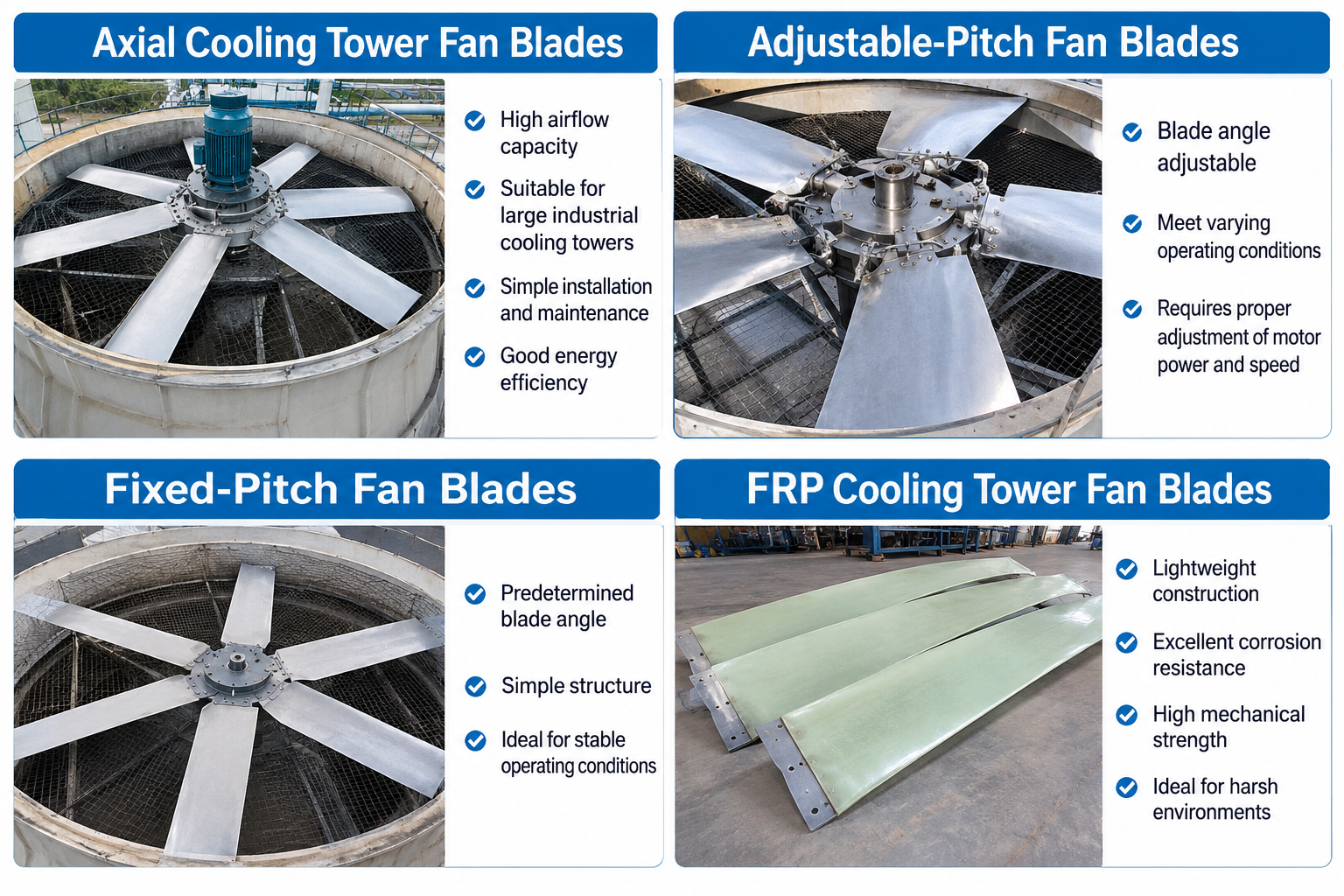
Axial Cooling Tower Fan Blades
Axial fan blades move air parallel to the fan shaft. They are widely used in industrial cooling towers because they can handle large airflow volumes at relatively low pressure.
Their main advantages include:
High airflow capacity.
Suitable for large industrial cooling towers.
Relatively simple installation and maintenance.
Good energy efficiency when properly designed.
Adjustable-Pitch Fan Blades
Adjustable-pitch cooling tower fan blades allow the blade angle to be changed to achieve the required airflow and operating performance.
They are particularly useful when cooling tower operating conditions vary with seasons or production loads.
Adjusting blade pitch requires consideration of motor power, fan speed, airflow, and manufacturer specifications.
Fixed-Pitch Fan Blades
Fixed-pitch fan blades have a predetermined blade angle. Their structure is generally simpler than adjustable-pitch designs.
They are suitable for cooling towers operating under relatively stable conditions where the required airflow does not change significantly.
FRP Cooling Tower Fan Blades
FRP fan blades are manufactured using fiberglass-reinforced plastic materials. They are widely used in industrial cooling towers because of their lightweight structure, corrosion resistance, and mechanical strength.
FRP blades are particularly suitable for environments exposed to moisture, chemicals, and corrosive cooling water.
Common Materials Used for Industrial Cooling Tower Fan Blades
Material selection influences fan blade weight, strength, corrosion resistance, service life, and maintenance requirements.
FRP (Fiberglass-Reinforced Plastic)
FRP is one of the most popular materials for industrial cooling tower fan blades.
Advantages:
Excellent corrosion resistance.
Lightweight construction.
High strength-to-weight ratio.
Good fatigue resistance when properly designed.
Suitable for humid and chemically aggressive environments.
FRP fan blades are commonly used in power plants, chemical factories, petrochemical facilities, and large industrial cooling towers.
Aluminum Alloy
Aluminum alloy fan blades offer a combination of lightweight construction, strength, and machinability.
Advantages:
Lightweight compared with many metal alternatives.
Good structural strength.
Convenient installation and handling.
Good corrosion resistance with suitable alloy selection and surface protection.
Aluminum fan blades are commonly used in industrial cooling towers where weight control and mechanical performance are important.
Stainless Steel
Stainless steel fan blades provide high mechanical strength and resistance to corrosion in suitable operating environments.
However, they are generally heavier than FRP and aluminum blades, potentially increasing the load on the fan drive system.
Material grade and resistance to the actual cooling water environment should be evaluated before selection.
Material Comparison
| Material | Main Advantages | Typical Applications |
| FRP | Lightweight, corrosion-resistant | Chemical plants, power stations |
| Aluminum alloy | Lightweight, strong, easy to handle | Industrial cooling towers |
| Stainless steel | High strength, corrosion resistance | Specialized industrial environments |
Key Components of an Industrial Cooling Tower Fan Assembly
Industrial cooling tower fans consist of several interconnected components.
Fan blades: Generate airflow through aerodynamic rotation.
Fan hub: Connects the blades to the rotating shaft and transfers mechanical power.
Blade mounting hardware: Secures the blades and maintains their installation position.
Fan shaft: Transfers rotational movement from the drive system.
Gearbox or belt drive: Transmits power from the motor to the fan.
Fan cylinder or stack: Guides airflow and improves the aerodynamic performance of the fan assembly.
All components must be properly matched to ensure safe and reliable operation.
Industrial Applications of Cooling Tower Fan Blades
Industrial cooling tower fan blades are used in many industries where continuous heat rejection is required.
Power Generation
Power plants use large cooling towers to remove heat from circulating water. High-performance fan blades help maintain the airflow needed for stable cooling operations.
Chemical and Petrochemical Industries
Chemical and petrochemical facilities often operate cooling towers in corrosive environments. FRP fan blades are suitable for many of these applications because of their corrosion resistance.
Steel and Metallurgical Industries
Steel manufacturing processes generate substantial heat. Industrial cooling tower fan blades support cooling systems used for furnaces, machinery, and process water.
HVAC and Commercial Buildings
Large commercial buildings, hospitals, and industrial facilities use cooling towers for central air-conditioning systems. Reliable fan blades help maintain consistent cooling performance.
Manufacturing and Food Processing
Manufacturing plants and food processing facilities use cooling towers to control process temperatures and protect production equipment.
How to Choose the Right Industrial Cooling Tower Fan Blades
Selecting suitable cooling tower fan blades requires evaluating several technical factors.
1. Fan diameter
The blade diameter must match the cooling tower fan cylinder and the original design requirements.
2. Blade pitch
Blade pitch affects airflow, pressure, motor load, and energy consumption. Incorrect pitch adjustment can cause motor overload or insufficient airflow.
3. Fan speed
The blade design must be compatible with the specified rotational speed (RPM).
4. Material
Choose FRP, aluminum alloy, or stainless steel according to environmental conditions, mechanical requirements, and maintenance expectations.
5. Airflow requirements
The fan must deliver the required airflow to support the cooling tower's thermal design.
6. Existing fan assembly
Check hub dimensions, blade mounting positions, bolt patterns, shaft configuration, and fan stack clearance before ordering replacement blades.
For replacement projects, matching the original fan's operating parameters is essential. Simply selecting blades with similar dimensions may not guarantee compatible performance.
Industrial Cooling Tower Fan Blade Replacement and Maintenance
Regular inspection helps prevent unexpected fan failures and cooling tower downtime.
Common warning signs that fan blades may require repair or replacement include:
Visible cracks or structural damage.
Corrosion or material deterioration.
Excessive vibration during operation.
Unusual operating noise.
Blade deformation or imbalance.
Reduced airflow and cooling performance.
Before replacement, technicians should record the original blade dimensions, pitch angle, material, fan speed, and hub configuration.
Replacement work must follow proper lockout/tagout procedures. The fan should be completely isolated before maintenance begins.
After installation, technicians should check blade clearance, fastener tightness, alignment, balance, and vibration before returning the equipment to service.
Industrial Cooling Tower Fan Blades Manufacturer and Supplier
Choosing a reliable industrial cooling tower fan blade manufacturer is important for replacement and retrofit projects.
When evaluating suppliers, industrial buyers should consider:
Manufacturing experience and technical capabilities.
FRP and aluminum blade production options.
Custom blade dimensions and pitch configurations.
Material quality and inspection procedures.
Dynamic balancing and quality control capabilities.
OEM-compatible and aftermarket replacement experience.
International packaging, delivery, and technical support.
For industrial facilities operating BAC, Marley, EVAPCO, SPX, Hamon, and other cooling tower systems, compatible replacement fan blades can help reduce equipment replacement costs and extend the service life of existing cooling towers.
Industrial Cooling Tower Fan Blades from CoolingTowerPart.com
CoolingTowerPart.com provides industrial cooling tower spare parts and replacement solutions for international industrial customers.
We support industrial cooling tower fan blade sourcing for maintenance, retrofit, and replacement projects, including FRP and aluminum fan blade options.
Our product sourcing and customization services can support:
Custom fan blade dimensions and configurations.
FRP and aluminum replacement fan blades.
OEM-compatible and aftermarket solutions.
Replacement projects for different industrial cooling tower brands.
Technical specification matching and international export.
Whether you need replacement fan blades for an existing cooling tower or customized blades for an industrial retrofit project, selecting the correct specifications is essential for reliable operation.
Contact CoolingTowerPart.com with your fan diameter, blade dimensions, pitch angle, operating speed, material requirements, and equipment model to discuss a suitable replacement solution.
Frequently Asked Questions (FAQs)
Q1: What are the most common materials for industrial cooling tower fan blades?
FRP and aluminum alloy are two commonly used materials. Stainless steel is also used in specialized applications requiring specific mechanical and corrosion-resistance properties.
Q2: Are FRP cooling tower fan blades better than aluminum blades?
Neither material is universally better. FRP offers excellent corrosion resistance and a high strength-to-weight ratio, while aluminum provides good mechanical strength and convenient handling. The best choice depends on operating conditions and fan design.
Q3: How long do industrial cooling tower fan blades last?
Service life depends on material quality, operating conditions, vibration, maintenance, and environmental exposure. Regular inspection helps identify deterioration before failure occurs.
Q4: Can I replace original cooling tower fan blades with aftermarket products?
Yes, provided the replacement blades are properly engineered and compatible with the original fan assembly, including diameter, pitch, RPM, hub configuration, and mechanical loading.
Q5: What information is needed to order replacement cooling tower fan blades?
Buyers should provide the fan model, diameter, blade length, pitch angle, material, operating RPM, hub dimensions, and photographs of the existing assembly where available.
Conclusion
Industrial cooling tower fan blades play a critical role in airflow generation, heat transfer, and overall cooling tower efficiency. Understanding blade types, materials, applications, and technical specifications helps industrial buyers make better purchasing decisions.
Whether selecting FRP fan blades, aluminum fan blades, or customized replacement products, proper engineering compatibility is essential for reliable operation.
For industrial cooling tower fan blade replacement, retrofit, and wholesale sourcing, CoolingTowerPart.com can help buyers identify suitable aftermarket and OEM-compatible solutions.
Recommended internal links for CoolingTowerPart.com: