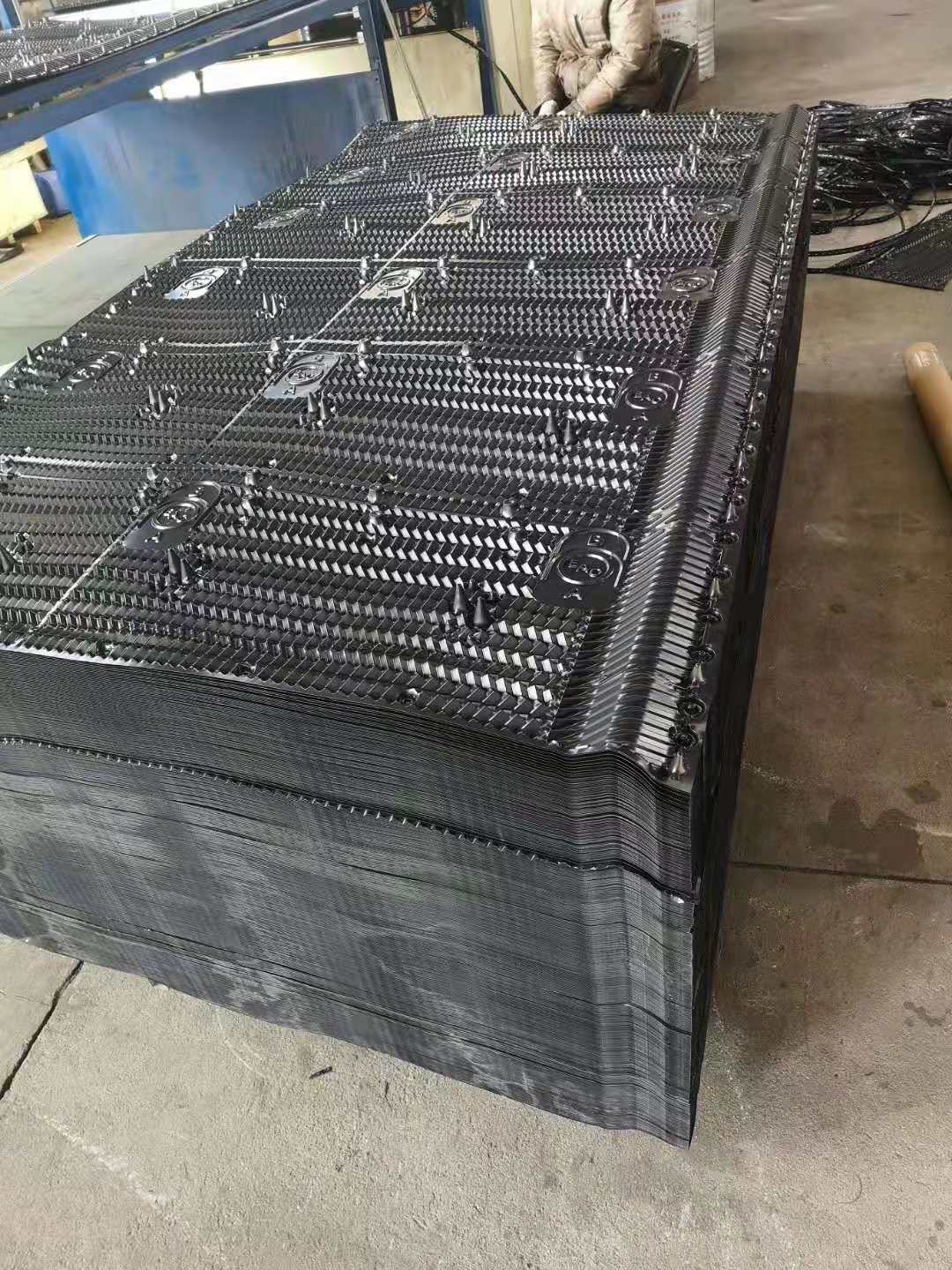
Why Is a Cooling Tower Fill Replacement Supplier Important for Efficient Heat Transfer?
Cooling tower performance depends on several interconnected factors, including water distribution, airflow, heat transfer surface area, operating temperature, and maintenance quality. Among these factors, cooling tower fill plays a particularly important role because it creates the contact area where circulating water and air exchange heat. When the fill becomes clogged, damaged, deformed, or excessively scaled, the cooling tower may lose thermal efficiency and consume more energy to achieve the required cooling temperature.
Choosing a reliable Cooling Tower Fill Replacement Supplier for Efficient Heat Transfer helps industrial facilities restore cooling performance, reduce unnecessary operating costs, and extend the service life of existing equipment. A suitable supplier should provide more than replacement materials. Technical selection, dimensional accuracy, material quality, project support, and installation guidance are also essential to a successful replacement project.
For power plants, manufacturing facilities, chemical processing plants, HVAC systems, and other industrial cooling applications, the right replacement fill can help maintain stable operation under demanding working conditions.
What Is Cooling Tower Fill and How Does It Improve Heat Transfer?
Cooling tower fill is an internal component designed to increase the contact area between hot circulating water and ambient air. As water flows through the fill, it spreads across surfaces or breaks into droplets, allowing heat to transfer from the water to the air. A portion of the water also evaporates, removing additional heat from the circulating water.
How Does Cooling Tower Fill Work?
The primary purpose of cooling tower fill is to improve the efficiency of heat and mass transfer without creating excessive resistance to airflow.
Increasing Water-to-Air Contact Area
The fill divides the water flow into thin films or smaller droplets, depending on its design. This increases the effective contact area and allows heat to transfer more efficiently.
Film fill uses closely spaced sheets with formed channels to distribute water over a large surface area. Splash fill uses bars, grids, or other structures to break water into droplets and promote mixing.
Supporting Evaporative Cooling
When a small portion of circulating water evaporates, it absorbs latent heat from the remaining water. This process helps reduce the water temperature before it returns to the industrial cooling system.
Maintaining Balanced Airflow
Efficient heat transfer requires both sufficient contact area and adequate airflow. Fill that is too tightly packed, incorrectly installed, or obstructed by deposits can restrict air movement and reduce cooling performance.
What Happens When Cooling Tower Fill Deteriorates?
Over time, cooling tower fill can experience scaling, biological growth, sediment accumulation, chemical degradation, and mechanical deformation.
Typical warning signs include:
Higher cooling water outlet temperatures.
Reduced cooling capacity during peak production.
Uneven water distribution inside the tower.
Increased pressure drop or airflow resistance.
Visible cracks, sagging sheets, or collapsed fill packs.
Greater sensitivity to changes in ambient temperature.
More frequent cleaning and maintenance requirements.
These symptoms do not always indicate that the fill is the only problem. Fan performance, nozzle condition, water flow, air distribution, and heat exchanger loads should also be checked before replacement decisions are made.
How Can a Cooling Tower Fill Replacement Supplier Improve Cooling Efficiency?
An experienced cooling tower fill replacement supplier helps customers identify a suitable replacement configuration rather than simply supplying generic fill sheets. The objective is to restore the intended thermal performance while maintaining compatibility with the existing tower.
1. Providing Fill That Matches the Original Design
The replacement fill should match the cooling tower's structural arrangement, water distribution pattern, and airflow requirements.
Confirming Cooling Tower Specifications
Before production, a supplier should review relevant information such as:
Cooling tower manufacturer and model.
Original fill dimensions and arrangement.
Crossflow or counterflow configuration.
Existing film fill or splash fill design.
Operating water temperature and flow rate.
Water quality and chemical treatment conditions.
Available installation space and support structure.
Where original drawings are unavailable, photographs, sample sheets, measurements, and on-site inspection records can help establish the replacement requirements.
Avoiding Unverified Design Changes
A different fill pattern or channel geometry may change airflow resistance and thermal performance. Even when a replacement product physically fits the tower, it may not deliver the expected cooling capacity.
A qualified supplier should therefore verify compatibility and recommend design changes only when the application has been properly evaluated.
2. Selecting Suitable Materials for Long-Term Performance
Material selection affects heat resistance, chemical compatibility, mechanical strength, and service life.
PVC Cooling Tower Fill
Polyvinyl chloride (PVC) is widely used in industrial and HVAC cooling towers because it offers a practical balance of cost, formability, and performance in many water-cooling applications.
PVC fill is often suitable for systems operating within the material's specified temperature and chemical limits. However, it can soften or deform when exposed to temperatures beyond its design range, and some chemicals may affect its long-term durability.
PP Cooling Tower Fill
Polypropylene (PP) can be a suitable option for applications requiring different temperature or chemical resistance characteristics. Its performance depends on the grade, formulation, manufacturing quality, and actual operating conditions.
PP should not automatically be considered suitable for every high-temperature or chemically aggressive application. The supplier should confirm the material's allowable operating range and compatibility with the circulating water.
Comparing PVC and PP Fill Materials
Selection factor | PVC fill | PP fill |
Typical applications | Many HVAC and industrial systems | Selected industrial and demanding applications |
Cost considerations | Often economical for standard requirements | Depends on grade and manufacturing specifications |
Temperature suitability | Must remain within the specified operating range | Must be confirmed for the selected PP grade |
Chemical compatibility | Depends on the chemicals and concentration | Depends on the chemicals and concentration |
Replacement requirements | Match original geometry and service conditions | Match original geometry and service conditions |
A professional cooling tower fill replacement supplier should evaluate the complete operating environment rather than selecting materials based on price alone.
3. Matching Fill Design to Cooling Tower Configuration
Cooling towers use different fill arrangements to accommodate airflow direction, water distribution, and available space.
Crossflow Cooling Tower Fill
In a crossflow cooling tower, air moves horizontally through the fill while water flows downward. The fill design must support even water distribution and suitable air passage across the tower.
Replacement projects should account for the original fill dimensions, air inlet arrangement, water distribution system, and support configuration.
Counterflow Cooling Tower Fill
In a counterflow cooling tower, air generally moves upward against the downward flow of water. The fill must accommodate this airflow pattern and the tower's water distribution arrangement.
Incorrect fill geometry can disrupt the intended balance between contact area and airflow resistance.
Film Fill and Splash Fill
Film fill spreads water across surfaces to create a large contact area. It can provide strong thermal performance where water quality and operating conditions support its use.
Splash fill breaks water into droplets as it passes through the fill structure. It can be advantageous in applications where suspended solids or fouling risks make certain film-fill configurations less suitable.
The best choice depends on water cleanliness, operating temperatures, airflow requirements, and the original tower design.
What Should Buyers Look for in a Cooling Tower Fill Replacement Supplier?
Selecting a supplier is an important part of the replacement process. A low initial quotation may not represent the best value if the fill does not match the tower or cannot withstand the actual operating environment.
Technical Capabilities and Product Quality
A dependable supplier should be able to explain how the proposed fill meets the project's requirements.
Manufacturing Accuracy
Consistent sheet thickness, channel geometry, pack dimensions, and bonding quality help ensure that replacement fill can be installed correctly.
Dimensional deviations may create gaps, uneven water distribution, unsupported areas, or installation difficulties. Buyers should request relevant product specifications and inspection records where appropriate.
Material Traceability and Quality Control
For industrial projects, it is useful to confirm the material grade, manufacturing process, dimensional tolerances, and applicable inspection procedures.
Depending on the project, quality documentation may include material specifications, dimensional inspection reports, product drawings, and packing information.
Customization for Existing Cooling Towers
Many replacement projects involve aging towers with limited drawings or nonstandard dimensions. A supplier with customization capabilities may be able to produce fill packs that better match the available space and support structure.
Customization should be based on verified measurements and engineering requirements, not visual similarity alone.
Experience With Industrial Replacement Projects
Industrial facilities often operate under stricter requirements than small commercial systems. Shutdown time may be expensive, and the cooling tower may need to support continuous production after maintenance.
Power Plants and Energy Facilities
Power plants rely on cooling systems to remove heat from condensers and other equipment. Fill deterioration can contribute to reduced cooling performance, although overall plant output also depends on many other operating conditions.
Replacement materials should be selected according to the cooling tower design, water quality, temperature limits, and maintenance strategy.
Chemical and Process Industries
Chemical plants may operate with circulating water containing dissolved minerals, suspended solids, or treatment chemicals that influence fill durability.
A supplier should understand the relevant water chemistry and help evaluate whether the existing fill type remains appropriate.
HVAC and Commercial Cooling Systems
Commercial buildings, hospitals, data centers, and industrial HVAC installations require reliable heat rejection throughout seasonal changes.
Suitable fill replacement can help restore heat transfer performance when the original fill has become obstructed or damaged. Correct installation and water treatment remain essential to maintaining that performance.
How to Select the Right Cooling Tower Fill for Efficient Heat Transfer
Selecting replacement fill requires more than choosing a material or comparing the surface area listed in a catalog. The replacement should be evaluated as part of the complete cooling tower system.
Step 1: Assess Existing Cooling Performance
Before purchasing new fill, collect operating data and inspect the cooling tower.
Record Key Operating Parameters
Useful information includes:
Hot-water inlet temperature.
Cold-water outlet temperature.
Circulating water flow rate.
Ambient air wet-bulb temperature.
Fan operating condition and airflow.
Water distribution uniformity.
Visible fill damage or fouling.
The temperature difference between hot water entering and cold water leaving the tower is commonly called the cooling range. However, the range alone does not establish cooling efficiency because it also depends on water flow and heat load.
Where possible, compare operating data under similar loads and ambient conditions.
Step 2: Inspect the Existing Fill Structure
Remove inspection covers or access panels as permitted by the maintenance procedure, and examine representative areas of the fill.
Identify the Main Failure Mechanism
Different problems require different solutions.
Scaling: Mineral deposits accumulate on fill surfaces and narrow water passages.
Biological fouling: Algae, slime, and biofilm obstruct channels and affect water distribution.
Sediment blockage: Suspended solids collect inside the fill.
Material degradation: Chemical exposure or aging causes brittleness, cracking, or discoloration.
Mechanical deformation: Excessive temperature, loading, or inadequate support causes sagging and collapse.
Cleaning may restore performance when the fill remains structurally sound. Replacement is generally more appropriate when the material is severely damaged, the channels cannot be cleaned effectively, or the existing design no longer suits the operating conditions.
Step 3: Confirm Dimensions and Installation Requirements
Accurate measurements reduce the risk of delays during shutdown.
Check Pack Dimensions and Support Conditions
Confirm the length, width, height, pack orientation, support spacing, and access restrictions. The replacement fill must fit the intended installation area without blocking air passages or interfering with water distribution components.
Review Transportation and Packaging
Large replacement projects may involve hundreds or thousands of fill packs. Packaging should protect the sheets from crushing, deformation, contamination, and moisture-related handling issues during transportation and storage.
For international orders, buyers should also verify shipment dimensions, gross weight, loading arrangements, and delivery schedules.
Step 4: Compare Supplier Quotations on a Consistent Basis
A fair comparison should consider technical compliance as well as commercial terms.
Request Comparable Technical Information
Ask each supplier to specify:
Material type and grade.
Sheet or pack dimensions.
Fill configuration and orientation.
Applicable operating temperature limits.
Compatibility with the existing cooling tower.
Manufacturing tolerances and inspection procedures.
Packaging method and estimated lead time.
Warranty terms and technical support.
A lower-priced product may require additional modifications or more frequent maintenance. Comparing quotations against the same technical specification makes purchasing decisions more reliable.
How Does Fill Replacement Affect Cooling Tower Operating Costs?
Cooling tower fill replacement is an investment intended to restore or maintain system performance. Its financial value depends on the condition of the original fill, the cooling load, electricity costs, water quality, and the consequences of inadequate cooling.
Reducing the Cost of Poor Cooling Performance
When fill becomes severely fouled or damaged, the tower may struggle to achieve the required cold-water temperature. This can affect downstream heat exchangers, chillers, condensers, or manufacturing processes.
Improving Thermal Performance
Correctly selected and installed replacement fill can restore the intended heat transfer characteristics of the tower. The actual improvement should be evaluated using operating data collected before and after replacement under comparable conditions.
Avoiding Unnecessary Fan Energy
Excessive airflow resistance may affect fan operating requirements and system performance. A replacement design should balance heat transfer surface area with suitable air passage rather than maximizing fill density without engineering evaluation.
Any expected energy savings should be estimated from the actual fan system, operating schedule, and measured pressure drop rather than assumed in advance.
Evaluating Total Cost of Ownership
Purchase price is only one part of the total replacement cost.
Consider Installation and Downtime
The overall project may include fill material, removal of old components, cleaning, labor, access equipment, transportation, and production downtime.
A supplier that provides accurate dimensions and timely technical information can help reduce the risk of installation delays.
Consider Maintenance Requirements
The right fill should suit the circulating water quality and the facility's cleaning and treatment practices. Poorly matched fill may foul quickly or require more frequent maintenance.
A total-cost evaluation should consider the expected service conditions and maintenance plan instead of relying solely on the quoted price per unit.
What Common Mistakes Should Buyers Avoid?
Even a well-manufactured fill can perform poorly if the selection or installation process is incorrect.
Choosing Fill Based Only on Price
The cheapest fill may not meet the required dimensions, temperature limits, or airflow characteristics. Material specifications and compatibility should be checked before commercial comparisons are finalized.
Ignoring Water Quality
Film fill can provide excellent heat transfer, but narrow channels may be vulnerable to blockage in systems with high suspended solids or inadequate water treatment.
Water quality should therefore be considered when selecting between film fill, splash fill, and alternative configurations.
Assuming All Cooling Tower Brands Use Interchangeable Fill
Cooling towers from different manufacturers, and even different models from the same manufacturer, may use different fill dimensions and arrangements.
A replacement supplier should verify compatibility with the specific tower model and installation conditions. Where the original manufacturer has proprietary requirements, buyers should confirm whether the proposed product meets those requirements before ordering.
Overlooking Installation Quality
Incorrect pack orientation, gaps between sections, inadequate support, or uneven water distribution can undermine the performance of new fill.
Installation should follow the approved drawings and supplier instructions. The tower must be shut down and isolated in accordance with site safety procedures before internal work begins.
How Should Cooling Tower Fill Be Installed and Maintained After Replacement?
Correct installation helps protect the investment and supports stable heat transfer over the replacement fill's service life.
Installation Best Practices
Prepare the Cooling Tower
Before installation, remove the old fill as required and inspect the support structure, water distribution system, drift eliminators, and other internal components.
Repair damaged supports and remove accumulated debris so that the replacement fill can be installed on a stable, clean foundation.
Install Fill Packs Correctly
Follow the approved layout and orientation. Ensure that packs are adequately supported and that joints, spacing, and water passages meet the specified requirements.
Avoid forcing oversized packs into the tower or cutting material without confirming the engineering implications.
Check Water Distribution and Airflow
After installation, inspect the water distribution system and confirm that nozzles are functioning correctly. Check for obvious obstructions, uneven flow, or installation gaps that could affect performance.
Where practical, record baseline operating data after the system returns to service.
Preventive Maintenance for Longer Service Life
Monitor Water Treatment
Appropriate water treatment helps control scale, corrosion, suspended solids, and biological growth. Treatment programs should be designed for the actual water chemistry and operating conditions.
Schedule Regular Inspections
Inspect representative fill areas for blockage, deformation, broken sheets, and unusual deposits. Inspection frequency should reflect the severity of the operating environment.
Keep Performance Records
Record water temperatures, flow conditions, fan operation, and maintenance activities. Consistent records help identify performance deterioration and support more informed replacement planning.
Why Work With a Professional Cooling Tower Fill Replacement Supplier?
A professional supplier can support a replacement project from initial assessment through product delivery and installation preparation.
Technical Support Before Ordering
The supplier should help confirm the tower configuration, replacement dimensions, material requirements, and relevant operating limits. This is particularly important for older cooling towers with incomplete technical documentation.
Flexible Supply for Different Project Sizes
Replacement requirements vary from small maintenance orders to large industrial shutdown projects. A capable supplier should communicate production capacity, lead times, packaging arrangements, and delivery schedules clearly.
Reliable Communication for International Buyers
For overseas projects, clear drawings, written specifications, shipment documentation, and timely responses help reduce misunderstandings.
Buyers should also confirm payment terms, delivery responsibilities, packaging requirements, and the procedure for resolving quality issues before placing an order.
Support for Customized Replacement Solutions
Customized fill may be necessary when the existing tower uses nonstandard dimensions or when the project requires a carefully evaluated change in material or configuration.
The supplier should provide technical information that allows the buyer or responsible engineer to review the proposed replacement before manufacturing begins.
FAQ About Cooling Tower Fill Replacement Suppliers
How Often Should Cooling Tower Fill Be Replaced?
There is no universal replacement interval. Service life depends on material quality, operating temperature, water chemistry, biological control, maintenance, and mechanical loading.
Replacement should be considered when inspection shows severe damage, persistent blockage, deformation, or an inability to restore the required performance through appropriate cleaning and maintenance.
Can New Cooling Tower Fill Improve Cooling Efficiency?
Yes, when existing fill is significantly fouled, damaged, or poorly matched to operating requirements, a suitable replacement can help restore heat transfer performance. However, the actual improvement also depends on water distribution, airflow, fan condition, water flow, and the cooling load.
Is PVC or PP Better for Cooling Tower Fill Replacement?
Neither material is universally better. PVC is widely used in many standard cooling applications, while PP may be suitable for selected conditions requiring different material properties. The choice should be based on temperature, chemical exposure, water quality, mechanical requirements, and the original cooling tower design.
Can Replacement Fill Be Used in Different Cooling Tower Brands?
Potentially, but compatibility must be verified for the specific model and application. Buyers should confirm dimensions, pack geometry, support conditions, airflow requirements, and water distribution characteristics rather than relying on brand name or appearance alone.
What Information Should Be Sent to a Supplier for a Quotation?
To help the supplier prepare an accurate quotation, provide the cooling tower model, original fill dimensions, fill type, material preference, operating temperatures, water quality information, required quantity, delivery destination, and expected delivery date.
Photographs, drawings, and sample measurements can also help confirm the requirements.
How Can Buyers Evaluate a Supplier's Reliability?
Review the supplier's technical documentation, manufacturing consistency, customization capabilities, communication, delivery record, and ability to explain product compatibility. Request relevant quality records and references where appropriate, and ensure that the proposed specifications are clearly documented in the quotation.
Conclusion: Choose the Right Cooling Tower Fill Replacement Supplier for Efficient Heat Transfer
Selecting a Cooling Tower Fill Replacement Supplier for Efficient Heat Transfer is an important step toward maintaining reliable industrial cooling performance. The right replacement fill should match the cooling tower's design, suit the operating environment, support adequate airflow, and provide the required heat transfer characteristics.
Before placing an order, evaluate the condition of the existing fill, confirm dimensions, review PVC and PP material options, and compare suppliers using consistent technical and commercial requirements. Proper installation, effective water treatment, and routine inspections are equally important for maintaining performance after replacement.
For industrial facilities seeking dependable cooling tower fill replacement, a supplier that combines manufacturing quality, technical support, customized solutions, and clear project communication can help reduce installation risks and support long-term cooling system reliability.