English


Views: 0 Author: Cindy Publish Time: 2026-10-31 Origin: Site


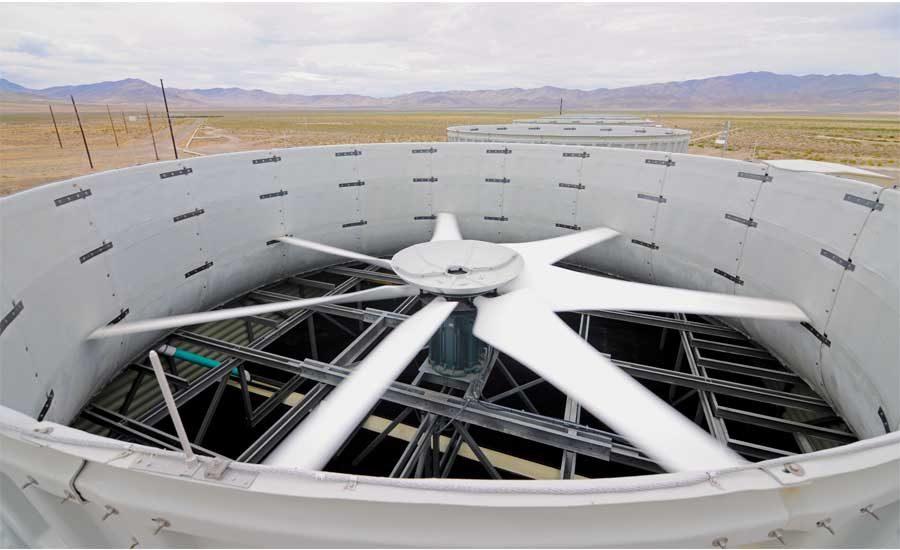
A cooling tower is an essential part of many industrial cooling systems. Whether it operates in a power plant, chemical factory, manufacturing facility, or commercial HVAC installation, its job is to remove unwanted heat and maintain stable operating temperatures.
Among all the components inside a cooling tower, the fan plays a particularly important role. It creates the airflow needed to support heat exchange between circulating water and the surrounding air. Without sufficient airflow, cooling efficiency can decrease significantly.
But what happens when a cooling tower fan suddenly stops?
A fan shutdown may be caused by motor overload, electrical faults, mechanical damage, excessive vibration, gearbox failure, or other operating problems. If the issue is not handled properly, it can lead to rising water temperatures, reduced production efficiency, equipment damage, and even unexpected plant shutdowns.
This is why cooling tower fan stop protection and emergency handling measures are so important.
In this article, we will explain the common reasons for cooling tower fan shutdowns, introduce essential protection systems, discuss emergency troubleshooting procedures, and share practical maintenance recommendations. We will also explain how Power Tower Cooling Technology (Shaoxing) Co.,Ltd supports industrial customers with cooling tower components and replacement solutions.
A cooling tower fan is a mechanical device designed to move air through the cooling tower. It helps create the airflow required for heat and mass transfer between hot circulating water and ambient air.
Depending on the cooling tower design, fans are generally installed at the top or within the air movement system.
There are two common airflow arrangements:
Induced draft cooling towers: The fan is installed near the top of the tower and pulls air through the structure.
Forced draft cooling towers: The fan is installed near the air inlet and pushes air into the cooling tower.
Both arrangements rely on stable airflow to maintain effective cooling performance.
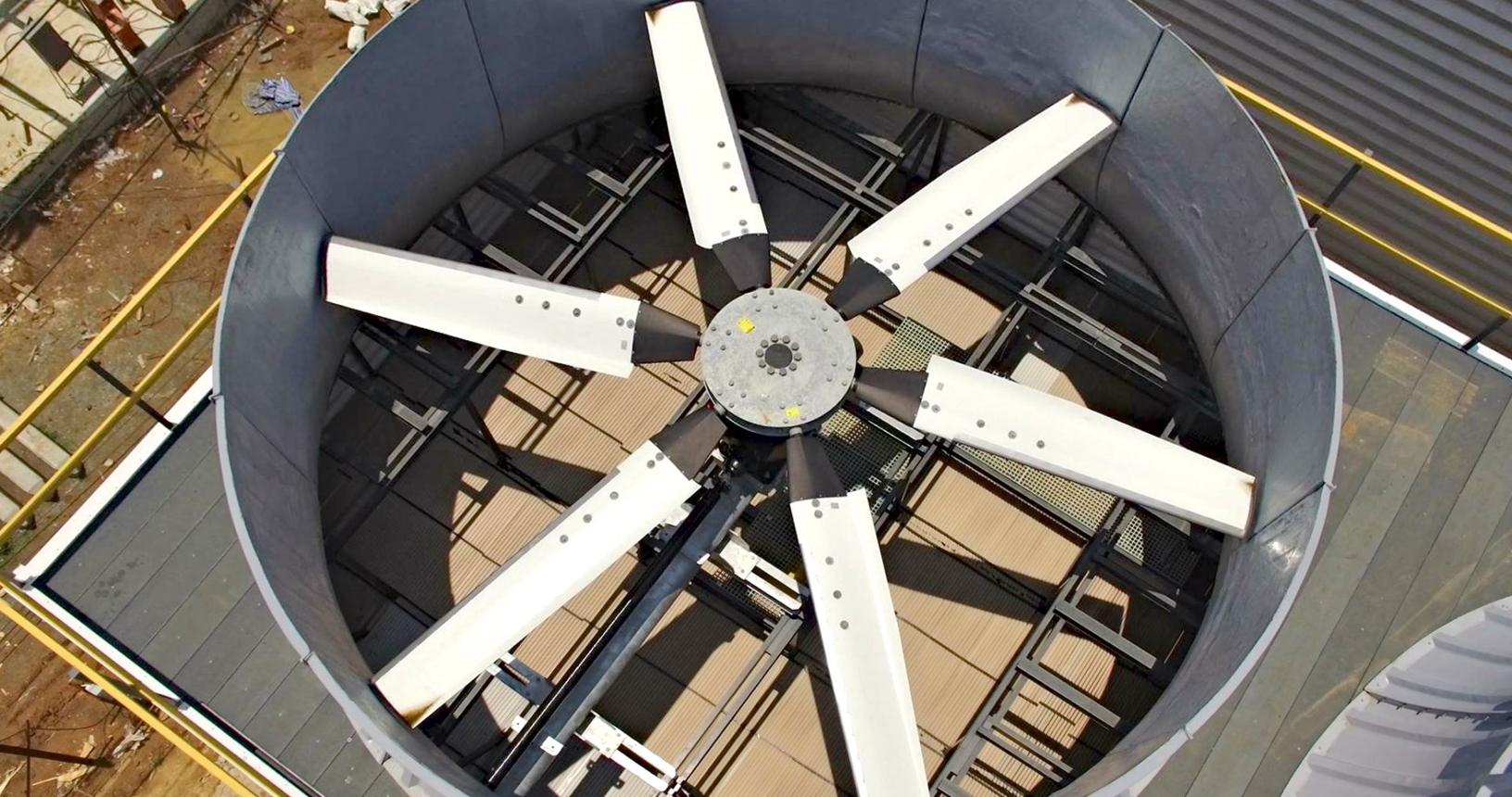
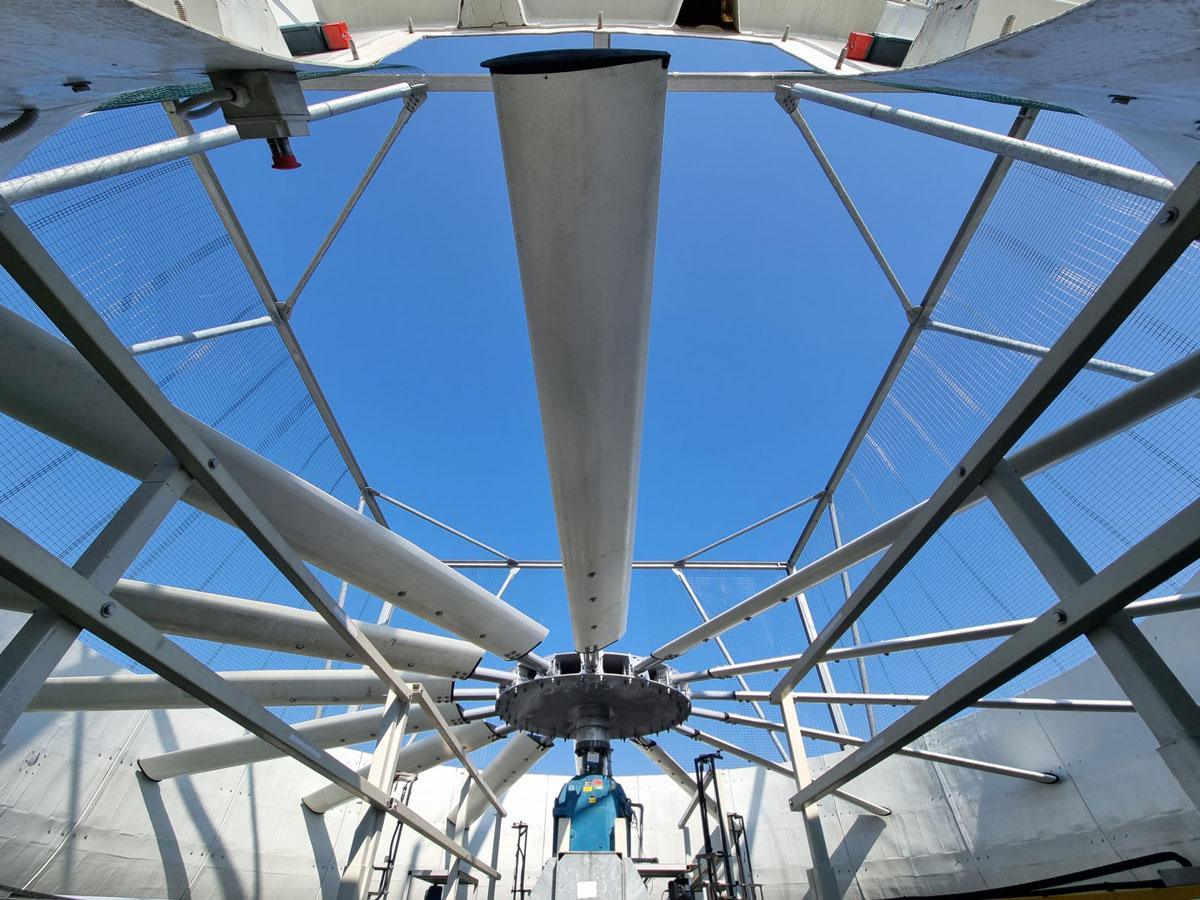
A typical cooling tower fan assembly includes:
Fan blades.
Fan hub.
Drive motor.
Gearbox or belt drive, depending on the design.
Drive shaft and coupling, where applicable.
Supporting structure.
Electrical control and protection devices.
Each component must work correctly. A problem with even one part can affect the entire fan system.
Think of the fan as the lungs of a cooling tower. The fill provides the contact surface for heat exchange, while the fan moves the air that makes the cooling process possible.
If airflow suddenly disappears, the cooling tower cannot operate as designed.
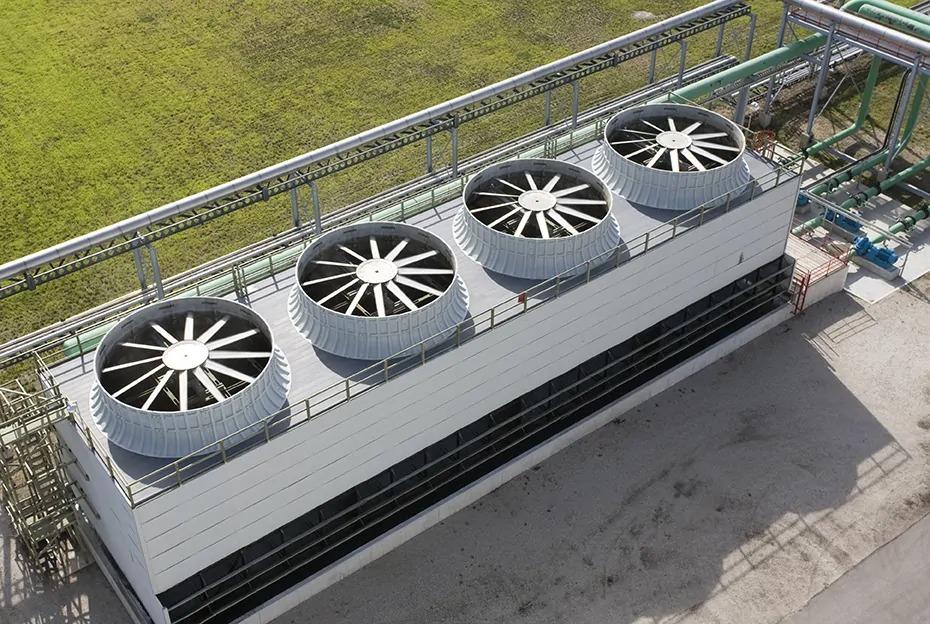
The cooling tower fan creates an airflow path through the tower.
Hot water enters through the water distribution system and flows over the cooling tower fill. At the same time, the fan moves ambient air through the fill area.
A portion of the circulating water evaporates during this process, carrying heat away and lowering the temperature of the remaining water.
The fan's operating performance depends on several factors:
Fan blade diameter.
Blade angle and aerodynamic design.
Motor power and speed.
Air density and ambient conditions.
Airflow resistance inside the tower.
Condition of the fill and drift eliminators.
If the fan speed becomes unstable or the blades become damaged, airflow may decrease.
For this reason, fan protection systems should monitor both electrical and mechanical operating conditions.
A cooling tower fan may stop automatically because a protection device detects an abnormal condition. In other situations, the fan may stop unexpectedly because of component failure or an external power interruption.
Understanding the cause is the first step toward preventing repeated shutdowns.
Motor overload is one of the most common reasons for cooling tower fan shutdown.
When a motor operates above its allowable current or thermal limits, its temperature can rise. Continued operation under these conditions may damage the insulation and shorten motor service life.
Possible causes include:
Excessive mechanical load.
Damaged bearings.
Incorrect motor selection.
Low or unstable supply voltage.
Poor ventilation around the motor.
Incorrect fan blade installation.
Mechanical obstruction.
An overload relay or motor protection device should disconnect the motor when the relevant protection threshold is reached.
Do not repeatedly reset an overload device without identifying the cause. Doing so may turn a relatively minor problem into a major motor failure.
Cooling tower fans depend on a stable electrical supply.
Several electrical problems can interrupt operation:
Power outages.
Phase loss.
Phase imbalance.
Under-voltage.
Over-voltage.
Short circuits.
Loose electrical connections.
For three-phase motors, phase loss and severe voltage imbalance are particularly important because they can cause abnormal current and overheating.
Appropriate electrical protection devices can detect these conditions and prevent the motor from continuing to operate under unsafe conditions.
Fan blades operate at relatively high speeds and must maintain proper balance.
If a blade becomes cracked, bent, loose, or damaged, the fan may develop excessive vibration.
Common causes include:
Long-term material fatigue.
Corrosion.
Foreign objects entering the fan area.
Incorrect installation.
Loose blade fasteners.
Uneven blade pitch.
Improper previous repairs.
A damaged blade should never be ignored simply because the fan can still rotate.
Severe imbalance can damage bearings, shafts, gearboxes, and supporting structures.
In cooling towers equipped with gearbox-driven fans, the gearbox transfers motor power to the fan assembly.
A gearbox failure can cause the fan to slow down, produce abnormal noise, or stop completely.
Common warning signs include:
Unusual gearbox temperature.
Abnormal vibration.
Oil leakage.
Insufficient lubrication.
Damaged gears.
Worn bearings.
Bearing problems can also increase friction and mechanical resistance, placing additional load on the motor.
Regular lubrication and condition monitoring help identify these problems before they cause an unexpected shutdown.
Unusual vibration is often an early warning sign of mechanical problems.
It may result from fan imbalance, bearing wear, loose mounting bolts, shaft misalignment, or structural problems.
In systems equipped with vibration monitoring, excessive vibration can trigger an alarm or automatic shutdown.
Operators should investigate sudden changes in vibration instead of treating them as normal operating noise.
A reliable cooling tower fan protection system should combine electrical protection, mechanical monitoring, temperature monitoring, and emergency control functions.
The specific configuration depends on the fan design, motor characteristics, operating environment, and applicable safety requirements.
Motor overload protection prevents the motor from operating under excessive load for an unsafe period.
Common protection devices include:
Thermal overload relays.
Electronic motor protection relays.
Motor protection circuit breakers.
Variable frequency drive protection functions.
These devices monitor motor operating conditions and disconnect the motor when predefined protection limits are exceeded.
The protection settings should be based on the motor nameplate, manufacturer recommendations, and actual operating conditions.
Three-phase motors require a suitable electrical supply.
Phase monitoring relays can help detect:
Phase loss.
Incorrect phase sequence.
Voltage imbalance.
Under-voltage.
Over-voltage.
When an abnormal supply condition is detected, the protection system can prevent the fan from starting or stop it safely.
This is especially important for industrial facilities where voltage fluctuations may occur during periods of high electrical demand.
Vibration monitoring helps identify mechanical problems before they develop into serious failures.
Sensors may be installed at suitable locations on the fan assembly, gearbox, motor, or supporting structure.
The monitoring system can provide:
Normal operating readings.
Early warning alarms.
High-vibration alarms.
Automatic shutdown signals when configured protection limits are exceeded.
Vibration limits should follow equipment manufacturer recommendations and relevant engineering standards.
A sudden increase in vibration deserves attention even if the automatic protection system has not yet stopped the fan.
Temperature monitoring can protect important components from overheating.
Common monitoring points include:
Motor windings.
Motor bearings.
Gearbox bearings.
Gearbox oil.
Other critical rotating components.
Depending on the equipment configuration, temperature sensors may connect to a local control panel or centralized monitoring system.
If temperatures exceed the specified operating limits, the system can generate an alarm or initiate a protective shutdown.
An emergency stop system allows operators to stop equipment when an immediate safety risk is identified.
Interlocks can also prevent unsafe operating conditions.
For example:
A fan may be prevented from starting when an access safety device is activated.
A motor may be prevented from restarting while a fault remains active.
Maintenance isolation may prevent accidental energization.
A control system may coordinate fan operation with other cooling tower equipment.
Emergency stop and interlock functions should be designed according to the site's machinery safety requirements.
Importantly, operators should never bypass protective interlocks simply to keep a cooling tower running.
When a cooling tower fan suddenly stops, the response should be systematic.
The priority is to protect personnel, prevent additional equipment damage, and maintain the cooling process as safely as possible.
First, determine whether the fan has actually stopped or whether the control system is displaying an incorrect signal.
Check:
Local fan operating status.
Control panel indications.
Alarm messages.
Motor current readings.
Fan speed feedback.
Relevant process monitoring data.
If the fan has stopped because a protection device has activated, record the alarm information before resetting anything.
Never assume that a stopped fan is simply experiencing a temporary electrical problem.
The electrical team should investigate the power supply and motor protection system.
Relevant inspection points include:
Incoming power supply.
Motor protection relay status.
Overload trip records.
Phase monitoring alarms.
Variable frequency drive fault codes.
Electrical connections.
Motor insulation condition, where appropriate.
Electrical inspection and testing should only be performed by qualified personnel using approved procedures and suitable equipment.
Before opening electrical enclosures or carrying out maintenance, isolate the power source and follow the site's lockout/tagout procedures.
Do not attempt to restart the motor until the electrical fault has been identified and corrected.
After the equipment has been safely isolated, qualified maintenance personnel should inspect the mechanical system.
Check for:
Cracked or deformed blades.
Loose blade fasteners.
Fan hub damage.
Bearing wear.
Shaft misalignment.
Gearbox problems.
Lubrication issues.
Foreign objects or mechanical obstruction.
If any component is damaged, determine whether it can be repaired according to manufacturer instructions or whether replacement is required.
Do not operate a fan with visibly damaged blades or suspected serious mechanical imbalance.
While the fan is unavailable, the cooling tower's heat rejection capacity may decrease.
Operators should closely monitor:
Hot water inlet temperature.
Cold water outlet temperature.
Process cooling water temperature.
Cooling system pressure.
Production equipment temperature.
Other available cooling tower operating indicators.
If the water temperature rises beyond the allowable process limits, follow the facility's emergency operating procedures.
Possible actions may include reducing production heat load, transferring demand to an available cooling tower, or activating an approved backup cooling arrangement.
The appropriate response depends on the plant's cooling capacity and process safety requirements.
Once the cause of the shutdown has been corrected, the fan can be prepared for a controlled restart.
Before restarting, confirm that:
The original fault has been identified and corrected.
All damaged components have been repaired or replaced.
The fan area is clear of personnel and tools.
Mechanical guards and safety devices are installed.
Electrical connections and protection settings have been checked.
Maintenance personnel have completed the required work.
The equipment is authorized for operation.
Restart the fan according to the manufacturer's operating instructions.
After restarting, monitor current, vibration, temperature, airflow, and abnormal noise.
A successful restart does not automatically mean the underlying problem has been permanently resolved. Continue monitoring until stable operation is confirmed.
Emergency response is important, but prevention is even better.
A well-organized maintenance program can reduce unexpected shutdowns and improve equipment reliability.
Inspect the motor and electrical control system according to the maintenance schedule.
Pay attention to:
Motor operating current.
Winding temperature.
Insulation condition.
Electrical connection tightness.
Contactor and relay condition.
Protection device settings.
Variable frequency drive alarms.
Keep electrical enclosures clean and ensure that ventilation openings are not blocked.
Any abnormal electrical reading should be investigated before it develops into a serious fault.
Fan blades are exposed to moisture, dust, and environmental contaminants.
Over time, deposits may accumulate on blade surfaces and affect aerodynamic performance.
Regular inspection should include:
Blade surface condition.
Blade angle consistency.
Blade fasteners.
Corrosion and cracking.
Fan hub condition.
Signs of imbalance.
Clean fan blades using methods approved by the equipment manufacturer.
Avoid making unauthorized changes to blade angles because even small differences can affect airflow, power consumption, and mechanical loading.
Gearboxes and bearings require appropriate lubrication to reduce friction and wear.
Follow the manufacturer's recommendations for lubricant type, quantity, and replacement intervals.
During routine maintenance, inspect for:
Oil leakage.
Abnormal temperature.
Unusual noise.
Vibration changes.
Contaminated lubricant.
Bearing wear.
Never mix incompatible lubricants or exceed the recommended filling level.
Cooling tower performance depends on more than the fan.
The water distribution system and cooling tower fill also influence airflow resistance and heat exchange efficiency.
If fill becomes clogged with scale, algae, or sediment, airflow resistance may increase and cooling performance may decrease.
Regularly inspect:
Water distribution nozzles.
Spray pipes.
Cooling tower fill.
Drift eliminators.
Water basin.
Internal support structures.
Cleaning or replacing severely damaged fill can help restore proper cooling conditions and reduce unnecessary system resistance.
For larger industrial cooling towers, condition-based maintenance can provide significant benefits.
Instead of waiting for a component to fail, maintenance teams can track changes over time.
Useful monitoring parameters include:
Motor current.
Motor temperature.
Vibration levels.
Gearbox temperature.
Fan speed.
Cooling water temperatures.
Operating hours.
Comparing current readings with historical data makes it easier to identify abnormal trends.
For example, gradually increasing vibration may indicate a developing bearing or fan balance problem.
Early detection gives maintenance teams more time to arrange replacement parts and schedule repairs.
A cooling tower fan shutdown can affect the entire cooling system.
The actual consequences depend on tower design, ambient conditions, cooling load, and the availability of backup equipment.
Without mechanical airflow, an induced draft or forced draft cooling tower may lose a substantial part of its designed heat rejection capacity.
Some natural airflow or natural draft cooling may remain, but it should not be assumed to maintain normal operating performance.
When heat rejection becomes insufficient, the cold water temperature may rise.
This can affect chillers, heat exchangers, compressors, production equipment, and other process systems.
If cooling water temperature rises, connected equipment may operate outside its preferred conditions.
In some applications, this can lead to reduced efficiency, protective alarms, or automatic equipment shutdowns.
For continuous industrial processes, cooling tower reliability is directly connected to production stability.
An unexpected fan failure may require reduced production capacity or a complete shutdown if no alternative cooling arrangement is available.
This is why spare parts planning and emergency response procedures should be included in cooling tower management.
A practical inspection checklist helps maintenance teams avoid overlooking important components.
The following schedule is a general starting point. Actual intervals should follow equipment manufacturer instructions, operating conditions, and site maintenance requirements.
| Inspection Item | Recommended Frequency | Main Inspection Points |
|---|---|---|
| Fan operating condition | Daily | Noise, vibration, speed |
| Motor current | Daily | Abnormal current changes |
| Electrical alarms | Daily | Overload and fault indications |
| Fan blades | Monthly | Cracks, corrosion, deformation |
| Fan hub and fasteners | Monthly | Looseness and damage |
| Motor bearings | Monthly | Temperature and noise |
| Gearbox | Monthly | Oil level, leakage, vibration |
| Vibration monitoring | According to risk and equipment requirements | Changes in vibration levels |
| Electrical protection devices | According to maintenance plan | Function and settings |
| Complete mechanical inspection | During scheduled maintenance | Overall condition and alignment |
Keeping inspection records is just as important as carrying out the inspections themselves.
A maintenance history helps identify repeated failures and supports better replacement decisions.
When a cooling tower fan fails, selecting suitable replacement components is essential.
Using an incompatible motor, fan blade, gearbox, or transmission component can create additional problems.
Before purchasing replacement parts, collect the following information:
Cooling tower manufacturer and model.
Fan diameter.
Fan blade quantity.
Blade material.
Motor power.
Motor voltage and frequency.
Rated speed.
Gearbox model, if applicable.
Installation dimensions.
Original component drawings or photographs.
Replacement parts should meet the original equipment's technical requirements.
A fan blade with an incorrect diameter or pitch may change the airflow and motor load.
Similarly, a motor with unsuitable power or speed characteristics may not provide the required operating performance.
Cooling tower components operate in humid and potentially corrosive environments.
Material selection should account for corrosion resistance, mechanical strength, operating temperature, and expected service life.
A fan replacement project is also an opportunity to inspect other cooling tower components.
For example, damaged fill, blocked drift eliminators, or restricted air inlets may reduce airflow and affect overall cooling performance.
A complete inspection can help prevent repeated operating problems after the fan has been replaced.
Choosing a reliable cooling tower component supplier helps industrial customers maintain equipment performance and reduce maintenance risks.
Power Tower Cooling Technology (Shaoxing) Co.,Ltd is a manufacturer and supplier specializing in cooling tower components and replacement solutions.
Through its website, https://www.coolingtowerpart.com, the company provides product information and support for customers looking for cooling tower parts and related products.
Different cooling tower designs require different component specifications.
Power Tower supports customers looking for cooling tower components, including:
PVC cooling tower fill.
PP cooling tower fill.
Crossflow cooling tower fill.
Counterflow cooling tower fill.
Cooling tower drift eliminators.
Other cooling tower replacement components.
These products help customers maintain and upgrade cooling tower systems according to their actual application requirements.
Replacing cooling tower components is not always as simple as purchasing a standard product.
Different tower models may have different dimensions, materials, and installation requirements.
Providing technical drawings, photographs, original product specifications, and operating information helps suppliers evaluate the appropriate replacement solution.
Cooling tower performance depends on the coordination of multiple components.
A reliable fan needs suitable airflow conditions, properly maintained fill, effective water distribution, and appropriate mechanical support.
Power Tower aims to help industrial customers source suitable cooling tower components for maintenance, replacement, and system improvement projects.
For customers planning a cooling tower maintenance project, visiting the company's website is a useful starting point for exploring available products.
First, confirm the shutdown and check the control panel alarms. Identify whether the problem is electrical, mechanical, or related to the protection system. Monitor cooling water temperatures and reduce the cooling load if necessary. Do not restart the fan until the fault has been identified and corrected.
Frequent trips may be caused by motor overload, voltage imbalance, bearing damage, fan imbalance, gearbox problems, or incorrect protection settings.
The original fault should be investigated instead of repeatedly resetting the protection device.
Some natural draft cooling may continue, but most mechanically ventilated cooling towers cannot maintain their designed cooling capacity without the fan.
Whether operation can continue depends on the tower design, cooling demand, ambient conditions, and plant emergency procedures.
Typical protection arrangements include motor overload protection, short-circuit protection, phase failure monitoring, voltage protection, temperature monitoring, and emergency stop functions.
Larger installations may also include vibration monitoring and integrated control system alarms.
Visual inspection should be included in routine maintenance. A more detailed mechanical inspection should follow the manufacturer's recommendations and the site's maintenance schedule.
Inspection frequency may need to increase in harsh environments or when vibration problems have been identified.
Common causes include blade imbalance, damaged blades, loose fasteners, bearing wear, shaft misalignment, gearbox problems, and structural looseness.
The fan should be inspected safely before further operation if vibration is abnormal.
Yes. Severely clogged fill can increase airflow resistance and reduce cooling performance. This may affect the operating conditions of the fan system.
Cleaning or replacing unsuitable fill can help restore proper airflow conditions, although the actual impact depends on the tower design.
Establish a preventive maintenance program, monitor motor current and vibration, inspect fan blades, maintain bearings and gearboxes, check electrical protection devices, and keep cooling tower fill and water distribution systems clean.
Not automatically. Check the power supply, motor protection status, mechanical condition, and control system before restarting. Follow the manufacturer's restart procedures and the facility's electrical safety requirements.
Cooling tower fan shutdowns can have a significant impact on industrial cooling performance. Motor overload, electrical faults, mechanical damage, gearbox failure, and excessive vibration are among the most common causes.
A reliable fan stop protection system helps identify abnormal conditions and prevent further equipment damage. However, protection devices alone are not enough.
Regular inspections, predictive maintenance, correct component selection, and well-organized emergency procedures are equally important.
When a fan stops unexpectedly, operators should first protect personnel, identify the cause, monitor cooling water temperatures, and restore operation only after the equipment has been confirmed safe.
At the same time, maintaining other cooling tower components, including fill media and drift eliminators, helps support stable airflow and effective heat exchange.
Power Tower Cooling Technology (Shaoxing) Co.,Ltd is committed to providing cooling tower component solutions for industrial customers.
If you are looking for cooling tower fill, drift eliminators, or replacement components for your cooling tower maintenance project, visit our official website:
https://www.coolingtowerpart.com
Contact Power Tower to discuss your cooling tower component requirements and find suitable solutions for reliable industrial cooling system operation.


