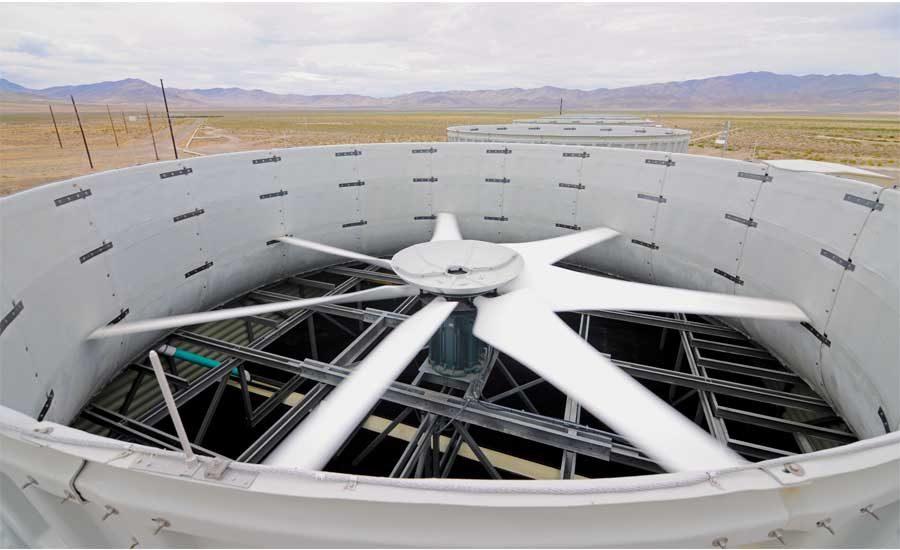
A cooling tower fan may look like a simple rotating component, but its performance depends on several parts working together. The fan blades move air through the tower, the motor supplies power, the gearbox or drive system controls rotation, and the fan hub connects the blades to the rotating assembly.
Among these components, the cooling tower fan hub deserves more attention than it often receives.
Why? Because the hub is the central connection point between the fan blades and the drive shaft or supporting assembly. If it becomes cracked, corroded, deformed, or loose, the entire fan system may become unstable. In serious cases, a damaged hub can cause blade detachment, equipment damage, and unexpected cooling tower shutdowns.
The good news is that many hub problems can be detected through regular inspection. With proper maintenance and timely replacement, you can reduce mechanical risks and keep your cooling tower operating reliably.
In this guide, we will explore common cooling tower fan hub defects, inspection methods, maintenance practices, and replacement procedures. We will also explain how to select a compatible replacement hub for your cooling tower.
1. What Is a Cooling Tower Fan Hub?
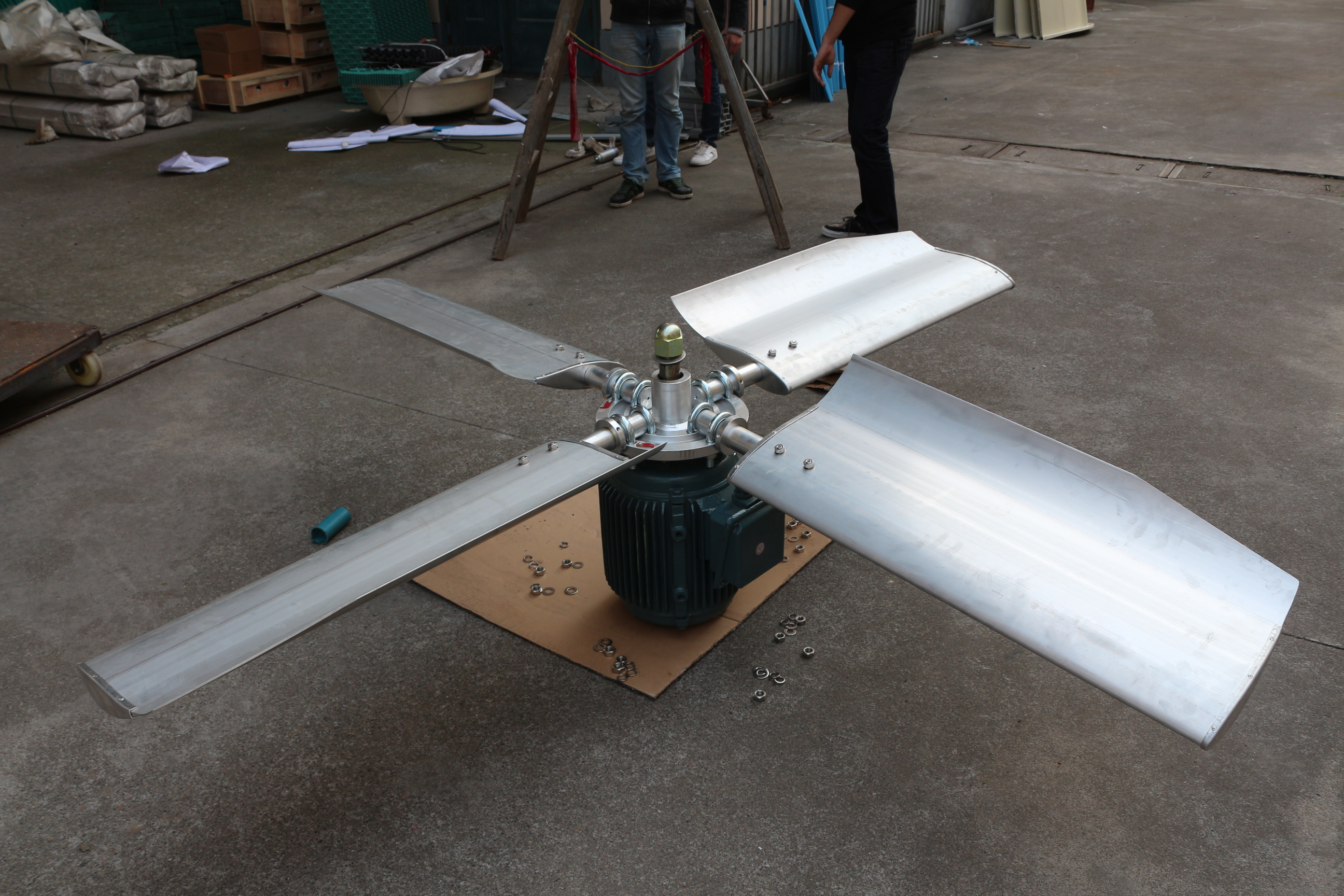
A cooling tower fan hub is the central component that supports and connects the fan blades. Depending on the fan design, it may connect directly to a shaft, gearbox output, or another mounting structure.
The hub holds the blades in their designed positions and helps distribute the mechanical forces generated during rotation.
Cooling tower fans operate in demanding environments. They are exposed to moisture, temperature changes, vibration, airborne contaminants, and continuous mechanical loading. As a result, the hub must have sufficient strength, dimensional accuracy, and corrosion resistance.
Main Functions of a Fan Hub
A cooling tower fan hub performs several essential functions:
Blade support: Provides mounting points for the fan blades.
Load distribution: Transfers centrifugal and aerodynamic forces from the blades to the rotating assembly.
Rotational stability: Helps maintain the correct blade position during operation.
Power transmission: Transfers rotational movement through the connected drive arrangement.
Blade angle support: In adjustable-pitch designs, helps maintain the specified blade installation angle.
Think of the fan hub as the center of a wheel. The blades are like spokes extending outward. If the center connection becomes damaged, the entire assembly may lose stability.
Key Components of a Cooling Tower Fan Hub Assembly
The exact structure varies by manufacturer and fan model, but a typical assembly may include:
Hub body or central housing
Blade mounting brackets or blade sockets
Blade mounting bolts and nuts
Shaft connection or mounting flange
Keyway or locking arrangement, where applicable
Pitch adjustment components on adjustable-pitch designs
Washers, locking devices, and other fastening hardware
Not every fan hub uses the same design. Some are manufactured as a single integrated component, while others contain several removable parts.
Before inspection or replacement, identify the fan model and the hub's actual construction.
2. Why Is the Fan Hub Important to Cooling Tower Operation?
The cooling tower fan creates the airflow needed to support heat rejection. The hub keeps the blades connected and positioned correctly so that the fan can rotate as designed.
When the hub is in good condition, the fan can operate with stable blade positioning and controlled vibration.
However, when the hub develops a defect, several problems may appear.
First, fan vibration may increase. A deformed or imbalanced hub can create uneven rotating forces.
Second, blade installation angles may change. Loose mounting points or worn adjustment mechanisms can affect airflow and fan loading.
Third, the drive system may experience additional stress. Abnormal vibration can place extra loads on bearings, shafts, gearboxes, and motor connections.
Finally, safety risks may increase. A severely damaged hub can compromise blade retention.
This is why fan hub inspection should be included in the regular cooling tower maintenance program rather than treated as an occasional repair task.
3. Common Cooling Tower Fan Hub Defects
Cooling tower fan hubs can develop different types of defects depending on material, operating conditions, installation quality, and maintenance history.
Let's look at the most common problems.
3.1 Corrosion and Surface Deterioration
Corrosion is a common concern in cooling tower environments.
The fan assembly operates in an area with high humidity and frequent exposure to water droplets. If the hub's protective coating is damaged or its material is unsuitable for the environment, corrosion may gradually develop.
Common warning signs include:
Rust or discoloration
Surface pitting
Flaking protective coatings
Corrosion around bolt holes
Material loss near mounting areas
Surface corrosion does not always mean the hub must be replaced. However, deep pitting, significant material loss, or corrosion around highly stressed areas requires careful engineering evaluation.
Cleaning and repainting alone cannot restore lost structural strength.
3.2 Cracks and Structural Damage
Cracks are among the most serious fan hub defects.
They may develop around blade mounting points, bolt holes, shaft connections, welds, or other areas exposed to repeated stress.
Potential causes include:
Excessive vibration
Repeated cyclic loading
Mechanical impact
Incorrect installation
Manufacturing defects
Material fatigue
Excessive fan loading
Small cracks can grow over time. A hub that appears acceptable during one inspection may become unsafe if the damage continues to develop.
If a crack is detected in a load-bearing area, stop and assess the assembly according to the manufacturer's safety requirements. Do not assume that welding or applying a repair compound will make the hub safe.
3.3 Bolt Loosening and Thread Damage
Fan blades are usually secured to the hub through bolts or other mechanical fastening arrangements.
During operation, vibration and repeated loading can contribute to fastener loosening if the installation is incorrect or the locking system is damaged.
Possible symptoms include:
Loose blade mounting bolts
Damaged threads
Missing fasteners
Elongated bolt holes
Uneven gaps around mounting points
Visible movement at blade connections
Loose bolts should never be treated as a minor issue. They can allow blade movement, change the fan's balance, and increase stress on the hub.
Use the specified fastener grade, tightening sequence, and torque requirements. Do not substitute ordinary bolts for manufacturer-specified hardware.
3.4 Shaft Connection and Keyway Wear
In some fan designs, the hub connects to the drive shaft through a keyway, locking device, taper connection, or flange.
Wear or damage in this area can affect the connection between the hub and rotating assembly.
Common defects include:
These problems may produce abnormal movement, noise, or vibration.
During inspection, check the hub and shaft together. Replacing only the hub may not solve the problem if the shaft or locking components are also damaged.
3.5 Fan Blade Mounting Problems
The hub must hold each blade securely in the correct position.
If a blade mounting socket, bracket, or adjustment mechanism becomes worn, the blade may shift from its intended position.
This can cause:
For adjustable-pitch fans, inspect the pitch adjustment components carefully. Confirm that all blades are set according to the fan manufacturer's specified angle and procedure.
3.6 Hub Deformation and Imbalance
A fan hub can become deformed because of impact, excessive mechanical loading, poor handling, or incorrect installation.
Even a relatively small dimensional difference may affect the balance of a large rotating fan assembly.
Possible symptoms include increased vibration, abnormal fan noise, and uneven operating behavior.
Do not attempt to correct significant deformation through uncontrolled hammering, heating, or machining. The manufacturer or a qualified engineering specialist should determine whether the hub can be safely reused.
4. Main Causes of Cooling Tower Fan Hub Failure
Understanding the causes of hub failure helps prevent repeated problems.
The most common contributing factors include:
Poor installation quality: Incorrect tightening, improper blade positioning, or an unsuitable mounting arrangement can create uneven stress.
Excessive vibration: Fan imbalance, damaged bearings, shaft misalignment, or loose structures may increase cyclic loading on the hub.
Corrosive operating conditions: Moisture, chemicals, and airborne contaminants can accelerate deterioration.
Incorrect fan selection: A fan that does not match the cooling tower's operating requirements may create unsuitable mechanical loads.
Improper maintenance: Missing inspections, incorrect fasteners, and delayed repairs allow small defects to develop.
Mechanical impact: Dropped tools, improper lifting, or collisions during maintenance can damage the hub.
Material fatigue: Long-term repeated loading can eventually lead to cracks or other structural deterioration.
In many cases, hub failure is not caused by one factor alone. Several conditions may combine to accelerate damage.
5. Cooling Tower Fan Hub Inspection Methods
Regular inspection is the most practical way to identify developing defects.
The inspection schedule should follow the fan manufacturer's recommendations and the cooling tower's operating conditions. More frequent checks may be necessary for equipment operating continuously or in particularly corrosive environments.
5.1 Visual Inspection
Visual inspection is the first step.
Before starting, isolate the fan drive system and follow the facility's lockout/tagout procedures. Confirm that the fan cannot start unexpectedly.
Inspect the following areas:
Hub body and external surfaces
Blade mounting points
Bolt holes and fasteners
Shaft connection
Keyway or locking components
Welds, if present
Corrosion-prone surfaces
Signs of impact or deformation
Use adequate lighting. Clean away dirt or deposits where necessary so that cracks and surface defects are easier to identify.
5.2 Fastener and Connection Inspection
Check whether all mounting bolts and locking components are present and correctly installed.
Look for damaged threads, corrosion, missing washers, loose nuts, and signs of movement around the connections.
Where the manufacturer specifies torque inspection, use a calibrated torque tool and follow the correct procedure.
Do not tighten fasteners randomly while the fan is assembled. Excessive tightening can damage threads or distort mounting components.
5.3 Crack and Corrosion Inspection
When visual inspection identifies a suspicious area, additional inspection may be necessary.
Depending on the hub material and manufacturer's recommendations, qualified personnel may use suitable nondestructive testing methods, such as:
Dye penetrant testing for certain surface-breaking cracks
Magnetic particle testing for suitable ferromagnetic materials
Ultrasonic testing where the component geometry and material permit
The correct method depends on material type, thickness, geometry, and defect location.
If significant corrosion is present, evaluate whether the remaining material is still within the manufacturer's acceptable limits.
5.4 Vibration and Balance Inspection
Vibration monitoring helps identify problems that may not be visible during a routine visual check.
Record vibration readings at consistent measurement locations and under comparable operating conditions.
If vibration increases, investigate the entire rotating assembly rather than assuming that the hub is the only possible cause.
Potential causes include:
Fan blade imbalance
Unequal blade pitch
Damaged hub
Loose mounting bolts
Shaft misalignment
Bearing deterioration
Structural looseness
After major repairs or replacement, confirm that the complete fan assembly meets the manufacturer's balance and vibration requirements.
6. How to Identify a Damaged Fan Hub
How do you know when a fan hub needs attention?
Some defects are easy to see, while others require more detailed inspection. Watch for these warning signs:
| Warning Sign | Possible Cause | Recommended Action |
| Visible cracks | Fatigue or excessive stress | Stop and arrange qualified assessment |
| Rust and deep pitting | Corrosion and material loss | Evaluate structural condition |
| Loose blade bolts | Fastener or locking problems | Inspect and secure according to specifications |
| Abnormal vibration | Imbalance or mechanical damage | Inspect the complete rotating assembly |
| Blade pitch differences | Adjustment or mounting problems | Check blade positioning |
| Hub deformation | Impact or excessive loading | Obtain engineering assessment |
| Abnormal movement at shaft connection | Keyway or locking wear | Inspect hub and shaft together |
One important point: abnormal noise or vibration does not automatically prove that the hub is damaged. The motor, gearbox, bearings, shaft, blades, and supporting structure should also be checked.
Accurate diagnosis prevents unnecessary replacement and helps identify the real cause of the problem.
7. Cooling Tower Fan Hub Maintenance Practices
A good maintenance program protects the hub and the connected fan components.
Here are several practical recommendations.
Keep the hub clean. Remove accumulated dirt, deposits, and other contaminants during scheduled maintenance. Use cleaning methods compatible with the hub material and protective coating.
Check fasteners regularly. Inspect blade mounting bolts and other connections according to the manufacturer's schedule.
Protect against corrosion. Maintain protective coatings where applicable and investigate damaged coating areas promptly.
Monitor vibration. Record operating vibration and investigate abnormal changes.
Inspect blade connections. Look for signs of movement, wear, cracking, or uneven installation.
Avoid mechanical impact. Use suitable lifting equipment and handling procedures when removing or installing the fan assembly.
Maintain accurate records. Record inspection dates, defects, repairs, fastener replacements, and vibration readings.
Maintenance records help identify recurring problems and make replacement decisions more reliable.
8. When Should a Cooling Tower Fan Hub Be Replaced?
Not every surface defect requires complete replacement. However, some conditions make continued operation unsafe or uneconomical.
Consider replacement when:
Cracks are found in critical load-bearing areas.
The hub has serious deformation.
Blade mounting holes or sockets are severely worn.
Shaft connection components are damaged beyond approved repair limits.
Corrosion has caused unacceptable material loss.
The hub repeatedly develops defects after repair.
The manufacturer or qualified engineer determines that the hub is no longer suitable for service.
Never decide whether a cracked or structurally damaged hub can be reused based only on appearance.
The final decision should consider the defect's location, material, loading, inspection results, and the manufacturer's acceptance criteria.
9. Cooling Tower Fan Hub Replacement Procedure
Fan hub replacement requires careful planning because the hub is part of a rotating mechanical assembly.
The procedure below provides a general overview. The actual process must follow the fan manufacturer's instructions and the site's safety requirements.
9.1 Preparation and Safety
Before beginning replacement:
Shut down the cooling tower fan.
Isolate and lock out the motor and associated drive equipment.
Verify that the fan cannot restart.
Confirm that all rotating components have stopped.
Prepare suitable lifting equipment and tools.
Record the existing hub model, dimensions, and installation arrangement.
Review the replacement manufacturer's installation instructions.
Never work beneath an unsupported fan assembly or rely on the drive system to hold components in place.
9.2 Removing the Old Fan Hub
Once the equipment is safely isolated:
Remove the necessary fan guards and access components.
Mark blade positions and record their original installation arrangement.
Support the fan blades and hub with suitable lifting equipment.
Remove blade fasteners according to the approved sequence.
Disconnect the hub from the shaft or mounting arrangement.
Remove the old hub without damaging the shaft or surrounding components.
If the hub is seized or corroded in place, use an approved removal method. Avoid uncontrolled impact or excessive heating, which may damage connected components.
9.3 Installing the Replacement Hub
Before installation, compare the new hub with the original specifications.
Check:
Overall dimensions
Mounting hole positions
Shaft or flange connection
Keyway dimensions, if applicable
Blade mounting arrangement
Material and corrosion protection
Compatibility with the fan model
Clean and inspect the shaft and mounting surfaces. Replace damaged keys, fasteners, or other components as required.
Install the new hub according to the manufacturer's specified orientation, fitting method, and tightening sequence.
For adjustable-pitch fans, set the blade pitch using the specified measurement method. Do not rely on visual estimation.
9.4 Final Inspection and Test Run
Before restarting the fan, confirm that:
All fasteners are installed correctly.
The hub is properly secured.
Blades are mounted in the correct positions.
Blade pitch is consistent with the design specification.
Required locking devices are installed.
Guards and safety components are restored.
Tools and loose materials have been removed.
Conduct a controlled test run following the manufacturer's commissioning procedure.
Monitor vibration, noise, and operating behavior. If abnormal conditions appear, stop the fan and investigate before returning it to normal service.
10. How to Choose the Right Replacement Fan Hub
Choosing a compatible replacement hub is just as important as installing it correctly.
A hub may look similar to the original component but still have different mounting dimensions, load capacity, or blade connection details.
Before purchasing, collect the following information.
10.1 Cooling Tower and Fan Model
Provide the cooling tower manufacturer, model, fan model, and available equipment drawings.
This information helps identify the correct assembly configuration.
10.2 Hub Dimensions
Measure or confirm:
Hub diameter
Overall height
Mounting flange dimensions
Shaft bore diameter
Keyway dimensions, if applicable
Bolt hole diameter and spacing
Blade mounting dimensions
Use engineering drawings or manufacturer specifications whenever possible. Measurements taken from a damaged component may not accurately represent the original design.
10.3 Material and Corrosion Resistance
The hub material should be suitable for the operating environment and mechanical load.
Depending on the design, hubs may be manufactured from different metals, alloys, or engineered materials.
Consider:
Do not select material based on corrosion resistance alone. Structural requirements must also be satisfied.
10.4 Blade Compatibility
Confirm the number of blades, blade mounting arrangement, and pitch adjustment design.
The replacement hub must be compatible with the actual fan assembly. A hub designed for a different blade system may not provide the correct fit or load distribution.
11. Common Mistakes During Fan Hub Replacement
Some replacement problems are caused not by defective products but by incorrect selection or installation.
Avoid these common mistakes:
Selecting by appearance only. Similar-looking hubs may have different dimensions and load capacities.
Ignoring shaft condition. A damaged shaft connection can cause problems even after installing a new hub.
Reusing damaged fasteners. Worn or corroded bolts may not provide reliable blade retention.
Ignoring blade pitch. Unequal blade angles can cause imbalance and abnormal loading.
Skipping vibration checks. A new hub does not guarantee that the complete fan assembly is balanced.
Using unapproved repair methods. Welding, drilling, machining, or heating may compromise structural integrity if not approved by the manufacturer.
Failing to record installation details. Without records, future inspections become more difficult.
A controlled replacement process helps protect the new hub and reduces the risk of repeated maintenance work.
12. How Fan Hub Condition Affects Cooling Tower Performance
The fan hub does not directly cool the circulating water. However, its condition influences the reliability of the fan system, which is essential for airflow.
A damaged or incorrectly installed hub may cause:
Increased fan vibration
Reduced operating stability
Uneven blade loading
Additional stress on the gearbox and motor
Increased maintenance requirements
Unexpected fan shutdowns
If the fan cannot operate reliably, airflow through the cooling tower may be reduced. This can affect heat rejection and potentially lead to higher cooling water temperatures.
For this reason, fan hub maintenance should be considered part of the wider cooling tower performance management program.
Remember that overall cooling tower performance also depends on fan blade condition, motor efficiency, gearbox condition, fill performance, water distribution, and ambient conditions.
13. Cooling Tower Fan Hub Inspection Checklist
The following checklist can help maintenance teams organize their inspection work.
| Inspection Item | What to Check | Action if a Problem Is Found |
| Hub body | Cracks, deformation, corrosion | Arrange detailed assessment |
| Blade mounting points | Wear, damage, movement | Inspect and repair or replace as approved |
| Fasteners | Looseness, missing bolts, damaged threads | Replace or tighten to specification |
| Shaft connection | Keyway wear, looseness, surface damage | Inspect connected components |
| Protective coating | Peeling, corrosion, exposed surfaces | Restore protection if structurally acceptable |
| Blade pitch | Unequal blade angles | Adjust according to manufacturer instructions |
| Vibration | Abnormal or increasing readings | Investigate the complete fan assembly |
| Fan balance | Uneven rotating behavior | Conduct approved balance checks |
| Maintenance records | Inspection and repair history | Update records |
The checklist is a general maintenance aid, not a substitute for the original equipment manufacturer's inspection procedure.
14. Frequently Asked Questions
Q1: What is the main function of a cooling tower fan hub?
The fan hub connects and supports the fan blades. It helps maintain their position and transfers mechanical forces to the rotating assembly.
Q2: What are the most common cooling tower fan hub defects?
Common defects include corrosion, cracks, deformation, loose fasteners, damaged threads, worn shaft connections, and blade mounting problems.
Q3: How often should a cooling tower fan hub be inspected?
The inspection schedule depends on the fan manufacturer's recommendations, operating hours, and environmental conditions. Routine visual checks should be combined with more detailed inspections at scheduled maintenance intervals.
Q4: Can a cracked cooling tower fan hub be repaired?
A cracked hub should not be returned to service without a qualified engineering assessment and explicit manufacturer approval. Replacement is often the safer option when structural integrity cannot be demonstrated.
Q5: What causes cooling tower fan hub vibration?
Possible causes include hub deformation, fan imbalance, uneven blade pitch, loose fasteners, shaft misalignment, and bearing or gearbox problems.
Q6: How do I select the correct replacement fan hub?
Confirm the fan model, hub dimensions, shaft connection, blade mounting arrangement, material requirements, and manufacturer's specifications. Do not select a hub based only on appearance.
Q7: Should I replace the fan blades when replacing the hub?
Not necessarily. Inspect the blades separately for cracks, deformation, corrosion, and mounting damage. Reuse them only when they meet the manufacturer's acceptance criteria and are compatible with the replacement hub.
Q8: Does a new fan hub improve cooling tower efficiency?
A compatible replacement hub can restore the fan assembly's intended mechanical condition. However, overall cooling efficiency also depends on fan blades, motor, gearbox, airflow, water distribution, and fill condition.
15. Conclusion
The cooling tower fan hub is a small but critical part of the fan assembly. It supports the blades, transfers mechanical forces, and helps maintain stable fan rotation.
Common defects such as corrosion, cracks, loose fasteners, shaft connection wear, and deformation should never be ignored. Regular visual inspection, fastener checks, vibration monitoring, and proper maintenance records can help identify problems before they become serious.
When replacement is necessary, select a hub that matches the original fan design and installation requirements. Follow the manufacturer's procedures for removal, installation, blade positioning, and final testing.
Power Tower Cooling Technology (Shaoxing) Co.,Ltd focuses on cooling tower products and related components. If you are planning cooling tower fan maintenance or need help identifying compatible replacement parts, visit https://www.coolingtowerpart.com and provide your cooling tower model, fan specifications, and relevant component dimensions.
The right component, combined with proper inspection and installation, helps keep your cooling tower fan operating safely and reliably.


