Marley Cooling Tower Fill Replacement: A Complete Guide to Efficient Cooling
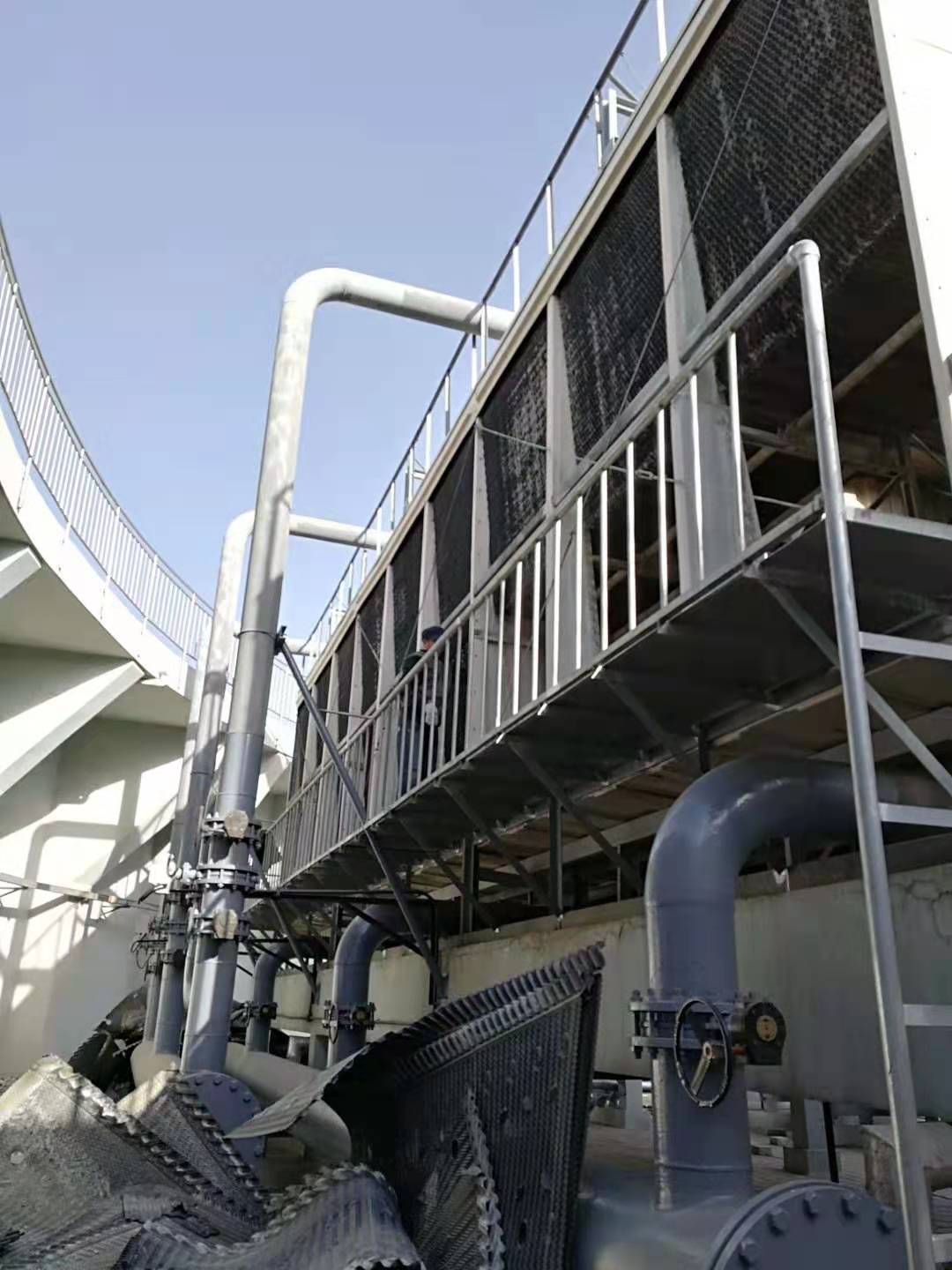
Cooling tower fill is one of the most important components in a cooling tower because it increases the contact area between hot water and air. Over time, cooling tower fill can become damaged, clogged, deformed, or contaminated, reducing heat transfer performance and increasing operating costs.
For facilities using Marley cooling towers, Marley cooling tower fill replacement is an effective way to restore cooling efficiency without replacing the entire tower. Choosing the right replacement fill, installing it correctly, and maintaining it regularly can significantly improve tower performance and service life.
This guide explains everything you need to know about Marley cooling tower fill replacement, including when replacement is necessary, available fill types, installation considerations, and how to select suitable PVC fills for cooling tower applications.
What Is Marley Cooling Tower Fill?
Marley cooling tower fill is the heat-transfer media installed inside a cooling tower. Its primary purpose is to increase the surface area available for hot circulating water to contact the air flowing through the tower.
As water spreads across the fill surface, it forms thin films or droplets. Air passing through the fill removes heat through evaporation, allowing the cooled water to return to the industrial process.
Why Is Cooling Tower Fill Important?
The performance of a cooling tower depends heavily on the condition and design of its fill media.
Good-quality fill can provide:
Large water-to-air contact area
Efficient heat transfer
Uniform water distribution
Lower approach temperature
Stable cooling performance
Reduced fan and pumping requirements
Improved overall cooling tower efficiency
Film Fill vs. Splash Fill
Most modern cooling towers use either film fill or splash fill.
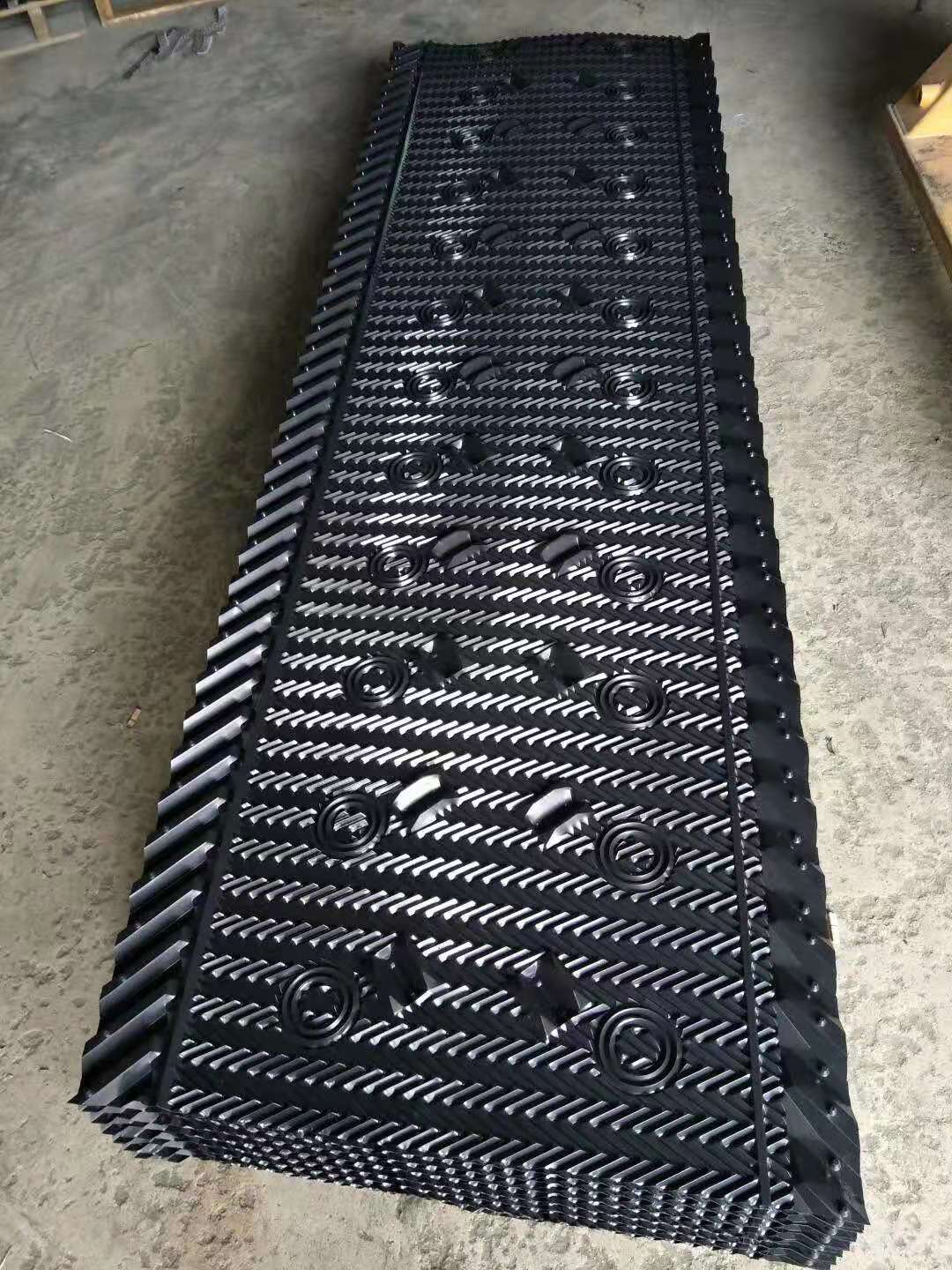
Film fill uses closely spaced PVC sheets to create a large surface area for water to spread into a thin film. It is commonly used where water quality is relatively clean.
Splash fill uses bars or grids that break water into droplets as it falls through the tower. It is generally more suitable for applications where water contains suspended solids or where clogging is a concern.
When Should Marley Cooling Tower Fill Be Replaced?
Cooling tower fill does not necessarily need to be replaced on a fixed schedule. Its service life depends on water quality, operating temperature, chemical treatment, airflow, maintenance practices, and the type of fill installed.
However, several signs indicate that Marley cooling tower fill replacement may be necessary.
1. Visible Fill Damage
Inspect the fill for:
Damaged fill can reduce the effective heat-transfer area and interfere with water and airflow.
2. Increased Cooling Water Temperature
If the tower is no longer achieving its previous cold-water temperature, deteriorated fill may be one of the causes.
A gradual increase in cold-water temperature can indicate:
3. Clogged Cooling Tower Fill
Dirt, scale, algae, and suspended solids can accumulate between fill sheets.
Why Does Clogging Reduce Performance?
Clogged fill restricts airflow and prevents water from properly spreading across the fill surface. As a result, both air movement and heat transfer can decline.
In severe cases, cleaning may no longer restore the original performance, making cooling tower fill replacement a more practical solution.
4. Increased Fan Energy Consumption
When airflow resistance increases because of fouled or damaged fill, cooling tower fans may need to work harder to achieve the required airflow.
Replacing heavily clogged fill can help restore airflow and improve system efficiency.
5. Frequent Maintenance Problems
If the existing fill requires frequent cleaning or repairs, replacement with modern PVC fill media may provide a more reliable long-term solution.
Benefits of Marley Cooling Tower Fill Replacement
Replacing old fill can provide several operational benefits.
Improved Heat Transfer Efficiency
New fill provides clean and properly formed heat-transfer surfaces, allowing water to spread more effectively and improving air-water contact.
Better Cooling Tower Performance
A properly selected replacement fill can help restore the tower's original thermal performance and maintain stable outlet-water temperatures.
Reduced Pressure Drop
Modern PVC fills for cooling tower applications can be designed with optimized sheet spacing and geometry to balance heat-transfer performance with airflow resistance.
Extended Cooling Tower Service Life
Replacing deteriorated fill allows the existing cooling tower structure and other components to continue operating without the need for a complete tower replacement.
Lower Operating Costs
Improved heat transfer and airflow can potentially reduce the energy required to achieve the desired cooling performance.
Types of Marley Cooling Tower Fill Replacement
The correct replacement fill depends on the original tower design, water quality, operating conditions, and required thermal performance.
PVC Film Fill
PVC film fill is one of the most widely used options for industrial and HVAC cooling towers.
Features of PVC Film Fill
High surface area
Lightweight construction
Good heat-transfer performance
Easy to handle and install
Corrosion resistance
Suitable for many industrial applications
Available in different sheet thicknesses and configurations
PVC film fill is particularly suitable for relatively clean circulating water.
High-Temperature PVC Fill
For applications operating at elevated water temperatures, specialized high-temperature PVC or alternative materials may be required.
The material should always be selected according to the actual operating temperature and chemical environment.
Splash Fill
Splash fill is often selected for applications with poorer water quality.
Advantages of Splash Fill
Better resistance to clogging
Suitable for water containing suspended solids
Robust structure
Easier to clean in some applications
Suitable for certain industrial cooling processes
How to Choose Marley Cooling Tower Fill Replacement
Selecting replacement fill based only on dimensions is not recommended. Several technical factors should be evaluated.
Check the Original Fill Dimensions
Before purchasing replacement fill, measure:
Fill sheet length
Fill sheet width
Fill pack height
Sheet thickness
Wave or flute geometry
Pack configuration
Installation orientation
Correct dimensions help ensure that the replacement fill fits the existing tower structure.
Evaluate Water Quality
Water quality is one of the most important factors when selecting cooling tower fill.
Clean Water Applications
For relatively clean water, film fill can provide excellent heat-transfer performance.
Dirty or Contaminated Water
For water containing high levels of suspended solids, splash fill or a clog-resistant film-fill design may be more appropriate.
Consider Operating Temperature
PVC has a practical operating temperature range. If the cooling water operates at elevated temperatures, the fill material must be checked for temperature resistance.
Check Chemical Compatibility
Cooling tower water may contain:
Biocides
Corrosion inhibitors
Scale inhibitors
Acids
Alkaline chemicals
The replacement fill material should be compatible with the site's water-treatment program.
Marley Cooling Tower Fill Replacement Process
A professional replacement project normally follows several stages.
Step 1: Inspect the Existing Fill
Before removing the old fill, inspect its condition and identify the reason for failure.
Check for:
Fouling
Scaling
Cracks
Deformation
Biological growth
Structural collapse
Step 2: Measure the Fill Area
Accurate measurements should be taken before ordering replacement media.
Important Measurements
Measure the available fill installation area and determine the required fill pack dimensions.
It is also useful to record the existing fill configuration and support arrangement.
Step 3: Remove the Old Fill
The old fill should be removed carefully to avoid damaging:
Fill supports
Nozzles
Distribution pipes
Structural components
Drift eliminators
Damaged support components should be repaired or replaced before installing new fill.
Step 4: Clean the Cooling Tower
After removing the old fill, clean the basin and internal components.
Remove accumulated:
Dirt
Scale
Sludge
Algae
Sediment
A clean tower provides a better environment for the new fill.
Step 5: Install the Replacement Fill
The new fill packs should be installed according to the manufacturer's recommended configuration.
Proper alignment is important because incorrect installation can create uneven water distribution and airflow resistance.
Step 6: Inspect Water Distribution
After installation, inspect the spray nozzles and distribution system.
Why Nozzles Matter
Even the best cooling tower fill cannot perform properly if water is distributed unevenly.
Blocked or damaged nozzles can create dry areas and overloaded sections of fill.
Step 7: Test Cooling Tower Performance
After the replacement is completed, monitor:
Hot-water temperature
Cold-water temperature
Wet-bulb temperature
Approach temperature
Water flow rate
Airflow
Fan power consumption
Comparing these values with historical operating data can help determine whether the replacement has restored tower performance.
Common Problems During Cooling Tower Fill Replacement
A successful replacement requires more than simply installing new PVC sheets.
Incorrect Fill Dimensions
If the replacement fill is too large or too small, it may not fit correctly inside the tower.
Always verify the dimensions before production and shipment.
Wrong Fill Type
Installing high-performance film fill in a heavily contaminated water system may result in rapid clogging.
The fill design must match the water quality.
Poor Water Distribution
Uneven spray distribution can significantly reduce the effective heat-transfer area.
Inspect nozzles and distribution pipes during the replacement project.
Insufficient Fill Support
Fill packs must be adequately supported to prevent movement, deformation, or collapse during operation.
Incorrect Installation Direction
Film-fill sheets have specific airflow and water-flow orientations. Incorrect positioning can affect heat transfer and pressure drop.
How to Maintain Replacement Marley Cooling Tower Fill
Proper maintenance can extend the service life of new cooling tower fill.
Maintain Good Water Quality
A suitable water-treatment program helps control:
Scale
Corrosion
Algae
Bacteria
Suspended solids
Good water quality is one of the most effective ways to protect cooling tower fill.
Inspect the Fill Regularly
Periodic visual inspection can identify early signs of:
Fouling
Scaling
Cracking
Deformation
Biological growth
Early detection can prevent major performance losses.
Clean the Cooling Tower
Cleaning should be performed according to operating conditions and water quality.
In systems with high levels of contamination, more frequent inspection and cleaning may be necessary.
Monitor Cooling Performance
Track the tower's operating data over time.
Important indicators include:
Cooling range
Approach temperature
Cold-water temperature
Fan energy consumption
Water flow rate
A gradual performance decline may indicate fill fouling or other cooling tower problems.
Marley Cooling Tower Fill Replacement vs. Complete Tower Replacement
When cooling performance decreases, operators may consider either replacing the fill or replacing the entire tower.
When Fill Replacement Is a Better Option
Marley cooling tower fill replacement can be a cost-effective solution when:
The tower structure is still in good condition
Fans and motors remain serviceable
The water distribution system can be reused
Fill is the primary source of performance degradation
The required cooling capacity has not significantly changed
When a Complete Tower Upgrade May Be Necessary
A complete upgrade may be more appropriate when multiple major components are severely deteriorated or when the facility requires significantly higher cooling capacity.
Why Choose High-Quality PVC Fills for Cooling Tower Replacement?
The quality of the fill directly influences long-term cooling performance.
High-quality PVC fills for cooling tower applications should provide consistent dimensions, suitable material properties, good thermal performance, and adequate resistance to the operating environment.
Key Quality Factors
When evaluating a replacement fill supplier, consider:
Material Quality
PVC material should be suitable for continuous exposure to cooling water, air, chemicals, and operating temperatures.
Sheet Thickness
Consistent sheet thickness helps maintain structural stability and predictable thermal performance.
Bonding Quality
For assembled fill packs, reliable bonding helps prevent separation and deformation during operation.
Dimensional Accuracy
Accurate dimensions make installation easier and reduce the risk of gaps or interference inside the tower.
FAQ
How often should Marley cooling tower fill be replaced?
There is no universal replacement interval. Fill life depends on water quality, operating temperature, chemical treatment, maintenance, and the specific fill material.
Can aftermarket fill be used for Marley cooling towers?
Yes. Replacement fill can be manufactured to match the dimensions and performance requirements of an existing Marley cooling tower. However, the replacement should be properly engineered and selected for the specific tower application.
Is PVC film fill suitable for every cooling tower?
No. Film fill is not suitable for every application. Water quality, suspended solids, temperature, and fouling potential should be evaluated before selecting film fill.
Can damaged cooling tower fill be repaired?
Minor problems may sometimes be addressed through cleaning or localized repairs. However, extensive deformation, cracking, or deterioration usually makes full fill replacement a better option.
What other components should be checked during fill replacement?
It is recommended to inspect the cooling tower nozzles, distribution pipes, fill supports, drift eliminators, basin, fan system, and structural components while the tower is open.