How to Calculate Cooling Tower Fan Power: A Complete Guide
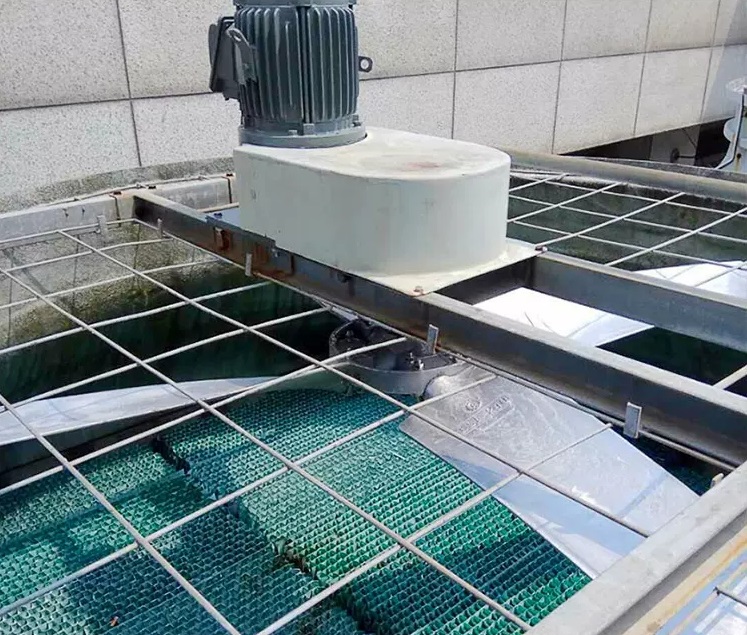
Cooling tower fans are one of the most critical components in an industrial cooling tower. They generate the airflow necessary for evaporative cooling, allowing heat to be transferred efficiently from circulating water to the atmosphere. Selecting the correct fan and motor not only ensures optimal cooling performance but also minimizes energy consumption and maintenance costs.
One of the most common questions asked by engineers, facility managers, and cooling tower operators is how to calculate cooling tower fan power. Accurate fan power calculation helps determine the appropriate motor size, estimate operating costs, and improve overall system efficiency.
This comprehensive guide explains the principles behind cooling tower fan power calculations, the formulas involved, the factors influencing fan performance, and practical tips for selecting the right fan for your cooling tower.
What Is Cooling Tower Fan Power?
Cooling tower fan power is the amount of mechanical or electrical power required to rotate the fan and move air through the cooling tower. The fan must overcome airflow resistance created by the fill media, drift eliminators, louvers, and tower structure while delivering sufficient airflow to achieve the desired cooling range.
Fan power is typically expressed in:
Kilowatts (kW)
Horsepower (HP)
The actual power required depends on the cooling tower's design, airflow rate, static pressure, fan efficiency, and motor efficiency.
Why Is Fan Power Calculation Important?
Calculating cooling tower fan power helps ensure:
Proper motor selection
Stable cooling tower operation
Reduced electricity costs
Improved cooling efficiency
Longer equipment life
Lower maintenance expenses
Compliance with energy-saving standards
Oversized motors waste energy, while undersized motors can overload and fail prematurely.
Basic Principle of Cooling Tower Fan Power
A cooling tower fan converts electrical energy into mechanical energy, which moves large volumes of air through the cooling tower. The power required depends on two primary parameters:
The greater the airflow or pressure, the higher the required fan power.
Standard Formula for Cooling Tower Fan Power
The basic fan power equation is:
Fan Power (kW) = (Airflow × Total Pressure) ÷ (3600 × Fan Efficiency × Motor Efficiency)
Where:
Airflow = Cubic meters per hour (m³/h)
Total Pressure = Pascals (Pa)
Fan Efficiency = Decimal value (e.g., 0.75)
Motor Efficiency = Decimal value (e.g., 0.92)
This equation estimates the electrical input power required under specified operating conditions.
Alternative Fan Power Formula
In many engineering applications:
Power (kW) = (Q × ΔP) ÷ (1000 × η)
Where:
This simplified equation is widely used in HVAC and industrial cooling system design.
Example Cooling Tower Fan Power Calculation
Suppose a cooling tower requires:
Step 1: Convert airflow
180,000 m³/h ÷ 3600 = 50 m³/s
Step 2: Calculate overall efficiency
0.80 × 0.93 = 0.744
Step 3: Apply the formula
Power = (50 × 180) ÷ (1000 × 0.744)
Power = 9000 ÷ 744
Power ≈ 12.1 kW
A motor rated at 15 kW would typically be selected to provide an adequate safety margin and accommodate startup conditions.
Understanding Fan Affinity Laws
Cooling tower fan performance follows the Fan Affinity Laws, which describe how changes in speed affect airflow, pressure, and power.
Airflow
Airflow is directly proportional to fan speed.
If fan speed increases by 10%, airflow also increases by approximately 10%.
Static Pressure
Pressure is proportional to the square of fan speed.
Increasing speed by 10% raises pressure by about 21%.
Power
Power is proportional to the cube of fan speed.
A 10% increase in speed results in approximately 33% more power consumption.
This cubic relationship explains why even small speed increases can significantly impact energy costs.
Factors Affecting Cooling Tower Fan Power
1. Airflow Requirement
Higher airflow demands require larger fans or increased fan speeds, leading to higher power consumption.
Airflow depends on:
2. Fan Diameter
Larger fans generally move more air at lower rotational speeds, often improving energy efficiency and reducing noise.
3. Fan Blade Design
Modern cooling tower fan blades are engineered to maximize aerodynamic efficiency.
High-quality FRP or aluminum alloy blades provide:
Higher airflow
Lower energy consumption
Reduced vibration
Longer service life
4. Blade Pitch Angle
Blade angle directly influences airflow and power.
Increasing blade pitch:
Improper blade adjustment can overload the motor or reduce cooling efficiency.
5. Static Pressure
Cooling tower components such as fills, drift eliminators, louvers, and air inlets create resistance to airflow.
Higher resistance means the fan must generate more pressure, requiring more power.
6. Fan Efficiency
Efficient fans convert more motor power into useful airflow.
Typical fan efficiencies range from:
Investing in efficient fan designs can significantly reduce operating costs.
7. Motor Efficiency
Premium-efficiency motors consume less electricity for the same output.
IE3 and IE4 motors are commonly recommended for industrial cooling towers due to their energy-saving performance.
How to Select the Correct Cooling Tower Fan Motor
Proper motor sizing involves more than matching the calculated power.
Consider:
A motor with a small safety margin above the calculated requirement is typically selected to ensure reliable operation without excessive oversizing.
Using Variable Frequency Drives (VFDs)
Variable Frequency Drives allow precise control of fan speed based on cooling demand.
Benefits include:
Because fan power varies with the cube of speed, even modest reductions in speed can produce substantial energy savings.
Common Mistakes in Fan Power Calculation
Avoid these common errors:
Ignoring motor efficiency
Using incorrect airflow units
Neglecting system pressure losses
Overlooking fan efficiency
Failing to include a reasonable safety margin
Selecting motors solely based on nameplate power without considering operating conditions
Accurate calculations require reliable performance data from both the cooling tower and fan manufacturer.
Energy-Saving Tips for Cooling Tower Fans
To optimize fan performance and reduce operating costs:
Clean cooling tower fills regularly to reduce airflow resistance.
Inspect and adjust fan blade pitch according to manufacturer recommendations.
Balance fan blades to minimize vibration.
Lubricate bearings and maintain gear reducers.
Install high-efficiency motors.
Use VFDs to match fan speed with cooling demand.
Replace worn belts, pulleys, or gear reducers promptly.
Inspect drift eliminators and louvers for obstructions.
These maintenance practices improve airflow while reducing energy consumption.
Applications of Cooling Tower Fans
Cooling tower fans are widely used in:
Power plants
Chemical processing facilities
Petrochemical refineries
Steel mills
HVAC systems
Data centers
Food and beverage processing
Pharmaceutical manufacturing
Textile plants
Commercial buildings
Each application has unique airflow and power requirements, making proper fan selection essential.
Choosing a Reliable Cooling Tower Fan Supplier
When sourcing a cooling tower fan or replacement components, look for a supplier that offers:
High-efficiency FRP or aluminum alloy fan blades
Precision-balanced fan assemblies
Compatible replacements for Marley, BAC, Evapco, Liangchi, and other major brands
Technical support for fan selection and power calculations
Quality-certified manufacturing
Global shipping and after-sales service
A trusted supplier can help ensure optimal cooling performance and long-term reliability.
Frequently Asked Questions
How do I calculate cooling tower fan power?
Use the formula:
Power (kW) = (Airflow × Total Pressure) ÷ (3600 × Fan Efficiency × Motor Efficiency)
Ensure airflow, pressure, and efficiency values are accurate for your operating conditions.
What factors have the greatest impact on fan power?
Airflow rate, static pressure, fan efficiency, motor efficiency, blade pitch, and rotational speed all influence power consumption.
Can a Variable Frequency Drive reduce fan power?
Yes. Since fan power varies approximately with the cube of fan speed, reducing speed with a VFD can significantly lower energy consumption.
Should I oversize the fan motor?
A modest safety margin is recommended, but excessive oversizing can reduce efficiency and increase operating costs. Follow manufacturer recommendations and engineering best practices.
Which fan blade material is best?
FRP (Fiberglass Reinforced Plastic) and aluminum alloy blades are widely used due to their strength, corrosion resistance, and aerodynamic performance.
Conclusion
Calculating cooling tower fan power is a key step in designing and operating an efficient cooling system. By considering airflow, total pressure, fan efficiency, motor efficiency, and system resistance, engineers can accurately estimate the required motor power and select the most suitable equipment.
In addition to proper calculations, regular maintenance, efficient fan blade design, and the use of Variable Frequency Drives can greatly improve cooling tower performance while reducing energy consumption. Whether you're installing a new system or upgrading an existing one, understanding fan power calculations helps ensure reliable operation, lower operating costs, and longer equipment life.


