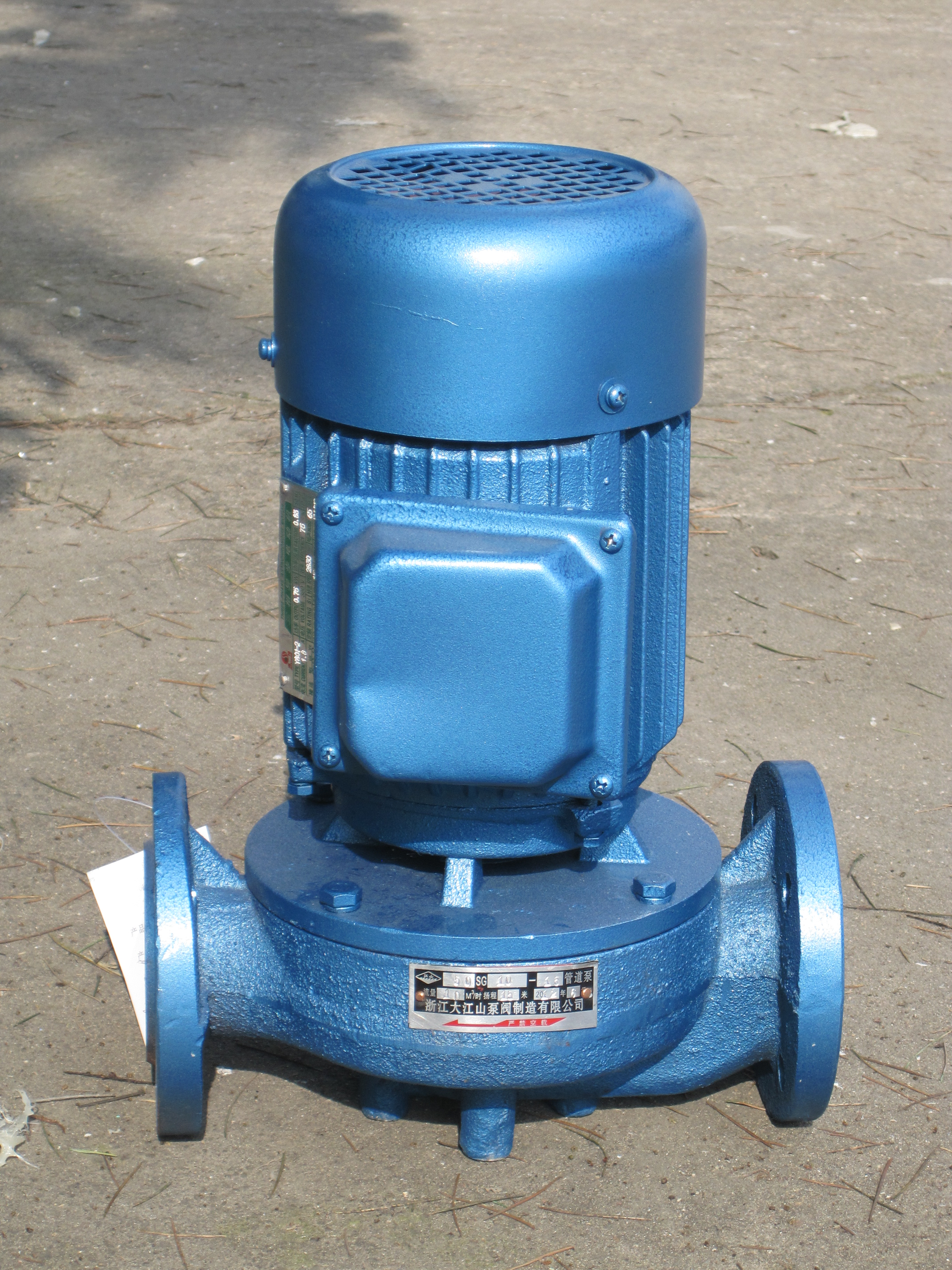
How Does a Cooling Tower Water Pump Affect System Efficiency?
A cooling tower water pump is one of the most critical components of an industrial cooling system. While much attention is often given to the cooling tower itself, the water pump plays an equally important role in determining cooling performance, energy consumption, and long-term system reliability.
The pump is responsible for circulating cooling water between the process equipment and the cooling tower. If it is improperly selected, inefficient, or poorly maintained, the entire cooling system can experience reduced heat transfer, higher electricity costs, and increased equipment wear.
This article explains how a cooling tower circulating pump influences system efficiency and provides practical tips for selecting, operating, and maintaining pumps for maximum performance.
What Is a Cooling Tower Water Pump?
A cooling tower water pump, also known as a cooling tower circulating pump, transports hot process water from industrial equipment or HVAC systems to the cooling tower. After the water is cooled through evaporation, the pump returns it to the system, creating a continuous circulation loop.
Without a properly functioning pump, cooling water cannot flow at the required rate or pressure, resulting in poor heat dissipation and unstable equipment operation.
Cooling tower pumps are widely used in:
HVAC systems
Power plants
Chemical processing facilities
Steel mills
Manufacturing plants
Food and beverage factories
Commercial refrigeration systems
The Role of a Cooling Tower Water Pump
1. Maintain Continuous Water Circulation
The primary function of a cooling tower water pump is to provide the hydraulic force needed to circulate water throughout the cooling system.
A stable circulation loop ensures that heat is continuously removed from industrial equipment and transferred to the cooling tower for dissipation.
Without sufficient circulation, process temperatures rise quickly, reducing productivity and increasing the risk of equipment damage.
2. Ensure Uniform Water Distribution
The pump supplies water to the cooling tower distribution system, allowing spray nozzles to distribute water evenly across the cooling tower fill.
Consistent water distribution offers several benefits:
Uniform flow allows the entire fill surface to participate in the cooling process.
3. Maintain Proper System Pressure
Every cooling tower system experiences pressure losses caused by pipelines, valves, fittings, filters, and elevation changes.
A properly sized cooling tower pump generates enough pressure to overcome these losses while maintaining stable water flow throughout the system.
Stable pressure helps prevent:
Flow imbalance
Equipment overheating
Reduced cooling capacity
System instability
4. Improve Overall Cooling Efficiency
Cooling efficiency depends heavily on maintaining the correct water flow rate.
When water flows through the cooling tower at the designed capacity, heat transfer is optimized, resulting in:
Lower outlet water temperatures
Improved production efficiency
Reduced energy consumption
Stable operating conditions
5. Protect Industrial Equipment
Continuous cooling prevents excessive operating temperatures that could damage condensers, chillers, compressors, heat exchangers, and industrial machinery.
A reliable cooling tower water pump extends the service life of both the cooling tower and connected equipment while reducing maintenance costs.
How Pump Efficiency Affects Energy Consumption
High-Efficiency Pumps Reduce Electricity Costs
The cooling tower water pump is often one of the largest energy consumers in an industrial cooling system.
Modern high-efficiency pumps convert more electrical energy into hydraulic energy, reducing electricity consumption while maintaining the required cooling capacity.
Replacing an outdated or inefficient pump can significantly lower annual operating costs.
Low-Efficiency Pumps Waste Energy
As pumps age, wear on impellers, bearings, and seals reduces hydraulic efficiency.
An inefficient pump must consume more power to deliver the same flow rate, resulting in:
Oversized Pumps Increase Operating Costs
Selecting a pump with excessive flow capacity is a common design mistake.
Oversized pumps may cause:
Unnecessary energy consumption
Excessive pipeline pressure
Water hammer
Equipment vibration
Increased wear on valves and piping
Proper pump sizing ensures efficient operation without wasting energy.
Choosing the Right Cooling Tower Pump
Selecting the appropriate pump is essential for maximizing system efficiency.
Key factors include:
Flow Rate
The pump should provide sufficient water flow to meet the cooling tower's design requirements without excessive circulation.
Total Dynamic Head (TDH)
The selected pump must overcome system resistance, including:
Pipe friction
Elevation differences
Valves
Heat exchangers
Distribution piping
Motor Efficiency
Pairing the pump with a premium-efficiency motor further reduces electricity consumption.
Water Quality
Water containing sediment or chemicals may require corrosion-resistant materials or specialized impeller designs.
Factors That Influence Pump Performance
Several operating conditions affect cooling tower pump efficiency.
Operating Away from the Best Efficiency Point (BEP)
Every centrifugal pump is designed to operate most efficiently within a specific flow range known as the Best Efficiency Point (BEP).
Running too far above or below this point reduces hydraulic efficiency and accelerates equipment wear.
Excessive Pipeline Resistance
Poor piping design can significantly increase pump workload.
Common causes include:
Too many elbows
Long pipe runs
Undersized piping
Dirty strainers
Mineral scaling
Reducing hydraulic resistance allows the pump to operate more efficiently.
Variable Cooling Loads
Industrial cooling demand often changes throughout the day.
Operating pumps at full speed during periods of low demand wastes energy.
Installing a Variable Frequency Drive (VFD) allows pump speed to automatically adjust based on actual cooling requirements.
The Importance of Pump Maintenance
Regular maintenance is essential for maintaining peak pump efficiency.
Prevent Scaling and Corrosion
Mineral deposits and corrosion reduce impeller performance and restrict water flow.
Implementing proper water treatment and periodic cleaning helps maintain hydraulic efficiency.
Replace Worn Components
Critical parts requiring regular inspection include:
Bearings
Mechanical seals
Impellers
Couplings
Shafts
Replacing worn components before failure minimizes downtime and restores pump performance.
Monitor Operating Conditions
Routine monitoring should include:
Flow rate
Pressure
Vibration
Motor current
Noise
Temperature
Early detection of abnormal conditions helps prevent costly repairs.
Ways to Improve Cooling Tower Pump Efficiency
Several practical strategies can improve system performance.
Install Variable Frequency Drives (VFDs)
Variable-speed control allows pumps to match water flow with actual cooling demand, reducing unnecessary energy consumption.
Optimize Pipeline Design
Reducing pipe friction and unnecessary fittings lowers system resistance and decreases pump workload.
Select High-Efficiency Pumps
Modern hydraulic designs combined with premium-efficiency motors provide significant energy savings compared with older equipment.
Perform Preventive Maintenance
Regular inspection and maintenance keep pumps operating near peak efficiency throughout their service life.
Signs That Your Cooling Tower Pump Needs Replacement
Consider replacing your pump if you notice:
Replacing an aging pump often delivers immediate improvements in cooling efficiency and operating costs.
Conclusion
A cooling tower water pump is much more than a simple circulation device—it is a key factor in the efficiency, reliability, and operating cost of the entire cooling system. Proper pump selection, correct sizing, and routine maintenance ensure stable water circulation, effective heat transfer, and long-term equipment protection.
Investing in a high-efficiency industrial cooling tower pump, optimizing system design, and using variable-speed control technologies can significantly reduce energy consumption while improving cooling performance. Whether upgrading an existing installation or designing a new cooling system, choosing the right cooling tower circulating pump is essential for achieving reliable, cost-effective operation.
Frequently Asked Questions
How does a cooling tower water pump improve efficiency?
A cooling tower water pump maintains the correct water flow and pressure, ensuring uniform water distribution across the fill media. This maximizes heat transfer, improves evaporative cooling, and reduces overall energy consumption.
What happens if a cooling tower pump is oversized?
An oversized pump can waste electricity, increase system pressure, cause excessive vibration, and accelerate wear on pipes, valves, and other cooling system components.
How often should a cooling tower pump be maintained?
Most industrial cooling tower pumps should be inspected every 3–6 months, with regular checks of bearings, seals, impellers, vibration, and water flow. Maintenance frequency may increase in systems with poor water quality or continuous operation.
Can a variable frequency drive (VFD) improve pump efficiency?
Yes. A VFD adjusts pump speed to match actual cooling demand, reducing energy consumption during partial-load operation and extending the service life of both the pump and motor.
What factors should be considered when selecting a cooling tower pump?
Key considerations include the required flow rate, total dynamic head (TDH), motor efficiency, water quality, operating temperature, and compatibility with the cooling tower system. Proper pump sizing is essential to maximize efficiency and minimize operating costs.


