English


Views: 0 Author: Cindy Publish Time: 2026-10-14 Origin: Site


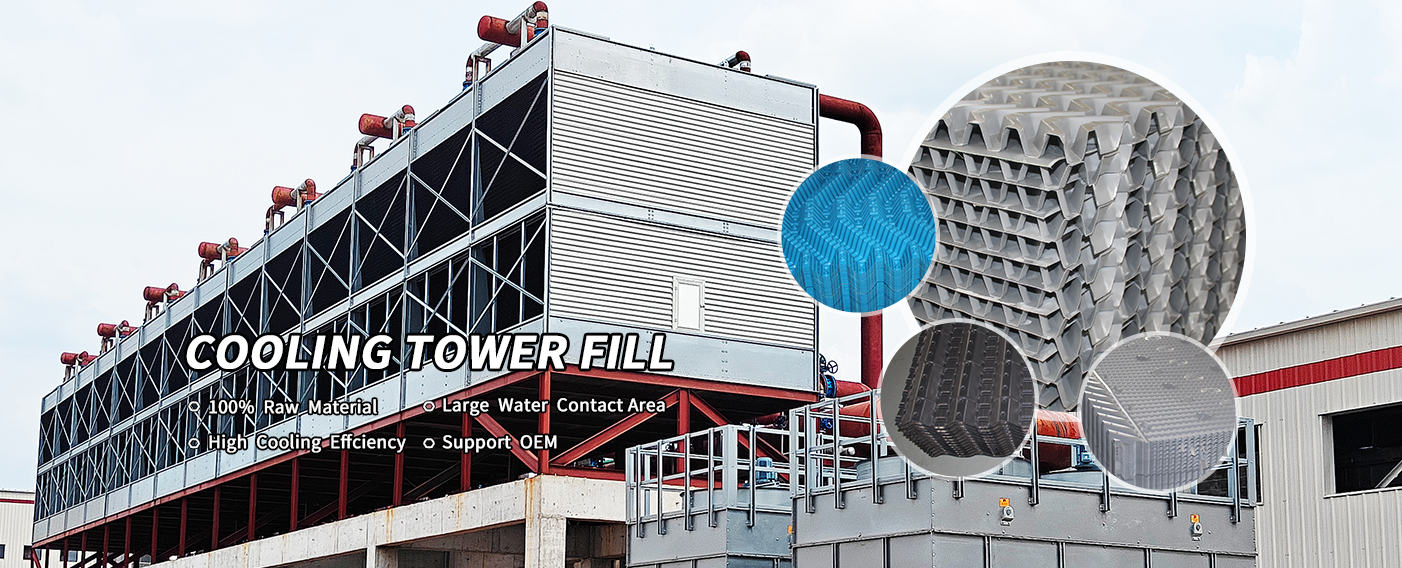
Cooling tower performance depends on more than fan power, water flow, or tower size. One of the most important components is often hidden inside the equipment: the cooling tower fill. Although it may look like a stack of plastic sheets or molded blocks, this component has a direct influence on heat transfer, cooling efficiency, maintenance requirements, and overall operating costs.
Whether you manage an industrial cooling system, maintain an HVAC installation, or purchase replacement parts, understanding fills in a cooling tower can help you make better technical and purchasing decisions.
But which type of fill should you choose? Is PVC always the best option? When should you use splash fill instead of film fill? And how can you tell when existing fill needs replacement?
In this guide, we explain the main types, materials, functions, and benefits of cooling tower fill, along with practical selection and maintenance advice. We also explain how Power Tower Cooling Technology (Shaoxing) Co.,Ltd can support cooling tower fill sourcing and replacement projects through coolingtowerpart.com.
Cooling tower fills, also called fill media or cooling tower packing, are internal components designed to improve contact between hot circulating water and the air moving through a cooling tower.
In a typical cooling tower, warm water enters the distribution system and flows downward. Air moves through the tower, either naturally or with the help of fans. As the water contacts the air, a portion evaporates, carrying heat away and lowering the temperature of the remaining water.
The fill makes this process more effective by spreading the water over a larger surface area and increasing the time available for air-water contact.
Think of the fill as a carefully designed heat-transfer platform. Without it, water may fall through the tower in streams or droplets with limited contact with the surrounding air. With the correct fill, the water forms thin films or breaks into smaller droplets, creating more opportunities for heat exchange.
Cooling tower fill is not simply a space-filling material. Its geometry, surface characteristics, spacing, and resistance to fouling all influence system performance.
Cooling tower fill works by improving the conditions required for heat and mass transfer. Its effectiveness depends on the relationship between water distribution, airflow, temperature, and the available contact surface.
The primary function of fill is to increase the surface area over which water and air interact.
In film-fill systems, water spreads across shaped sheets and forms thin layers. In splash-fill systems, water repeatedly breaks into droplets as it strikes specially designed bars or grids.
Both methods create more contact area than an unrestricted stream of water could provide. A larger effective contact area generally improves heat transfer, provided that the fill also allows sufficient airflow and maintains proper water distribution.
Surface area alone does not determine cooling performance. Air must also move through the fill effectively.
The fill structure creates passages that guide airflow while distributing water across the available space. If the passages are too narrow, airflow resistance may increase. If they are too open, the fill may provide insufficient contact area.
The design challenge is to balance heat-transfer performance with pressure drop, water distribution, and resistance to clogging.
That balance matters because the fill operates as part of a complete system. A high-performance fill cannot compensate fully for an undersized fan, blocked air inlets, or an improperly designed water distribution system.
Cooling tower fill supports several essential functions that influence the reliability and efficiency of the entire cooling system.
Fill increases the area available for heat exchange between circulating water and air. This helps the tower remove heat from water returning from industrial equipment, chillers, condensers, and other processes.
In evaporative cooling towers, evaporation is especially important because it removes latent heat from the circulating water. The fill helps create favorable conditions for this process, although actual performance also depends on ambient wet-bulb temperature, water loading, airflow, and tower design.
A properly selected fill can help a cooling tower achieve its intended thermal performance without unnecessary energy consumption.
However, efficiency is not determined by the fill alone. Excessive air resistance, uneven water distribution, or fouling can offset the advantages of a high-surface-area design.
The best choice is therefore not necessarily the fill with the greatest surface area. It is the fill that delivers the required cooling performance under the actual operating conditions.
Uniform water distribution helps reduce localized hot spots and uneven cooling. A suitable fill structure also supports predictable airflow through the tower.
When fill becomes damaged, clogged, or deformed, water may bypass some areas while accumulating in others. This can create inconsistent cooling, higher pressure losses, and additional maintenance demands.
Selecting durable fill and inspecting it regularly helps maintain stable operation over time.
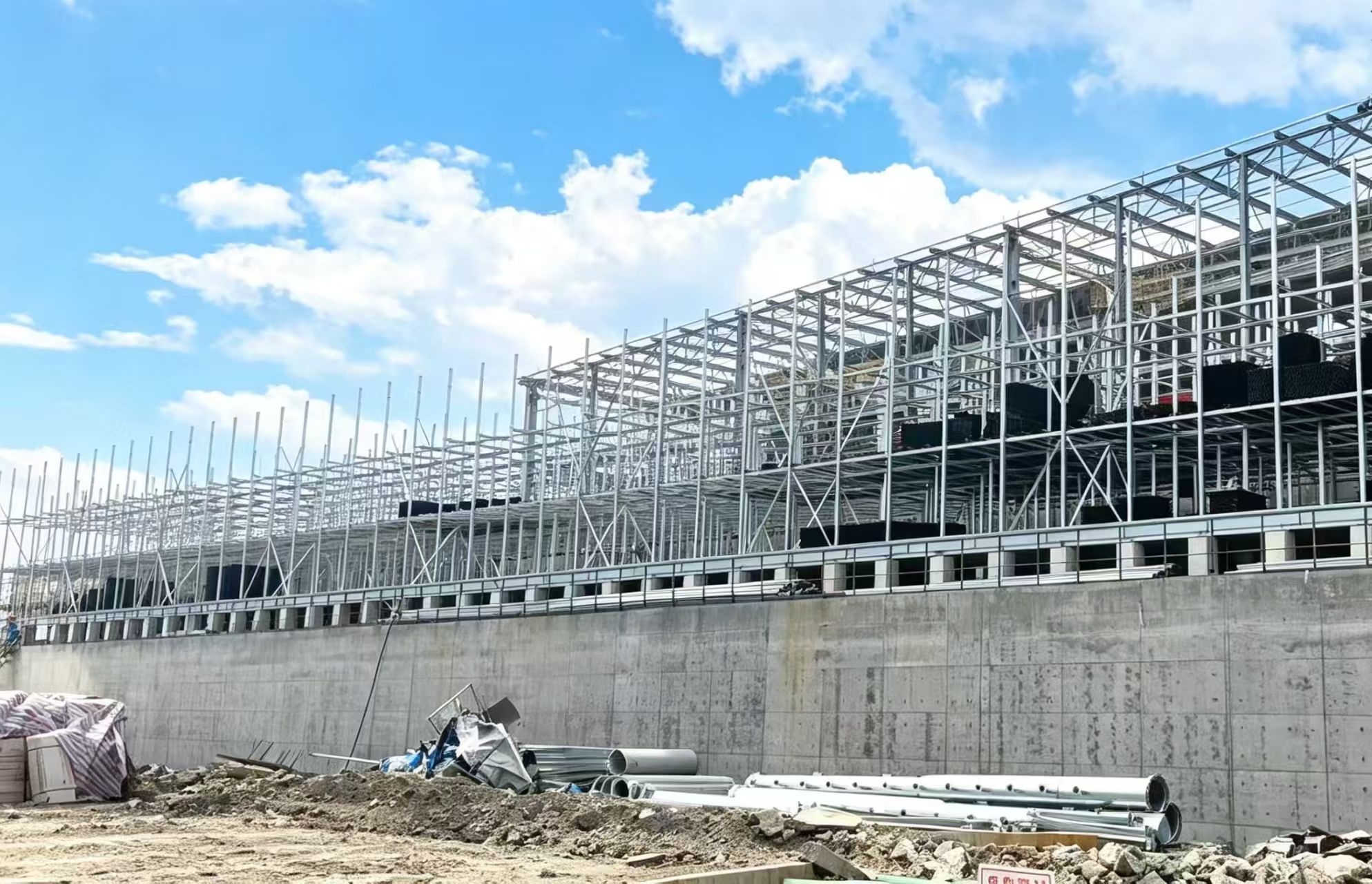
Cooling tower fills are commonly divided into two main categories: film fill and splash fill. Each has specific advantages and is suited to different operating conditions.
Film fill consists of shaped sheets, often arranged in closely spaced layers. Water spreads over the sheet surfaces as it moves through the fill pack, forming thin films that expose a large area to the airflow.
Common characteristics include:
High effective heat-transfer surface area.
Compact arrangements suitable for many modern cooling towers.
Potential for strong thermal performance when water quality is appropriate.
Relatively narrow passages that may become blocked by suspended solids, scale, or biological growth.
Film fill is widely used in industrial and HVAC cooling towers where effective heat transfer and compact installation are important.
Different sheet patterns and spacings are available. The right configuration depends on water quality, operating temperature, airflow, and the tower's original design.
Splash fill uses bars, grids, or molded elements to break falling water into smaller droplets. As water strikes the fill surfaces, it separates and redistributes, increasing contact with the air.
Its main advantages include:
More open passages in many designs.
Better tolerance of suspended solids in suitable configurations.
Potentially easier cleaning in applications where deposits accumulate.
Good suitability for certain industrial water conditions.
Splash fill is often considered for cooling towers handling dirtier water or operating in environments where clogging is a significant concern.
Nevertheless, not every splash-fill design is equally resistant to fouling. The actual opening size, arrangement, material, and water quality must all be considered.
Film fill and splash fill work differently, so the right choice depends on the cooling tower's operating environment.
| Comparison Factor | Film Fill | Splash Fill |
|---|---|---|
| Cooling mechanism | Spreads water into thin films | Breaks water into droplets |
| Contact surface | Generally high | Depends on the splash geometry |
| Fouling sensitivity | Can be higher with narrow passages | Often more tolerant in open designs |
| Typical application | Cleaner circulating water | Applications with greater suspended-solid loading |
| Maintenance | Requires attention to sheet passages | Depends on element spacing and deposit buildup |
| Selection priority | Thermal performance and compactness | Fouling tolerance and operating conditions |
Which one is better? Neither is universally superior.
Film fill may be the right choice when water quality is controlled and high thermal performance is a priority. Splash fill may be more appropriate when solids loading or fouling risk makes narrow passages difficult to maintain.
The correct decision should be based on operating conditions rather than price or nominal surface area alone.
The material used to manufacture fill affects its resistance to heat, chemicals, mechanical stress, and long-term exposure to water.
PVC and polypropylene are two common choices, but their suitability depends on the specific application.
PVC, or polyvinyl chloride, is widely used for film-fill media because it can be formed into thin, corrugated sheets and assembled into compact packs.
Typical advantages include:
Good formability for complex sheet patterns.
Cost-effective production for many applications.
Useful mechanical performance under suitable operating conditions.
Broad availability for cooling tower maintenance and replacement projects.
PVC fill is often suitable for conventional HVAC and industrial cooling towers operating within the material's specified temperature range.
However, standard PVC should not be assumed to be suitable for every high-temperature or chemically aggressive environment. Prolonged exposure to unsuitable temperatures or chemicals can lead to softening, deformation, embrittlement, or reduced service life.
Before purchasing PVC fill, check the manufacturer's temperature limits and chemical compatibility information.
PP, or polypropylene, is another common material used in cooling tower fill manufacturing. It is particularly relevant when operating conditions require properties different from those offered by standard PVC.
Potential advantages include:
Useful resistance to many chemicals.
Availability of grades designed for higher-temperature applications than standard PVC.
Suitability for various molded splash-fill configurations.
Flexibility in designing components for demanding industrial environments.
Actual performance depends on the polypropylene grade, formulation, sheet or element thickness, manufacturing quality, and installation conditions.
PP is not automatically better than PVC in every application. It may have different stiffness, dimensional stability, cost, and processing characteristics. A material comparison should therefore consider the complete operating environment, not just one specification.
Some cooling tower projects require materials or designs beyond conventional PVC and PP.
Depending on the operating conditions, alternatives may include specialized plastics, corrosion-resistant metal components, or other engineered materials.
For example, certain industrial systems may expose internal components to unusual temperatures, chemical concentrations, or mechanical loads. In such cases, the material must be evaluated against the actual process conditions.
It is also important to distinguish fill material from the material used for support structures, fasteners, and other tower internals. These components may face different mechanical and chemical requirements.
High-quality fill can support better thermal performance and reduce avoidable maintenance problems. The actual benefits depend on correct selection, installation, water treatment, and operating conditions.
Well-designed fill promotes effective contact between air and water. When matched to the tower's design conditions, it can help the system achieve its required cooling range and approach.
The cooling range is the difference between the hot-water inlet temperature and cold-water outlet temperature. The approach is the difference between the cold-water outlet temperature and the ambient wet-bulb temperature.
Fill contributes to these results, but the tower's performance must be assessed as a complete system.
A suitable fill can help reduce the cost of operating and maintaining a cooling tower over its service life.
Potential savings may come from improved thermal performance, fewer unplanned shutdowns, less frequent replacement, and more manageable cleaning requirements.
However, fill selection alone does not guarantee lower fan power or reduced water consumption. Those outcomes depend on the interaction between fill geometry, airflow, water loading, heat load, and control strategy.
A practical purchasing decision should compare total lifecycle cost rather than initial price alone.
Fill that matches the water quality and operating conditions is generally easier to maintain than an unsuitable design.
For example, a fill pack with passages too narrow for the circulating water may accumulate deposits quickly. An alternative with more appropriate openings may reduce blockage risk and make cleaning more practical.
Maintenance requirements still depend on water treatment, filtration, biological control, and operating practices.
Durable material, consistent manufacturing quality, correct support, and suitable operating conditions can all extend fill service life.
Poor installation may lead to sagging or uneven loading. Excessive temperature can deform unsuitable plastics. Scale and biological growth may restrict passages and gradually affect performance.
A long service life is therefore the result of good material selection and proper maintenance—not simply choosing the thickest or most expensive fill.
Choosing cooling tower fill requires more than matching the dimensions of an existing pack. You should evaluate the water, temperature, tower configuration, and required thermal performance together.
Water quality is one of the most important selection factors.
Check whether the circulating water contains suspended solids, sediment, hardness that can contribute to scale, biological growth, oils, process residues, or other contaminants.
If the water has a high suspended-solid load, narrow film-fill passages may be difficult to maintain. A suitable splash-fill design or a film fill with more appropriate spacing may be worth evaluating.
Water treatment and filtration should also be reviewed. Changing the fill cannot replace an effective water-management program.
The maximum water temperature is especially important when choosing between PVC and PP.
Do not rely on a generic temperature figure found in a product listing. Ask for the manufacturer's recommended continuous operating temperature and any applicable limitations.
Also consider temperature fluctuations, cleaning procedures, and exposure to chemicals that may change material performance.
For hot industrial applications, verify the material grade and the suitability of the complete fill assembly before placing an order.
Replacement fill should be compatible with the tower's dimensions and internal arrangement.
Important details include:
Crossflow or counterflow configuration.
Available installation height and width.
Pack dimensions and orientation.
Support beams and load-bearing points.
Water distribution arrangement.
Airflow direction and clearances.
A pack that physically fits inside the tower may still perform poorly if it blocks airflow, changes water distribution, or does not align with the support system.
When possible, provide drawings, photographs, original part numbers, or measurements to the supplier.
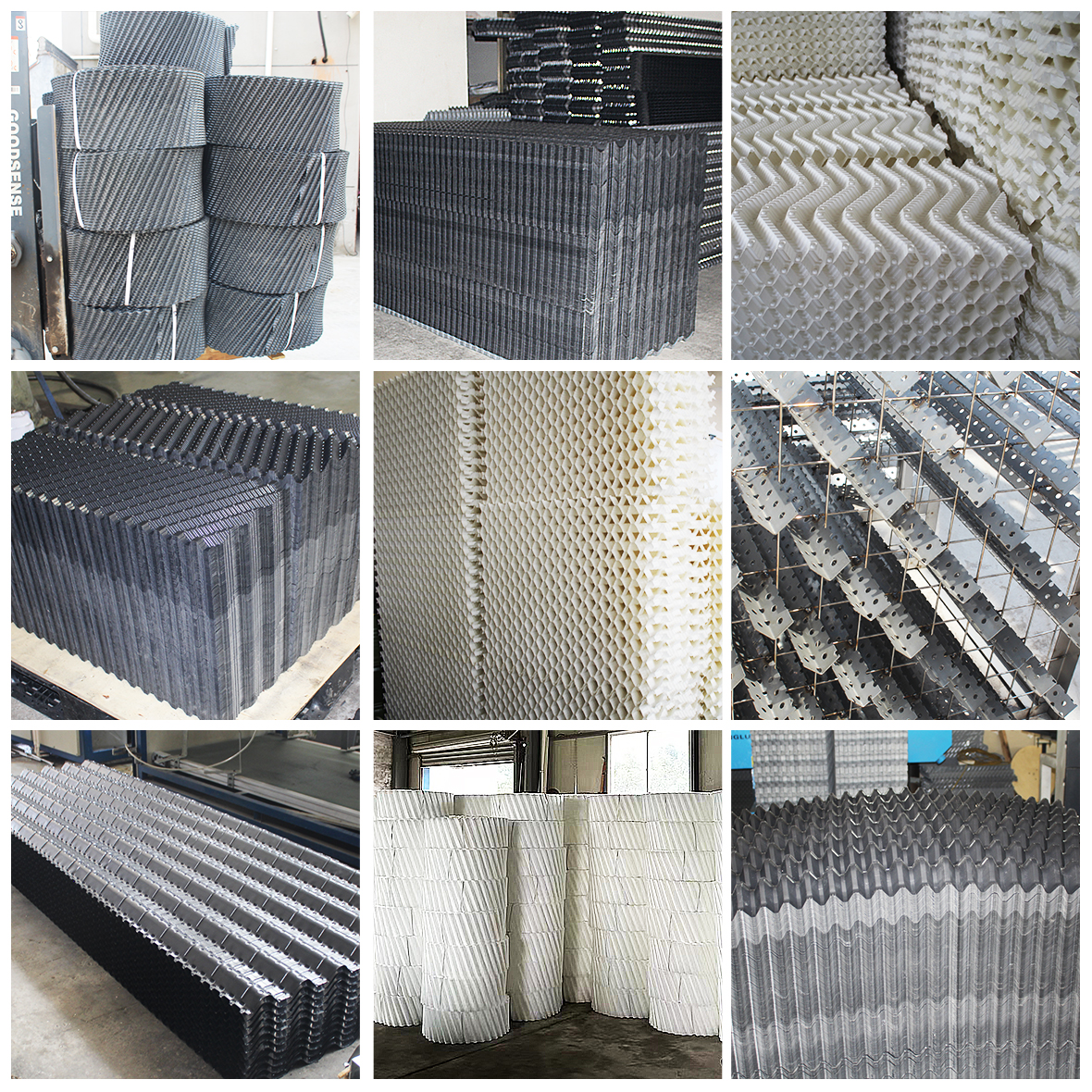
Sheet thickness and passage spacing influence both mechanical strength and hydraulic performance.
Thicker sheets may improve rigidity in some designs, but thickness alone does not determine quality. Material grade, forming accuracy, bonding, support, and the geometry of the passages are also important.
Similarly, tighter spacing can increase the available surface area but may also raise fouling sensitivity and airflow resistance.
The goal is to select a configuration that delivers the required thermal performance while remaining practical to operate and maintain.
Even a well-designed fill pack can develop problems when operating conditions change or maintenance is inadequate.
Scale, sediment, and biological growth can accumulate on fill surfaces or restrict the passages between sheets.
Common warning signs include declining cooling performance, uneven water distribution, visible deposits, and increasing difficulty maintaining the required cold-water temperature.
The response depends on the deposit type and material compatibility. Cleaning should follow an approved procedure that avoids damaging the fill or exposing workers to unnecessary chemical hazards.
If blockage is recurring, investigate the root cause. Water treatment, filtration, basin cleanliness, and biological control may all need attention.
Fill may sag, crack, warp, or become brittle after prolonged service.
Possible causes include unsuitable operating temperatures, chemical exposure, excessive mechanical loading, poor support, or natural material aging.
Deformation can reduce clearances, alter airflow, and create areas where water accumulates unevenly.
During inspection, look for collapsed packs, separated joints, broken elements, and signs that the fill no longer maintains its intended geometry.
Cooling tower fill relies on water reaching the intended surfaces in a reasonably uniform pattern.
Blocked nozzles, damaged distribution pipes, incorrect installation, or distorted fill can produce dry areas and excessive water loading elsewhere.
Before replacing the fill, inspect the distribution system as well. Otherwise, the same problem may continue after new material is installed.
A good maintenance plan helps preserve fill performance and makes replacement decisions more predictable.
Inspection frequency should reflect water quality, operating hours, process conditions, and the manufacturer's recommendations.
There is no single replacement interval that applies to every cooling tower.
Replacement may be necessary when the fill shows extensive deformation, cracking, persistent blockage, severe material degradation, or damage that cannot be corrected through appropriate cleaning and repair.
A decline in thermal performance can also indicate a problem, but it should not automatically be attributed to the fill. Fan performance, water distribution, heat load, and ambient conditions can affect cooling results too.
Before ordering replacement fill, inspect the existing assembly and identify the likely cause of the problem. This helps prevent repeated failures and unnecessary spending.
Use these practices to help keep fill in good condition:
Inspect fill during planned shutdowns and routine maintenance.
Monitor cooling performance and investigate unexplained changes.
Maintain appropriate water treatment and filtration.
Remove sediment from the basin and address blocked distribution nozzles.
Use cleaning methods compatible with the fill material.
Check supports, joints, and pack alignment after maintenance.
Keep records of inspections, cleaning, repairs, and replacement dates.
Avoid using aggressive cleaning methods without confirming their suitability. Excessive mechanical force or incompatible chemicals can damage the fill and shorten its remaining service life.
Cooling tower fill is used in many industries where heat must be removed from circulating water.
HVAC systems: Commercial buildings, hospitals, hotels, and large facilities use cooling towers to support chiller heat rejection.
Power generation: Cooling systems remove heat from condensers and associated equipment.
Chemical processing: Suitable fill helps maintain cooling capacity for process equipment, subject to chemical and temperature compatibility.
Manufacturing: Factories use cooling towers for production lines, machinery, and process cooling loops.
Petrochemical facilities: Fill selection must account for operating conditions, water quality, and any relevant contamination risks.
Food and beverage production: Cooling systems support process temperature control, with material selection and water management tailored to the application.
Data centers: Cooling towers may form part of larger heat-rejection systems serving chillers or other cooling equipment.
The best fill for one industry may not suit another. Even two towers in the same facility can require different solutions if their water quality, temperature, or thermal loads differ.
A reliable supplier can help you do more than purchase a box of fill media. The right partner can help confirm dimensions, review material options, and reduce the risk of ordering an unsuitable replacement.
Power Tower Cooling Technology (Shaoxing) Co.,Ltd provides a point of contact for buyers looking for cooling tower fill and related replacement components through coolingtowerpart.com.
When evaluating a manufacturer or supplier, consider the following factors.
Product suitability: Can the supplier help identify the appropriate fill type and material for your operating conditions?
Dimensional compatibility: Can the fill be supplied in the required dimensions and configuration?
Manufacturing consistency: Are specifications and quality-control procedures clearly explained?
Technical communication: Can the supplier review drawings, photographs, or existing part information?
Replacement support: Can the supplier help clarify packing, delivery, and installation requirements?
Lifecycle value: Does the proposal address service life, maintenance, and operating requirements rather than focusing only on initial price?
Before making a purchase, confirm current product availability, specifications, lead times, and any customization options directly with the supplier.
For replacement projects, sharing the tower model, fill dimensions, operating temperature, water quality, and photographs of the existing pack can make technical discussions much more productive.
Before requesting a quotation, prepare the following information:
| Selection Item | Information to Confirm |
|---|---|
| Cooling tower type | Crossflow or counterflow |
| Existing fill type | Film fill or splash fill |
| Material | PVC, PP, or another specified material |
| Dimensions | Length, width, height, and pack configuration |
| Operating temperature | Normal and maximum water temperature |
| Water quality | Suspended solids, scale, biological growth, and chemicals |
| Cooling requirements | Heat load and required thermal performance |
| Installation conditions | Supports, clearances, and access |
| Quantity | Required number of packs or total volume |
| Documentation | Drawings, photographs, original part numbers, or specifications |
This information helps suppliers evaluate compatibility and reduces the risk of delays caused by missing technical details.
If the original fill is no longer available, do not rely on dimensions alone. The replacement should also be checked for airflow resistance, water distribution, material compatibility, and suitability for the tower's intended performance.
PVC is a common choice for many conventional cooling towers, particularly where film fill is suitable and operating temperatures remain within the specified range. PP may be preferable for certain higher-temperature or chemically demanding applications, depending on the grade and design.
The best material is the one that meets your actual operating requirements at an acceptable lifecycle cost.
Cooling tower fill does not have one universal service life. Its durability depends on material quality, water chemistry, operating temperature, maintenance, installation, and mechanical loading.
Regular inspection can help identify deterioration before it causes more serious performance problems.
Many fill products can be supplied in different dimensions, sheet configurations, thicknesses, or pack arrangements, depending on the manufacturer's capabilities.
For customized replacement projects, provide detailed measurements, drawings, photographs, tower information, and operating conditions. Confirm the available options and technical specifications with the supplier before ordering.
It can, particularly when existing fill is clogged, deformed, degraded, or unsuitable for the application.
However, replacement will not necessarily solve problems caused by inadequate airflow, incorrect water distribution, excessive heat load, or poor water treatment. A complete inspection helps determine whether fill replacement is the right solution.
Fills in a cooling tower play a central role in heat transfer, water distribution, and overall cooling performance. Film fill and splash fill serve different needs, while materials such as PVC and PP offer different combinations of cost, durability, temperature suitability, and chemical resistance.
Choosing the right fill starts with understanding the real operating conditions. Consider water quality, temperature, tower configuration, airflow, maintenance requirements, and the dimensions of the existing installation. Just as importantly, inspect the complete cooling system before assuming that the fill is responsible for every performance issue.
High-quality fill can support reliable operation, manageable maintenance, and better lifecycle value when it is correctly specified and installed.
For cooling tower fill sourcing and replacement inquiries, contact Power Tower Cooling Technology (Shaoxing) Co.,Ltd through coolingtowerpart.com. Prepare your technical requirements and existing fill details before requesting a quotation so that the proposed solution can be evaluated against your actual application.
The right cooling tower fill is not simply the product with the lowest price or the largest surface area. It is the solution that works reliably with your water, your tower, and your process—day after day.


