Cooling Tower Fill Maintenance Guide: Cleaning, Inspection, and Replacement Tips
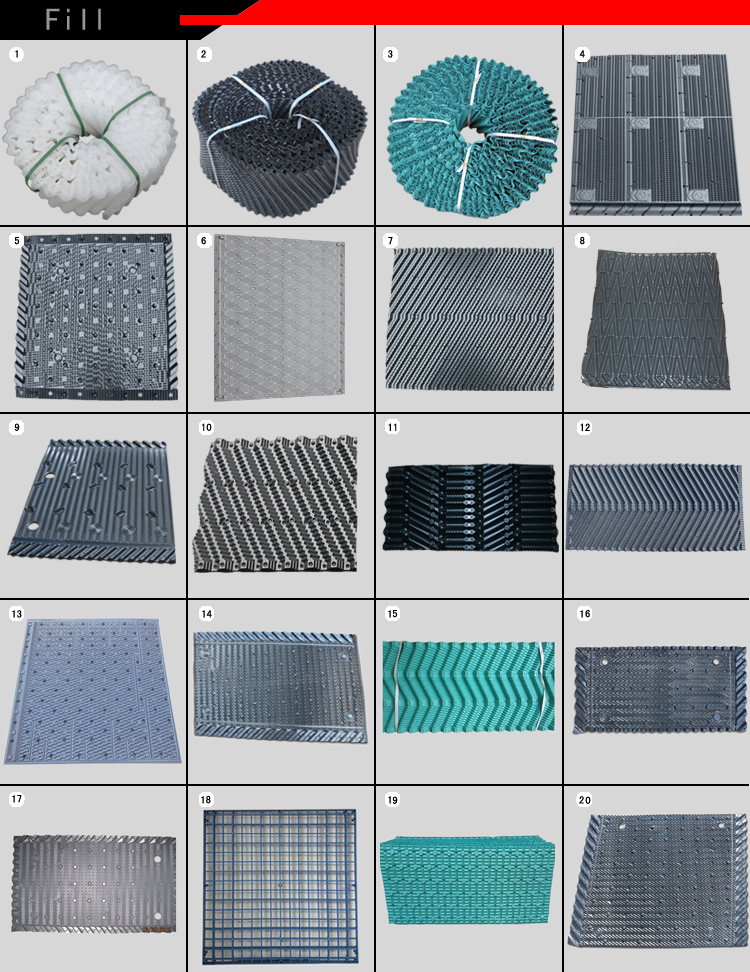
In industrial cooling systems, cooling tower fill is one of the most important components affecting heat transfer efficiency and overall system performance. Proper cooling tower fill maintenance helps maximize cooling capacity, reduce energy consumption, prevent unexpected downtime, and extend the service life of the cooling tower.
Because cooling tower fills operate continuously in high-temperature, high-humidity environments, they are exposed to problems such as scaling, biological fouling, clogging, and material aging. A scientific maintenance program, including regular inspection, cleaning, water treatment, and timely replacement, is essential for maintaining efficient operation.
This article explains the function of cooling tower fill, common problems, maintenance methods, different fill types, and practical tips to improve cooling tower performance.
What Is Cooling Tower Fill?
Cooling tower fill, also known as cooling tower filler, is a heat transfer component installed inside a cooling tower to increase the contact area between circulating water and air.
The main purpose of cooling tower fill is to slow down water flow and create a larger surface area for evaporation and heat exchange. The efficiency of the fill directly influences the cooling tower’s ability to reduce water temperature.
The main functions of cooling tower fill include:
Extending water residence time inside the cooling tower
Increasing water and air contact surface area
Improving evaporation and heat transfer efficiency
Reducing the temperature of circulating water
Enhancing overall cooling tower performance
High-quality cooling tower fill materials, such as PVC and PP, provide excellent corrosion resistance, durability, and long-term operating stability.
Why Cooling Tower Fill Maintenance Is Important
Regular industrial cooling tower fill maintenance is essential because dirty or damaged fill can significantly reduce cooling efficiency.
Poorly maintained cooling tower fill may cause:
Reduced heat transfer performance
Higher cooling water outlet temperature
Increased fan and pump energy consumption
Uneven water distribution
Increased operating costs
Shortened cooling tower lifespan
By implementing preventive maintenance, companies can maintain stable cooling performance and avoid costly replacement caused by severe damage.
Common Problems With Cooling Tower Fill
During long-term operation, cooling tower fill may experience several common issues.
1. Scaling and Blockage
Minerals such as calcium and magnesium in circulating water can accumulate on the fill surface and form scale.
Scale buildup can:
Regular water treatment and cleaning can help prevent excessive scaling.
2. Biological Fouling
Algae, bacteria, and microorganisms can grow inside cooling tower fill due to warm and wet operating conditions.
Biological contamination may cause:
Proper chemical water treatment, including biocide control, is important for preventing biological growth.
3. Aging and Material Deterioration
Although PVC and PP cooling tower fills have good durability, long-term exposure to heat, UV radiation, and chemicals may cause:
Aged fill should be inspected regularly to determine whether replacement is required.
4. Fill Collapse or Structural Damage
Improper installation, excessive weight from deposits, or damaged support structures may cause fill packs to collapse.
Collapsed cooling tower fill can affect:
Airflow distribution
Water distribution
Heat exchange efficiency
Cooling tower stability
Damaged fill should be repaired or replaced promptly.
Industrial Cooling Tower Fill Maintenance Methods
A complete cooling tower fill maintenance program usually includes inspection, cleaning, water treatment, and replacement.
1. Regular Cooling Tower Fill Inspection
Routine inspection helps identify problems before they affect system performance.
Inspection items include:
Checking for broken or deformed fill sheets
Inspecting scaling and sediment buildup
Checking algae or biological growth
Confirming uniform water distribution
Inspecting fill support structures
Monitoring cooling tower temperature difference
A regular inspection schedule can prevent unexpected cooling system failures.
2. Cooling Tower Fill Cleaning and Descaling
Cleaning is necessary when deposits reduce cooling performance.
Chemical Cleaning
Chemical cleaning is commonly used for removing:
Mineral scale
Calcium deposits
Biological films
The cleaning chemicals must be selected according to the fill material and operating conditions.
High-Pressure Water Cleaning
High-pressure water cleaning can remove:
Dirt
Loose deposits
Sediment accumulation
However, excessive pressure should be avoided because it may damage aged PVC fill.
3. Cooling Tower Water Quality Management
Water quality has a direct impact on cooling tower fill lifespan.
Effective water management includes:
Controlling water hardness
Maintaining proper cycles of concentration
Adding corrosion inhibitors
Using appropriate biocides
Removing suspended solids
Good water treatment reduces scaling and biological contamination.
4. Cooling Tower Fill Replacement
Cooling tower fill should be replaced when:
Heat transfer efficiency decreases significantly
Fill sheets become brittle or cracked
Water flow channels are permanently blocked
Fill packs collapse
Cleaning can no longer restore performance
Replacing damaged fill can restore cooling tower efficiency and reduce operating costs.
Cooling Tower Fill Types and Maintenance Differences
Different cooling tower fill designs require different maintenance strategies.
1. Film Fill
Film fill is widely used in HVAC systems, power plants, and industrial cooling applications.
Advantages:
Maintenance Considerations:
Requires good water quality control
More sensitive to suspended solids
Needs regular cleaning to prevent clogging
Film fill is best suited for applications with relatively clean circulating water.
2. Splash Fill
Splash fill works by breaking water droplets into smaller particles through repeated splashing.
Advantages:
Excellent anti-clogging performance
Suitable for poor water quality
Strong fouling resistance
Maintenance Considerations:
Inspect support structures regularly
Check splash bars for damage
Remove accumulated debris
Splash fill is commonly used in industrial environments with higher contamination levels.
3. Hybrid Cooling Tower Fill
Hybrid fill combines characteristics of film fill and splash fill.
Advantages:
Balanced heat transfer performance
Flexible application range
Improved fouling resistance
Maintenance Considerations:
Inspect different fill sections separately
Monitor water distribution performance
Clean according to operating conditions
Cooling Tower Fill Maintenance Checklist
| Inspection Item | Recommended Action |
| Fill condition | Check cracks, deformation, and collapse |
| Scaling | Remove mineral deposits |
| Biological growth | Apply proper water treatment |
| Water distribution | Verify even spraying |
| Airflow | Check for blockage |
| Temperature difference | Monitor cooling performance |
Practical Tips to Extend Cooling Tower Fill Service Life
To maximize cooling tower fill lifespan:
Select suitable fill materials such as PVC or PP according to operating conditions.
Establish a preventive maintenance schedule.
Maintain proper circulating water quality.
Monitor cooling tower inlet and outlet temperature differences.
Clean fill regularly before severe blockage occurs.
Work with experienced cooling tower fill manufacturers or suppliers for replacement solutions.
Conclusion
Cooling Tower Fill Maintenance is essential for maintaining reliable industrial cooling system performance. Regular inspection, proper cleaning, effective water treatment, and timely replacement can significantly improve heat transfer efficiency while reducing energy consumption and operating expenses.
By selecting the correct type of cooling tower fill and implementing a scientific maintenance plan, industries can extend equipment lifespan and ensure stable cooling tower operation under demanding working conditions.


