Cooling Tower Fill: Types, Benefits, Selection and Maintenance Guide
Cooling tower fill is one of the most important components in a cooling tower. It increases the contact area between hot process water and air, helping improve heat transfer and cooling performance. The right cooling tower fill can significantly improve thermal efficiency, reduce operating costs, and extend the service life of the tower.
Whether you are replacing damaged fill or selecting cooling tower fill media for a new project, understanding the different types, materials, applications, and maintenance requirements is essential.
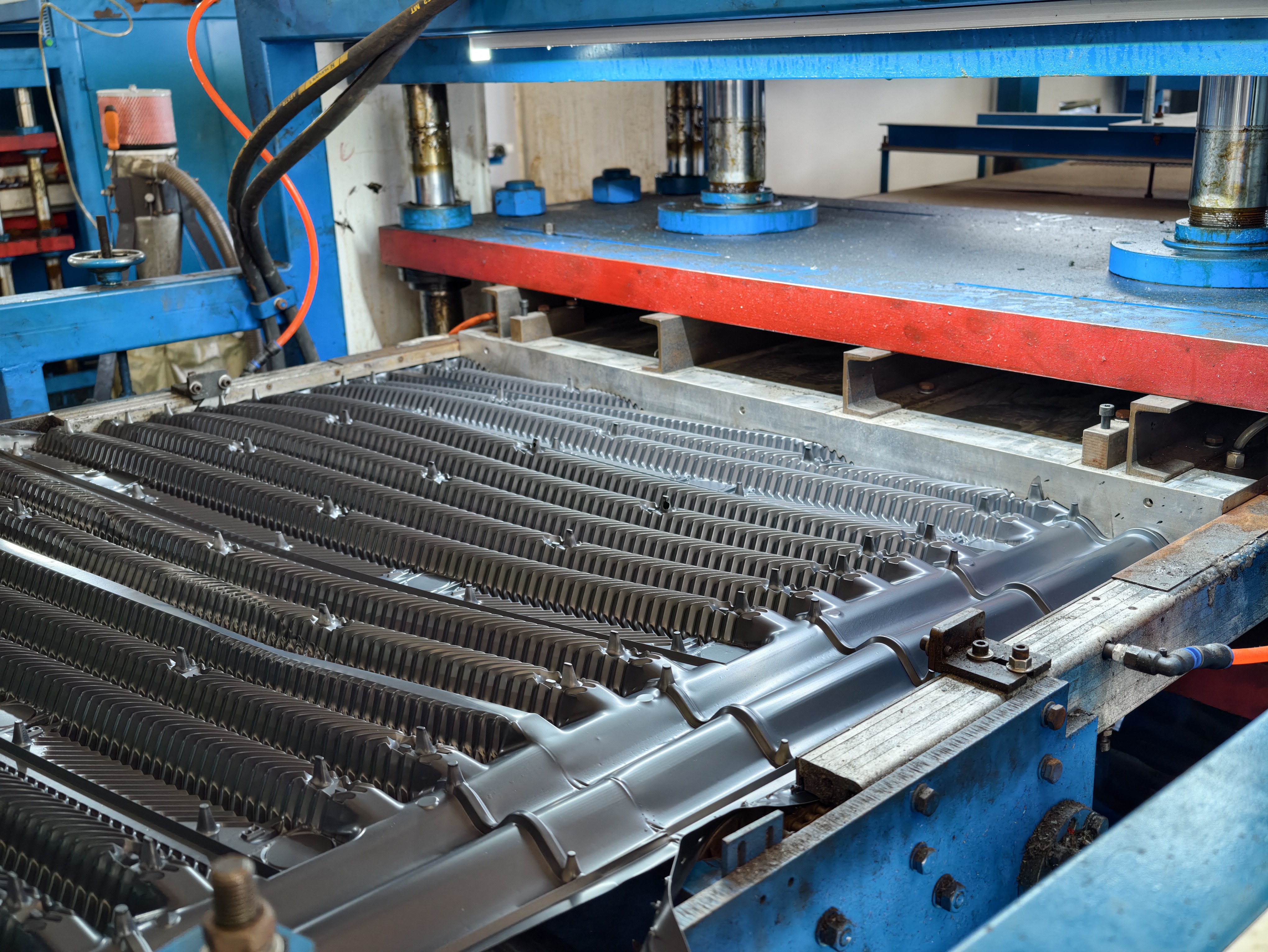
What Is Cooling Tower Fill?
Cooling tower fill is a structured or splash-type material installed inside a cooling tower. Its main purpose is to increase the surface area and contact time between circulating water and air.
When hot water enters the cooling tower, it is distributed over the fill. Air moves through the fill, allowing a portion of the water to evaporate. The evaporation process removes heat from the remaining water and lowers its temperature.
How Does Cooling Tower Fill Work?
The basic cooling process includes several steps:
Hot water enters the cooling tower.
The water distribution system spreads water over the fill.
Water flows across or through the cooling tower fill media.
Air passes through the fill.
Heat and moisture are transferred from the water to the air.
Cooled water collects in the cold-water basin.
Why Is Fill Important?
Without properly designed fill, water and air would have limited contact. This would reduce heat transfer and require a larger tower or higher operating costs to achieve the same cooling capacity.
High-quality cooling tower fill provides:
Greater air-water contact area
Better heat transfer
Improved cooling efficiency
More uniform water distribution
Lower approach temperatures
Better tower performance
Types of Cooling Tower Fill
Cooling tower fill can generally be divided into two main categories: film fill and splash fill.
Film Cooling Tower Fill
Film fill is designed to spread water into thin films over a large surface area. The thin water film creates extensive contact between water and air.
Advantages of Film Fill
High heat-transfer efficiency
Large effective surface area
Compact design
Suitable for many HVAC and industrial applications
Can provide excellent cooling performance when water quality is well controlled
Film fill is commonly manufactured from PVC or PP and is widely used in modern cooling towers.
Splash Cooling Tower Fill
Splash fill uses a series of bars, grids, or modules to break falling water into droplets. These droplets increase contact with moving air and promote heat transfer.
Advantages of Splash Fill
Better resistance to fouling
Suitable for poor-quality water
More tolerant of suspended solids
Easy to clean in many applications
Suitable for industrial cooling systems
Splash fill is often preferred where water contains high levels of suspended solids, biological matter, or other contaminants.
Cooling Tower Fill Materials
The material used for cooling tower fill has a major influence on temperature resistance, chemical resistance, service life, and cost.
PVC Cooling Tower Fill
PVC cooling tower fill is one of the most widely used options for commercial and industrial cooling towers.
Benefits of PVC Fill
Good heat-transfer performance
Lightweight construction
Cost-effective
Easy to install
Good resistance to many chemicals
Suitable for many HVAC applications
PVC fills for cooling tower systems are available in different shapes, flute sizes, thicknesses, and module configurations.
PP Cooling Tower Fill
Polypropylene (PP) cooling tower fill is another popular option, especially where higher temperature resistance or chemical resistance is required.
Benefits of PP Cooling Tower Fill
Higher temperature resistance than standard PVC in many applications
Good chemical resistance
Good durability
Suitable for demanding industrial environments
Available in film and splash configurations
PP cooling tower fill can be a good choice for applications involving elevated water temperatures or aggressive operating conditions.
FRP Cooling Tower Fill
FRP, or fiberglass-reinforced plastic, can also be used in certain cooling tower applications.
FRP components offer good mechanical strength and durability, making them useful in specialized industrial environments. However, material selection should always consider the operating temperature, water chemistry, and tower design.
PVC vs PP Cooling Tower Fill
Choosing between PVC and PP depends on the actual operating conditions.
| Feature | PVC Cooling Tower Fill | PP Cooling Tower Fill |
| Cost | Generally lower | Generally higher |
| Heat transfer | Excellent | Excellent |
| Temperature resistance | Good | Higher |
| Chemical resistance | Good | Very good |
| Weight | Lightweight | Lightweight |
| Common applications | HVAC and general cooling | Industrial and higher-temperature applications |
There is no universal best material. The correct choice depends on water temperature, water quality, chemical conditions, cooling load, and budget.
How Does Cooling Tower Fill Improve Cooling Efficiency?
Cooling tower fill directly affects the thermal performance of a cooling tower.
Increasing Water-Air Contact Area
The primary function of cooling tower fill media is to increase the contact area between water and air. A larger effective surface area generally improves heat and mass transfer.
Increasing Contact Time
Well-designed fill slows down the movement of water while maintaining proper airflow. This provides more time for heat transfer and evaporation.
Improving Water Distribution
Good cooling tower fill works together with the water distribution system to spread water evenly throughout the tower.
Uneven water distribution can create dry areas and overloaded sections, reducing the effective performance of the fill.
The Importance of Airflow
Airflow is another critical factor. Even high-performance fill cannot operate efficiently if airflow is restricted by:
Therefore, fill design and airflow should always be considered together.
Factors to Consider When Choosing Cooling Tower Fill
Selecting the right cooling tower fill requires more than simply choosing the lowest-cost product.
Cooling Tower Type
First determine whether the tower is:
Different tower designs may require different fill configurations.
Operating Water Temperature
Temperature is an important consideration when selecting fill material.
Higher-temperature applications may require PP cooling tower fill or another material with greater temperature resistance.
Water Quality
Water quality strongly affects cooling tower fill performance.
If the circulating water contains high levels of:
Suspended solids
Calcium
Magnesium
Biological growth
Oil
Corrosive chemicals
a fill design with greater fouling resistance may be required.
Poor Water Quality and Fill Selection
For dirty industrial water, splash fill may be more suitable than fine-fluted film fill because splash fill can tolerate larger amounts of suspended solids.
Chemical Compatibility
The fill material must be compatible with the chemicals used for water treatment.
Before purchasing cooling tower fill media, check the material's resistance to the specific chemicals, concentrations, and operating temperatures in the system.
Cooling Load
The required cooling capacity also affects fill selection.
Engineers should consider:
Water flow rate
Airflow rate
Hot-water temperature
Cold-water temperature
Wet-bulb temperature
Tower approach
Fill depth
Fill surface area
Cooling Tower Fill Maintenance
Proper maintenance can significantly extend the service life of cooling tower fill.
Inspect Fill Regularly
Inspect the fill for:
Cracks
Deformation
Broken modules
Scaling
Sludge
Algae
Biofilm
Excessive fouling
Regular inspection helps identify problems before they affect tower performance.
Clean Cooling Tower Fill
Cleaning frequency depends on water quality and operating conditions.
For moderately contaminated systems, periodic cleaning can help maintain airflow and water distribution.
Avoid Excessive Cleaning Pressure
High-pressure cleaning can damage PVC or PP fill. Cleaning methods should be selected according to the fill material and manufacturer's recommendations.
Maintain Water Treatment
An effective water treatment program is essential for protecting cooling tower fill.
Proper control of:
Scale
Corrosion
Biological growth
Suspended solids
can help prevent premature fill failure.
Signs That Cooling Tower Fill Needs Replacement
Cooling tower fill does not last forever. Replacement may be necessary when the material becomes severely damaged or performance decreases.
Common Signs of Damaged Fill
Look for:
Broken or collapsed sheets
Deformed fill modules
Severe scaling
Heavy biological fouling
Blocked airflow passages
Poor water distribution
Increased cold-water temperature
Reduced cooling capacity
Increased fan energy consumption
When Should You Replace Cooling Tower Fill?
There is no fixed replacement interval for every cooling tower. Service life depends on material, temperature, water chemistry, maintenance, and operating conditions.
Well-maintained cooling tower fill can often last for many years, while harsh industrial environments may require earlier replacement.
Cooling Tower Fill Replacement
Cooling tower fill replacement is an effective way to restore thermal performance when existing fill is damaged or heavily fouled.
Cooling Tower Fill Replacement Process
A typical replacement project includes:
Shut down and isolate the cooling tower.
Drain the system where necessary.
Remove damaged or deteriorated fill.
Inspect support structures.
Clean the fill area.
Install new cooling tower fill media.
Check water distribution.
Inspect airflow passages.
Restart the tower and monitor performance.
Why Replace Instead of Clean?
Cleaning may restore some performance, but severely damaged or permanently deformed fill cannot always be recovered.
New cooling tower fill can provide:
How to Extend the Life of Cooling Tower Fill
Proper operation and maintenance can help reduce replacement frequency.
Maintain Proper Water Chemistry
Control scale, corrosion, and biological growth according to the cooling system's water-treatment requirements.
Prevent Mechanical Damage
Avoid unnecessary impact during maintenance, cleaning, and inspection.
Keep Airflow Passages Clear
Blocked passages reduce air movement and increase the risk of poor thermal performance.
Monitor Cooling Performance
Track:
Hot-water temperature
Cold-water temperature
Water flow
Fan operation
Approach temperature
Pressure drop
Changes in these values can indicate fill or system problems.
Cooling Tower Fill Applications
Cooling tower fill is used across a wide range of industries.
HVAC Cooling Towers
Commercial buildings, hotels, hospitals, shopping centers, and office complexes commonly use PVC cooling tower fill for HVAC cooling systems.
Industrial Cooling Towers
Industrial facilities use cooling tower fill for process cooling applications.
Common industries include:
Power generation
Chemical processing
Steel manufacturing
Petrochemical plants
Food processing
Plastics manufacturing
Data centers
Power Plant Cooling Systems
Cooling tower fill is an important component in many power-generation cooling systems, where large quantities of water must be cooled continuously.
How to Choose a Cooling Tower Fill Manufacturer
When purchasing cooling tower fill, consider more than product price.
Product Quality
Look for consistent sheet thickness, reliable material quality, accurate dimensions, and stable manufacturing processes.
Customization
A good supplier should be able to provide different:
Sheet sizes
Thicknesses
Flute patterns
Module dimensions
Materials
Fill depths
Technical Support
Experienced suppliers can help determine the appropriate fill configuration based on tower dimensions, water flow, temperature, and operating conditions.
Replacement Compatibility
For cooling tower fill replacement projects, confirm that the new fill is compatible with the existing tower structure and support system.
FAQ
How Long Does Cooling Tower Fill Last?
The service life varies depending on material, water quality, temperature, chemical exposure, and maintenance. In many applications, cooling tower fill can last several years or longer when properly maintained.
What Is the Best Material for Cooling Tower Fill?
PVC is a cost-effective choice for many standard applications, while PP may be more suitable for higher-temperature or chemically demanding environments.
Is PVC Cooling Tower Fill Better Than PP?
Not necessarily. PVC offers an excellent balance of cost and performance, while PP generally provides higher temperature resistance and strong chemical resistance. The best option depends on the operating conditions.
Can Cooling Tower Fill Be Cleaned?
Yes. Cooling tower fill can often be cleaned, but the cleaning method should be appropriate for the fill material and contamination level.
When Should Cooling Tower Fill Be Replaced?
Replacement is recommended when the fill is severely damaged, deformed, blocked, or no longer provides the required cooling performance.
Conclusion
Cooling tower fill plays a critical role in the heat-transfer performance of a cooling tower. The right fill media can increase water-air contact, improve cooling efficiency, reduce operating costs, and support reliable long-term operation.
When selecting cooling tower fill, consider the tower design, water temperature, water quality, chemical environment, cooling load, and maintenance requirements. PVC cooling tower fill is a popular choice for many applications, while PP cooling tower fill can provide advantages in higher-temperature and more demanding environments.
Whether you need new fill media or cooling tower fill replacement, choosing the right material and design is essential for achieving efficient and reliable cooling tower performance.


