Cooling Tower Fill Life Expectancy: How Long Does Cooling Tower Fill Last?
Cooling tower fill is one of the most important components in a cooling tower. It increases the contact area between hot water and air, allowing efficient heat transfer and improving overall cooling performance. However, like other cooling tower components, fill media has a limited service life.
So, what is the typical cooling tower fill life expectancy? In general, cooling tower fill can last approximately 5 to 15 years, depending on the material, operating conditions, water quality, temperature, maintenance, and chemical exposure.
Understanding the factors that affect cooling tower fill life can help plant operators reduce maintenance costs, prevent unexpected shutdowns, and determine the right time for cooling tower fill replacement.
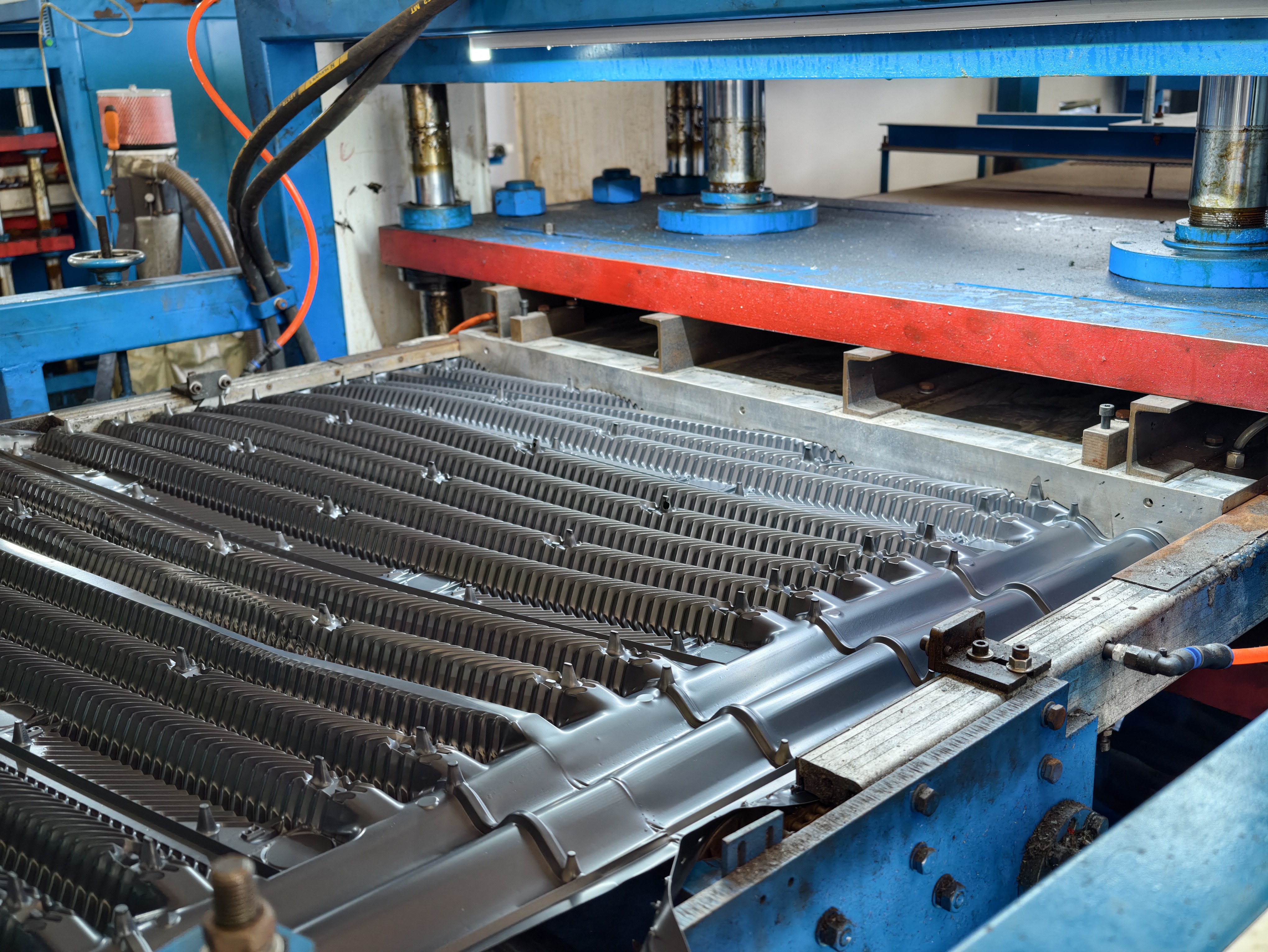
What Is Cooling Tower Fill?
Cooling tower fill, also called cooling tower packing or fill media, is installed inside a cooling tower to increase the surface area available for heat and mass transfer.
When hot water flows over the fill, it is divided into thin films or droplets. At the same time, air passes through the fill. This increases the contact between air and water, allowing heat to transfer from the circulating water to the air.
Why Is Cooling Tower Fill Important?
The primary functions of cooling tower fill include:
Increasing water-to-air contact area
Improving heat transfer efficiency
Reducing the required tower size
Improving cooling capacity
Supporting lower operating temperatures
Increasing overall cooling tower efficiency
A damaged or heavily fouled fill system can significantly reduce cooling tower performance.
What Is the Average Cooling Tower Fill Life Expectancy?
The average cooling tower fill life expectancy varies according to the fill material and operating environment.
For many industrial applications, the expected service life is approximately:
| Cooling Tower Fill Type | Typical Life Expectancy |
| PVC Film Fill | 5–10 years |
| High-Quality PVC Fill | 8–15 years |
| PP Film Fill | 8–15 years |
| Splash Fill | 10–15+ years |
| FRP Fill | 10–20 years or more |
These figures are general estimates rather than guaranteed service lives. Actual performance depends heavily on water chemistry, operating temperature, biological growth, mechanical damage, and maintenance practices.
PVC Cooling Tower Fill Life Expectancy
PVC cooling tower fill is widely used because it provides a good combination of heat-transfer performance, chemical resistance, durability, and cost.
Under suitable operating conditions, high-quality PVC fills for cooling tower applications can commonly provide several years of reliable service.
However, PVC fill may deteriorate faster when exposed to:
Excessively high water temperatures
Strong oxidizing chemicals
Poor water treatment
Heavy biological growth
Excessive suspended solids
Oil contamination
Mechanical impact
Therefore, the actual life expectancy of PVC fill should always be evaluated based on operating conditions rather than age alone.
What Factors Affect Cooling Tower Fill Life Expectancy?
Several factors determine how long cooling tower fill can remain effective.
1. Water Quality
Water quality is one of the most important factors affecting fill life.
Poor-quality circulating water can cause scale, dirt, sludge, algae, and biological deposits to accumulate on the fill surface.
Common Water-Related Problems
Poor water treatment may result in:
Calcium carbonate scale
Corrosion products
Mud and sediment
Algae
Bacteria and biofilm
Organic deposits
These contaminants can block airflow and water distribution, reducing heat-transfer efficiency.
2. Operating Temperature
Temperature has a major influence on the service life of cooling tower fill.
Every fill material has a recommended operating temperature range. If the water temperature continuously exceeds the material's recommended limit, the fill can become soft, warped, brittle, or deformed.
Why High Temperature Damages Fill
Excessive heat can cause plastic fill sheets to:
For this reason, selecting the correct fill material is critical for high-temperature applications.
3. Chemical Exposure
Cooling tower water is commonly treated with chemicals to control scale, corrosion, and biological growth.
While proper chemical treatment is essential, excessive concentrations or incompatible chemicals can shorten fill life.
Chemicals That May Affect Fill
Depending on concentration and exposure conditions, certain chemicals may contribute to degradation, including:
Chemical compatibility should be checked before selecting or cleaning cooling tower fill.
4. Biological Growth
Algae, bacteria, fungi, and biofilm can accumulate inside a cooling tower.
Heavy biological growth can cover the fill surface and restrict water and airflow.
Effects of Biological Fouling
Biological deposits may cause:
Reduced heat transfer
Increased pressure drop
Uneven water distribution
Higher fan energy consumption
Increased maintenance requirements
Premature cooling tower fill replacement
Regular water treatment and cleaning can significantly reduce these problems.
5. Mechanical Damage
Cooling tower fill is relatively lightweight and can be damaged during installation, inspection, cleaning, or maintenance.
Common causes of mechanical damage include:
Even when the fill material itself is still chemically sound, mechanical damage may require partial or complete replacement.
How Do You Know When Cooling Tower Fill Needs Replacement?
Age alone should not determine whether cooling tower fill needs to be replaced.
Instead, operators should inspect the physical condition and cooling performance of the fill.
Signs of Cooling Tower Fill Failure
Common warning signs include:
Visible cracking
Severe deformation
Brittle or broken fill sheets
Collapsed fill packs
Heavy scale buildup
Persistent biological fouling
Blocked air passages
Uneven water distribution
Increased pressure drop
Reduced cooling capacity
When several of these problems occur simultaneously, cooling tower fill replacement may be more economical than continued cleaning and maintenance.
Reduced Cooling Performance
A gradual increase in cold-water temperature can indicate deteriorating fill performance.
If the cooling tower is receiving the same heat load and similar ambient conditions but the outlet water temperature continues to rise, the fill should be inspected.
Increased Fan Energy Consumption
Blocked or fouled fill can increase airflow resistance.
As a result, the cooling tower fan may need to work harder to maintain the required airflow, increasing electricity consumption.
Physical Deformation
Film fill depends on maintaining its designed geometry.
If PVC fill sheets become warped, compressed, or collapsed, the original air and water flow paths may be disrupted.
In severe cases, replacing the fill is the best solution.
How to Extend Cooling Tower Fill Life
Proper maintenance can significantly improve the service life of cooling tower fill.
Maintain Proper Water Treatment
A well-managed water treatment program helps control:
Scale
Corrosion
Algae
Bacteria
Suspended solids
Maintaining appropriate water chemistry is one of the most effective ways to extend cooling tower fill life expectancy.
Clean the Fill Regularly
Routine inspection and cleaning help prevent deposits from becoming severe.
Cleaning frequency depends on:
Water quality
Tower location
Industrial process
Seasonal conditions
Cooling tower design
Cleaning should be performed using methods recommended for the specific fill material.
Avoid Excessive High-Pressure Cleaning
Very high-pressure water jets can damage thin PVC film fill.
Cleaning should remove deposits without deforming or tearing the fill sheets.
Inspect Water Distribution
A properly functioning spray nozzle or distribution system is essential.
Blocked or damaged nozzles can create dry areas and overloaded areas within the fill.
Regular nozzle inspection helps maintain uniform wetting and reduces localized fouling.
Control Operating Temperature
Operating the cooling tower within the recommended temperature range helps prevent premature deterioration.
For high-temperature applications, operators should consider materials specifically designed for higher-temperature service.
Inspect Fill Supports
The fill itself may be in good condition while its support system has deteriorated.
Damaged supports can cause fill packs to shift, sag, or collapse.
Therefore, inspections should include:
Fill support beams
Support grids
Retaining structures
Fasteners
Adjacent components
Cooling Tower Fill Replacement: When Is It Necessary?
Replacing cooling tower fill is often necessary when cleaning can no longer restore the required cooling performance.
Partial Fill Replacement
Partial replacement may be appropriate when damage is limited to a specific area.
Advantages include:
However, replacement fill should match the existing design as closely as possible.
Complete Cooling Tower Fill Replacement
A complete replacement may be more appropriate when the fill has widespread deterioration.
Consider full replacement when:
Most fill packs are damaged
Severe scaling is present throughout the tower
Fill has collapsed
Cooling performance has significantly decreased
Fill has exceeded its practical service life
Replacement parts are no longer available
How to Choose Long-Life Cooling Tower Fill
Choosing the right fill can have a major impact on long-term operating costs.
Select the Correct Fill Material
PVC, PP, FRP, and other materials have different temperature and chemical resistance characteristics.
The material should be selected according to the actual operating environment.
Consider Fill Design
Different cooling tower applications may require:
Film fill
Splash fill
Crossflow fill
Counterflow fill
Low-clogging fill
High-temperature fill
The correct geometry is important for achieving the desired cooling performance and service life.
Choose a Reliable Cooling Tower Fill Manufacturer
A reliable manufacturer should be able to provide information about:
High-quality manufacturing can help ensure consistent sheet thickness, bonding quality, dimensional accuracy, and mechanical strength.
Cooling Tower Fill Maintenance Checklist
A simple inspection program can help extend fill service life.
Monthly Inspection
Check for:
Quarterly Inspection
Inspect:
Fill surface condition
Spray nozzles
Water distribution
Fill supports
Scaling and deposits
Annual Inspection
Perform a more detailed inspection of:
Fill packs
Support structures
Nozzles
Drift eliminators
Airflow passages
Cooling performance
Record inspection results so deterioration can be identified before it becomes a major problem.
Cooling Tower Fill Life Expectancy vs. Maintenance Cost
Longer fill life does not necessarily mean choosing the most expensive fill.
The best solution is usually the fill that provides an appropriate balance between:
Initial cost
Heat-transfer efficiency
Service life
Water quality
Chemical resistance
Temperature resistance
Maintenance requirements
For example, a low-cost fill may have a shorter service life but still be suitable for a clean-water application. In contrast, a more durable material may be justified in a demanding industrial environment.
Total Cost of Ownership
When evaluating fill media, consider the total cost rather than purchase price alone.
Total ownership cost can include:
Initial fill cost
Installation cost
Cleaning cost
Maintenance cost
Energy consumption
Replacement frequency
Production downtime
A high-quality cooling tower fill can provide better long-term value when it reduces maintenance and replacement frequency.
Frequently Asked Questions About Cooling Tower Fill Life Expectancy
How long does cooling tower fill last?
Most cooling tower fill systems can last approximately 5 to 15 years, although service life varies considerably depending on material, water quality, temperature, chemical exposure, and maintenance.
How long does PVC cooling tower fill last?
High-quality PVC cooling tower fill can often provide several years of service and may last around 8 to 15 years under suitable operating conditions. Severe temperature, chemical, or fouling conditions can shorten its life.
Can cooling tower fill last 20 years?
Yes, some fill materials and well-maintained systems can remain functional for 20 years or more. However, this is highly dependent on the fill material and operating environment and should not be considered a standard service-life guarantee.
What is the most common reason cooling tower fill fails?
Fouling, scaling, high operating temperature, chemical degradation, and mechanical damage are among the most common causes of premature fill deterioration.
Should cooling tower fill be cleaned or replaced?
If the fill is structurally sound and deposits can be removed, cleaning may restore performance. If the fill is brittle, cracked, deformed, collapsed, or severely degraded, replacement is generally more appropriate.
How can I increase cooling tower fill life expectancy?
The most effective measures include maintaining good water quality, controlling scale and biological growth, operating within the recommended temperature range, inspecting the fill regularly, and avoiding aggressive cleaning methods.
Conclusion
The typical cooling tower fill life expectancy is around 5 to 15 years, but actual service life depends strongly on operating conditions. Water quality, temperature, chemical exposure, biological fouling, mechanical damage, and maintenance all play important roles.
Regular inspection and proper water treatment can help extend the life of PVC cooling tower fill and other fill media. When fill becomes severely damaged, deformed, or fouled, timely cooling tower fill replacement can restore heat-transfer performance and improve cooling tower efficiency.
For the best long-term results, select cooling tower fill based not only on initial cost but also on operating temperature, water quality, chemical compatibility, cooling requirements, and expected service life.


