Cooling Tower Fan Hub Assembly – Replacement Hub for Axial Fan Blades
Meta Description: High-performance cooling tower fan hub assembly, precision replacement hub for axial fan blades. Durable, corrosion-resistant, balanced design for industrial cooling towers, retrofit & direct replacement for BAC, Evapco, Liangchi, Marley fans.
What Is a Cooling Tower Fan Hub Assembly?
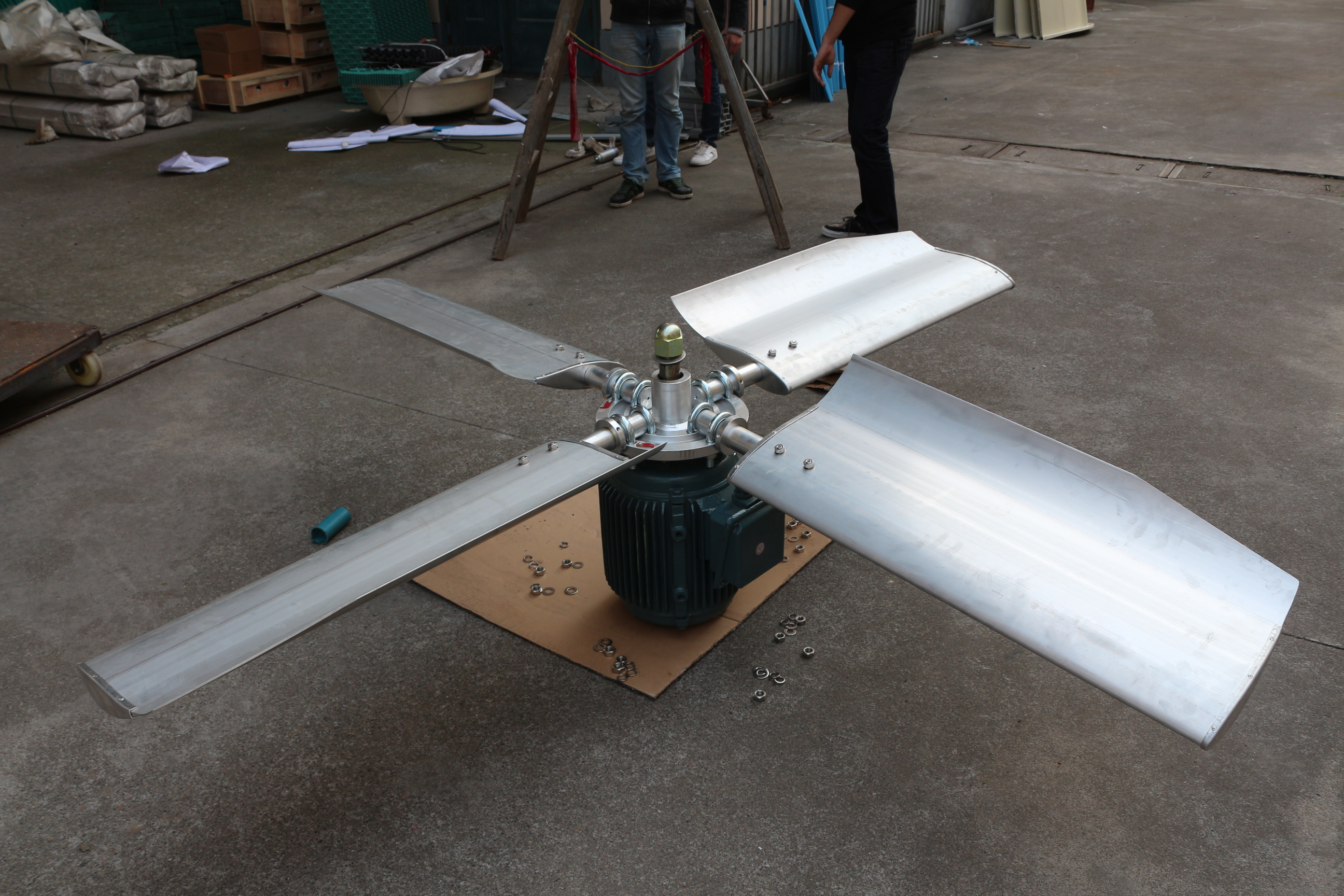
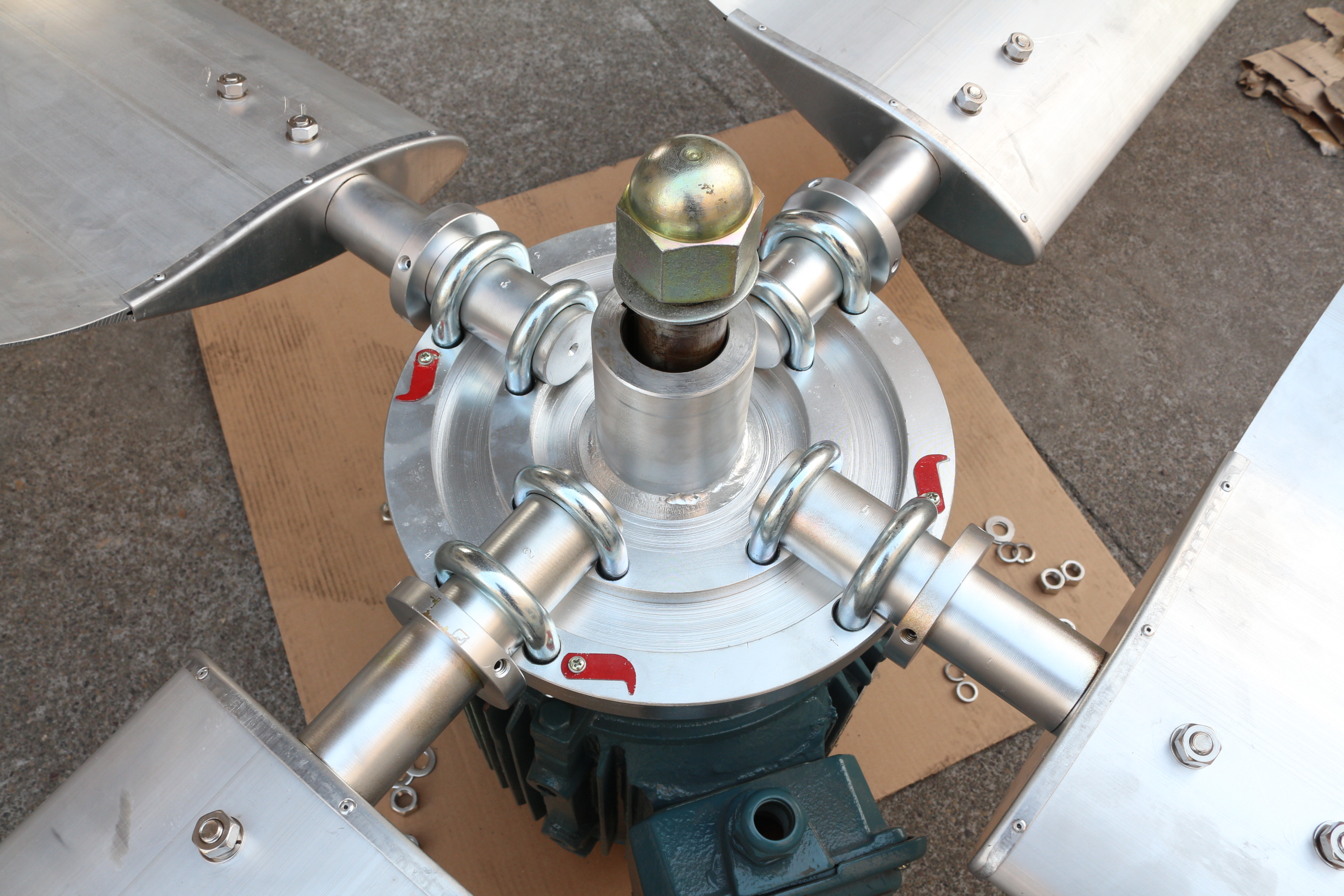
A cooling tower fan hub assembly is the central mechanical core that mounts axial fan blades and transmits torque from the gear reducer or drive shaft to the rotating fan blades. It acts as the critical connection point between the power drive system and the fan blades, directly controlling airflow stability, load distribution, vibration levels, and overall cooling tower performance.
For induced-draft and forced-draft axial cooling tower fans, the replacement fan hub is engineered as a drop-in alternative to original OEM hubs. It fits standard axial fan blades including FRP, aluminum alloy, and composite blades for crossflow and counterflow cooling towers used in HVAC, power plants, chemical processing, food & beverage, and manufacturing plants.
Core Components of a Fan Hub Assembly
A complete replacement hub package is not just a single casting. A quality hub assembly includes:
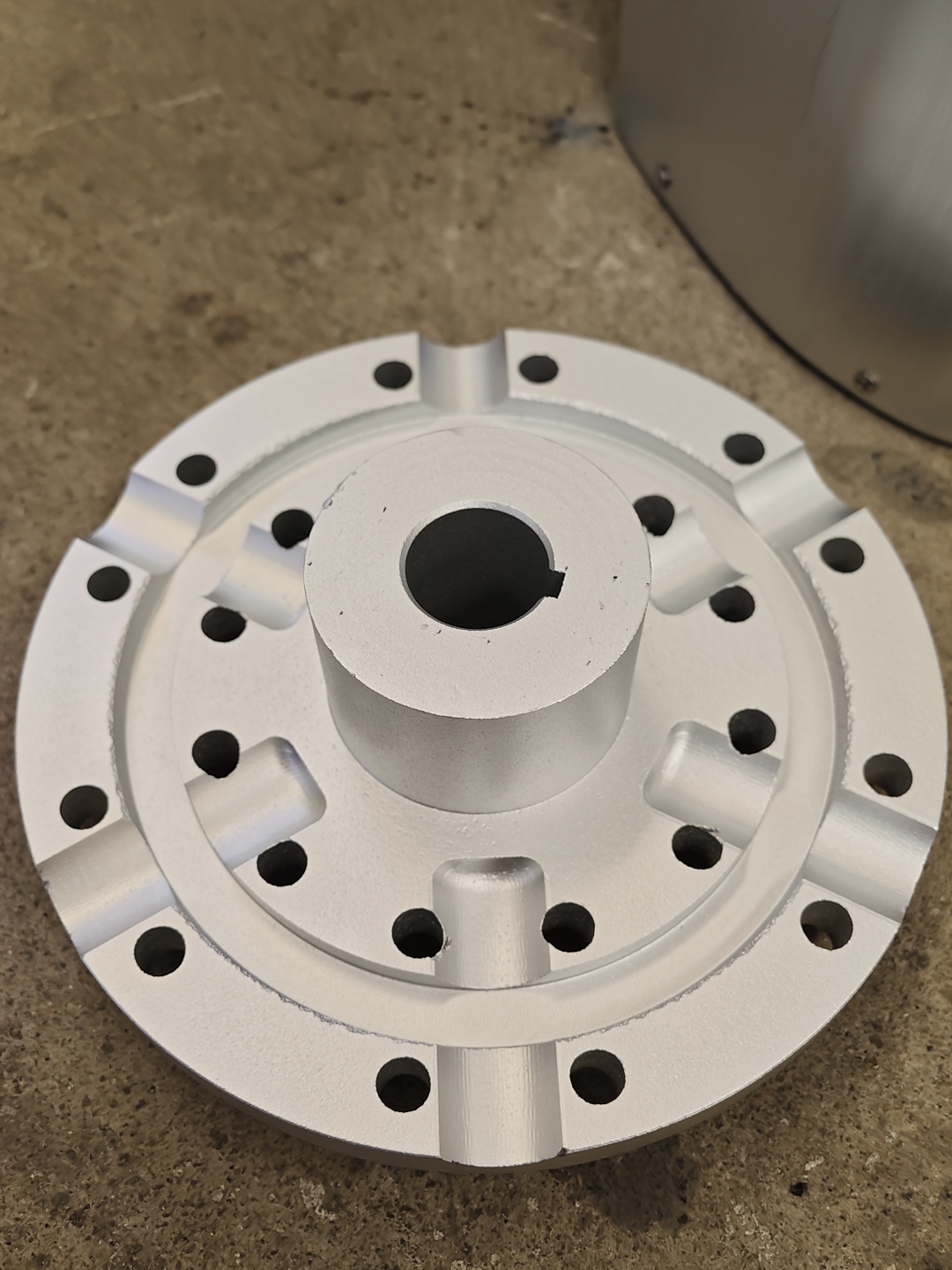
Main hub body (precision CNC machined)
Blade clamping sockets / blade mounting flanges
Taper lock bushing or cone sleeve for shaft locking
Adjustment hardware for variable blade pitch angle
High-tensile stainless steel fasteners
Aerodynamic spinner cap (hub cover)
Balance correction plates
Key Functions of the Axial Fan Replacement Hub
Torque Transmission & Load Sharing: Distributes centrifugal force and aerodynamic load evenly across all axial fan blades to avoid localized stress and fatigue cracking.
Blade Position Locking: Holds each blade at a consistent pitch angle to maintain designed CFM and thermal efficiency.
Vibration Control: Concentric machining and factory dynamic balancing minimize runout, reducing vibration that damages gearboxes, bearings and tower structures.
Corrosion Protection: Resists humid, high-moisture cooling tower operating environments with salt spray and mineral water exposure.
Retrofit Compatibility: Lets operators upgrade worn hubs without replacing the full set of axial fan blades.
Why Replace Your Cooling Tower Fan Hub?
Many maintenance teams only inspect fan blades and ignore the hub assembly. However, the hub is under constant cyclic stress, and hub failure can lead to catastrophic fan breakdown, blade strike, motor overload, and unplanned shutdowns.
Common Warning Signs That Your Fan Hub Needs Replacement
Persistent high vibration readings after blade cleaning and re-torque
Visible cracks, pitting corrosion, or deformation on the hub casting
Blade sockets are worn, elongated, and cannot hold blade angle securely
Taper bushing slipping, blade sagging or shifting pitch during operation
Severe rust and material loss at contact surfaces between hub and blades
Frequent bolt loosening even after proper torqueing
Hub bore damage, keyway wear, or scoring on the shaft mating surface
Risks of Running a Damaged Axial Fan Hub
A degraded replacement hub creates a chain of expensive failures: unbalanced rotation increases bearing and gear reducer wear, raises noise levels, and can cause blades to strike the fan stack. Emergency shutdowns lead to production overheating, loss of process temperature control, and costly overtime repairs. Replacing the hub proactively during scheduled downtime is far more economical than emergency fan overhaul.
Material Options for Cooling Tower Replacement Fan Hubs
The operating environment dictates the best hub material. Cooling towers operate in saturated air, sometimes with chlorinated water or coastal salt air, so material selection is critical for service life.
Aluminum Alloy Fan Hubs (Most Popular)
High-strength cast aluminum alloy is the standard for most cooling tower axial fan hubs. It offers low weight, good machinability, natural corrosion resistance, and excellent balance characteristics. Aluminum hubs reduce total rotating mass and place less stress on the gear drive. Ideal for freshwater HVAC and industrial cooling towers.
Stainless Steel Fan Hubs
304 / 316 stainless steel hubs are selected for harsh environments: coastal sites, desalination plants, chemical cooling loops, and towers with aggressive water treatment chemicals. Stainless steel delivers superior anti-corrosion performance, but higher weight requires re-evaluation of drive load and dynamic balancing.
Ductile Cast Iron Hubs
Ductile iron hubs are heavy-duty options for large diameter low-speed axial fans. They have high impact resistance and rigidity, but require coating and regular inspection to prevent rust. Less common today due to higher weight and maintenance needs.
Composite Reinforced Hubs
FRP composite hubs are lightweight and fully corrosion-proof, used in special anti-corrosion cooling tower projects. They have strict torque and temperature limits and are not suitable for very large high-power fans.
Compatibility – Matching Replacement Hub to Axial Fan Blades
Before ordering a cooling tower fan hub assembly, compatibility verification is the most important step. A mismatch hub will not hold blades correctly and will create severe imbalance.
Critical Dimensions to Confirm Before Purchase
Fan diameter and number of blades (4-blade, 5-blade, 6-blade axial fans)
Blade root mounting hole pattern and clamping style
Shaft diameter, keyway size, taper bushing specification
Adjustable pitch range (fixed pitch vs variable pitch hub)
Overall hub height and spinner clearance
OEM reference: BAC, Evapco, Marley, Liangchi, Baltimore, SPX, Tower Tech
Can I Fit New Blades on an Old Hub?
Technically possible only if blade root geometry, bolt pattern and pitch adjustment mechanism fully match. In most retrofit projects, pairing a new precision hub with existing blades is safer than reusing a worn hub. If you upgrade to new aerodynamic blades, a matched new hub assembly is strongly recommended to maintain factory balance and safety.
Installation Procedure for Replacement Axial Fan Hub Assembly
All fan service must follow lockout-tagout (LOTO) safety protocols. No work is permitted until the drive is locked out and all rotating parts have fully stopped.
Step 1 – Prepare the Work Area & Remove the Fan Assembly
Clean the fan stack, remove debris and scale. Rig the fan rotor safely. Mark blade positions and original pitch angles before disassembly. Loosen blade clamping bolts evenly; never hammer blades or hub sockets.
Step 2 – Remove Old Hub, Inspect Shaft & Bushing
Take out the taper lock bushing and inspect the fan shaft for scoring, corrosion or bending. Clean the shaft surface thoroughly. Replace the bushing if it shows wear or slip marks.
Step 3 – Mount New Replacement Hub & Bushing
Fit the taper bushing onto the shaft, align the keyway. Slide the new hub assembly over the bushing. Tighten bushing bolts gradually and evenly following torque values from the supplier manual. Do not over-tighten the taper sleeve.
Step 4 – Reinstall Axial Fan Blades & Set Blade Pitch
Install each axial blade into the hub clamping slots. Set identical pitch angle for every blade using a pitch protractor. Clean contact surfaces, apply anti-seize compound, and torque all blade bolts to specified values in a crisscross sequence.
Step 5 – Dynamic Balancing & Clearance Check
After assembly, perform on-site dynamic balancing. Verify blade tip clearance between blade tip and fan stack ring. Unequal tip clearance can cause scraping, noise and imbalance. Record vibration readings before returning the cooling tower to service.
Maintenance Best Practices for Your New Fan Hub Assembly
A quality replacement hub can deliver 5–10 years of service with regular inspection and maintenance.
Routine Inspection Checklist
Check hub surface for corrosion, cracks and pitting quarterly
Verify clamping bolt torque and check for loosening after seasonal startup
Confirm no blade pitch drift caused by vibration
Inspect spinner cap for damage and secure mounting
Monitor vibration trend data monthly; rising vibration is an early warning signal
Long-Term Protection Tips
Use approved anti-seize on bolt threads in humid environments
Touch up damaged protective coating on aluminum or iron hubs
Avoid pressure washing high-pressure water directly into hub clamping interfaces
Keep blade roots clean from mineral scale, which changes blade weight and unbalances the rotor
FAQ About Cooling Tower Fan Replacement Hubs
What is the lead time for a custom fan hub assembly?
Standard off-the-shelf hub models for common diameters ship quickly. Custom-machined hubs for non-standard shaft sizes or special blade patterns usually take 2–4 weeks.
Does the replacement hub come pre-balanced?
Quality suppliers factory-balance the bare hub. However, once you mount your axial fan blades on-site, the full rotor set still requires field dynamic balancing. Blade weight differences will alter the balance state.
Is a variable pitch hub better than fixed pitch?
Variable pitch hubs let you adjust airflow and power consumption for seasonal cooling loads, ideal for variable flow process cooling. Fixed pitch hubs are lower cost, simpler, and used in constant-load HVAC towers.
Can I replace only one damaged blade without changing the hub?
Yes, but you must match the blade weight and profile, and rebalance the rotor. If the hub sockets are worn, replacing blades alone will not solve recurring vibration issues.
Final Benefits of Investing in a Precision Replacement Fan Hub
Stabilize cooling tower airflow and maintain design thermal performance
Cut unexpected downtime and process overheating risk
Reduce vibration and extend service life of gear reducer, bearings and motor
Lower long-term maintenance frequency and repair cost
Support fan retrofit and energy efficiency upgrade projects
Compatible with global major cooling tower OEM axial fan blade sets