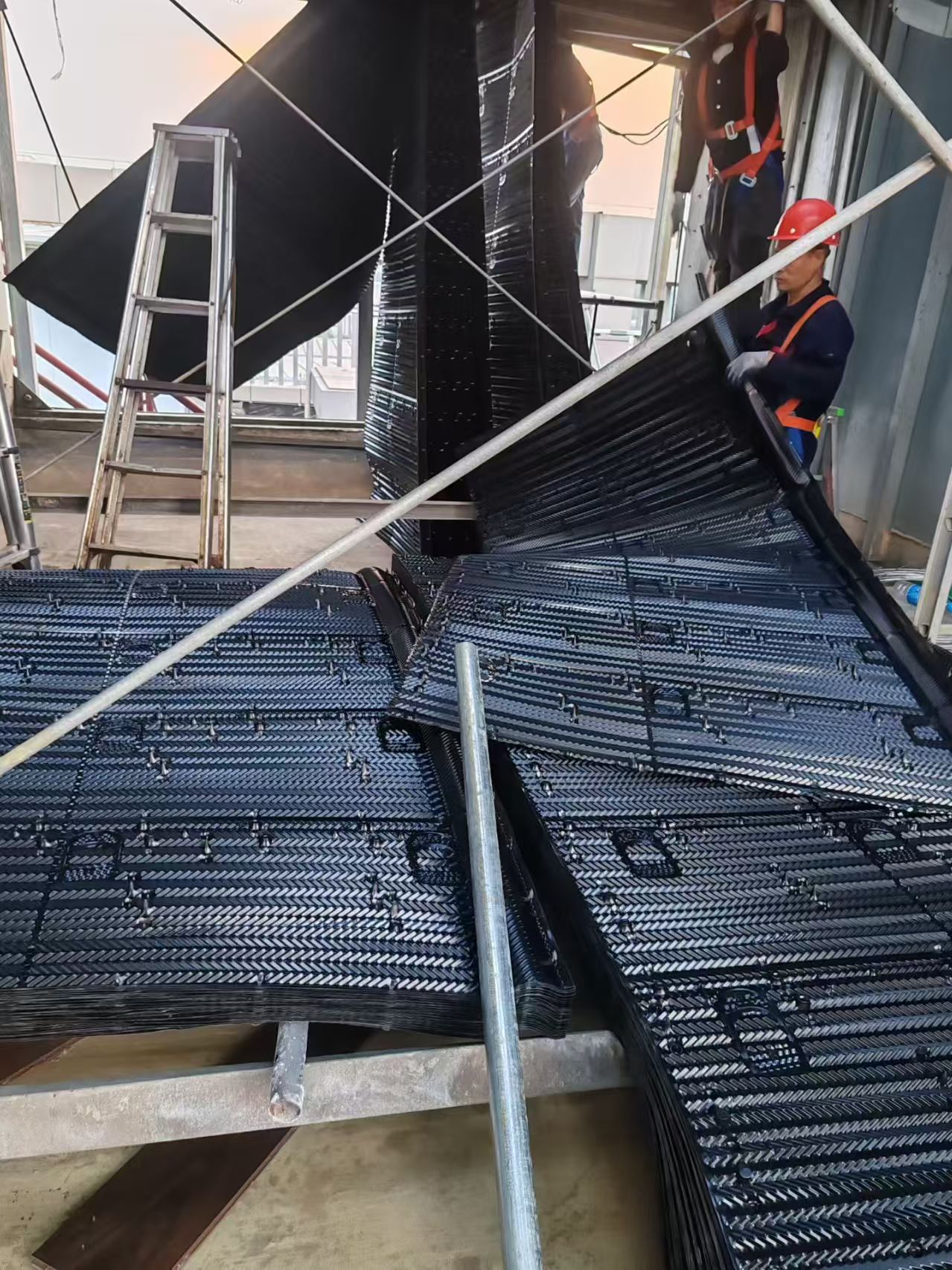
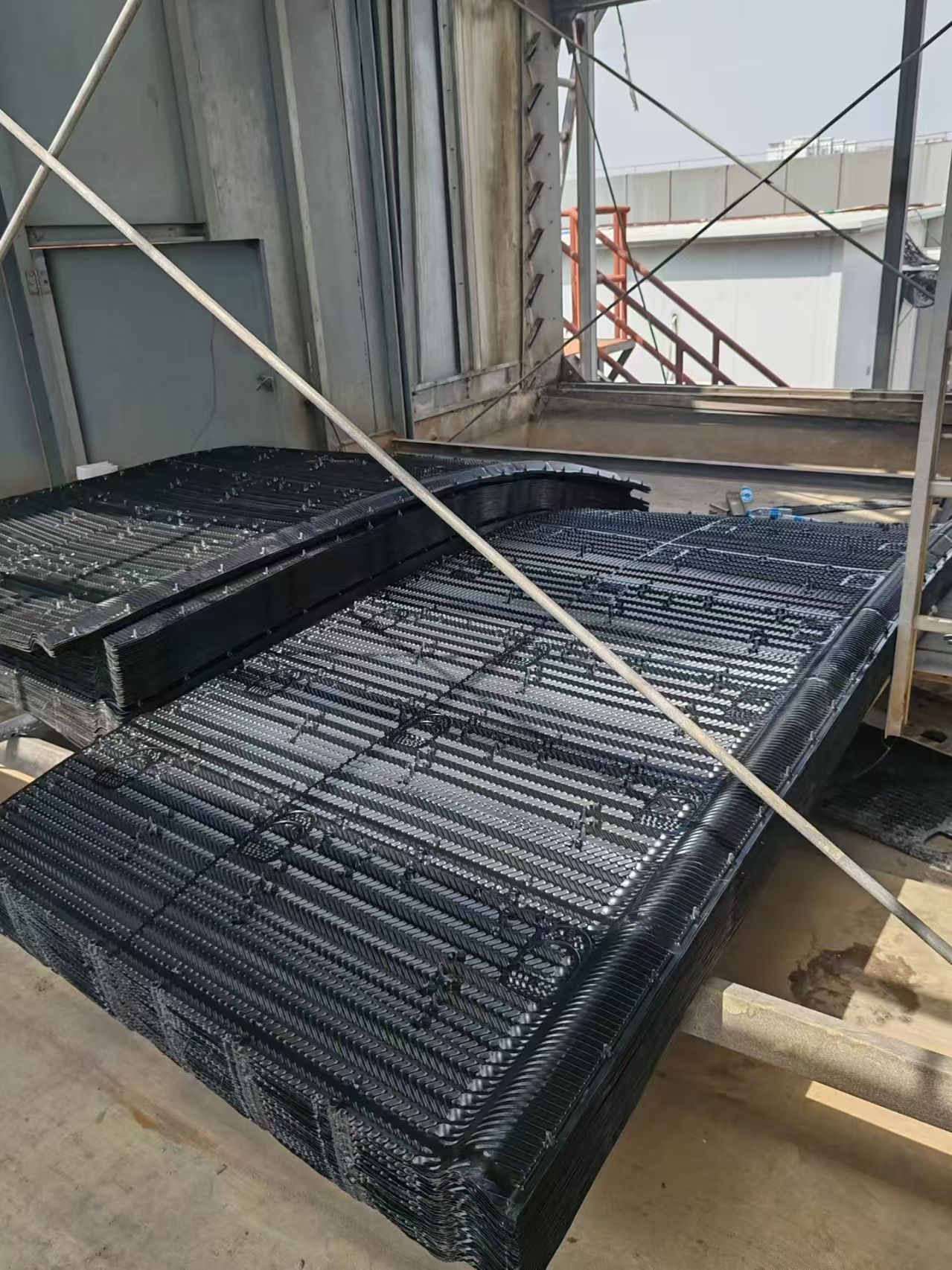
BAC Cooling Tower Fill: Complete Guide to Efficient Heat Transfer
BAC cooling tower fill is an important component in many industrial and commercial cooling tower systems. It increases the contact area between hot water and air, improving evaporation and heat transfer while helping the cooling tower achieve better thermal performance.
When cooling tower fill becomes damaged, clogged, or aged, cooling efficiency can decline significantly. Choosing the right BAC cooling tower fillreplacement can restore heat transfer performance, reduce operating costs, and extend the service life of the cooling tower.
This guide explains the types, benefits, applications, maintenance requirements, and replacement considerations of BAC cooling tower fill.
What Is BAC Cooling Tower Fill?
BAC cooling tower fill is the heat transfer media installed inside a cooling tower. Its primary function is to distribute water into thin films or droplets and provide a large surface area for contact between water and air.
During operation, hot circulating water flows over the cooling tower fill, while air moves through the fill section. A portion of the water evaporates, removing heat from the remaining water.
How Does BAC Cooling Tower Fill Work?
The cooling process generally involves four steps:
1. Hot Water Enters the Tower
Warm process water enters the cooling tower after absorbing heat from industrial equipment, HVAC systems, or process machinery.
2. Water Is Distributed Over the Fill
The water distribution system sprays or distributes water across the surface of the fill media.
3. Air Passes Through the Fill
Fans or natural airflow move air through the fill. The specially designed fill surface increases water-air contact.
4. Evaporation Removes Heat
A small portion of the water evaporates. The latent heat required for evaporation is taken from the circulating water, lowering its temperature.
This combination of water distribution, air movement, and evaporation determines the overall cooling efficiency of the tower.
Why Is BAC Cooling Tower Fill Important?
The fill is one of the most important components affecting cooling tower thermal performance.
A properly designed BAC cooling tower fill can provide:
Large water-air contact area
Improved heat transfer
Better water distribution
Efficient evaporation
Stable cooling performance
Reduced energy consumption
Longer operating life
Poor-quality or damaged fill can restrict airflow, cause uneven water distribution, and reduce the tower's ability to reject heat.
Cooling Tower Fill and Heat Transfer Efficiency
The larger the effective contact area between air and water, the greater the opportunity for evaporation and heat transfer.
High-performance fill media are therefore designed with specialized surfaces, channels, or corrugated structures that increase the interaction between air and water without creating excessive pressure drop.
Types of BAC Cooling Tower Fill
Different cooling towers may require different fill designs depending on water quality, operating temperature, airflow, and application.
Film Fill
Film fill is widely used in modern cooling towers because it creates a thin layer of water across a large surface area.
Advantages of Film Fill
High heat transfer efficiency
Large effective surface area
Compact design
Suitable for many HVAC and industrial applications
Efficient water-to-air contact
Film fill is commonly manufactured from materials such as PVC or PP.
Splash Fill
Splash fill breaks falling water into smaller droplets as it passes through layers of splash bars or grids.
Advantages of Splash Fill
Better tolerance of suspended solids
Reduced tendency to clog
Suitable for poor water quality
Commonly used in industrial applications
Splash fill can be a good choice where water contains debris, biological growth, or higher levels of suspended solids.
What Materials Are Used for BAC Cooling Tower Fill?
The material used for cooling tower fill directly affects its chemical resistance, temperature resistance, mechanical strength, and service life.
PVC Cooling Tower Fill
PVC fills for cooling tower applications are widely used because PVC offers a good balance between cost, thermal performance, and chemical resistance.
PVC fill is commonly selected for:
PP Cooling Tower Fill
Polypropylene (PP) fill provides higher temperature resistance than standard PVC in many applications.
PP is often considered when operating temperatures are relatively high or when additional chemical resistance is required.
PVC vs. PP Cooling Tower Fill
The best material depends on the operating environment.
| Feature | PVC Fill | PP Fill |
| Cost | Generally lower | Generally higher |
| Heat resistance | Good | Excellent |
| Chemical resistance | Good | Excellent |
| Common applications | HVAC and industrial | Higher-temperature applications |
| Availability | Very high | High |
Selecting between PVC and PP should be based on water temperature, chemical conditions, tower design, and expected service life.
Key Benefits of BAC Cooling Tower Fill
A properly selected cooling tower fill can provide several operational advantages.
Improved Cooling Efficiency
High-quality fill increases the contact area between air and water, improving evaporation and heat transfer.
Better Water Distribution
A properly designed fill structure helps spread water across a larger surface area, reducing dry spots and improving thermal performance.
Lower Operating Costs
Improved heat transfer can help the cooling tower reach the required cold-water temperature with less fan energy or reduced operating load.
Long Service Life
Durable PVC and PP materials can resist moisture, corrosion, and many common chemicals found in circulating cooling water.
Easy Replacement
Replacement fill can be manufactured and cut according to the dimensions of existing cooling tower systems, making it possible to upgrade an aging fill section without replacing the entire tower.
When Should BAC Cooling Tower Fill Be Replaced?
Cooling tower fill does not last forever. Its service life depends on water quality, operating temperature, cleaning frequency, chemical treatment, and environmental conditions.
Common Signs of Damaged Cooling Tower Fill
Look for the following warning signs:
1. Reduced Cooling Performance
If the tower can no longer achieve its required cold-water temperature, damaged or clogged fill may be one possible cause.
2. Increased Pressure Drop
Excessive fouling or biological deposits can restrict airflow through the fill and increase system resistance.
3. Broken or Deformed Fill Sheets
Physical damage can create gaps or blocked passages and reduce effective heat transfer.
4. Algae and Scale Buildup
Heavy deposits reduce the available heat transfer surface and may block airflow or water passages.
5. Uneven Water Distribution
Dry areas or concentrated water flow can indicate problems with the fill or water distribution system.
BAC Cooling Tower Fill Replacement Guide
Replacing cooling tower fill should be approached as a complete system inspection rather than simply removing old fill and installing new sheets.
Step 1: Inspect the Existing Fill
Check for:
Cracks
Deformation
Scaling
Algae
Blockages
Material deterioration
Excessive fouling
Step 2: Confirm Tower Dimensions
Before ordering replacement fill, measure:
Fill length
Fill width
Fill height
Sheet thickness
Block dimensions
Support spacing
Fill orientation
Accurate measurements help ensure that the replacement fill fits correctly.
Step 3: Select the Appropriate Material
Choose PVC or PP based on operating temperature, water chemistry, and application requirements.
Step 4: Check Water Distribution
Replacing the fill without addressing poor water distribution may not solve the cooling problem.
Inspect spray nozzles, pipes, headers, and distribution systems at the same time.
Step 5: Install the New Fill
The fill should be installed according to the correct orientation and support structure. Proper installation helps maintain airflow and water distribution.
How to Maintain BAC Cooling Tower Fill
Regular maintenance can extend the service life of cooling tower fill and maintain thermal performance.
Regular Inspection
Inspect the fill periodically for scale, biological growth, physical damage, and blocked passages.
Water Treatment
Effective water treatment helps control:
Scale
Corrosion
Algae
Bacteria
Suspended solids
Good water treatment can significantly reduce fouling and prolong fill life.
Cleaning
Depending on the operating environment, cooling tower fill may require periodic cleaning.
Cleaning methods should be selected carefully to avoid damaging PVC or PP fill sheets.
Monitor Cooling Performance
Track important operating parameters such as:
Hot water temperature
Cold water temperature
Water flow rate
Airflow
Approach temperature
Pressure drop
A gradual decline in performance may indicate that the fill needs inspection or replacement.
How to Choose the Right BAC Cooling Tower Fill
Choosing replacement fill requires more than selecting a product based on appearance or price.
Consider Cooling Tower Design
First determine whether the tower is:
Crossflow
Counterflow
Open circuit
Closed circuit
Industrial
HVAC
The fill design should be compatible with the tower configuration.
Consider Water Quality
If the circulating water contains high levels of suspended solids, splash fill may be more suitable than fine-passage film fill.
For relatively clean water, film fill can provide excellent thermal efficiency.
Consider Operating Temperature
Temperature is particularly important when selecting PVC or PP materials.
For higher-temperature applications, PP fill may offer better resistance.
Consider Fill Thickness
Fill sheet thickness affects mechanical strength, weight, durability, and cost.
The correct thickness should be selected according to the tower design and operating conditions.
BAC Cooling Tower Fill vs. Generic Replacement Fill
Cooling tower operators sometimes wonder whether they need an original BAC fill product or whether a compatible replacement can be used.
A properly engineered replacement fill can be suitable when it matches the required:
The key is not simply the brand name but whether the replacement fill is correctly designed for the specific cooling tower.
Applications of BAC Cooling Tower Fill
BAC-type cooling tower fill solutions can be used across many industries.
HVAC Systems
Cooling towers in large commercial buildings use fill media to reject heat from chilled-water systems and building cooling equipment.
Manufacturing Plants
Industrial facilities use cooling towers to remove heat from production machinery and process systems.
Power Generation
Cooling towers play an important role in rejecting waste heat from power-generation processes.
Chemical and Petrochemical Industries
Process cooling systems require reliable heat rejection under demanding operating conditions.
Data Centers
Cooling towers and evaporative cooling systems can support efficient heat removal from data center cooling infrastructure.
Frequently Asked Questions About BAC Cooling Tower Fill
What Is BAC Cooling Tower Fill Used For?
BAC cooling tower fill is used to increase water-air contact inside a cooling tower. This improves evaporation and heat transfer, allowing the tower to remove heat more efficiently.
How Long Does Cooling Tower Fill Last?
The service life varies according to water quality, temperature, chemical treatment, maintenance, and operating conditions. Regular inspection is essential for determining when replacement is necessary.
Is PVC Suitable for Cooling Tower Fill?
Yes. PVC is one of the most commonly used materials for cooling tower fill because it provides good thermal performance, chemical resistance, and cost efficiency.
Is PP Better Than PVC Cooling Tower Fill?
Not necessarily. PP generally offers better temperature resistance, while PVC is often more economical for standard operating conditions. The correct material depends on the specific application.
Can BAC Cooling Tower Fill Be Replaced?
Yes. Replacement fill can be designed according to the existing tower dimensions and operating requirements. Proper measurement and material selection are important before installation.
Conclusion
BAC cooling tower fill plays a critical role in cooling tower heat transfer. The right fill media can increase water-air contact, improve evaporation, support stable cooling performance, and help reduce operating costs.
When selecting BAC fill replacement, consider the cooling tower design, water quality, operating temperature, fill dimensions, material, and required thermal performance. PVC cooling tower fill is an economical option for many applications, while PP fill can be advantageous in higher-temperature environments.
With proper water treatment, regular inspection, cleaning, and timely replacement, cooling tower fill media can continue to provide reliable heat transfer and efficient cooling performance for many years.